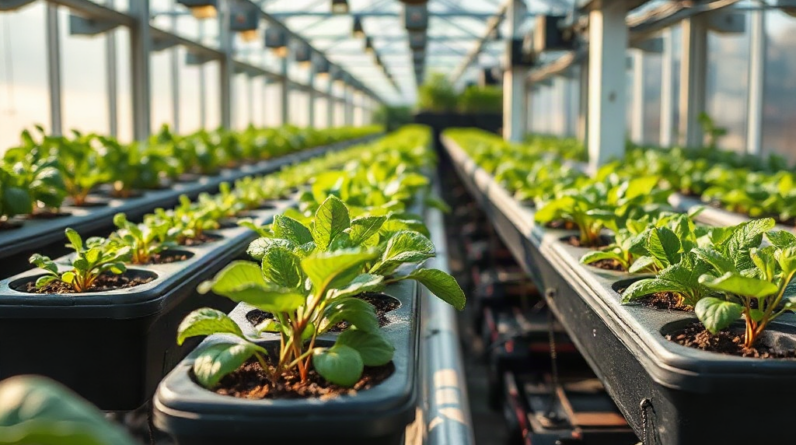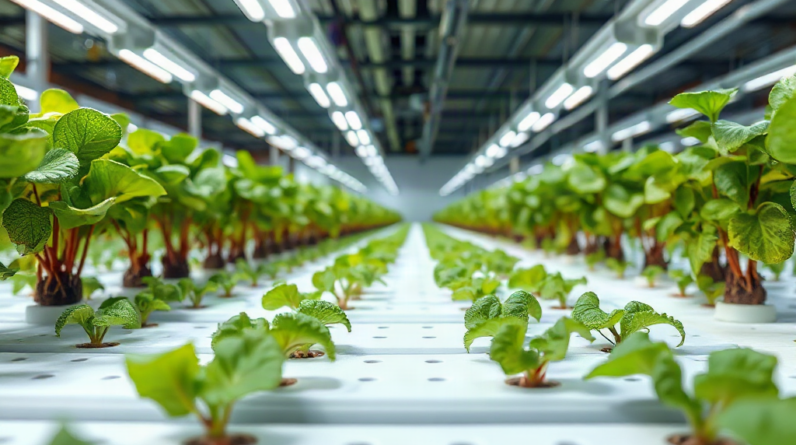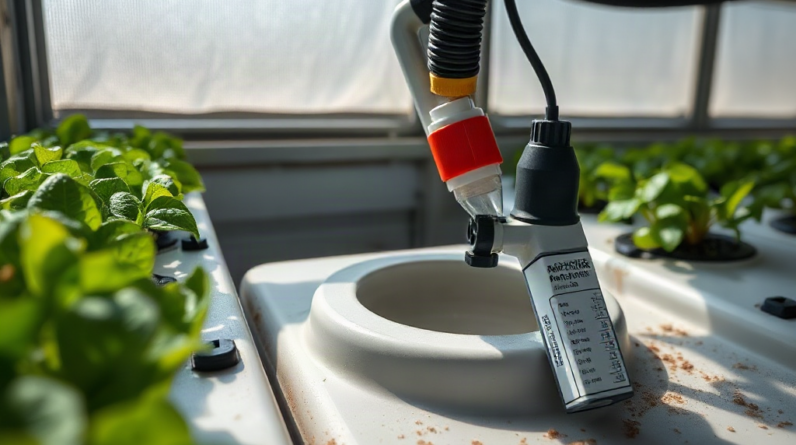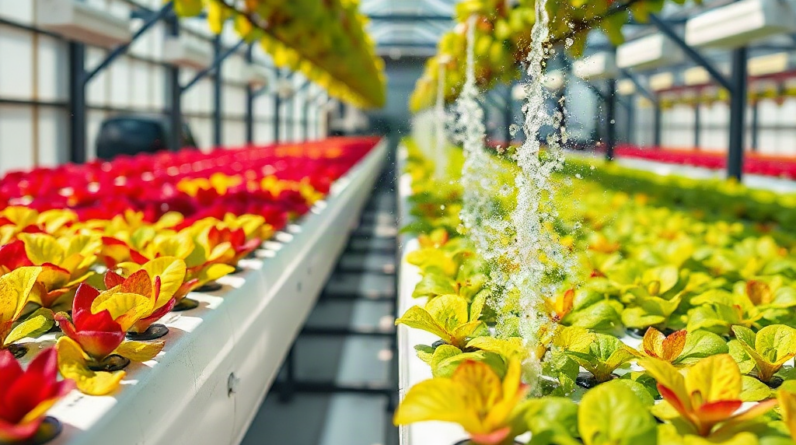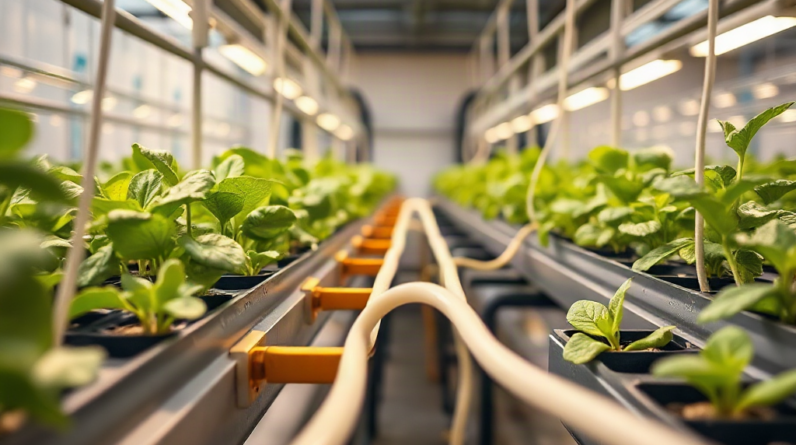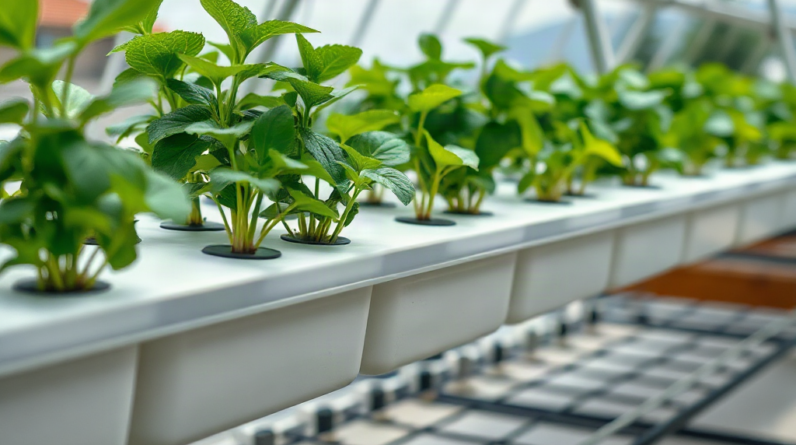
This approach not only conserves water but also minimizes land usage, making it an ideal solution for urban farming and areas with limited arable land. By employing techniques such as recirculating systems and organic nutrients, gardeners can create a self-sustaining ecosystem that contributes to food security and environmental preservation.
For instance, while conventional agriculture can consume up to 1,800 gallons of water per pound of produce, hydroponics can reduce that to just 30 gallons. This efficiency is crucial, especially in regions facing water scarcity.
Furthermore, sustainable hydroponic gardening requires careful consideration of energy use. Implementing renewable energy sources, such as solar panels, can drastically reduce the carbon footprint associated with growing plants indoors. Advanced monitoring systems can also help optimize energy consumption by regulating lighting and temperature based on real-time data. This not only promotes a greener operation but also can lead to cost savings over time.
The Benefits of Sustainable Hydroponic Gardening
The benefits of sustainable hydroponic gardening extend beyond mere resource efficiency; they include improved produce quality and enhanced biodiversity. By growing plants in a controlled environment, gardeners can eliminate many pests and diseases common in traditional soil-based farming. Additionally, the ability to grow crops year-round ensures a consistent supply of fresh produce, which is essential for local communities.
Moreover, this method allows for greater crop diversity, enabling the cultivation of a wide range of plants that might not thrive in local soil conditions. Sustainable hydroponics can also contribute to urban greening efforts, improving air quality and providing green spaces in densely populated areas. However, achieving these benefits requires a commitment to ongoing education and adaptation of best practices.
Common Mistakes to Avoid
Many aspiring hydroponic gardeners fall into common traps that can hinder their success. One significant mistake is neglecting the importance of nutrient management. Hydroponic systems rely heavily on nutrient solutions; therefore, regular monitoring of nutrient levels and pH is crucial. Failing to maintain these factors can lead to nutrient deficiencies or toxicities, ultimately affecting plant health and yield.
Another common error is overcomplicating the setup. New gardeners often overestimate the complexity of hydroponic systems, leading to unnecessary expenses and frustration. Starting with simpler systems, such as deep water culture or nutrient film techniques, can provide a solid foundation before progressing to more complex setups. Understanding the balance between technology and hands-on management is key to successful sustainable hydroponic gardening.
Essential Components for Success
Successful sustainable hydroponic gardening hinges on several essential components. First, choosing the right growing medium is vital; options such as coconut coir and rock wool provide excellent support while retaining moisture and nutrients. Additionally, selecting the right types of plants that thrive in hydroponic systems is crucial. Leafy greens, herbs, and certain fruits tend to perform well, especially for beginners.
Moreover, investing in quality lighting systems that mimic natural sunlight can significantly enhance plant growth. LED grow lights are particularly effective, as they consume less energy and can be tailored to provide the specific light spectrum needed for different growth stages. Regularly assessing environmental conditions, such as humidity and temperature, also plays a critical role in ensuring a healthy hydroponic garden.
Integrating Renewable Energy Solutions
Incorporating renewable energy solutions into sustainable hydroponic gardening can further enhance its ecological benefits. Solar panels, for instance, can power pumps, lights, and other essential equipment, reducing reliance on non-renewable energy sources. This not only minimizes the carbon footprint of the gardening operation but can also lead to substantial cost savings over time.
Additionally, using energy-efficient equipment and optimizing energy consumption through smart technology can maximize the effectiveness of renewable energy systems. Gardeners should consider investing in automated systems that monitor energy use and adjust operations accordingly, ensuring that resources are utilized efficiently while maintaining optimal growing conditions.
Further Reading
For those interested in deepening their understanding of sustainable hydroponic gardening, several resources can provide valuable insights into best practices and innovations in the field.
Authoritative Sources
- Hydroponics.org
hydroponics.orgA comprehensive resource for hydroponic techniques and sustainable practices
- Urban Agriculture Coalition
urbanagriculture.orgInformation on urban farming initiatives, including hydroponics and sustainability
- USDA Agriculture
agriculture.govUsda.govOfficial guidelines and research on sustainable agricultural practices
- Greenhouse Grower
greenhousegrower.comInsights into advanced hydroponic systems and sustainable growing methods
Frequently Asked Questions
What is sustainable hydroponic gardening?
Sustainable hydroponic gardening is a method of growing plants in nutrient-rich water without soil, focusing on eco-friendly practices to conserve resources and reduce environmental impact.
How does hydroponic gardening save water?
This method uses a recirculating system that minimizes water waste, utilizing up to 90% less water compared to traditional soil-based farming.
What are the common mistakes in hydroponic gardening?
Common mistakes include neglecting nutrient management, overcomplicating setups, and failing to monitor environmental conditions, which can lead to poor plant health.
Can I use renewable energy for hydroponic gardening?
Yes, integrating renewable energy sources like solar panels can power hydroponic systems, reducing energy costs and environmental impact.
What plants grow best in hydroponic systems?
Leafy greens, herbs, and certain fruits are particularly well-suited for hydroponic systems, offering high yields and fast growth rates.
Conclusion
In summary, sustainable hydroponic gardening presents a practical solution for addressing food security and environmental challenges. By implementing best practices such as efficient nutrient management, renewable energy integration, and careful selection of plant varieties, gardeners can maximize their yield while minimizing resource consumption. Prioritizing these elements will not only enhance the sustainability of gardening efforts but also contribute positively to local ecosystems and communities. As interest in sustainable practices grows, embracing this innovative approach can lead to healthier produce and a greener planet.