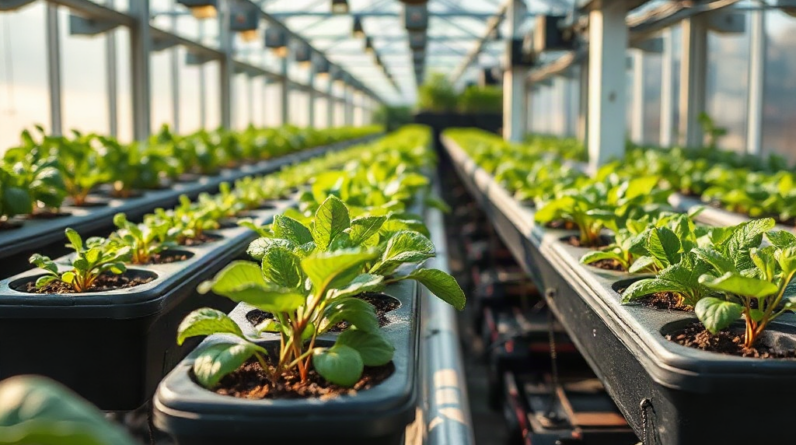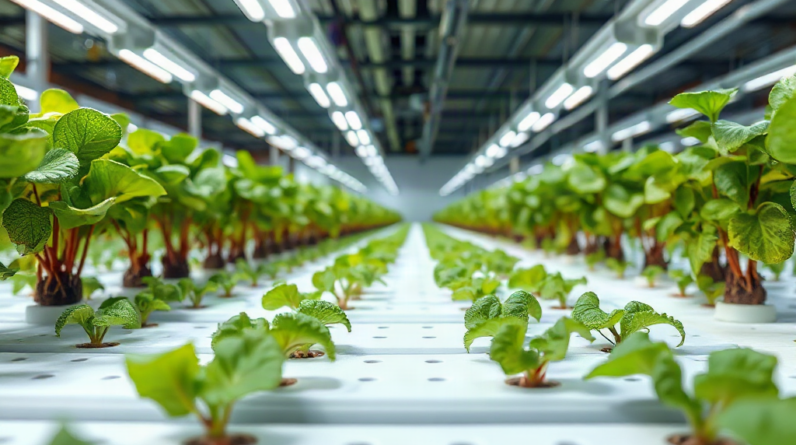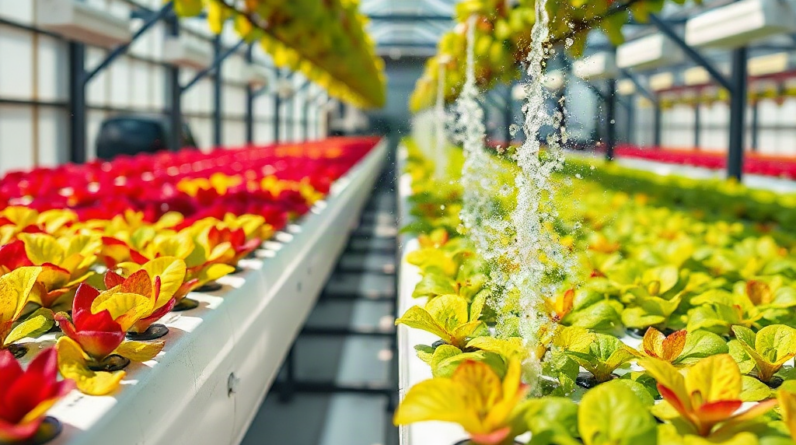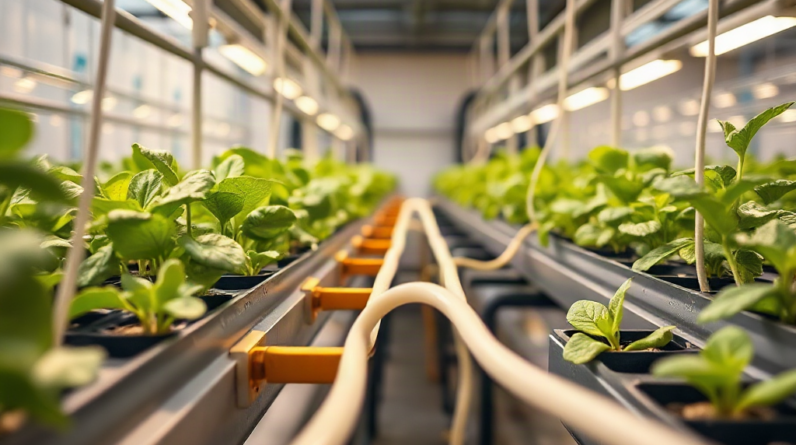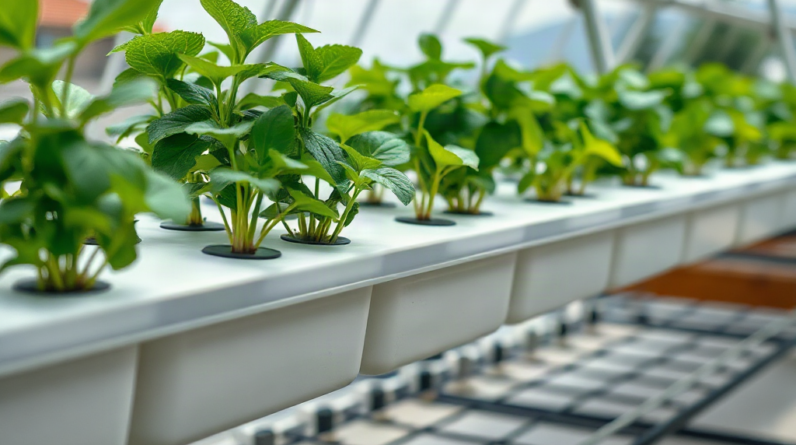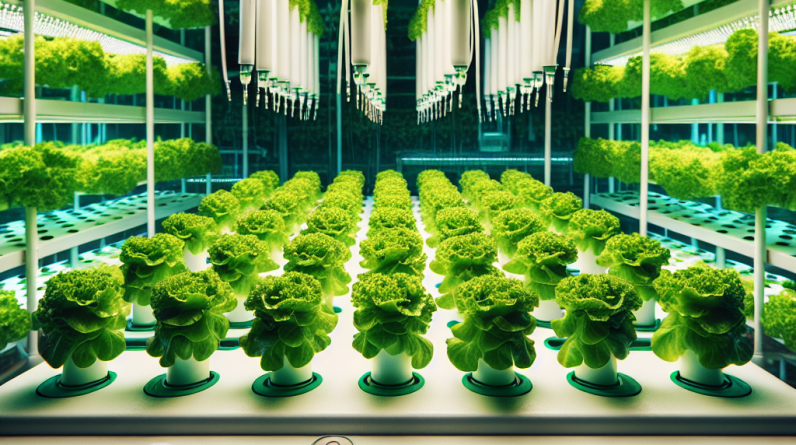
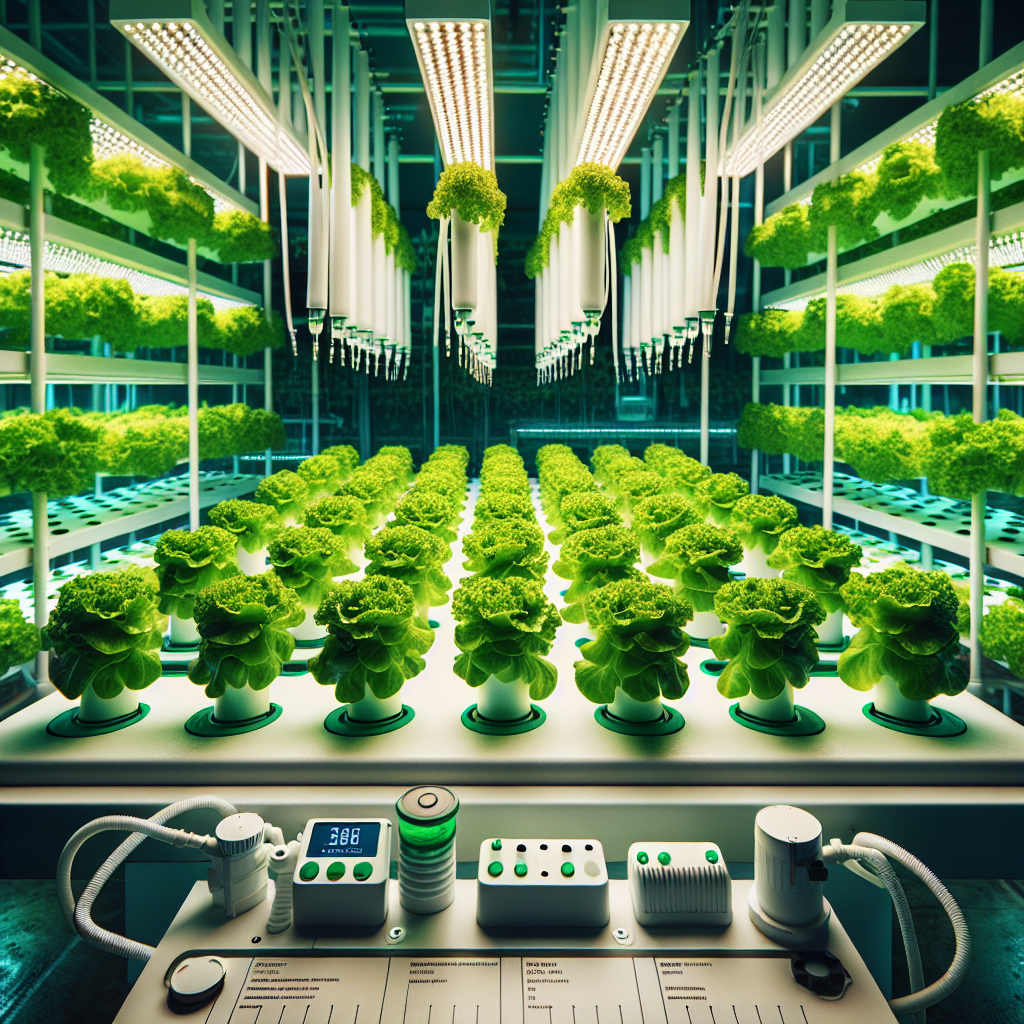
When selecting a hydroponic system, consider factors such as the types of plants you want to grow, available space, and your budget. For instance, DWC systems are excellent for leafy greens and herbs, while NFT systems are ideal for larger setups that require less maintenance. Aeroponics, though more complex, can produce high yields with efficient water usage. Understanding these priorities will help you avoid common pitfalls, such as overcrowding plants or choosing a system that doesn’t suit your environment.
Another vital aspect to consider is the level of maintenance and monitoring each system requires. DWC systems need regular checks on water levels and nutrient concentrations, while NFT systems might need less frequent attention. Many beginners make the mistake of underestimating the time commitment necessary for successful indoor gardening. Prioritizing ease of use alongside growth potential can lead to a more satisfying gardening experience.
Understanding Hydroponic Systems
Hydroponic systems utilize water-based solutions to deliver nutrients directly to plant roots, eliminating the need for soil. This method allows for faster growth rates, as plants can absorb nutrients more efficiently. Different hydroponic systems, like DWC, NFT, and aeroponics, vary in complexity and plant suitability. Understanding these systems enables gardeners to make informed choices about what works best for their indoor environment.
For example, DWC systems involve suspending plant roots in nutrient-rich water, promoting rapid growth. In contrast, NFT systems continuously circulate a thin film of nutrient solution over the roots, minimizing water use while maximizing exposure. Each system comes with its own set of advantages, and the right choice depends on your specific gardening goals and constraints.
Another factor to consider is the learning curve associated with each system. Beginners may find DWC simpler to manage, while NFT requires a more nuanced understanding of nutrient flow and plant needs. Therefore, selecting a system that matches your experience level is critical to achieving success.
Choosing the Right System for Your Needs
When selecting the best indoor hydroponic system, it’s essential to assess your specific gardening needs. For instance, if you’re interested in growing herbs or leafy greens, a DWC system may be the most suitable option due to its straightforward setup and quick results. On the other hand, if you’re aiming to cultivate larger plants or a variety of crops, an NFT or aeroponic system may be more appropriate.
Additionally, space constraints should influence your decision. Compact systems can fit into smaller areas, making them ideal for apartments or limited spaces. Larger systems, however, can support a greater variety of plants and potentially yield more produce. Understanding your available space will help you choose a system that maximizes your gardening potential.
Another common mistake is underestimating the importance of lighting and environmental controls. Regardless of the hydroponic system you choose, adequate light and climate control are crucial for plant health. Therefore, prioritize systems that allow for easy integration of lighting solutions and environmental monitoring to ensure optimal growth.
Common Mistakes to Avoid
One of the most frequent mistakes new hydroponic gardeners make is not thoroughly researching their chosen system. Each type of hydroponic setup has unique requirements, and failing to understand these can lead to poor results. For example, neglecting to monitor nutrient levels can result in nutrient deficiencies or toxicities, hampering plant growth.
Another common pitfall is overcrowding plants. While it may be tempting to maximize yield, insufficient spacing can lead to competition for nutrients and light, stunting growth. Always follow guidelines for plant spacing to ensure each plant has the resources it needs to thrive.
Additionally, many beginners overlook the importance of regular maintenance. Hydroponic systems require ongoing monitoring and adjustments to nutrient solutions, pH levels, and water temperature. Establishing a routine can prevent many issues that arise from neglect.
Maintenance Tips for Success
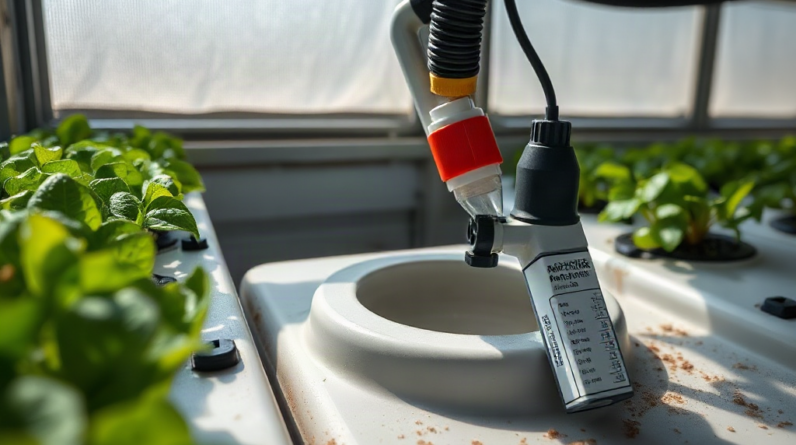
Proper maintenance is vital for the success of any indoor hydroponic system. Regularly check nutrient levels and pH to ensure optimal growing conditions. This can prevent nutrient deficiencies and ensure healthy plant growth. Many hydroponic gardeners recommend using a pH meter and nutrient test kits to keep track of these essential factors.
It’s also important to clean your system regularly. Algae and bacteria can build up in hydroponic systems, leading to plant health issues. Establish a cleaning schedule to maintain system hygiene and avoid contamination that can affect plant growth.
Finally, be prepared to adjust your approach based on plant responses. If you notice stunted growth or discoloration, it may be time to reevaluate your nutrient mix or environmental conditions. Adapting to your plants’ needs can significantly enhance your indoor gardening experience.
Further Reading
Authoritative Sources
- Ready.gov
ready.govOfficial U.S. preparedness guidance, checklists, and planning resources for households and emergencies.
- FEMA
fema.govFederal emergency management resources, disaster planning information, and recovery guidance.
- American Red Cross Emergency Preparedness
redcross.orgPractical emergency preparation steps, supply lists, and safety guidance for families.
- National Weather Service
weather.govOfficial forecasts, hazard alerts, and weather safety information.
- CDC Emergency Preparedness and Response
cdc.govPublic health guidance for emergencies, disasters, and recovery situations.
Frequently Asked Questions
What plants are best for indoor hydroponic systems?
Leafy greens, herbs, and small fruiting plants like strawberries are ideal for indoor hydroponic systems due to their relatively short growth cycles and manageable space requirements.
How much space do I need for a hydroponic system?
Space requirements vary by system type; compact systems can fit in small areas, while larger setups need more room for plants and equipment. Assess your space before selecting a system.
How often should I check nutrient levels?
Nutrient levels should be checked at least once a week to ensure optimal plant growth and prevent nutrient deficiencies or toxicities.
Can I use tap water for hydroponics?
Tap water can be used, but it’s essential to test its pH and nutrient content. Some tap water contains chlorine or minerals that may affect plant growth.
What is the cost of starting a hydroponic system?
Starting costs vary based on system type and size, ranging from 0 for basic setups to several hundred dollars for advanced systems. Factor in ongoing expenses for nutrients and maintenance.
Conclusion
In conclusion, selecting the best indoor hydroponic system requires careful consideration of your gardening goals, available space, and maintenance preferences. By understanding the unique characteristics of different systems and avoiding common mistakes, you can create a productive and rewarding indoor garden. Prioritize proper maintenance and monitoring to ensure healthy plant growth, and don’t hesitate to adapt your approach based on your plants’ needs. With the right system and care, indoor hydroponics can yield impressive results.