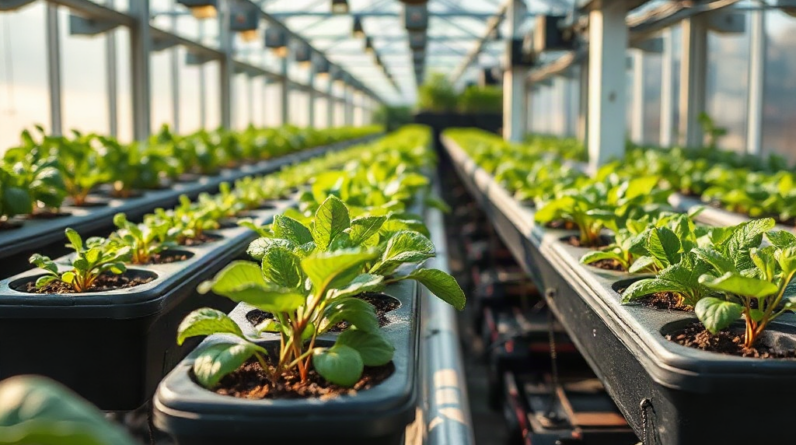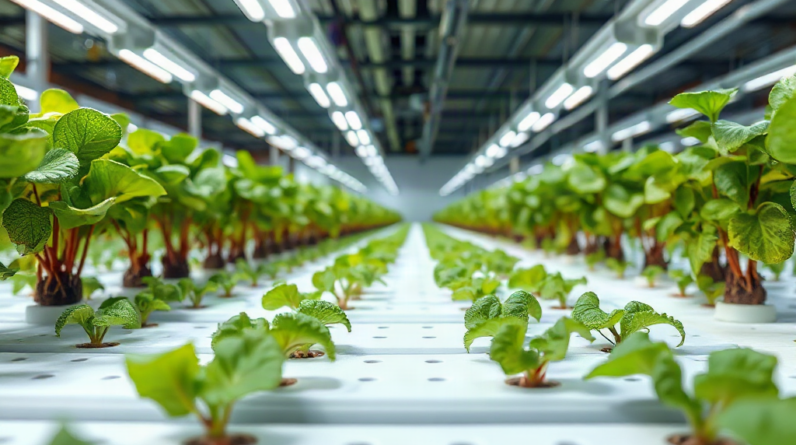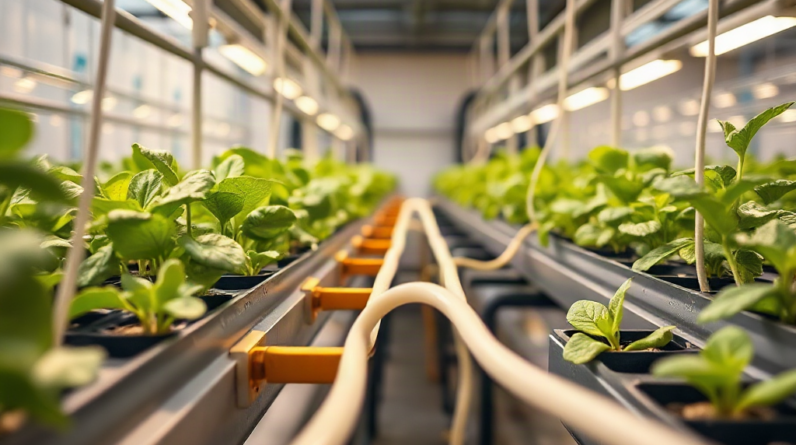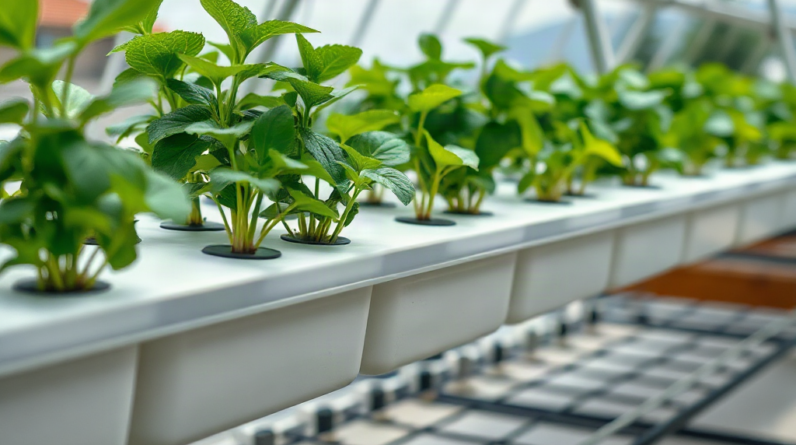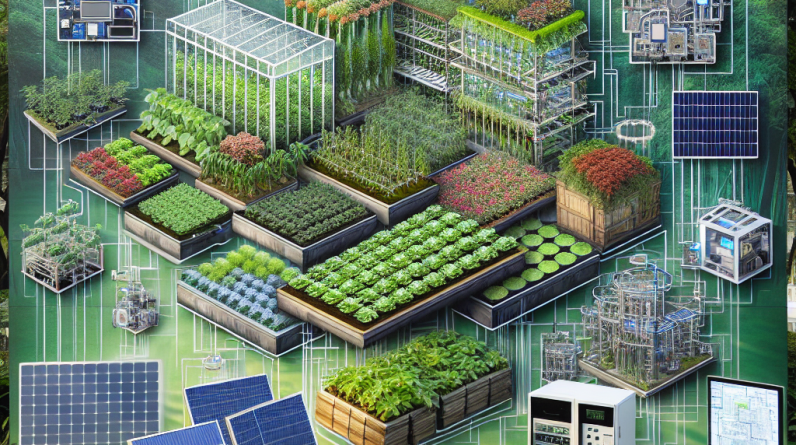
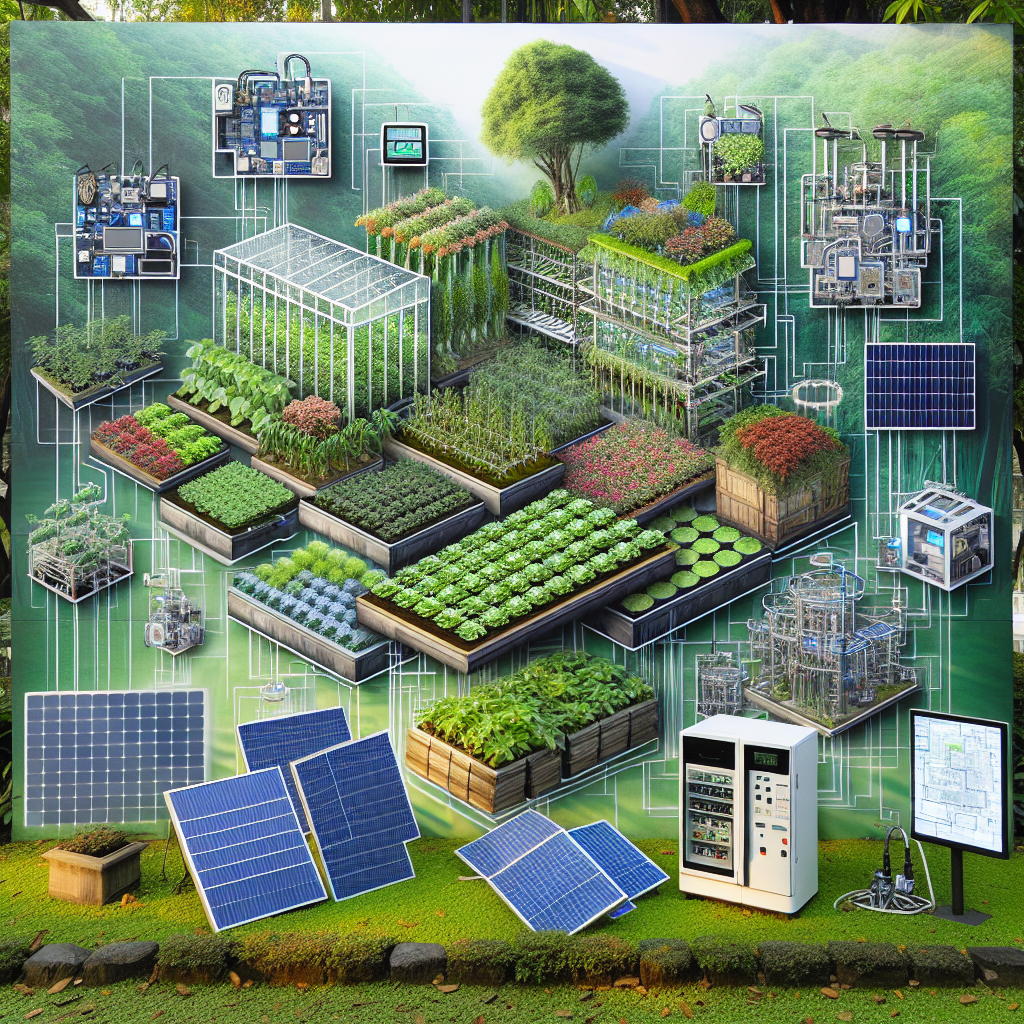
When considering an indoor vertical hydroponic kit, it’s essential to understand the specific components that contribute to its effectiveness. These systems can vary significantly in size, complexity, and function. Beginners often overlook the importance of selecting the right setup that matches their available space and the types of plants they wish to grow. Additionally, understanding the maintenance requirements and optimal conditions for the plants is crucial for a successful yield.
One common mistake is underestimating the importance of light. Plants in a vertical hydroponic system require adequate light to photosynthesize. Insufficient light can lead to stunted growth and poor yields. Therefore, choosing grow lights that provide the correct spectrum and intensity is vital. Furthermore, monitoring water quality and nutrient levels is essential, as these factors directly impact plant health and productivity.
Essential Components of an Indoor Vertical Hydroponic Kit
The foundation of any successful indoor vertical hydroponic kit lies in its essential components. These typically include a vertical growing structure, a reservoir for nutrient solutions, a pump for water circulation, grow lights, and a growing medium. Each component plays a critical role in ensuring optimal growth conditions for plants.
When selecting a kit, consider the size and type of the vertical structure. Systems can range from simple shelving units to complex towers. The choice of growing medium—such as rock wool, clay pellets, or coconut coir—can also significantly affect plant growth. Additionally, the pump’s capacity should match the system’s size to ensure efficient water circulation.
Investing in quality grow lights is paramount. LED grow lights are often recommended for their energy efficiency and ability to provide the necessary light spectrum for plant growth. Remember, the right components not only enhance plant health but also simplify maintenance and increase overall productivity.
Setting Up Your Indoor Vertical Hydroponic Kit
Setting up your indoor vertical hydroponic kit involves a series of careful steps to ensure that everything functions efficiently. Begin by choosing a suitable location that provides adequate airflow and access to electricity for your grow lights and pumps.
Next, assemble the vertical structure and install the grow lights at the appropriate height. Follow the manufacturer’s instructions for setting up the nutrient reservoir and connecting the pump to the irrigation system. Once everything is in place, fill the reservoir with water and add the necessary nutrients, ensuring to follow the recommended dosages for your specific plants.
Finally, after planting your seeds or seedlings, monitor the system closely for the first few weeks. Adjust the water and nutrient levels as needed and keep an eye on the light exposure to ensure optimal growth conditions. Regular maintenance checks will help you catch any issues early, providing a smoother growing experience.
Common Mistakes and How to Avoid Them
Many beginners face challenges when using an indoor vertical hydroponic kit, often due to common mistakes. One prevalent issue is overwatering, which can lead to root rot. It’s crucial to ensure that the growing medium allows for proper drainage and aeration.
Another mistake is neglecting the nutrient solution. Plants require a balanced mix of nutrients for healthy growth. Regularly testing the pH and nutrient levels can prevent deficiencies or toxicities that might hinder plant development. Additionally, some growers fail to adjust the lighting according to the growth stages of their plants, which can lead to poor yields.
To avoid these pitfalls, establish a routine for monitoring your system. Keeping a log of your nutrient levels, pH, and plant growth can help identify patterns and prevent recurring issues. Prioritize understanding the needs of the plants you are cultivating to tailor your approach effectively.
Plant Selection for Hydroponic Systems
Choosing the right plants for your indoor vertical hydroponic kit is vital for maximizing productivity. Leafy greens, herbs, and small fruiting plants are often the best candidates for hydroponic systems due to their relatively short growth cycles and lower nutrient demands.
Common choices include lettuce, spinach, basil, and strawberries. These plants thrive in hydroponic environments and can yield significant returns in a short period. However, it’s essential to consider the growth habits of each plant type. For instance, larger plants may require more space and light than smaller herbs.
To enhance your success, research the specific growth requirements of each plant type. Understand their light, nutrient, and water needs to create an optimal environment for them to flourish. This tailored approach will ensure a bountiful harvest from your indoor vertical hydroponic kit.
Further Reading
Authoritative Sources
- MedlinePlus
medlineplus.govConsumer-friendly medical and health information from the U.S. National Library of Medicine.
- National Institutes of Health
nih.govResearch-based health information and links to authoritative medical resources.
- Centers for Disease Control and Prevention
cdc.govOfficial public health guidance, prevention resources, and topic-specific recommendations.
- Mayo Clinic
mayoclinic.orgTrusted clinical guidance, symptom explainers, and treatment overviews.
- World Health Organization
who.intGlobal health guidance, fact sheets, and evidence-based public health information.
Frequently Asked Questions
What is the average cost of an indoor vertical hydroponic kit?
The cost can vary significantly based on the size and complexity, typically ranging from 0 to over ,000.
How often should I change the nutrient solution?
It’s recommended to change the nutrient solution every 1-2 weeks to maintain optimal plant health.
Can I grow flowers in a vertical hydroponic system?
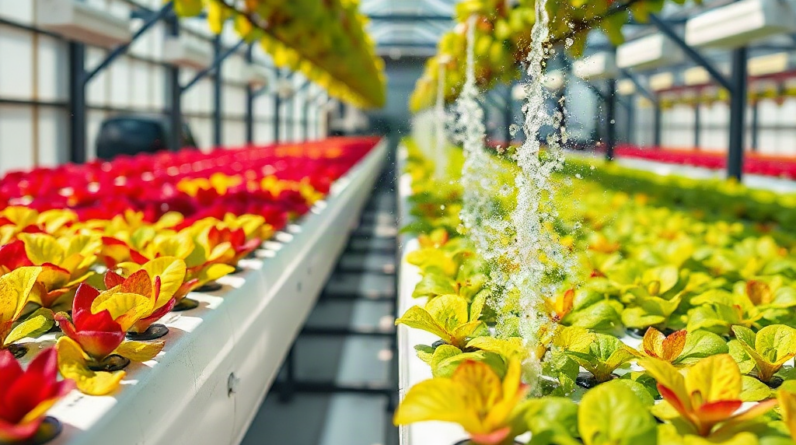
Yes, many types of flowers can be successfully grown in a hydroponic system, though they may have different nutrient and light requirements.
What are the best plants for beginners in hydroponics?
Leafy greens like lettuce and herbs such as basil are ideal for beginners due to their ease of growth and quick harvest times.
How do I monitor pH levels in my hydroponic system?
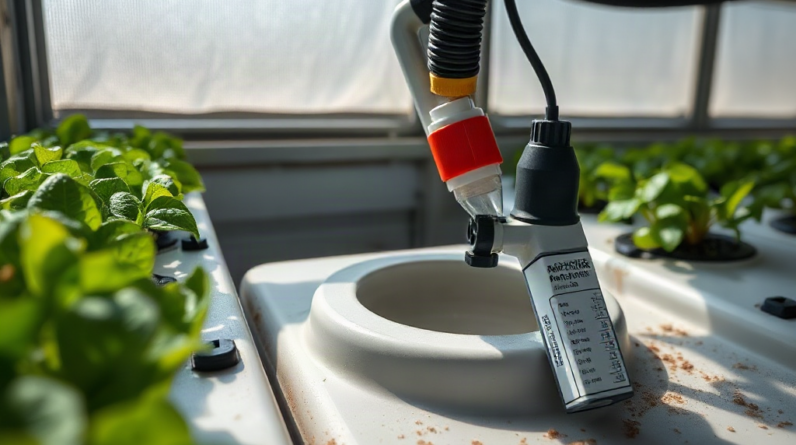
Use a pH meter or test strips specifically designed for hydroponic solutions to regularly check and adjust pH levels.
Conclusion
Successfully using an indoor vertical hydroponic kit requires careful planning and attention to detail. Prioritize selecting the right components, understanding plant needs, and maintaining optimal conditions for growth. Regular monitoring and routine adjustments will help you avoid common pitfalls and ensure a productive harvest. With the right approach, your indoor vertical hydroponic system can thrive, providing fresh produce year-round.