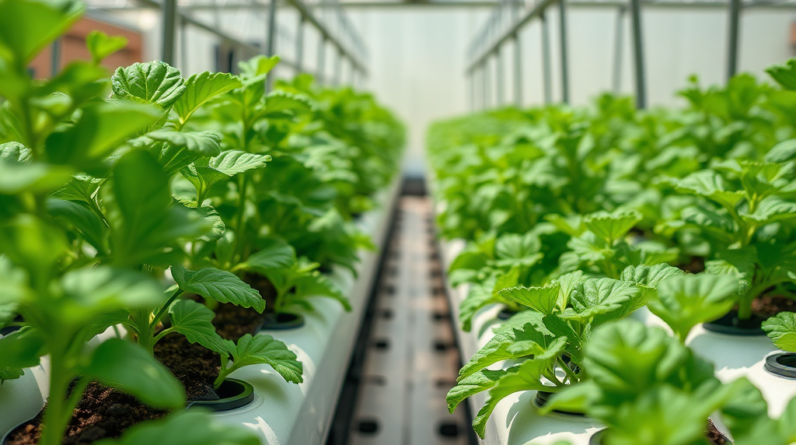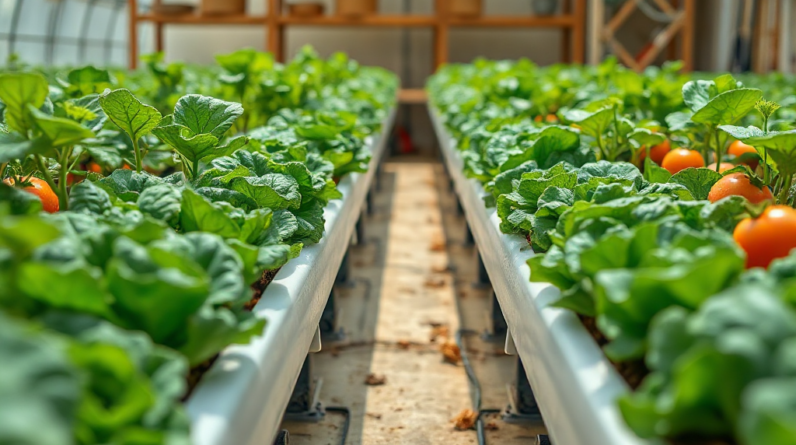
When setting up a hydroponic planter system, understanding the specific requirements for different plant types is crucial. Factors such as light, temperature, and nutrient solutions play a significant role in determining the system’s success. Common mistakes include over-fertilization, improper pH levels, and inadequate light exposure, which can hinder plant growth and yield.
Additionally, choosing the right hydroponic system is essential. There are various types, including deep water culture, nutrient film technique, and aeroponics, each with its advantages and disadvantages. Beginners often overlook the importance of system maintenance and monitoring, which are vital for sustaining plant health over time.
Understanding Hydroponic Systems
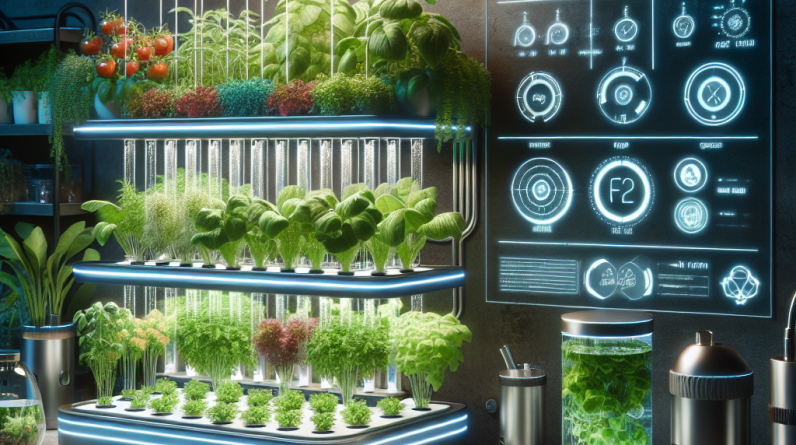
Hydroponic systems are innovative agricultural methods that allow plants to grow without soil, using a nutrient-rich water solution instead. This method supports optimal growth conditions by providing plants with direct access to nutrients, oxygen, and water. Hydroponics can be applied in various settings, from home gardens to large commercial farms, making it a versatile option for growers.
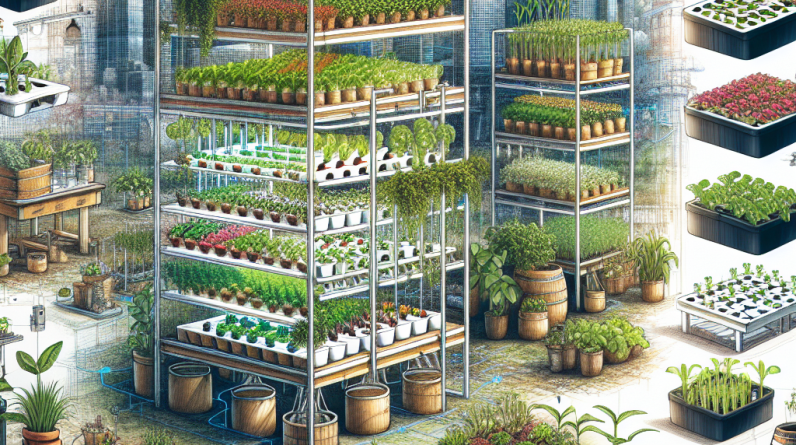
Each hydroponic system has its unique characteristics, such as the way it delivers nutrients and manages water. For instance, deep water culture involves suspending plant roots in a nutrient solution, while nutrient film technique utilizes a thin film of nutrient solution flowing over the roots. Understanding these differences can help determine which system aligns best with your gardening goals.
It’s essential to recognize that while hydroponic systems can yield impressive results, they require careful monitoring of environmental factors like pH levels, nutrient concentration, and water temperature. Neglecting these aspects can lead to suboptimal growth and increased vulnerability to diseases.
Benefits of Hydroponic Planter Systems
Hydroponic planter systems offer numerous advantages over traditional soil-based gardening. One of the most significant benefits is the potential for increased crop yields. By controlling growing conditions more precisely, growers can achieve faster growth rates and produce larger harvests in a smaller space.
Another key advantage is resource efficiency. Hydroponics typically use less water than conventional farming methods, as the water in these systems can be recirculated and reused. This is particularly important in regions facing water scarcity. Additionally, hydroponics reduces the risk of soil-borne pests and diseases, lowering the need for pesticides and promoting healthier crops.
Moreover, hydroponic systems can be set up indoors or outdoors, allowing for year-round growing regardless of climate conditions. This flexibility opens up new opportunities for urban farming and can lead to fresher produce for consumers.
Setting Up Your Hydroponic Planter System
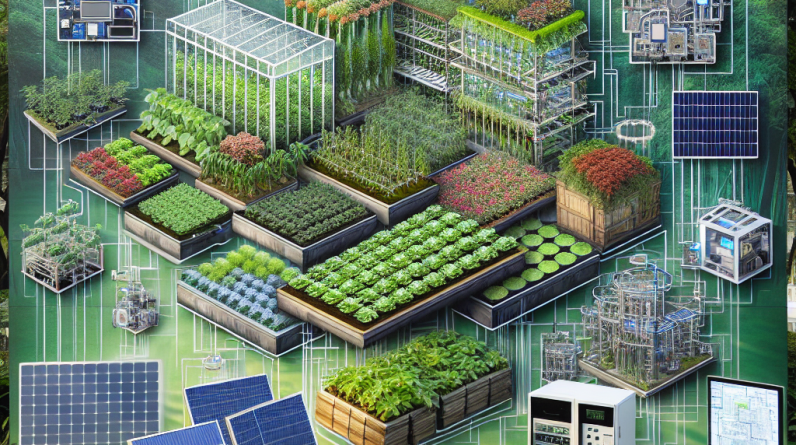
Setting up a hydroponic planter system involves several key steps. First, determine the type of hydroponic system that best suits your needs and available space. Options include systems like the Kratky method, which is simple and requires minimal equipment, or more complex systems like aeroponics.
Once you’ve selected a system, gather the necessary components, including a reservoir, growing medium, pump, and nutrient solution. Ensure that your setup includes adequate lighting, as plants require specific light spectrums for optimal photosynthesis. LED grow lights are a popular choice due to their efficiency and low heat output.
After assembling the system, it’s crucial to monitor water levels, pH, and nutrient concentrations regularly. This ongoing maintenance helps prevent potential issues and supports healthy plant growth. Consider documenting your observations to identify patterns and make informed adjustments over time.
Common Mistakes and How to Avoid Them
Many beginners make common mistakes when starting with hydroponic planter systems. One frequent error is not maintaining proper pH levels, which can hinder nutrient absorption by plants. Regularly testing the pH of your nutrient solution is vital for ensuring optimal growth.
Another mistake is over-fertilization, which can lead to nutrient burn and damage plant roots. It’s essential to follow recommended guidelines for nutrient concentrations and to adjust based on the specific needs of your plants. Additionally, inadequate light is a common issue, especially for indoor setups. Ensure your plants receive the appropriate light duration and intensity for their growth stage.
Lastly, neglecting system maintenance can lead to problems such as algae growth or equipment malfunction. Regularly inspect and clean your system components to promote a healthy growing environment and prevent costly repairs.
Frequently Asked Questions
What plants are best suited for hydroponic systems?
Leafy greens like lettuce, herbs, and certain vegetables such as tomatoes and cucumbers thrive in hydroponic systems.
How often should I change the nutrient solution?
It’s advisable to change the nutrient solution every 1-2 weeks to maintain optimal nutrient levels and prevent imbalances.
Can I use tap water for my hydroponic system?
Tap water can be used, but it should be tested for pH and chlorine levels, which may need to be adjusted before use.
What are the signs of nutrient deficiency in plants?
Common signs include yellowing leaves, stunted growth, and poor fruit development. Regular monitoring can help identify issues early.
Is hydroponics more expensive than traditional gardening?
While initial setup costs can be higher, hydroponics can save money in the long run due to reduced resource use and higher yields.
Further Reading
Authoritative Sources
- USDA National Institute of Food and Agriculture
nifa.usda.govResearch and extension resources related to agriculture, plants, soil, and food systems.
- Extension Foundation Gardening Resources
extension.orgUniversity extension education resources for practical gardening and home agriculture topics.
- USDA Natural Resources Conservation Service
nrcs.usda.govSoil, water, conservation, and land management resources for practical growing decisions.
Conclusion
Hydroponic planter systems present a revolutionary approach to gardening that maximizes space and resources while delivering impressive yields. Understanding the fundamentals of hydroponics, including system types, benefits, and common pitfalls, is essential for success. By prioritizing proper setup and maintenance, you can cultivate a thriving hydroponic garden that meets your goals, whether for personal use or commercial production. Embrace this innovative method to enhance your gardening experience and contribute to sustainable food practices.
Related Content
- How to Prepare for Hydroponic Gardening Challenges: Essential Steps and Common Mistakes
- Hydroponics for Beginners: Avoid These Mistakes
- How to Use Automation to Improve Hydroponic Efficiency
- 10 Powerful Tips for Growing Hydroponic Herbs Indoors in 2025
- Beginner Hydroponic Vegetables: Essential Varieties and Growing Techniques