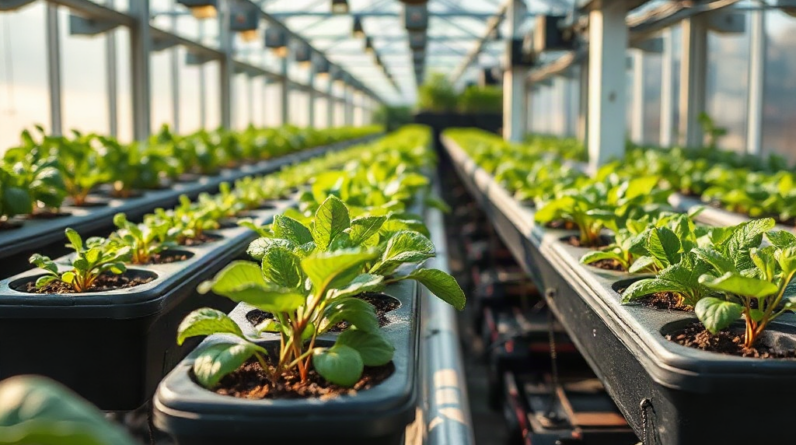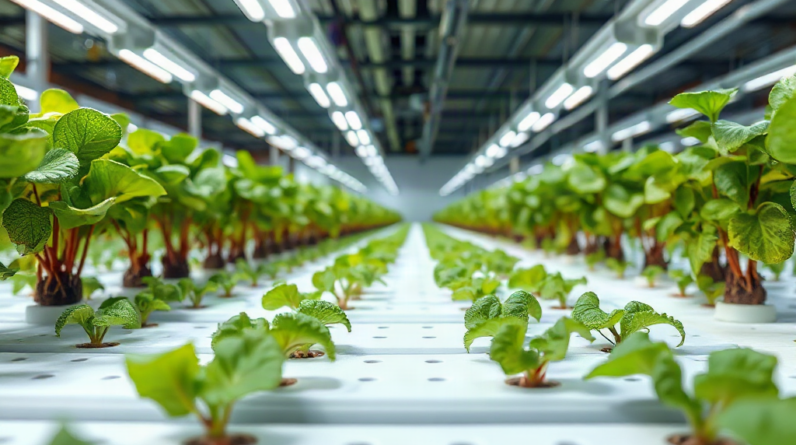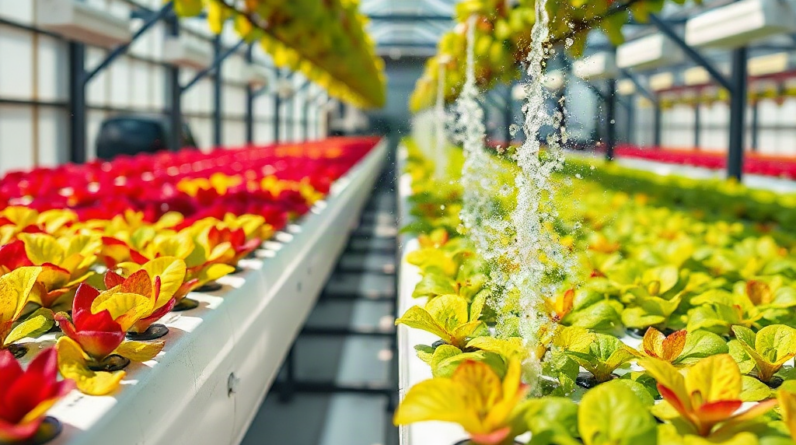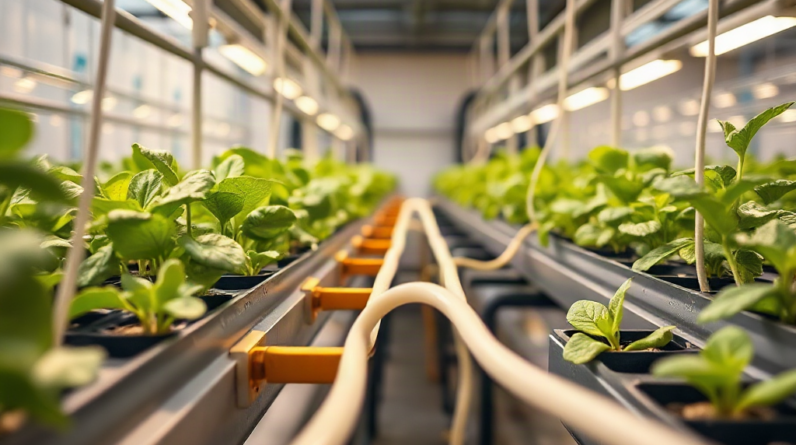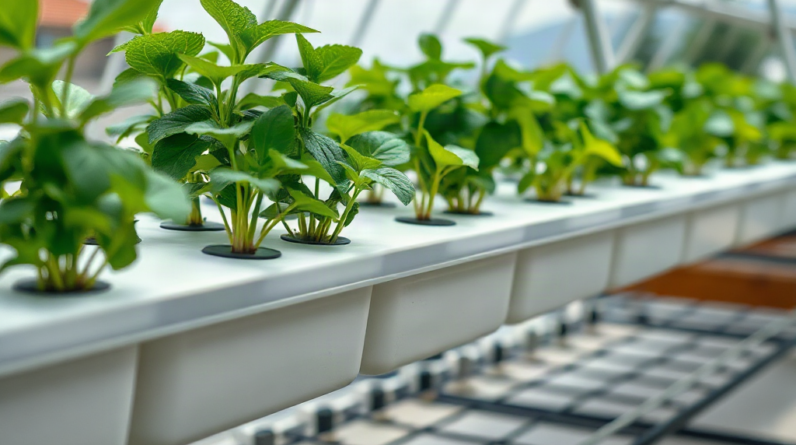
Beginner hydroponic vegetables such as lettuce, herbs, and tomatoes are excellent choices for those new to hydroponic gardening. These plants are relatively easy to grow and adapt well to hydroponic systems, making them perfect for beginners looking to gain experience. Lettuce, for instance, can grow quickly within a few weeks, while herbs like basil and cilantro offer aromatic rewards in a short time frame.
When starting your hydroponic journey, it’s crucial to prioritize light and nutrient management. Hydroponic systems rely on nutrient-rich water instead of soil, so understanding how to balance these elements is essential. Common mistakes include over- or under-fertilizing, which can lead to poor growth or even plant death. It’s also important to monitor pH levels, as this can significantly affect nutrient uptake.
To maximize your success, consider investing in proper lighting, such as LED grow lights, which provide the necessary spectrum for photosynthesis. Additionally, using a quality hydroponic nutrient solution tailored for the specific vegetables you choose will enhance growth and yield. As you gain experience, you can explore more complex systems and a wider variety of plants.
Choosing the Right Hydroponic System
Selecting the right hydroponic system is crucial for successful vegetable growth. Systems like deep water culture (DWC), nutrient film technique (NFT), and aeroponics each have unique advantages. DWC, for example, allows plants to sit directly in nutrient-rich water, promoting rapid growth.
For beginners, DWC is often recommended due to its simplicity and effectiveness. It requires minimal maintenance and allows for easy monitoring of water levels and nutrient concentration. As you become more familiar with hydroponics, you might explore other systems that offer different efficiencies or yield potentials.
Essential Vegetables for Beginners
When selecting vegetables for your hydroponic garden, focus on varieties that are known for their ease of growth. Leafy greens like lettuce and spinach are popular choices because they have short growth cycles and require less light compared to fruiting plants.
Herbs such as basil, parsley, and mint are also ideal, as they thrive in hydroponic environments and can be harvested continuously. Additionally, tomatoes and peppers can be grown hydroponically, but they may require more attention to light and nutrient management. Starting with these beginner-friendly options helps build confidence and understanding of the hydroponic process.
Common Mistakes to Avoid
New hydroponic gardeners often encounter a few common pitfalls that can hinder their success. One major mistake is failing to monitor water levels and nutrient concentrations, which can lead to nutrient deficiencies or toxicities.
Another common error is inadequate lighting. Plants require sufficient light to thrive, and without it, growth will be stunted. Ensure your system is equipped with appropriate grow lights that mimic natural sunlight. Regularly checking and adjusting pH levels is equally important, as imbalances can affect nutrient absorption.
Maintaining Optimal Growth Conditions
To ensure your hydroponic vegetables flourish, maintaining the right growth conditions is essential. This includes regulating temperature, humidity, and light exposure. Most leafy greens prefer temperatures between 65°F and 75°F, while fruiting plants like tomatoes thrive in slightly warmer conditions.
Humidity levels should also be monitored, as high humidity can lead to mold and disease. Aim for around 50-70% humidity for optimal growth. Regularly check your nutrient solution, ensuring it remains balanced and free of contaminants, to promote healthy plant development.
For those looking to expand their knowledge about hydroponic gardening, consider exploring official resources and publications dedicated to the topic. Websites like the National Gardening Association and local agricultural extensions often offer valuable information.
Frequently Asked Questions
What are the best vegetables for beginners in hydroponics?
The best vegetables for beginners include lettuce, herbs like basil and cilantro, and tomatoes, as they adapt well to hydroponic systems and grow quickly.
How long does it take to grow hydroponic vegetables?
Hydroponic vegetables like lettuce can be harvested in about 4-6 weeks, while tomatoes may take around 8-12 weeks, depending on the variety.
Do I need special lights for hydroponic gardening?
Yes, using grow lights, particularly LED lights, is recommended for hydroponic gardening to provide the necessary light spectrum for plant growth.
Can I use regular soil nutrients for hydroponics?
No, regular soil nutrients are not suitable for hydroponics. Hydroponic systems require specific nutrient solutions designed to be used in water without soil.
What is the ideal pH level for hydroponic vegetables?
The ideal pH level for most hydroponic vegetables is between 5.5 and 6.5, which allows for optimal nutrient uptake.
Further Reading
Authoritative Sources
- Hydroponic Gardening For Beginners: A How to Guide ...
amazon.comHydroponics: The Beginner's Guide to Learning The DIY Techniques to Start Growing Organic Vegetables and Design Your Sustainable Garden Without Soil at Home.
- Indoor Hydroponic Gardens | Beginner's Starter Guide
nutraponics.comLearn how to set up an indoor hydroponic garden step by step. Easy instructions for beginners to grow vegetables, herbs, and fruits indoors.
- Hydroponics for beginners | CANNA Australia & New ...
canna.com.auThe nutrient film technique is fabulous for growing shallow-rooted, fast-growing plants like herbs, spinach, radishes and leafy greens. It ...
- A Beginner's Guide To Hydroponics - Rachel Lee - Medium
runnerrachel-lee.medium.comHow to design, build and operate a small hydroponics farm [from an urban farmers who grows over 800 heads of lettuce a year]. Rachel Lee.
Conclusion
In summary, starting with beginner hydroponic vegetables like lettuce, herbs, and tomatoes can set you up for success in hydroponic gardening. Focus on selecting the right system, maintaining optimal growth conditions, and avoiding common mistakes. With the proper care and attention, you can enjoy a thriving hydroponic garden that yields fresh produce year-round. As you gain experience, consider expanding your repertoire of plants to include more challenging varieties.