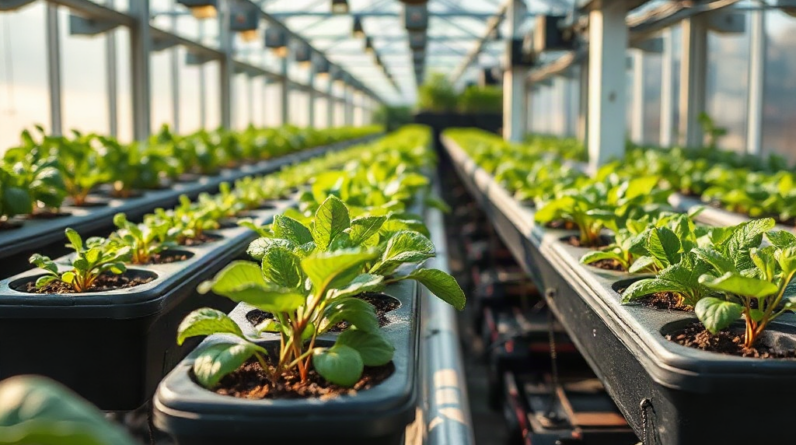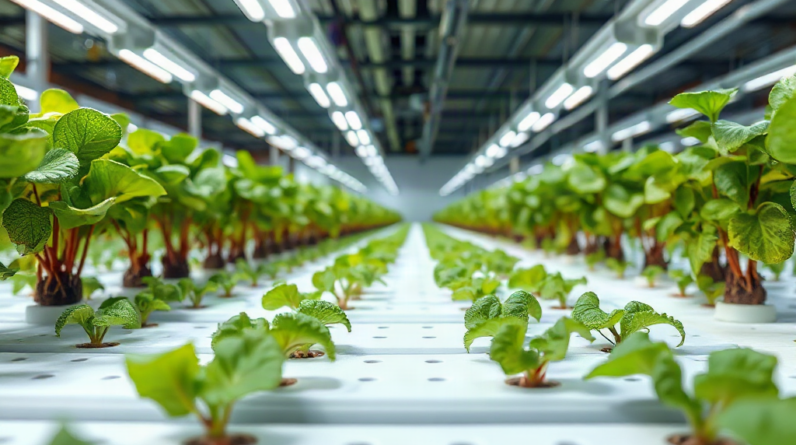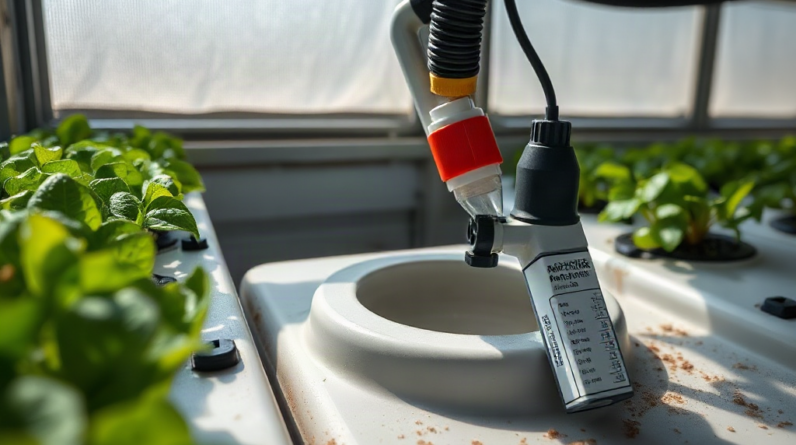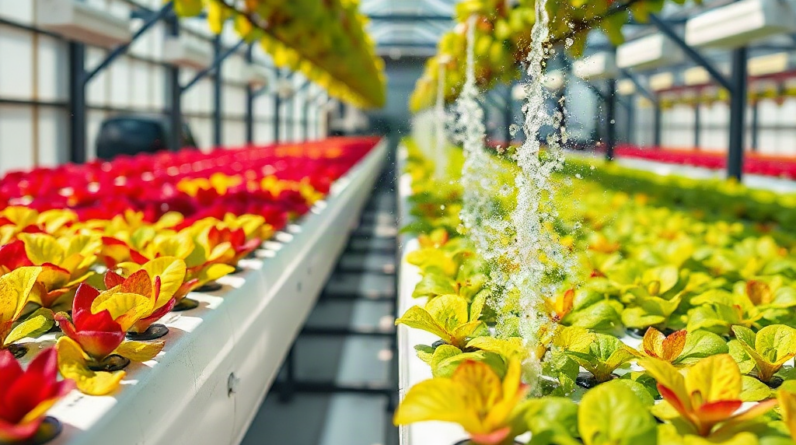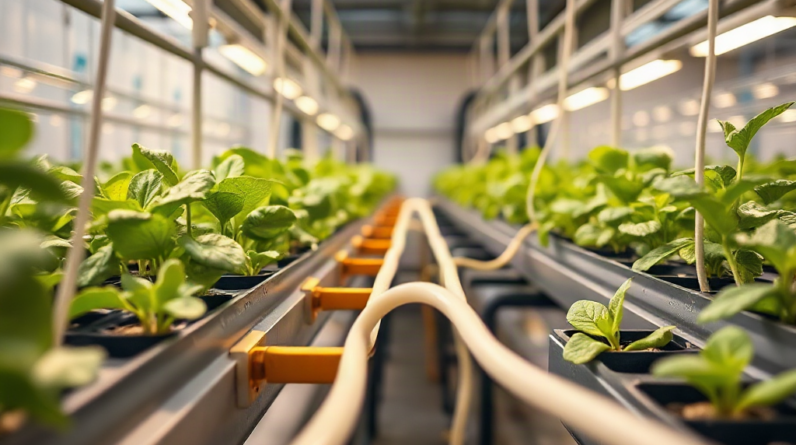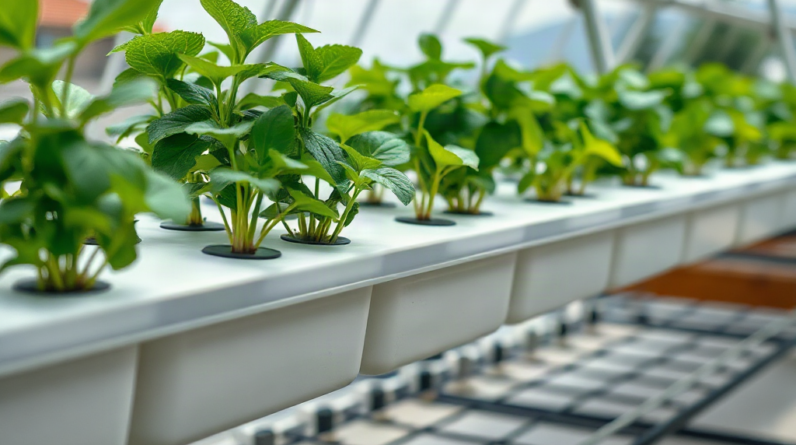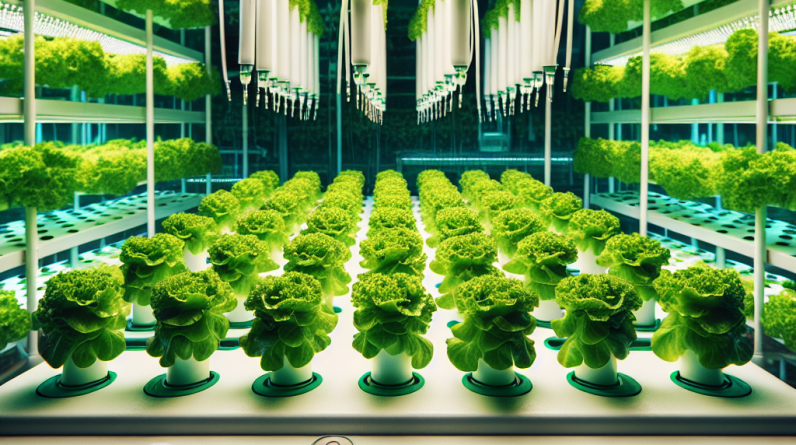
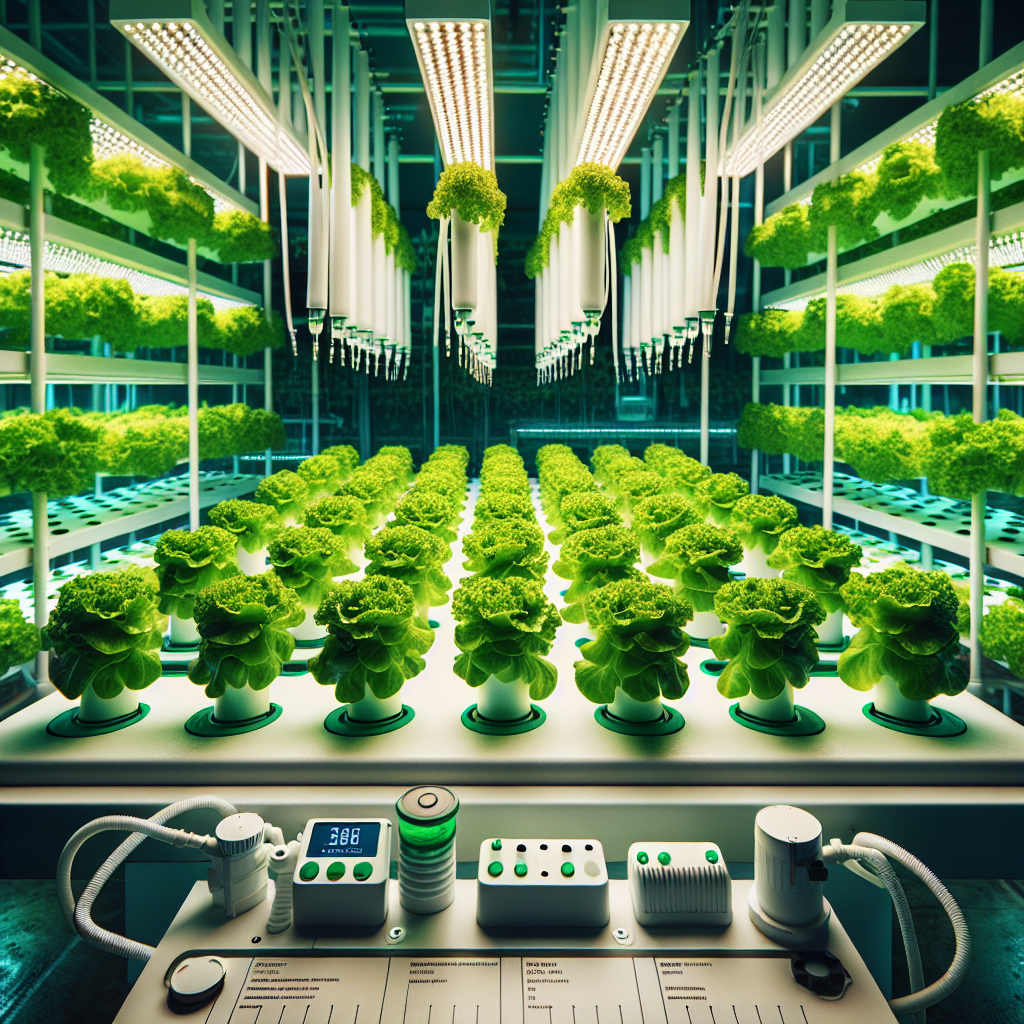
Hydroponic climate control is crucial for achieving optimal plant growth in a soilless environment. By effectively managing temperature, humidity, light, and air circulation, growers can create ideal conditions that promote healthy plant development and maximize yields. Each of these factors plays a significant role in the overall health of the plants, influencing everything from photosynthesis to nutrient uptake.
Inadequate climate control can lead to various issues including stunted growth, pest infestations, and diseases. For instance, high humidity can create a breeding ground for mold, while low temperatures can slow down plant metabolism. Therefore, understanding the specific needs of the plants being grown is essential for successful hydroponic gardening. Growers should regularly monitor environmental conditions and make adjustments based on the growth stage of their plants.
Temperature Management
Temperature management is one of the most critical aspects of hydroponic climate control. Plants generally thrive within specific temperature ranges depending on their species. For example, most leafy greens prefer temperatures between 65°F to 75°F (18°C to 24°C), while fruiting plants may require slightly warmer conditions. Maintaining the correct temperature is essential to ensure efficient photosynthesis and growth.
Failure to regulate temperature can lead to stress, which adversely affects plant health. For instance, excessive heat can cause wilting and reduced yield, while cold temperatures can slow growth rates. Growers should use thermostats and environmental sensors to monitor and adjust temperatures as needed, ensuring a stable environment that supports plant development.
Humidity Control
Humidity levels in a hydroponic system play a vital role in plant transpiration and nutrient uptake. Ideally, humidity should be kept between 40% and 60% for most plants. High humidity can lead to mold and mildew, while low humidity can cause dehydration and stress.
To manage humidity effectively, growers can utilize dehumidifiers or humidifiers based on their environmental conditions. Regular monitoring with hygrometers helps track humidity levels, allowing for timely adjustments. Additionally, proper spacing between plants can enhance air circulation and reduce humidity buildup around foliage.
Light Requirements
Light is another essential factor in hydroponic climate control, as plants rely on it for photosynthesis. The type and duration of light exposure can significantly impact plant growth and yield. Most hydroponic setups use LED or fluorescent grow lights to provide the necessary light spectrum for various growth stages.
Understanding the specific light requirements of different plants is crucial. For instance, seedlings may require less intense light than mature plants. Growers should adjust light duration and intensity according to the growth stage, ensuring plants receive adequate light without causing stress or damage.
Air Circulation
Proper air circulation is vital for maintaining a healthy hydroponic environment. Good airflow helps regulate temperature and humidity, reducing the risk of fungal diseases and pests. It also ensures that plants receive sufficient carbon dioxide, which is essential for photosynthesis.
Growers can implement fans or ventilation systems to promote air movement throughout the growing area. Positioning fans strategically helps create a gentle breeze that circulates air without directly blasting plants, which can cause stress. Regularly checking air circulation and making adjustments as necessary contributes to a thriving hydroponic garden.
Frequently Asked Questions
What is hydroponic climate control?
Hydroponic climate control involves managing environmental conditions such as temperature, humidity, light, and air circulation to optimize plant growth in soilless systems.
Why is temperature important in hydroponics?
Temperature affects plant metabolism, photosynthesis, and overall health. Maintaining the right temperature range is crucial for optimal growth and yield.
How can I control humidity in my hydroponic system?
Humidity can be controlled using dehumidifiers or humidifiers, along with regular monitoring using hygrometers to ensure optimal levels for plant health.
What light is best for hydroponic plants?
LED and fluorescent grow lights are commonly used in hydroponics, providing the necessary light spectrum and intensity for various growth stages of plants.
How does air circulation affect hydroponic plants?
Good air circulation helps regulate temperature and humidity, reduces the risk of diseases, and ensures plants receive adequate carbon dioxide for photosynthesis.
Conclusion
Effective hydroponic climate control is essential for achieving optimal plant growth and yield. By carefully managing temperature, humidity, light, and air circulation, growers can create an environment that supports healthy development and minimizes risks. Regular monitoring and adjustments based on plant needs will enhance the success of hydroponic systems, allowing for fruitful and sustainable gardening practices.