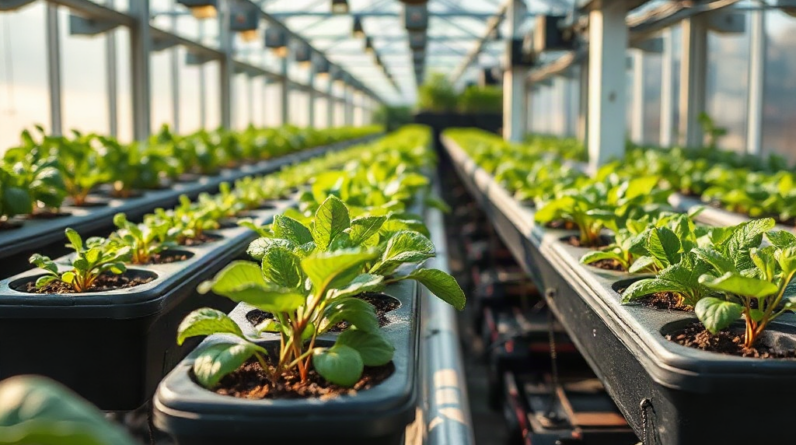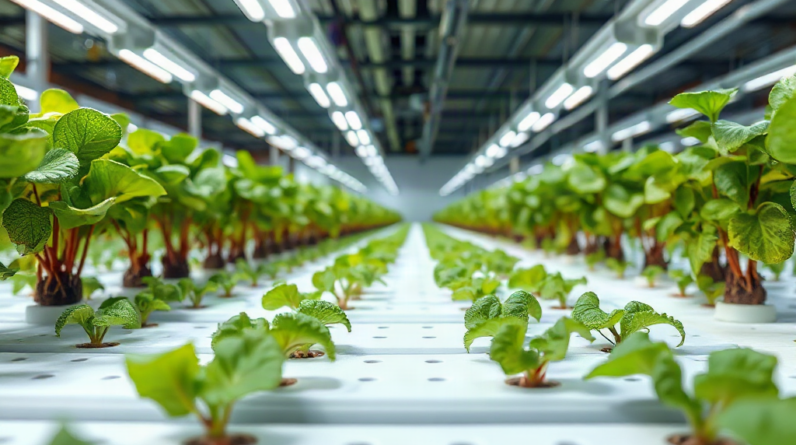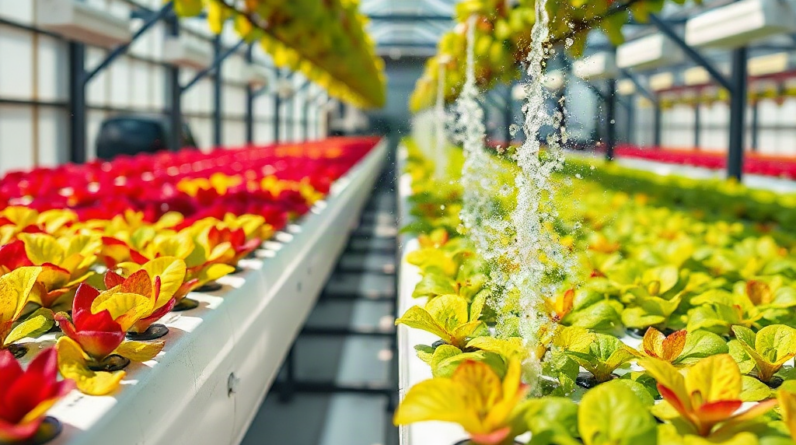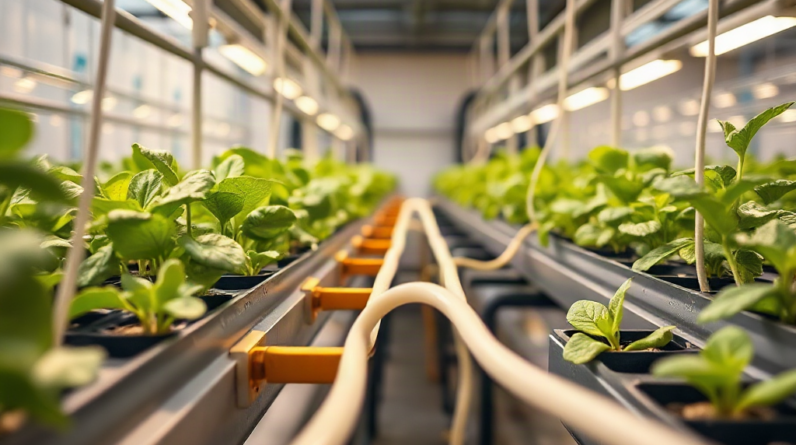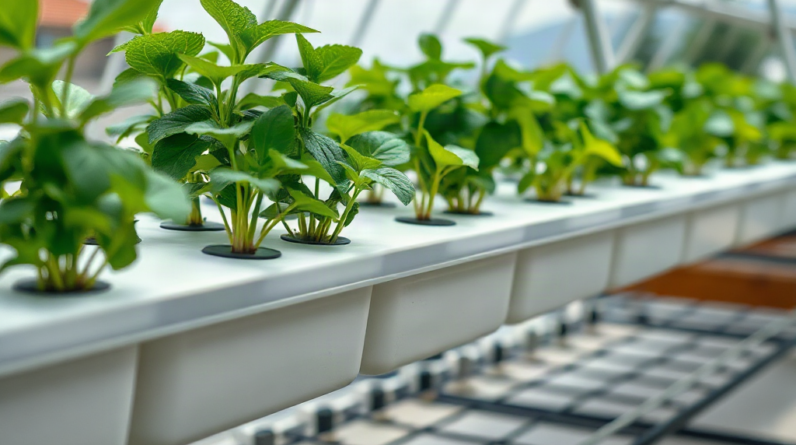
Understanding the specific needs of your plants is crucial in hydroponics. Factors like the type of hydroponic system (e.g., NFT, DWC, or aeroponics), nutrient composition, and light spectrum play vital roles in plant health and productivity. Many beginners make the mistake of underestimating the importance of these elements, leading to poor growth or crop failure. Prioritizing the right setup and equipment can significantly improve outcomes.
A common pitfall in grow room hydroponics is neglecting environmental factors. For instance, inadequate ventilation can lead to heat buildup and humidity issues, fostering mold and pests. It’s essential to monitor and adjust conditions continuously to create an optimal growing environment, ensuring your plants thrive.
Choosing the Right Hydroponic System
Selecting the appropriate hydroponic system is critical for success in grow room hydroponics. Common systems include Nutrient Film Technique (NFT), Deep Water Culture (DWC), and aeroponics. Each system has its advantages and disadvantages based on plant types, growth stages, and available space. For instance, DWC is ideal for fast-growing plants due to its oxygen-rich water, while NFT is efficient for leafy greens.
When choosing a system, consider factors such as the type of plants you want to grow, your budget, and the space available. Some systems are more suited for beginners, while others require more expertise and monitoring. Additionally, understanding the water and nutrient requirements of your chosen plants is vital for system selection.
Many beginners overlook the importance of system maintenance. Regularly checking nutrient levels, pH, and system cleanliness can prevent issues that might affect plant health. Investing time in learning about your system can lead to better growth outcomes.
Essential Equipment for Your Grow Room
To create an effective grow room, several pieces of equipment are essential. Key items include grow lights, a hydroponic system, pumps, a reservoir for nutrient solution, and environmental controls like fans and dehumidifiers. Grow lights simulate sunlight, providing the necessary spectrum for photosynthesis, while pumps circulate the nutrient solution.
Investing in quality equipment can significantly impact plant growth. For example, LED grow lights are energy-efficient and provide the right light spectrum for different growth stages. Additionally, timers and environmental sensors help automate processes, reducing the need for constant monitoring.
One common mistake is underestimating the power of ventilation. Proper airflow helps regulate temperature and humidity, preventing mold and pests. Ensure your grow room has adequate ventilation to maintain a healthy environment for your plants.
Setting Up Your Grow Room Environment
Creating a suitable environment for your grow room is crucial for the success of your hydroponic system. This involves controlling light, temperature, humidity, and CO2 levels. Ideally, plants require 12-18 hours of light daily, with temperature ranges between 68°F and 77°F (20°C to 25°C) for optimal growth.
Humidity levels should be maintained between 40-70% depending on the growth stage. Seedlings and young plants thrive in higher humidity, while mature plants benefit from lower levels. Monitoring these factors with sensors and adjusting them using fans, heaters, or humidifiers can create a conducive environment.
Many growers neglect the importance of CO2 levels, which are vital for photosynthesis. Increasing CO2 can enhance growth rates, particularly in tightly sealed environments. Consider CO2 enrichment strategies if you’re aiming for maximum yield.
Common Mistakes to Avoid
Several mistakes can hinder success in grow room hydroponics. One common error is overwatering or underwatering plants. Hydroponics eliminates soil, but plants still require a balanced water supply. Regularly check your system to ensure nutrient delivery is consistent.
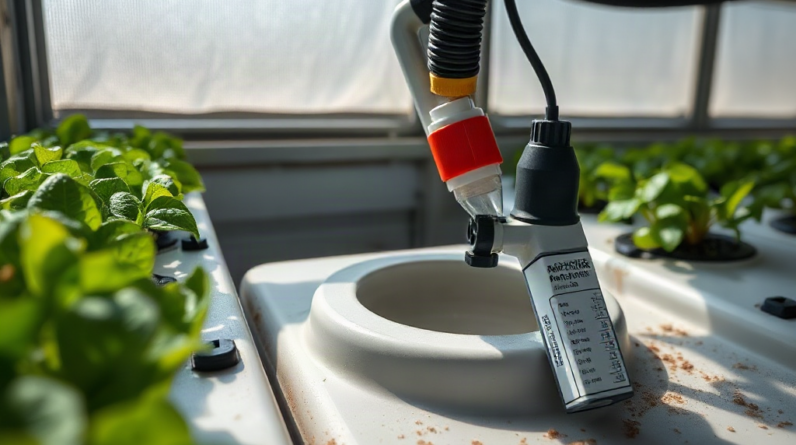
Another mistake is ignoring nutrient imbalances. Hydroponic systems require specific nutrient ratios, and deficiencies can lead to stunted growth or poor yields. Regularly testing your nutrient solution and adjusting as necessary is vital for healthy plant development.
Finally, many growers underestimate the importance of patience. Plants take time to grow, and rushing the process can lead to mistakes. Focus on nurturing your plants through their growth stages, ensuring they receive the correct care and environment.
Further Reading
Authoritative Sources
- Hydroponics Basics
hydroponics.comThis resource provides comprehensive insights into hydroponic systems and techniques
- Indoor Gardening Tips
gardeningknowhow.comA useful guide for setting up indoor gardening spaces, including hydroponics
- Cannabis Hydroponics
growweedeasy.comA detailed look at growing cannabis using hydroponic systems
Frequently Asked Questions
What is the best hydroponic system for beginners?
The Deep Water Culture (DWC) system is often recommended for beginners due to its simplicity and effectiveness in growing fast-growing plants.
How often should I change the nutrient solution?
It’s advisable to change the nutrient solution every 1-2 weeks to prevent nutrient imbalances and ensure optimal plant growth.
Can I grow any plant using hydroponics?
Most plants can be grown hydroponically, but leafy greens, herbs, and certain vegetables tend to thrive best in these systems.
What are the signs of nutrient deficiency in hydroponics?
Signs include yellowing leaves, stunted growth, and leaf curling. Regularly checking nutrient levels helps prevent these issues.
How do I maintain proper pH levels in my hydroponic system?
Regularly test the pH of your nutrient solution and adjust it using pH up or down solutions to keep it within the ideal range of 5.5 to 6.5.
Conclusion
Setting up a successful grow room hydroponics system requires careful planning and attention to detail. Begin by selecting the right hydroponic system and essential equipment, ensuring optimal environmental conditions for your plants. Avoid common mistakes like overwatering and nutrient imbalances to maximize your yields. By focusing on these key aspects, you can cultivate a thriving indoor garden that meets your growing ambitions.