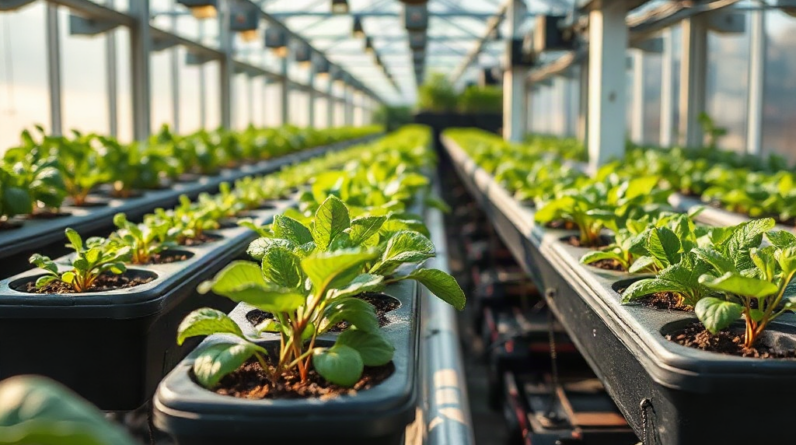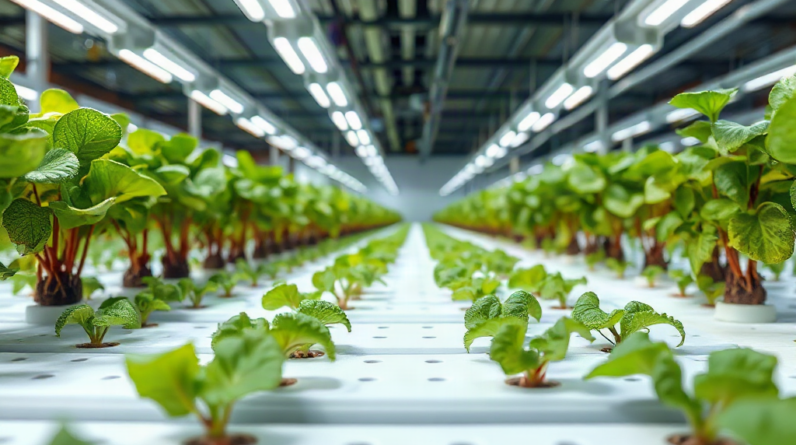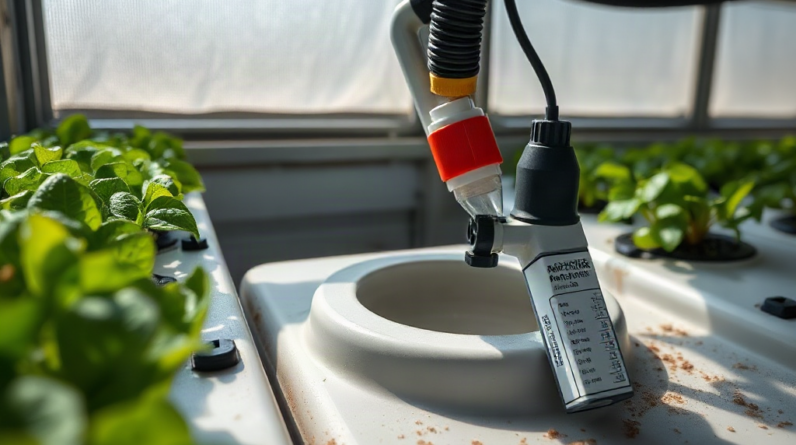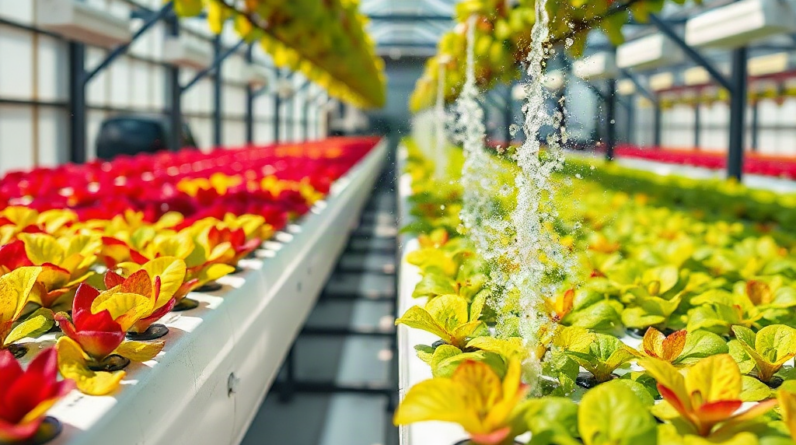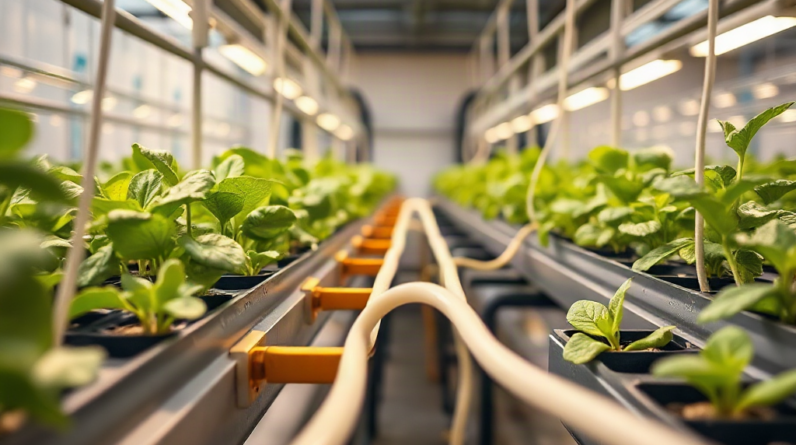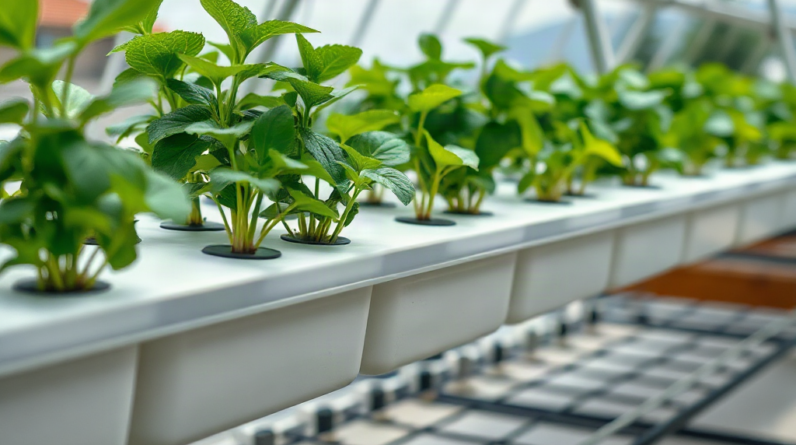
Hydroponic garden automation utilizes cutting-edge technologies to streamline the growing process, allowing for optimal conditions for plants. This includes automated systems for watering, nutrient delivery, and lighting, which significantly enhance plant growth and health. By automating these critical processes, gardeners can save time and ensure that their plants receive consistent care, ultimately leading to higher yields.
One of the most significant advantages of hydroponic garden automation is the reduction of human error. Manual monitoring and adjustments can lead to inconsistencies that affect plant health. Automated systems, such as sensors and controllers, provide real-time data and adjustments, ensuring that plants receive precisely what they need for optimal growth. Additionally, automation can help manage environmental factors such as temperature and humidity, which are vital for healthy plant development.
Another critical consideration is the initial investment in automation technology. While the upfront costs can be significant, the long-term benefits often outweigh these expenses. Automated systems can lead to reduced water and nutrient waste, lower labor costs, and increased productivity, making them a worthwhile investment for both hobbyists and commercial growers. Understanding the right balance between automation and manual intervention is essential for achieving the best results.
Key Components of Hydroponic Automation
The primary components of hydroponic automation include nutrient delivery systems, water management systems, and environmental control units. Nutrient delivery systems dispense the appropriate amount of nutrients at specific intervals, ensuring plants receive the necessary minerals for growth. Water management systems monitor moisture levels and adjust the water supply accordingly, preventing over or under-watering.
Environmental control units regulate temperature, humidity, and light levels, which are crucial for maintaining optimal growth conditions. These systems can be integrated with sensors that provide real-time data, allowing for precise adjustments. Smart gardeners often combine these components into a cohesive system that maximizes efficiency and productivity.
Benefits of Automating Your Hydroponic System
Automating your hydroponic system offers numerous benefits, including increased efficiency, reduced labor, and improved plant health. With automation, growers can spend less time on routine tasks and more time on higher-level management activities. This efficiency can lead to greater yields and better-quality produce.
Moreover, automation helps in maintaining consistent growing conditions, which is vital for plant health. By minimizing fluctuations in water and nutrient supply, plants can thrive without the stress of sudden changes. Additionally, automated systems can alert growers to issues before they become critical, allowing for timely interventions.
Common Mistakes in Hydroponic Automation
Despite the advantages, many growers make mistakes when implementing hydroponic automation. One common error is over-reliance on technology without proper monitoring. While sensors and controllers can provide valuable data, they are not infallible. Regular checks and maintenance of these systems are essential to avoid failures.
Another mistake is underestimating the importance of environmental factors. Automation can control many variables, but factors like light quality and airflow often require manual adjustments. Growers should ensure that their automated systems complement their overall growing strategy rather than replace critical hands-on practices.
Choosing the Right Automation Technology
When selecting automation technology for hydroponics, it’s essential to consider the scale of your operation and specific plant needs. There are various options available, from simple timers and basic sensors to advanced control systems that integrate multiple functions.
Smart gardeners should evaluate their budget, the complexity of their system, and the level of control they desire. Investing in high-quality equipment can lead to better performance and longevity, ultimately resulting in a more successful hydroponic setup.
Frequently Asked Questions
What is hydroponic garden automation?
Hydroponic garden automation refers to the use of technology to manage and optimize the growing conditions for plants in a hydroponic system, including automated watering, nutrient delivery, and environmental controls.
How does automation improve plant growth?
Automation ensures that plants receive consistent care by regulating water, nutrients, and environmental conditions, which leads to healthier plants and increased yields.
What are the key components of a hydroponic automation system?
Key components include nutrient delivery systems, water management systems, and environmental control units that work together to create optimal growing conditions.
What are common mistakes made in hydroponic automation?
Common mistakes include over-reliance on technology without proper monitoring and underestimating the importance of environmental factors that require manual adjustments.
How do I choose the right automation technology for my system?
Consider the scale of your operation, specific plant needs, budget, and the desired level of control when selecting automation technology for your hydroponic setup.
Further Reading
Authoritative Sources
- 5 Best Smart Hydroponics Systems for Beginners (2026)
onesmartcrib.comThis WiFi-connected hydroponic system features 21 pods, a 36W LED grow light, and auto-drip irrigation for fully automated indoor gardening.
- Best Indoor Hydroponic Grow System
sooperarticles.comIt allows total control over a growing environment and plant nutrition, and may often end in a better yield of higher quality fruits, vegetables, flowers, and ...
- 5 Innovative Solutions for Growing Fresh Produce Indoors
suchflowers.comInnovative systems like hydroponics enhance yield and minimize space usage. use up to 90% less water than traditional farming.
- Top Indoor Hydroponics Systems 2026
accio.comDiscover the best indoor hydroponics systems for home use in 2026. Explore top sellers, smart tech, and premium vertical gardens. Click to find your perfect ...
Conclusion
Hydroponic garden automation offers significant advantages for both amateur and professional growers. By investing in the right technologies, gardeners can optimize their growing conditions, reduce labor, and improve plant health. Prioritizing the integration of reliable systems while maintaining regular oversight can lead to successful hydroponic gardening. Embracing automation not only enhances efficiency but also opens up new possibilities for innovative growing techniques that can transform your gardening experience.