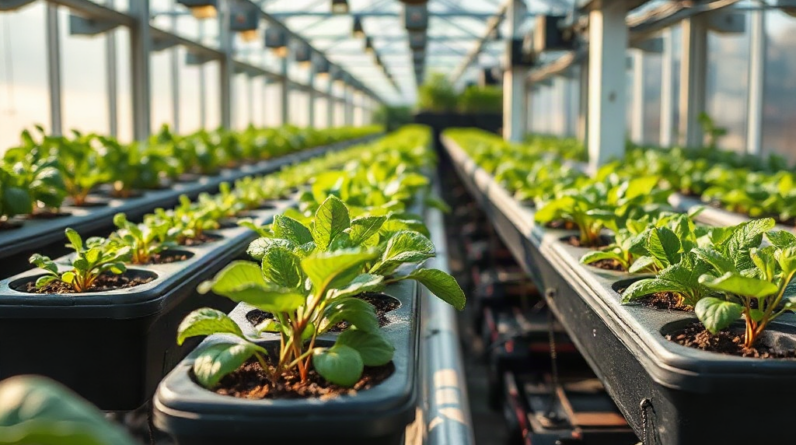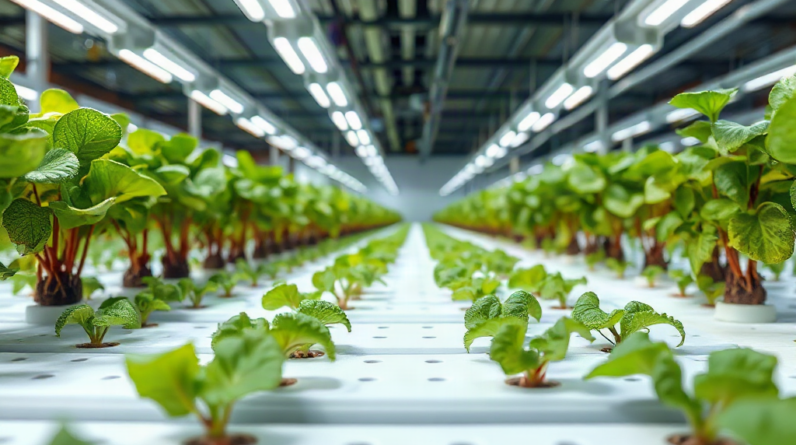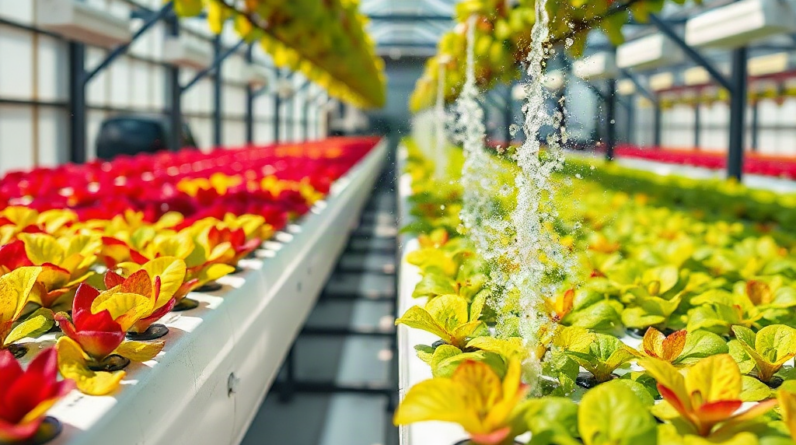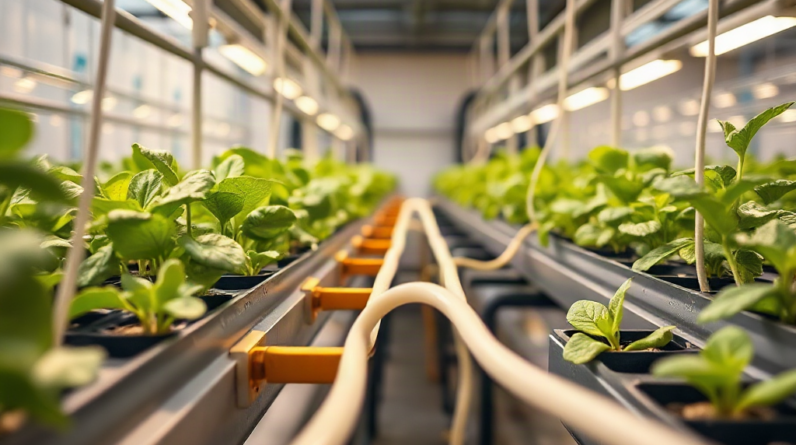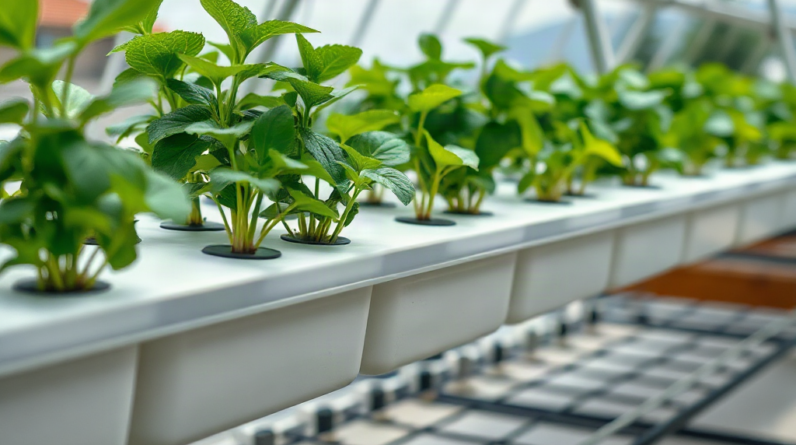
A hydroponic light schedule is essential for promoting optimal plant growth in a soilless environment. This schedule defines how long and when plants are exposed to light, impacting their photosynthesis and overall health. Different plants require varying light durations, with some thriving under long hours of light and others needing shorter exposure. Understanding these needs is crucial for successful hydroponic gardening.
Establishing the correct light schedule involves considering the type of plants being grown, their growth stages, and the specific lighting technology used. For instance, leafy greens may require 12-16 hours of light per day, while fruiting plants might thrive with 14-18 hours. Additionally, the intensity of light and the spectrum emitted by the grow lights play significant roles in plant development. Failing to provide the appropriate light conditions can lead to stunted growth, poor yields, or even plant death.
As plants progress from germination to flowering, their light needs may change. Adapting the light schedule accordingly is vital to ensure that plants receive the optimal conditions for each growth phase. For example, during the flowering stage, some plants benefit from longer light periods, while others may require a reduction in light to stimulate blooming. Monitoring plant response to light and making adjustments as needed will help maintain healthy growth.
Understanding Plant Light Requirements
Different plants have unique light requirements that can significantly impact their growth and yield. For instance, leafy greens generally prefer shorter light cycles compared to fruiting plants, which thrive under longer exposure. Knowing the specific needs of your plants will guide you in creating an effective light schedule.
To determine the right light duration, it is essential to consider factors such as the plant species, their growth stage, and the type of hydroponic system used. Some plants may show signs of stress if their light needs are not met, leading to reduced growth rates and poor health. Therefore, doing research on the specific light preferences of your plants is crucial for successful hydroponic gardening.
Setting Up Your Hydroponic Light Schedule
Creating a hydroponic light schedule starts with selecting the appropriate lighting system. LED grow lights are popular for their efficiency and spectrum control, making them suitable for various plant types. Once you have your lighting set up, you can begin to establish a schedule based on your plants’ needs.
Start by determining the total light hours required for your plant species. For example, many leafy greens thrive under 12-14 hours of light, while fruiting plants often need 16-18 hours. Use timers to automate the light cycles, ensuring consistent exposure that aligns with your plants’ growth stages. Regularly monitor plant health to make any necessary adjustments.
Common Mistakes in Light Scheduling
Many hydroponic gardeners make mistakes when setting their light schedules, often leading to suboptimal growth. One common error is providing too much or too little light. Excessive light can cause light burn, while insufficient light can hinder photosynthesis, leading to poor plant development.
Another mistake is failing to adjust the light schedule as plants grow. As plants transition from seedlings to mature stages, their light requirements often change. Neglecting to adapt the light schedule can result in stunted growth or reduced yields. Keeping a close eye on plant health and adjusting the schedule accordingly will help avoid these pitfalls.
Adjusting Light for Different Growth Stages
Plants undergo various growth stages, each with distinct light requirements. During the seedling stage, plants generally need less light, often around 12-14 hours per day. As they mature and enter the vegetative phase, light exposure can increase to 16-18 hours.
In the flowering stage, some plants may benefit from a reduction in light duration to encourage blooming. Adjusting the light schedule according to these growth stages is vital for maximizing yields and ensuring healthy development. Regularly assess plant responses to light changes and be prepared to make further adjustments as necessary.
Frequently Asked Questions
What is the ideal light schedule for hydroponic plants?
The ideal light schedule varies by plant type, but leafy greens typically require 12-14 hours, while fruiting plants may need 16-18 hours of light daily.
Can I use regular light bulbs for hydroponic growing?
Regular light bulbs are not suitable for hydroponic growing as they do not provide the necessary spectrum and intensity for plant growth. LED or fluorescent grow lights are better options.
How does light intensity affect plant growth?
Light intensity directly impacts photosynthesis rates. Insufficient intensity can lead to poor growth, while excessive intensity can cause light burn and stress.
Should I adjust the light schedule as my plants grow?
Yes, it is essential to adjust the light schedule according to your plants’ growth stages to optimize growth and yields.
What are the signs of light stress in plants?
Signs of light stress include yellowing leaves, leaf burn, and stunted growth. Monitoring these symptoms can help you adjust your light schedule effectively.
Further Reading
Authoritative Sources
- Time to Shine: Understanding Grow Light Schedule for ...
trimleaf.comHerbs and Leafy Greens: Require 14–18 hours of light for optimal growth. Fruiting Plants: Need 16–18 hours during the vegetative stage, with 12– ...
- Best Light Schedule for Hydroponic Vegetables
risegardens.comBoth do well on a 14–16 hour schedule. These are cool-temperature crops that don't need as intense a light dose as fruiting plants. Keeping them ...
- The Ultimate Indoor Grow Light Schedule: From Seed to ...
glowrium.comLight Duration: 12-14 hours of light per day is sufficient. A consistent dark period of 8-10 hours is just as important, as it allows the plant ...
- Understanding Light Cycles in Grow Kits: The Importance ...
acornhorticulture.comDuring the vegetative stage, plants require at least 18 hours of light per day to grow strong and healthy. This is the time when plants focus on growing leaves ...
Conclusion
In summary, establishing a proper hydroponic light schedule is crucial for the health and productivity of your plants. By understanding their specific light requirements and adjusting the schedule throughout different growth stages, you can maximize yields and promote robust growth. Regular monitoring and adjustments will ensure your hydroponic garden thrives under optimal conditions.