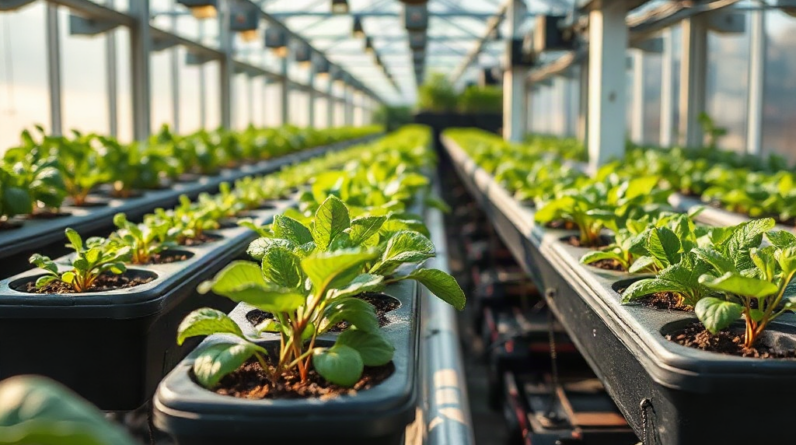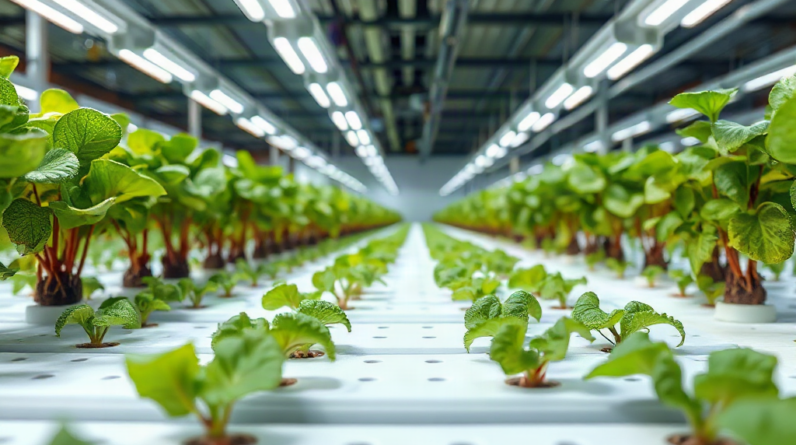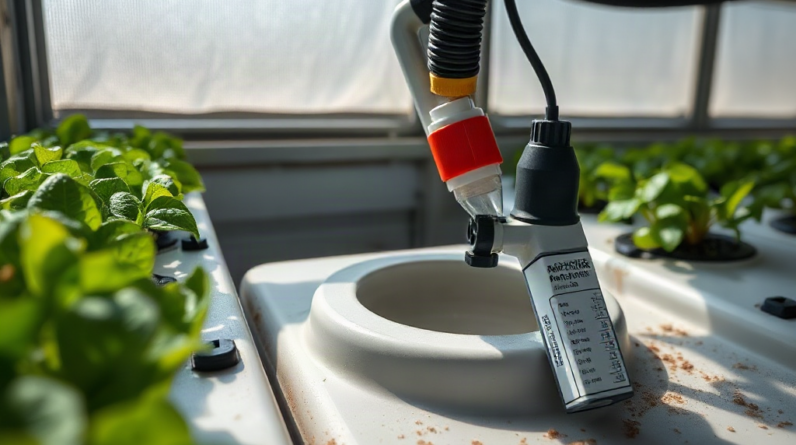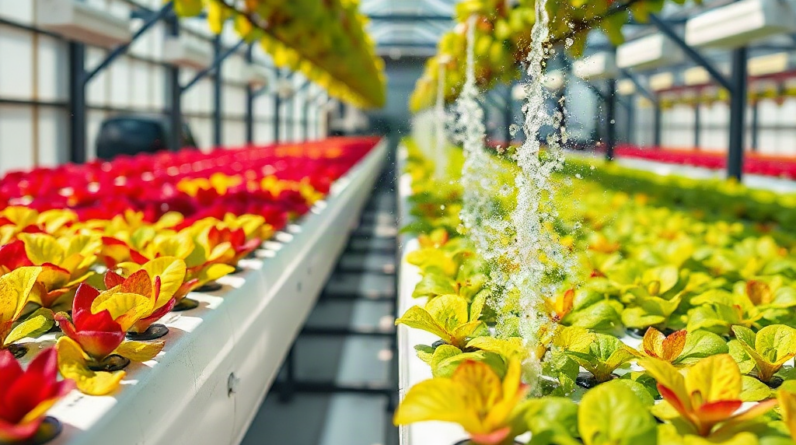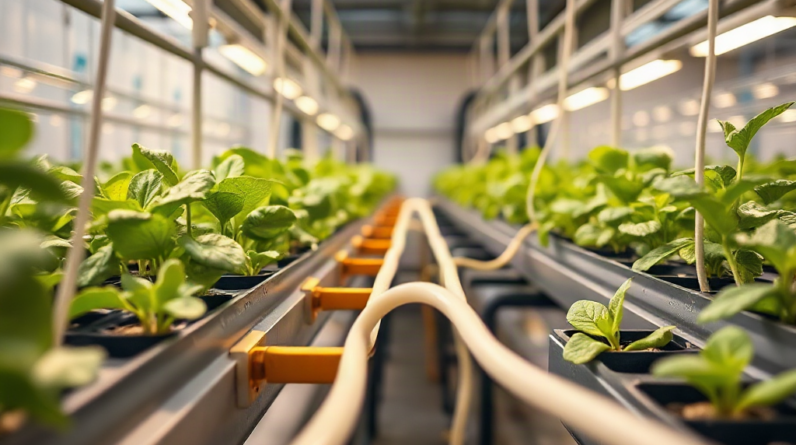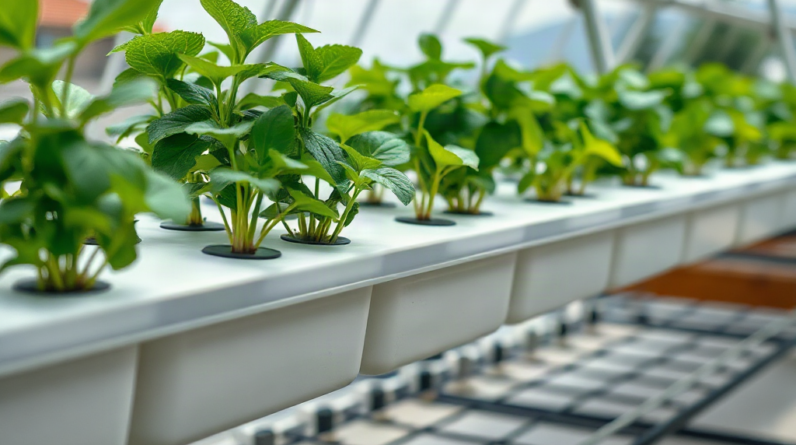
Growing hydroponically indoors involves creating an environment that mimics natural conditions while allowing for efficient nutrient delivery directly to the plant roots. This method eliminates soil, enabling plants to thrive in water enriched with essential nutrients. By utilizing systems like deep water culture or nutrient film technique, growers can achieve faster growth rates and higher yields.
To successfully grow indoors, it’s crucial to manage key factors such as light, temperature, humidity, and nutrient levels. Many new growers overlook the importance of light quality and duration, which can lead to stunted growth or poor yields. Additionally, maintaining a stable temperature and humidity level is vital to prevent mold and pests. Understanding these parameters will help ensure a productive hydroponic garden.
Choosing the Right Hydroponic System
When growing hydroponically indoors, selecting the right system is paramount. Various systems, including aeroponics, aquaponics, and wick systems, cater to different needs and skill levels. Aeroponics, for example, excels in oxygen delivery to roots, while wick systems are simpler and ideal for beginners.
Evaluate your space, budget, and the types of plants you wish to grow. Advanced systems like aeroponics require more technical knowledge and investment but can yield higher returns. Beginners may find passive systems easier to manage while they learn the basics of hydroponic gardening.
Optimal Lighting Solutions for Indoor Growth
Light is a critical component of successful indoor hydroponic gardening. Plants require specific light spectrums for photosynthesis, which makes choosing the right grow lights essential. LED grow lights are popular due to their energy efficiency and adjustable spectrum.
Understanding the light requirements of different plants can help you tailor your setup. For instance, leafy greens thrive under lower light intensity, while fruiting plants like tomatoes may require higher levels. Ensure to provide around 12 to 16 hours of light daily for optimal growth.
Maintaining Ideal Temperature and Humidity
Temperature and humidity control are crucial factors in an indoor hydroponic environment. Most plants thrive in temperatures between 65°F and 80°F (18°C to 27°C). Deviations can cause stress or slow growth.
Using fans, heaters, or humidifiers can help regulate indoor conditions. Monitoring these factors with a digital thermometer and hygrometer will provide insights into necessary adjustments. Consistency is key; sudden changes can shock plants and hinder development.
Nutrient Management in Hydroponics
Nutrient management is essential for healthy plant growth in hydroponics. Unlike soil, hydroponic systems require a balanced nutrient solution to provide plants with everything they need. This solution typically includes macro and micronutrients essential for growth.
Regularly testing the pH and electrical conductivity (EC) of your nutrient solution will help maintain the right balance. A pH of 5.5 to 6.5 is generally ideal for most plants. Adjusting your nutrient solution based on plant growth stages will also enhance overall health and yield.
For those interested in expanding their knowledge of hydroponics, consider exploring resources from reputable gardening organizations or educational institutions. Understanding the science behind hydroponics can lead to more successful indoor gardening experiences.
Frequently Asked Questions
What plants are best for hydroponic indoor gardening?
Leafy greens like lettuce, herbs like basil, and small fruiting plants such as strawberries are excellent choices for hydroponic indoor gardening.
How often should I change the water in my hydroponic system?
It is recommended to change the water every 1-2 weeks to prevent nutrient buildup and maintain water quality.
Can I use tap water for hydroponics?
Yes, but it’s essential to test tap water for chlorine and other chemicals that may harm plants. Letting it sit for 24 hours can help dissipate chlorine.
What is the ideal pH level for hydroponic systems?
The ideal pH level for most hydroponic plants is between 5.5 and 6.5, which allows for optimal nutrient absorption.
Do I need to add nutrients to my hydroponic water?
Yes, hydroponic systems require nutrient solutions to provide essential minerals and nutrients that plants need to grow.
Further Reading
Authoritative Sources
- Step By Step Hydroponic Growing Guide
procurement.jacksonms.govTo set up a basic hydroponic system, choose a growing method (like Deep Water Culture or. Nutrient Film Technique), assemble the necessary components, fill the ...
- Tips for Growing Hydroponic Plants: A Beginner's Guide
endlessgardensupply.comMaintain a pH level of 5.5 to 6.5 for most plants and check it regularly to ensure optimal growth conditions. Invest in Lighting. If you're ...
- How to Start a Hydroponic Garden at Home (Beginner Guide + ...
exfoliators.com.auChoosing the right growing medium is essential for hydroponic success. Materials such as perlite, vermiculite, and litefill provide plant ...
- A Beginner's Guide to Winter Indoor Gardening with ...
greenandprosperous.comChoose your plants wisely. Leafy greens and herbs thrive in Kratky hydroponics systems because they have predictable indoor growing conditions.
Conclusion
Successfully growing hydroponically indoors hinges on understanding the key elements of light, nutrient management, and environmental control. By selecting the right system and regularly monitoring conditions, you can create a thriving indoor garden. Start small, learn from your experiences, and gradually expand your setup as you gain confidence in your hydroponic gardening skills.