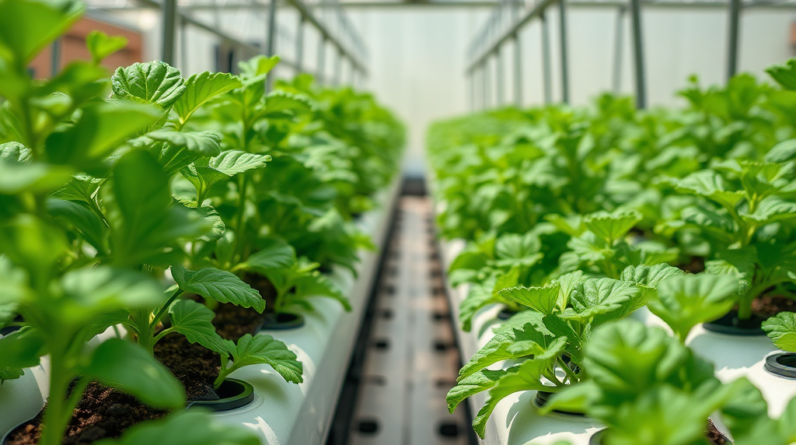
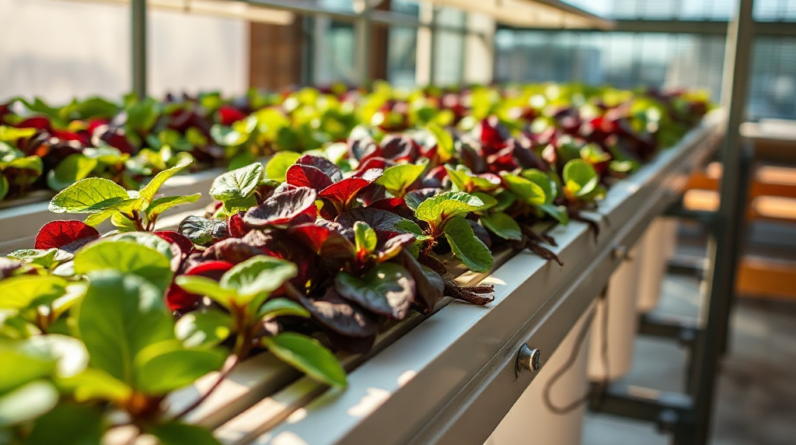
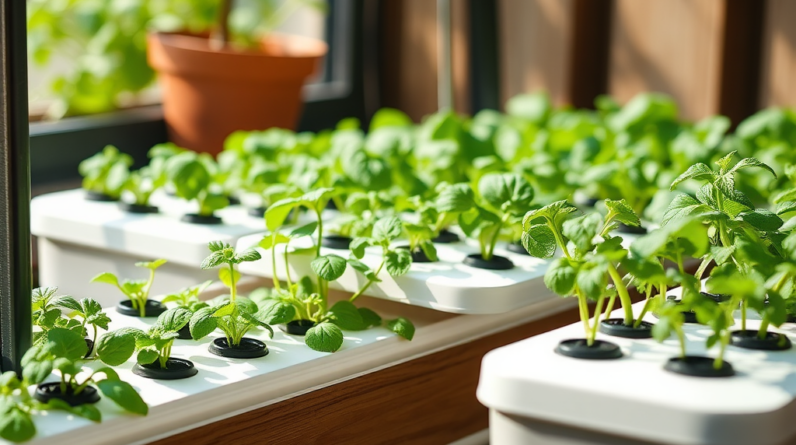
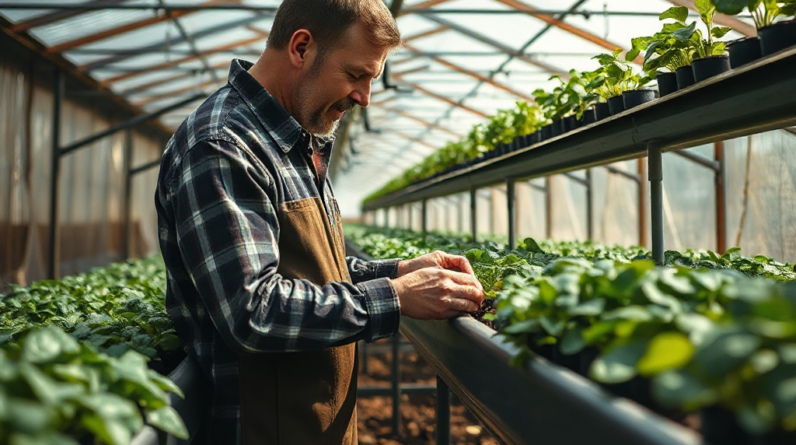
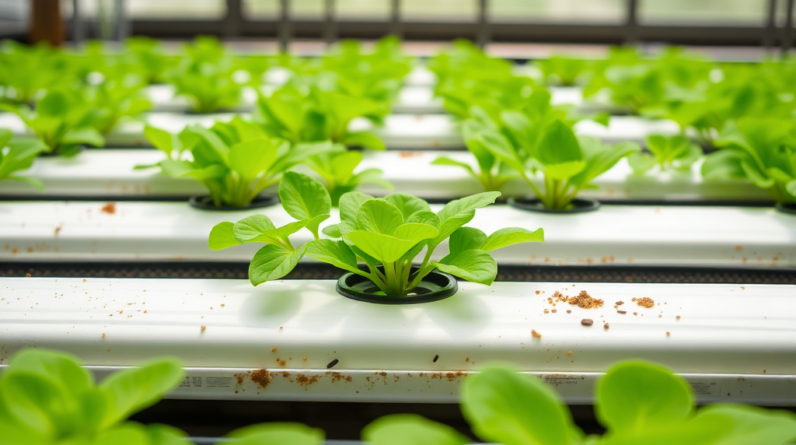
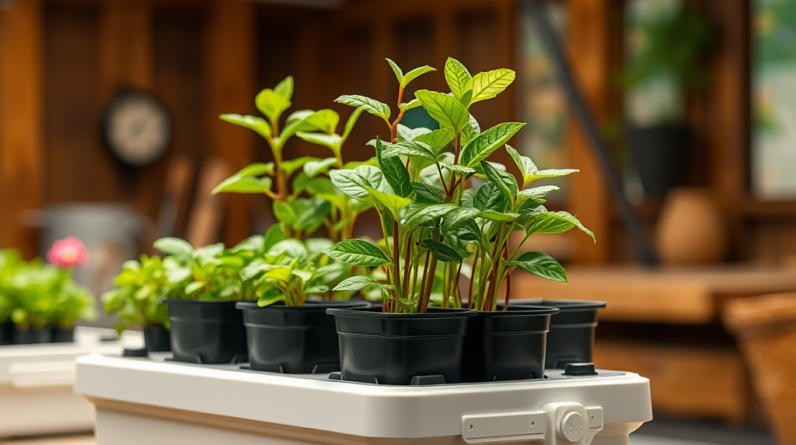
Common failures in hydroponic vegetable production often result from nutrient imbalances, inadequate lighting, and poor water quality. To prevent these issues, growers should regularly test nutrient solutions to ensure they meet the specific needs of their plants at various growth stages. Additionally, providing sufficient light intensity and duration is essential for healthy plant development, especially in indoor environments. Using high-quality fertilizers designed for hydroponics can help maintain optimal nutrient levels, while ensuring water quality is consistently monitored will support robust growth and higher yields.
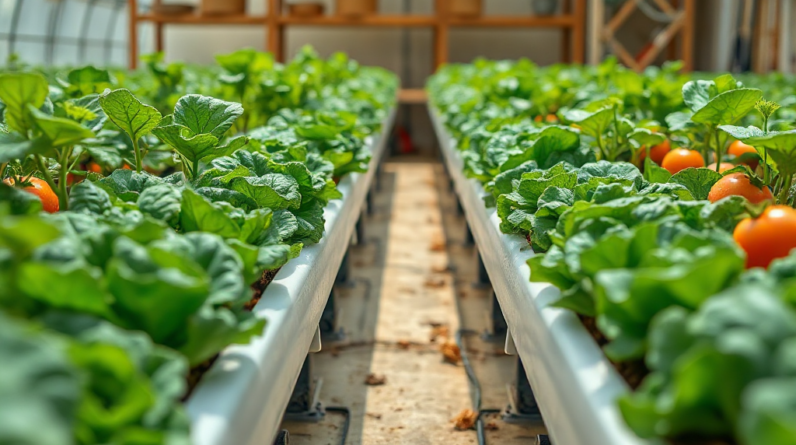
One of the primary mistakes growers make is overlooking the importance of nutrient solutions. Hydroponic systems rely on precise nutrient formulations to support plant growth. If the nutrient solution is either too concentrated or too diluted, it can lead to nutrient burn or deficiencies. Regularly testing and adjusting the nutrient solution ensures that your plants receive the right balance for optimal growth.
Another common pitfall is inadequate lighting. Plants require specific light wavelengths for photosynthesis, and without sufficient light, they can become leggy and weak. Growers often underestimate the intensity and duration of light needed, particularly in indoor setups. Utilizing grow lights that mimic natural sunlight and setting timers can help maintain an appropriate light cycle.
Nutrient Imbalances
Nutrient imbalances can severely impact hydroponic vegetable production. that plants have specific nutrient requirements at different growth stages. For instance, leafy greens may require higher nitrogen levels during their growth phase, while fruiting plants need more potassium and phosphorus.
Regular monitoring of the nutrient solution’s pH and electrical conductivity (EC) can prevent deficiencies and toxicities. A well-balanced nutrient solution promotes robust plant growth and maximizes yield. Additionally, consider using high-quality fertilizers designed for hydroponics, as they are formulated to be immediately available for plant uptake.
Insufficient Lighting
Lighting plays a critical role in hydroponic systems, especially for indoor gardening. Insufficient lighting can lead to poor photosynthesis, resulting in weak plants and reduced yields. Different plants have varying light requirements, so understanding these needs is vital.
To avoid lighting failures, choose the right type of grow lights, such as LED or fluorescent, that provide the necessary spectrum for plant growth. Additionally, monitor the distance between the lights and plants to prevent burning while ensuring adequate light exposure. A consistent light schedule is crucial for maintaining healthy growth cycles.
Water Quality Issues
Water quality is another critical factor in hydroponic systems. Contaminated or poor-quality water can introduce pathogens and disrupt nutrient uptake, leading to unhealthy plants. Using tap water may introduce chlorine or heavy metals that can harm plants.
To ensure water quality, consider using filtered or distilled water for your hydroponic system. Regularly testing the water for pH and EC levels will also help maintain a suitable environment for plant growth. This proactive approach minimizes the risk of waterborne diseases and supports optimal nutrient absorption.
Pest and Disease Management
Pests and diseases can quickly derail hydroponic vegetable production if not managed effectively. Common issues include aphids, whiteflies, and fungal infections. Integrated Pest Management (IPM) strategies can help mitigate these threats.
Implementing preventive measures, such as regular inspections, maintaining cleanliness, and using beneficial insects, can significantly reduce pest populations. Additionally, keeping an eye on environmental conditions like humidity and temperature can prevent disease outbreaks.
Further Reading
Authoritative Sources
- USDA National Institute of Food and Agriculture
nifa.usda.govResearch and extension resources related to agriculture, plants, soil, and food systems.
- Extension Foundation Gardening Resources
extension.orgUniversity extension education resources for practical gardening and home agriculture topics.
- USDA Natural Resources Conservation Service
nrcs.usda.govSoil, water, conservation, and land management resources for practical growing decisions.
Frequently Asked Questions
What are common nutrient deficiencies in hydroponics?
Common deficiencies include nitrogen, phosphorus, and potassium, which can lead to stunted growth and discoloration in leaves.
How can I improve lighting in my hydroponic system?
Use full-spectrum LED grow lights and ensure they are positioned at the correct distance to provide adequate light without burning the plants.
What is the ideal pH level for hydroponic systems?
The ideal pH level for most hydroponic vegetables is between 5.5 and 6.5 to ensure optimal nutrient uptake.
How do I prevent pests in my hydroponic garden?
Regular inspections, maintaining cleanliness, and using beneficial insects are effective strategies for pest prevention.
What signs indicate water quality issues in hydroponics?
Signs include algae growth, poor plant health, and unusual odors, which can indicate contamination or imbalances in the nutrient solution.
Conclusion
To wrap up, understanding and addressing common failures in hydroponic vegetable production is key to achieving successful yields. By focusing on maintaining balanced nutrients, providing sufficient lighting, and ensuring high water quality, growers can mitigate risks and promote healthy plant growth. Regular monitoring and proactive management strategies are essential for overcoming these challenges and fostering a thriving hydroponic environment.
Related Content
- How to Balance Light and Nutrients in Hydroponics: Essential Steps for Optimal Growth
- Growing Crops Without Soil Has Never Been Easier
- The Benefits of Organic Hydroponic Gardening
- How to Prevent Algae in Nutrient Solutions: Effective Techniques and Best Practices
- Hydroponic pH Balance: Key Factors for Healthy Plant Growth