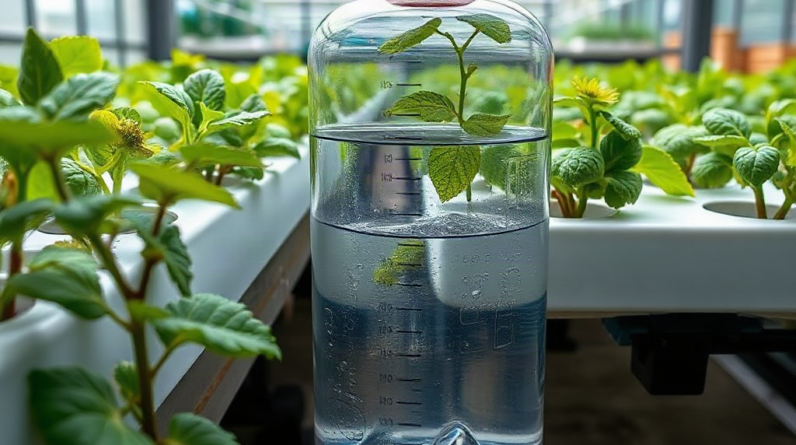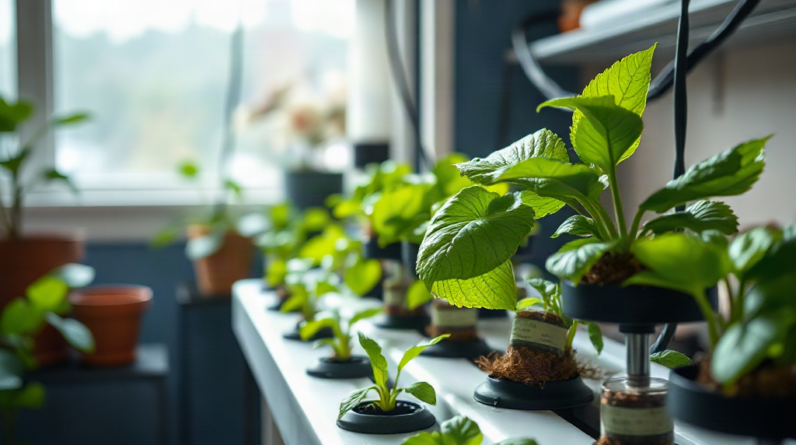
Identifying nutrient burn in hydroponic plants requires careful observation of specific symptoms, including leaf tip burn, yellowing, and browning of leaf edges. This condition typically arises from excessive nutrient concentrations, particularly nitrogen, phosphorus, and potassium, which can damage roots and hinder plant growth. To mitigate nutrient burn, it’s essential to reduce nutrient levels and flush the system with clean water. Regular monitoring of pH and electrical conductivity (EC) levels is crucial to maintain a balanced nutrient environment and prevent further complications, ensuring healthier plants and better yields.
Recognizing Symptoms of Nutrient Burn
Identifying nutrient burn in hydroponic plants begins with observing specific symptoms that can indicate the plant is over-fertilized. Common signs include leaf tip burn, where the edges of the leaves turn brown and crispy, and yellowing or discoloration of the leaves. These symptoms often appear first on older leaves as they are more vulnerable to nutrient imbalances.
In addition to leaf tip burn, you may notice stunted growth and reduced vigor in your plants. If left unaddressed, nutrient burn can lead to further complications, such as root damage and decreased yield. Recognizing these signs early is crucial for effective intervention and maintaining plant health.
Understanding the Causes of Nutrient Burn
Nutrient burn primarily results from excessive nutrient concentrations in the growing medium, particularly nitrogen, phosphorus, and potassium. This can occur due to improper dosing of nutrient solutions, insufficient water flushing, or using high-concentration fertilizers. The balance between nutrients is vital; too much of one can disrupt the uptake of others, leading to toxicity and stress on the plants.
Environmental factors also play a role in nutrient burn. High temperatures, low humidity, and inadequate oxygen levels can exacerbate nutrient absorption issues, making plants more susceptible to burn. Understanding these causes can help you adjust your hydroponic system to provide a more stable growing environment.
Effective Solutions for Nutrient Burn
Once nutrient burn is identified, prompt action is essential to mitigate damage. Start by reducing the nutrient concentration in your solution. A common practice is to flush your system with clean, pH-balanced water to remove excess salts and nutrients. This helps restore a healthier balance in the growing medium.
Additionally, monitor your plants closely after making adjustments. Look for signs of recovery, such as new growth and healthy leaf color. Adjust your feeding schedule and nutrient ratios based on the specific needs of your plants and the symptoms they exhibit. Regularly testing and adjusting pH and electrical conductivity (EC) levels will also help maintain optimal conditions and prevent future occurrences of nutrient burn.
Preventing Nutrient Burn in Hydroponic Systems
Preventing nutrient burn is more effective than treating it. Start by carefully following nutrient guidelines specific to the plant species you are growing. Gradually introduce nutrients and monitor plant responses, adjusting as necessary. Regular water changes and system flushing can help maintain nutrient balance and prevent buildup.
Moreover, invest in monitoring equipment to keep track of pH and EC levels consistently. This proactive approach will allow you to fine-tune your nutrient solutions and avoid over-fertilization. Maintaining stable environmental conditions—such as temperature and humidity—will also support healthier plants and reduce the risk of nutrient burn.
Frequently Asked Questions
What are the first signs of nutrient burn in hydroponic plants?
The first signs of nutrient burn typically include leaf tip burn, yellowing of leaves, and browning edges, particularly on older foliage.
How can I fix nutrient burn in my hydroponic system?
To fix nutrient burn, reduce the nutrient concentration, flush the system with clean water, and monitor pH and EC levels regularly.
What causes nutrient burn in hydroponic systems?
Nutrient burn is caused by excessive nutrient concentrations, often due to over-fertilization, improper dosing, or environmental stress factors.
Can nutrient burn be reversed?
Yes, nutrient burn can be reversed by adjusting nutrient levels, flushing the system, and providing proper care to the affected plants.
How can I prevent nutrient burn in my hydroponic garden?
Prevent nutrient burn by following nutrient guidelines closely, monitoring pH and EC levels, and regularly flushing your system to remove excess nutrients.
Further Reading
Authoritative Sources
- USDA National Institute of Food and Agriculture
nifa.usda.govResearch and extension resources related to agriculture, plants, soil, and food systems
- Extension Foundation Gardening Resources
extension.orgUniversity extension education resources for practical gardening and home agriculture topics
- USDA Natural Resources Conservation Service
nrcs.usda.govSoil, water, conservation, and land management resources for practical growing decisions
Related Content
- The Ultimate Guide to Hydroponic Systems for Beginners: 10 Effective Strategies for 2025
- How to Use Coco Coir in Hydroponic Systems Effectively
- The Benefits of Hydroponic Gardening
- Common Challenges in Hydroponic Growing Systems and How to Overcome Them
- Insurance and Household Safety Concerns for Hydroponic Systems: Coverage Gaps, Fire Risks, and Prevention Steps