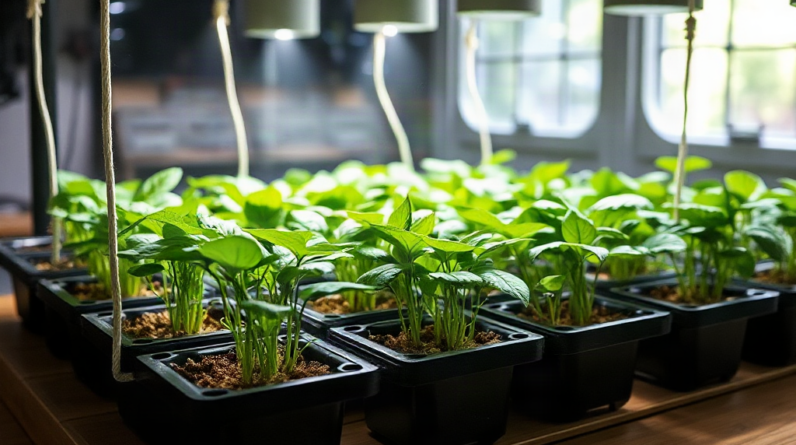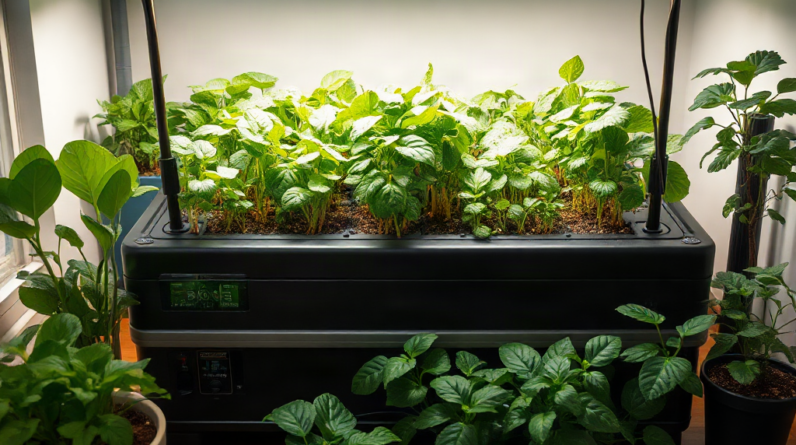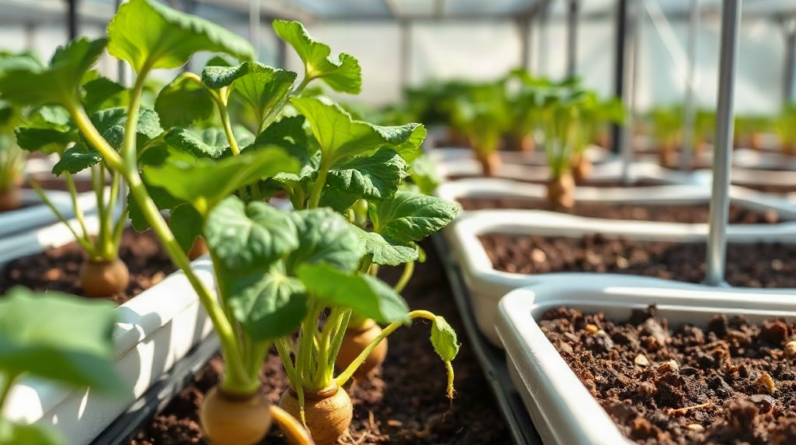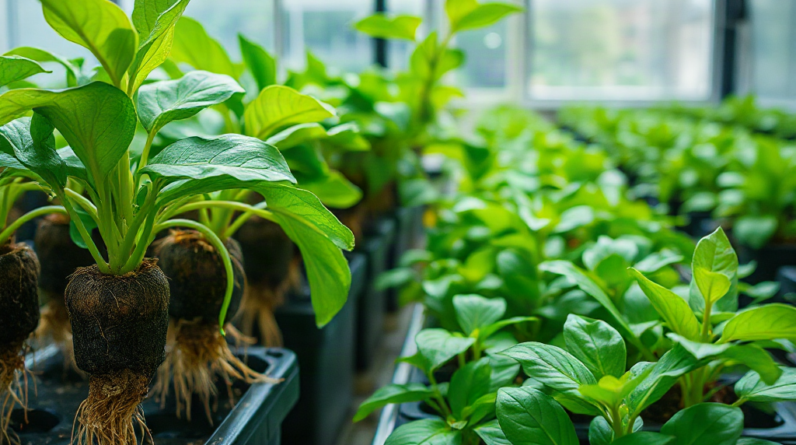
A dissolved oxygen shortage in a hydroponic system commonly appears as drooping plants despite wet roots, slowed growth, poor nutrient uptake, browning root tips, and roots that lose their firm, pale appearance. Warm nutrient solution, inadequate aeration, blocked circulation, crowded root zones, and decaying organic material can reduce oxygen supply or increase root and microbial demand. Check reservoir temperature, pump operation, water movement, root condition, and dissolved oxygen with a calibrated meter before changing nutrients. Restore aeration and circulation promptly, remove dead root material, and cool an overheated reservoir gradually; fertilizer additions alone will not correct oxygen-starved roots.
Plant and Root Symptoms of Low Dissolved Oxygen
Low dissolved oxygen first disrupts root respiration, the process roots use to release energy for growth and active nutrient uptake. The visible canopy may then resemble a plant that needs water or fertilizer even though the reservoir is full and the nutrient strength appears adequate. This mismatch—wet roots paired with wilted foliage—is a strong reason to inspect oxygen supply before increasing irrigation or adding concentrate.
Early canopy signs include reduced vigor, leaves that remain limp after the lights come on, weak new growth, and slower water use. Affected plants may look better during cooler hours and decline as the nutrient solution warms. Several plants connected to the same reservoir can deteriorate together, although those farthest from a return line or growing in the densest root mass may show symptoms first. Seedlings and recently transplanted plants can decline faster because their limited root systems provide little reserve capacity.
Root appearance provides more useful evidence than leaf color alone. Healthy hydroponic roots are generally firm and light-colored, though nutrient dyes, mineral deposits, and some additives can stain them without causing damage. Oxygen-stressed roots may develop tan or brown tips, lose fine lateral roots, feel unusually soft, or shed their outer tissue when handled. An unpleasant or fermented odor points toward microbial decomposition, but odor is not required for an oxygen deficit. A clean-smelling reservoir can still be poorly aerated.
Leaf yellowing is a later and less specific clue. Oxygen-starved roots may struggle to acquire or transport nutrients, creating symptoms that resemble nitrogen, magnesium, or iron problems. Correcting the nutrient formula without fixing the root environment can raise salt concentration while leaving the actual limitation untouched. Likewise, dark roots do not automatically prove root disease: fertilizer color, peat particles, or beneficial microbial products can alter appearance. Texture, smell, root-tip condition, plant response, and measured oxygen should be considered together.
A useful field comparison is to inspect two plants of the same age on different parts of the system. If the plant near strong water movement has crisp foliage and firm roots while one in a stagnant channel is wilting, localized oxygen delivery is more plausible than a reservoir-wide nutrient deficiency. The symptom review in Hydroponic system dissolved oxygen: signs of shortage should therefore begin below the canopy, not with leaf color charts alone.
Why Oxygen Falls in the Root Zone
Water temperature and oxygen demand often change at the same time. Warmer water holds less dissolved oxygen than cooler water, while roots and microorganisms generally consume oxygen more quickly as conditions warm. A reservoir exposed to grow lights, hot pumps, uninsulated flooring, or warm room air can therefore lose its oxygen margin even when an air pump continues running.
Aeration equipment can also appear functional without delivering enough oxygen where roots need it. An air pump may hum while a kinked tube, clogged diffuser, leaking connection, or worn diaphragm sharply reduces airflow. Large bubbles that rise quickly create visible activity but may provide less gas exchange than expected, especially if circulation leaves corners of the reservoir stagnant. Surface disturbance, recirculation, and exposure of returning water to air can be as important as the number of bubbles.
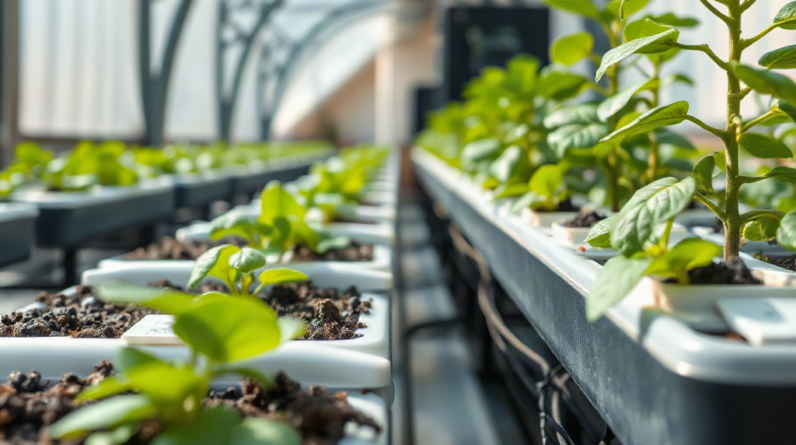
System design changes the risk. Deep-water culture keeps roots continuously submerged and depends heavily on uninterrupted aeration. Nutrient film technique exposes part of the root mat to air, but an overgrown channel can dam the flow and submerge roots that were previously well oxygenated. Flood-and-drain beds gain oxygen as solution drains away, yet floods that last too long or occur too frequently can keep fine media saturated. In drip systems, compacted or decomposing media may retain too much water even when the reservoir itself has adequate dissolved oxygen.
Biological load is another major driver. Dead roots, fallen leaves, algae, biofilm, and unused organic additives feed microorganisms that consume oxygen. A small reservoir serving mature plants can become vulnerable because it warms rapidly and has little water volume relative to the root mass. Adding more plants without increasing circulation, aeration, or reservoir capacity changes demand even if the original setup worked well during early vegetative growth.
A common mistake is sizing aeration by reservoir volume alone. Root mass, temperature, plant stage, microbial activity, channel geometry, and pump reliability all affect the usable oxygen margin. A home lettuce raft may remain stable with modest aeration in a cool room, while fruiting plants with dense roots can overwhelm the same arrangement during a hot afternoon. Inspect equipment under peak heat and full plant load rather than assuming that morning performance represents the entire day.
How to Confirm an Oxygen Shortage
Diagnosis should separate an oxygen problem from pump failure, excessive nutrient concentration, pH drift, heat stress, and root infection. Begin with observations that require no instrument: verify that water reaches every channel or bucket, look for weak return flow, listen for changes in pump sound, and compare root condition across the system. Record when symptoms are worst. A decline that tracks afternoon reservoir heating supports a different diagnosis than sudden wilting after a circulation pump stops.
Use a dissolved oxygen meter when repeated losses, valuable crops, or large reservoirs justify the cost. Calibrate and maintain the instrument according to its manufacturer’s instructions, because a neglected probe can produce a confident but incorrect reading. Measure in the root zone or return stream, not only beside an air stone where oxygen may be locally elevated. Take readings at consistent depths and compare morning, late-light-cycle, and post-maintenance conditions. A single measurement cannot reveal the daily low point.
Temperature belongs in the same record because an oxygen reading has little meaning without operating context. Also note pH, electrical conductivity, water level, room temperature, plant stage, and whether pumps were running normally. These observations help distinguish low oxygen from concentrated solution caused by evaporation or from nutrient imbalance. Avoid treating one universal dissolved oxygen number as a pass-or-fail threshold for every crop and system; crop demand, water temperature, measurement location, and daily fluctuation all matter.
A compact diagnostic sequence keeps troubleshooting controlled:
- Confirm flow: Check the circulation pump, delivery lines, returns, emitters, and channel depth.
- Inspect aeration: Look for clogged diffusers, weak airflow, loose tubing, and dead zones.
- Measure conditions: Record dissolved oxygen and solution temperature at representative root locations.
- Examine roots: Compare color, firmness, odor, fine-root survival, and damaged tissue among plants.
- Change one major variable: Improve aeration or flow, then monitor plant posture and new root growth.
Do not assume that adding hydrogen peroxide is a reliable diagnostic test or a substitute for aeration. Its effects depend on concentration, formulation, organic load, and system biology, and careless use can injure roots or disrupt intentionally maintained microorganisms. The safer first response is mechanical: restore water movement, gas exchange, and equipment function. A structured check based on Hydroponic system dissolved oxygen: signs of shortage also reduces the chance of simultaneously changing pH, nutrients, additives, and irrigation timing until the result becomes impossible to interpret.
Corrective Actions and Prevention Priorities
Restore reliable oxygen transfer before attempting cosmetic fixes to the foliage. If an air pump or circulation pump has stopped, repair or replace it and confirm that all connected growing sites receive flow. Add temporary aeration when necessary, but distribute it where roots are concentrated rather than creating intense bubbling in one corner. Clean clogged diffusers and lines, remove obstructions from return paths, and lower excessive channel depth where the system design permits.
Address heat without shocking roots. Shade or insulate the reservoir, move heat-producing pumps outside the tank when suitable equipment allows it, improve room ventilation, and prevent lights from warming exposed solution. Frozen bottles can create sharp local temperature swings and introduce sanitation problems if their surfaces are dirty. A properly sized water chiller offers tighter control for heat-prone installations, but it adds cost, power consumption, maintenance, and another failure point. For a small garden, correcting room heat and reservoir placement may be more sensible than buying cooling equipment.
Remove dead root fragments and plant debris because decomposition continues consuming oxygen after airflow improves. Clean accessible biofilm without stripping or damaging healthy roots. If several plants have extensive soft, decaying roots, isolate badly affected specimens when practical so debris and pathogens are not continuously circulated. Oxygenation may make conditions less favorable for some root problems, but it should not be presented as a cure for every infection. Sanitation, water temperature, plant removal, and crop-specific disease management may also be required.
Signs of recovery appear first in function rather than in damaged tissue. Plants may regain firmer posture, water use may normalize, and new roots may emerge pale and intact. Brown or dead roots will not turn healthy again, so judge improvement by fresh growth and the absence of advancing decay. Continued wilting despite verified flow, acceptable temperature, and stable dissolved oxygen means the diagnosis should be reopened. Check excessive electrical conductivity, pH outside the crop’s workable range, stem damage, root-zone disease, and environmental heat at the leaves.
Prevention depends on capacity and monitoring. Keep a spare air pump or circulation pump for systems in which a brief outage threatens continuously submerged roots. Use check valves where back-siphoning is possible, clean diffusers on a schedule suited to mineral buildup, and inspect tubing whenever airflow changes. Avoid allowing roots to block drains or returns. During plant expansion, reassess equipment rather than assuming the seedling-stage setup still has sufficient reserve.
The strongest operating plan prioritizes redundancy in deep-water culture, temperature control in hot rooms, unobstructed drainage in channels and beds, and routine root inspection everywhere. Trend records are more informative than occasional spot checks: note solution temperature and dissolved oxygen during the warmest part of the cycle, after reservoir changes, and as root mass increases. That record reveals declining capacity before canopy symptoms become severe.
Frequently Asked Questions
Can roots lack oxygen even when an air stone is bubbling?
Yes. Airflow may be too weak, poorly distributed, or offset by warm water, dense roots, and microbial oxygen demand. Measure near representative roots and check for stagnant zones rather than judging aeration by bubbles alone.
Does brown root color always mean low dissolved oxygen?
No. Nutrient dyes, additives, and particles can stain firm, healthy roots. Soft texture, damaged tips, odor, plant decline, temperature, and measured oxygen provide a more dependable diagnosis than color alone.
Should I add more nutrients when oxygen-starved plants turn yellow?
Not before checking the root zone. Low oxygen can impair nutrient uptake and imitate deficiency, while extra concentrate may raise salinity and further stress damaged roots.
Where should dissolved oxygen be measured?
Measure where roots actually experience the solution, including distant buckets, channels, or return water. A reading beside the diffuser can overstate conditions elsewhere in the system.
How can I tell whether corrective aeration is working?
Look for stable oxygen readings during the warmest period, firmer foliage, normalizing water use, and pale new root growth. Existing dead roots may remain brown and should not be used as the sole recovery test.
Conclusion
Root condition, solution temperature, flow, and measured dissolved oxygen should be evaluated together. Wilted leaves over a full reservoir are a warning, but they do not establish the cause by themselves. Inspect pumps and delivery paths first, compare roots across growing sites, and measure near the root zone during the warmest operating period.
Correct weak aeration, stagnant water, excessive heat, and decaying debris before adjusting fertilizer. Then watch for firm foliage and healthy new roots rather than expecting damaged tissue to recover. Systems with continuously submerged roots deserve backup aeration and frequent equipment checks, especially as plants mature. If symptoms continue after oxygen delivery is verified, reopen the diagnosis instead of repeatedly adding air; salinity, pH, canopy heat, blocked irrigation, or root disease may be responsible.