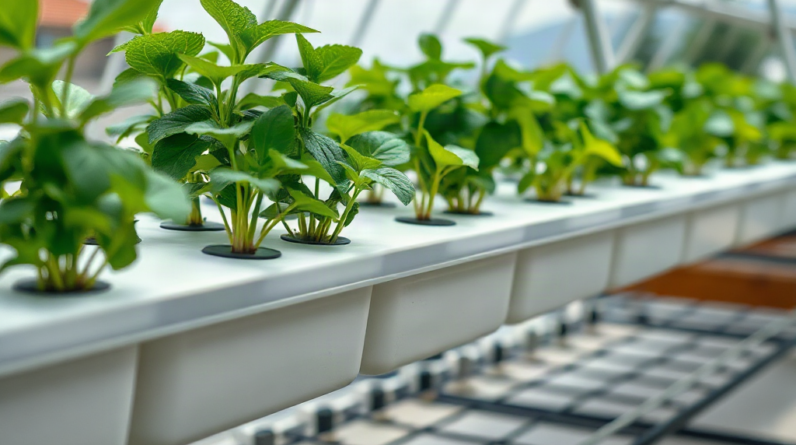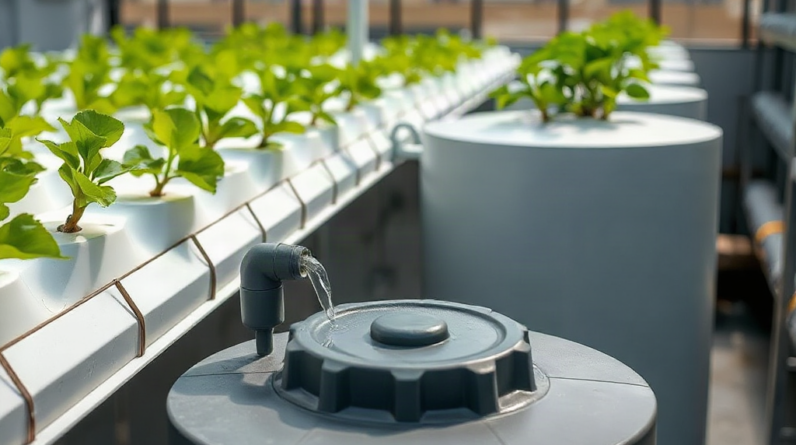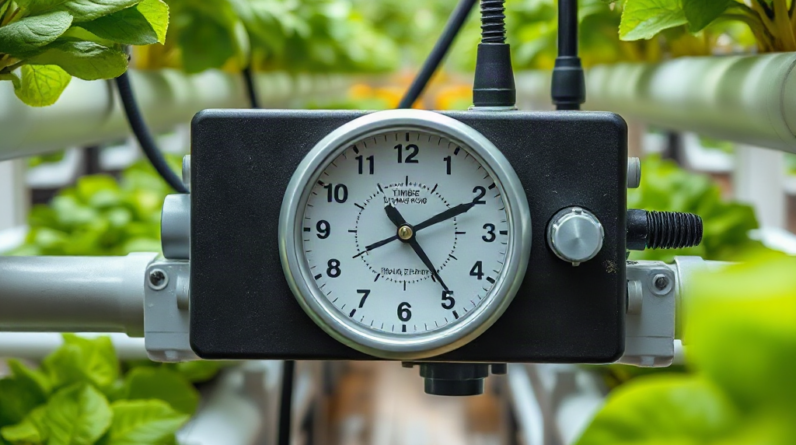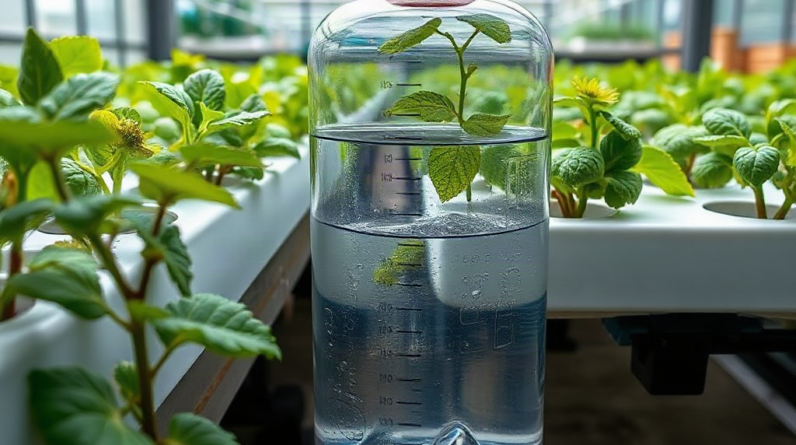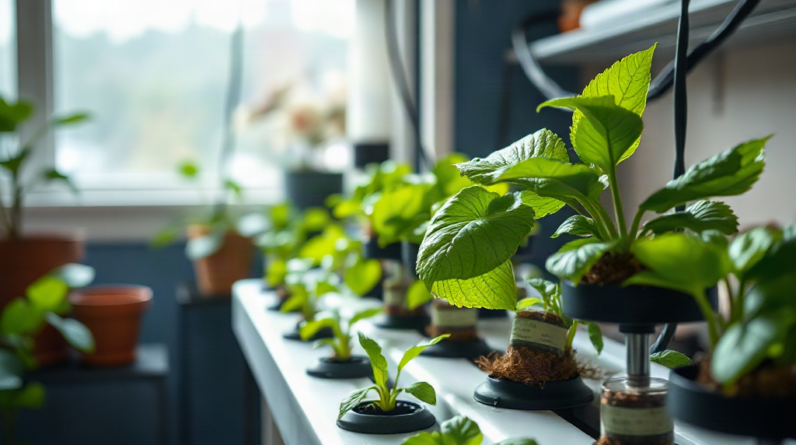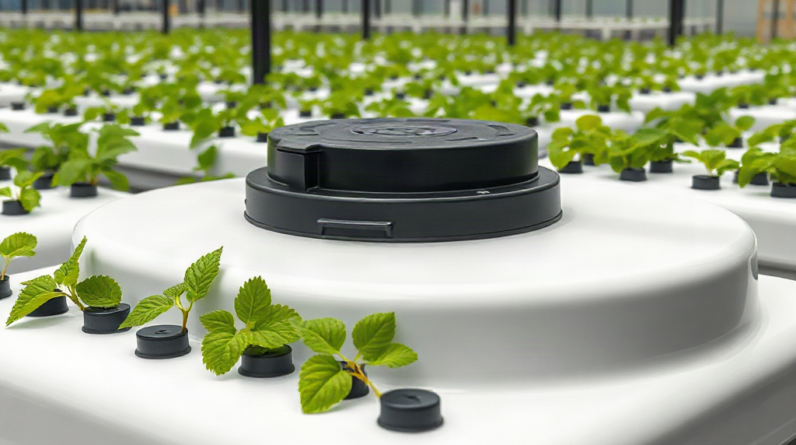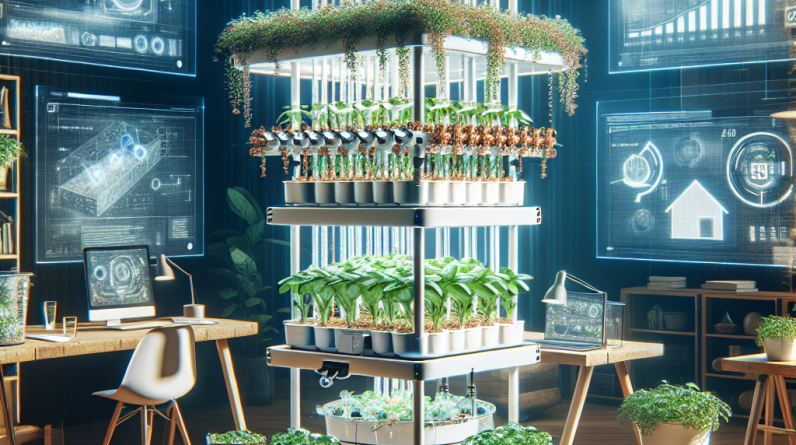
To prevent overcrowding in hydroponic systems, maintain optimal spacing between plants tailored to their specific growth needs. For instance, leafy greens may require 6 to 12 inches apart, while larger plants like tomatoes should be spaced 12 to 24 inches apart. Regularly monitor plant growth and adjust spacing as necessary to ensure adequate light exposure and airflow. Additionally, implementing vertical growing techniques can help maximize space while keeping plants properly spaced. By addressing overcrowding, you can enhance plant health, reduce disease risk, and improve overall yields.
Understanding Overcrowding in Hydroponics
Overcrowding in hydroponic systems occurs when plants are positioned too closely together, leading to competition for essential resources like light, nutrients, and space. This phenomenon can result in stunted growth, increased susceptibility to diseases, and poor overall plant health. Understanding the dynamics of plant growth and spacing is crucial for hydroponic success.
In a hydroponic environment, plants rely on artificial light and nutrient solutions, making it vital to optimize their arrangement. Overcrowded plants can block each other from receiving adequate light, which is essential for photosynthesis. Furthermore, closely packed plants can create a humid microclimate, promoting fungal diseases and pests. Addressing overcrowding not only enhances individual plant health but also improves the system’s overall productivity.
Optimal Plant Spacing Techniques
To prevent overcrowding, it’s important to establish optimal plant spacing based on the specific crop variety and growth stage. Different plants have varying space requirements, and understanding these needs can help maximize growth potential. For instance, leafy greens may require less space compared to larger fruiting plants like tomatoes.
A general rule of thumb is to allow at least 6 to 12 inches between smaller plants and 12 to 24 inches for larger varieties. This spacing promotes good airflow, reduces humidity buildup, and ensures that each plant can access light without obstruction. Additionally, consider utilizing vertical growing techniques, such as stacking systems or trellises, to maximize space while maintaining proper plant spacing.
Monitoring Growth and Adjustments
Regularly monitoring plant growth is essential for preventing overcrowding. Keep a close eye on growth rates and make adjustments as necessary. This may involve rearranging plants or transferring seedlings to larger containers as they mature. Using growth tracking tools can help you identify when plants are nearing their maximum size and need more space.
Another effective strategy is to implement staggered planting schedules. By planting new seedlings at intervals, you can ensure that not all plants reach maturity simultaneously, thereby reducing the risk of overcrowding. This approach allows you to manage space more effectively and maintain a steady harvest cycle.
Pruning and Maintenance Practices
Pruning is a critical practice in preventing overcrowding in hydroponic systems. Regularly trimming back excess foliage not only helps maintain adequate spacing but also encourages healthier growth. Focus on removing lower leaves and any dead or yellowing foliage, which can impede airflow and increase the risk of disease.
Additionally, consider implementing a routine maintenance schedule to assess plant health and spacing. This might include weekly checks for growth progress, signs of overcrowding, and necessary adjustments. A proactive approach to pruning and maintenance ensures that plants remain healthy and productive throughout their growth cycle.
Frequently Asked Questions
What are the signs of overcrowding in hydroponic systems?
Signs of overcrowding include stunted growth, yellowing leaves, and increased pest infestations, as plants compete for limited resources.
How often should I prune my hydroponic plants?
Pruning should be done regularly, typically every 1-2 weeks, depending on the growth rate of your plants and their specific needs.
Can I grow different types of plants together in a hydroponic system?
Yes, but ensure that their spacing and nutrient requirements align to prevent overcrowding and competition for resources.
What is the best way to space seedlings in a hydroponic system?
Seedlings should be spaced according to their mature size, generally 6-12 inches apart for smaller plants and 12-24 inches for larger ones.
How can I improve airflow in my hydroponic system?
To improve airflow, ensure proper plant spacing, use fans to circulate air, and avoid overcrowding by regularly monitoring growth.
Further Reading
Authoritative Sources
- USDA National Institute of Food and Agriculture
nifa.usda.govResearch and extension resources related to agriculture, plants, soil, and food systems
- Extension Foundation Gardening Resources
extension.orgUniversity extension education resources for practical gardening and home agriculture topics
- USDA Natural Resources Conservation Service
nrcs.usda.govSoil, water, conservation, and land management resources for practical growing decisions
Conclusion
Preventing overcrowding in hydroponic systems is essential for promoting healthy plant growth and maximizing yields. By implementing optimal spacing techniques, monitoring growth, and practicing regular pruning, you can create an environment conducive to thriving plants. Stay proactive in managing your hydroponic setup to ensure that each plant receives the necessary resources for optimal development.
Related Content
- What are the Benefits of Growing Tomatoes in a Hydroponic Garden?
- Hydroponic Garden Cost Per Vegetable (Crop-by-Crop Budget Examples)
- Seed Pods Hydroponics Growing System Review
- Top Hydroponic Techniques for Growing Leafy Greens
- The Ultimate Guide to Hydroponic Lighting Setup 2025: 7 Effective Strategies for Best Results