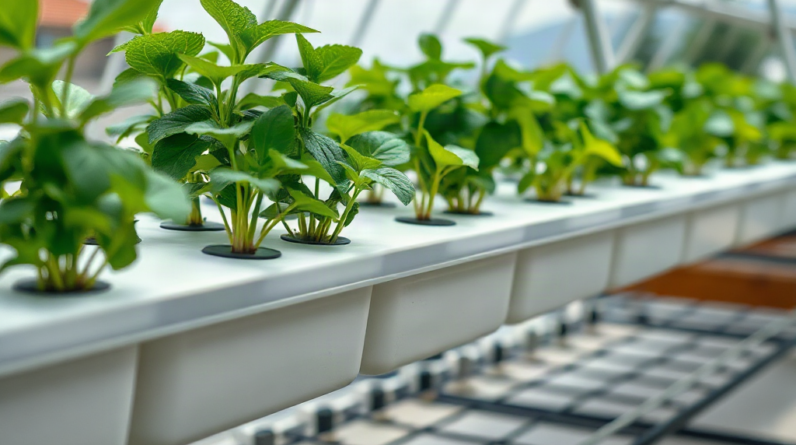
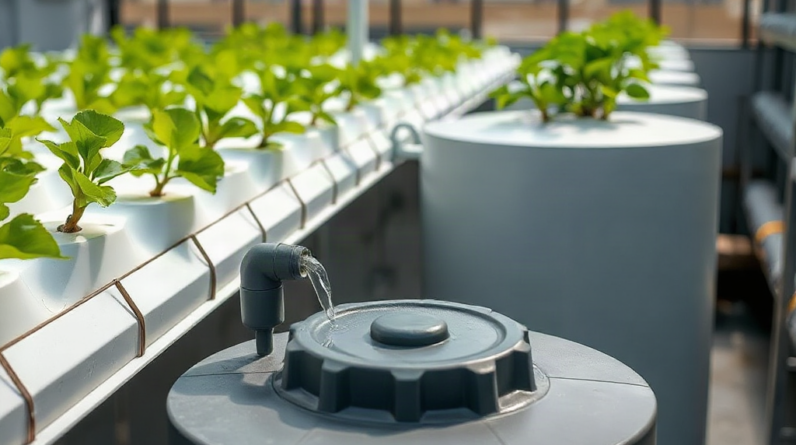
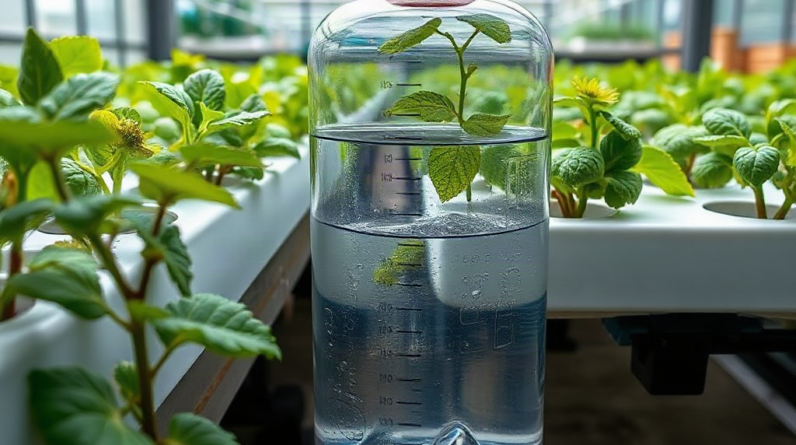
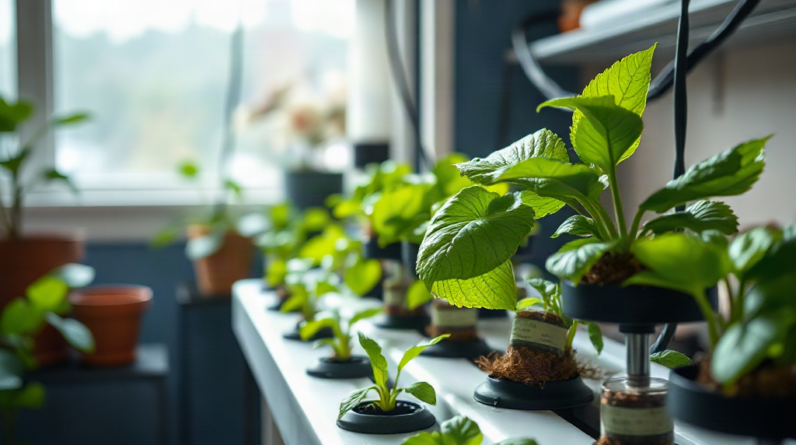
Hydroponic bell peppers often face issues such as nutrient deficiencies, pest infestations, and environmental stress. Nutrient imbalances can lead to symptoms like yellowing leaves or poor fruit development, which can be mitigated by regularly testing and adjusting nutrient solutions tailored to the plants' growth stages. Pests like aphids and spider mites can severely damage plants, so implementing integrated pest management strategies, including beneficial insects and insecticidal soaps, is essential. Additionally, maintaining optimal environmental conditions, such as temperature and humidity, is critical to prevent stress-related problems like blossom drop. Regular monitoring and proactive care can significantly enhance the health and yield of hydroponic bell peppers.
Nutrient Deficiencies
Nutrient deficiencies are a primary concern for hydroponic bell pepper growers. Essential nutrients such as nitrogen, potassium, and magnesium play vital roles in plant health and development. A lack of nitrogen can cause yellowing leaves, while insufficient potassium may lead to poor fruit development and overall plant vigor. Understanding how to adjust nutrient solutions based on plant needs ensures optimal growth.
Monitoring nutrient concentrations is critical. Regular testing of the nutrient solution helps prevent deficiencies. For example, using a quality EC meter can help gauge nutrient strength. Moreover, adjusting the nutrient mix based on the growth stage of the plants—such as higher nitrogen during vegetative growth—can significantly improve yields.
Pest Infestations
Pests pose a significant threat to hydroponic bell peppers, often leading to reduced yield and quality. Common pests include aphids, spider mites, and whiteflies. These pests can weaken plants by sucking sap, leading to stunted growth and even plant death if not addressed promptly.
Implementing integrated pest management (IPM) strategies is essential. This may include introducing beneficial insects like ladybugs, which prey on aphids, or using insecticidal soaps to manage outbreaks. Regularly inspecting plants for early signs of infestation can help catch problems before they escalate.
Environmental Stressors
Hydroponic bell peppers are sensitive to environmental conditions, including temperature, humidity, and light levels. Extreme temperatures can cause stress, resulting in blossom drop or poor fruit set. For instance, temperatures above 85°F (29°C) during the day can negatively impact pollination.
Managing the growing environment involves monitoring and adjusting conditions as needed. Using heating or cooling systems can help maintain optimal temperatures. Additionally, using fans for air circulation can help regulate humidity levels, preventing mold and mildew growth.
Disease Management
Diseases such as root rot, caused by pathogens like Pythium, can severely affect hydroponic bell peppers. Signs of root rot include wilting and discolored roots. Preventing disease involves maintaining a clean growing environment and ensuring proper water and nutrient management.
Regularly changing the nutrient solution and ensuring that the system is clean can mitigate disease risks. Using disease-resistant pepper varieties can also provide an additional layer of protection against common pathogens.
Best Practices for Healthy Bell Peppers
Implementing best practices can significantly enhance the health and yield of hydroponic bell peppers. First, ensure proper pH levels, ideally between 5.5 and 6.5, to promote nutrient uptake. Additionally, maintaining a balanced nutrient solution tailored to the growth stage is crucial.
Regular monitoring and adjustments based on plant response can prevent many common problems. For example, if plants show signs of nutrient deficiency or excess, recalibrating the nutrient mix and pH levels can yield better results. Finally, consistent environmental control, including temperature and humidity management, supports robust plant growth.
Frequently Asked Questions
What are the signs of nutrient deficiencies in hydroponic bell peppers?
Signs include yellowing leaves, poor fruit development, and stunted growth, indicating a lack of essential nutrients.
How can I prevent pest infestations in my hydroponic garden?
Implement integrated pest management strategies, including introducing beneficial insects and regular monitoring for early signs of pests.
What environmental conditions are best for hydroponic bell peppers?
Optimal conditions include temperatures between 70-85°F (21-29°C), humidity levels around 50-70%, and adequate light exposure.
How do I manage diseases in hydroponic bell peppers?
Maintain a clean growing environment, ensure proper water management, and consider using disease-resistant varieties.
What are the best practices for nutrient management in hydroponic systems?
Regularly test nutrient solutions, adjust pH levels, and tailor the nutrient mix to the specific growth stage of the plants.