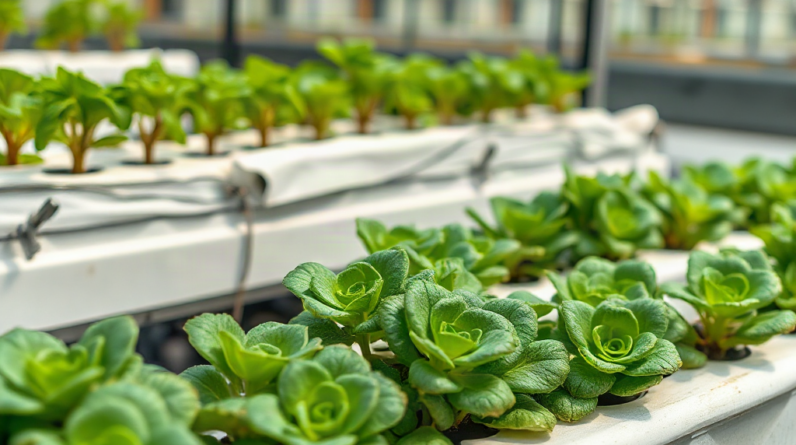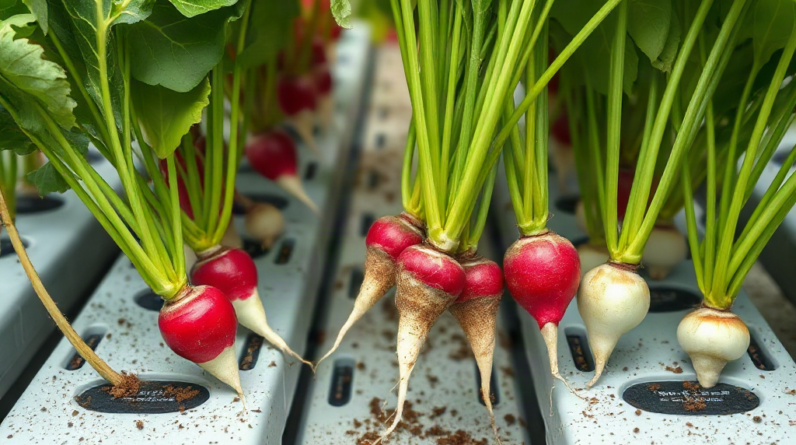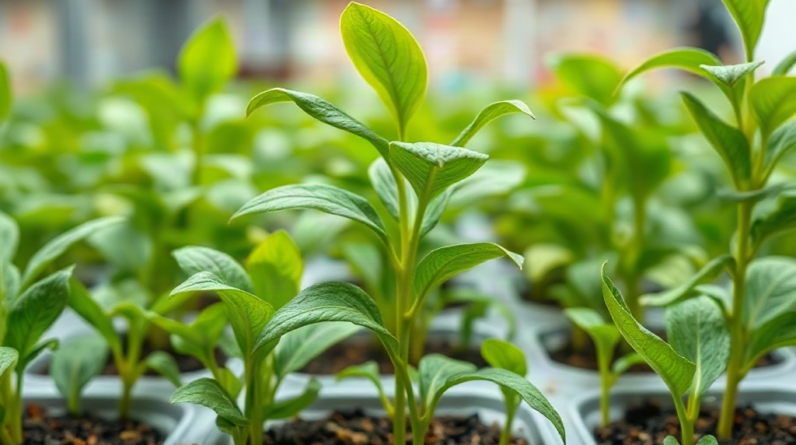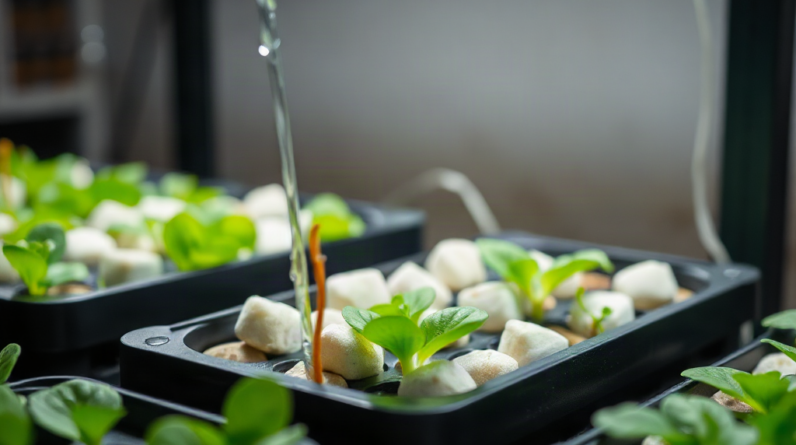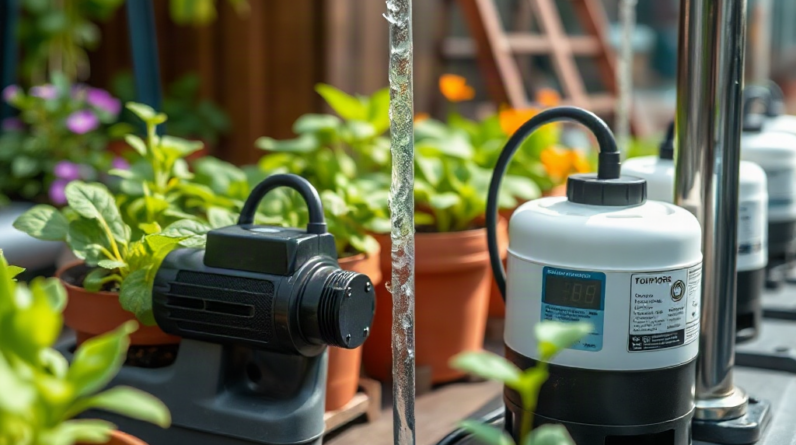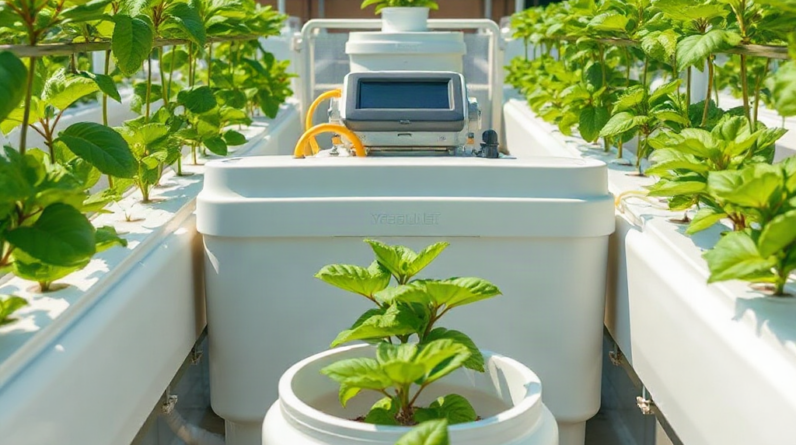
Choosing crops for warm hydroponic rooms means favoring plants that maintain leaf growth, flowering, or fruit set despite elevated air temperatures and warm nutrient solution. Basil, Swiss chard, mint, leaf amaranth, cucumbers, peppers, and compact eggplants are usually stronger candidates than cool-season lettuce, spinach, cilantro, or peas. Match each crop to the room’s daytime peak, nighttime temperature, root-zone conditions, humidity, light intensity, and available vertical space. Warmth can accelerate growth, but it also reduces dissolved oxygen, increases water demand, encourages bolting, and may disrupt pollination. Trial a few cultivars before filling the room, then judge them by root health, flavor, stem strength, and marketable yield.
Define What “Warm” Means in the Growing Room
A room should be classified by its measured temperature pattern rather than by how warm it feels when someone enters it. Record the air temperature near the canopy during the light period, the overnight low, and the nutrient-solution temperature. A room that briefly warms in late afternoon presents a different crop-selection problem from one that remains warm through the night. The second condition gives plants less opportunity to reduce respiration and recover from daytime stress.
Root-zone temperature deserves separate attention. Warm air does not automatically rule out cool-tolerant crops if the reservoir and root zone remain moderate, but warm nutrient solution changes the decision. As solution temperature rises, its capacity to hold dissolved oxygen declines while root respiration and microbial activity may increase. Plants can then show slow uptake, dull roots, or midday wilting even when the reservoir contains enough water. Adding more fertilizer does not correct an oxygen or temperature problem and may increase root stress.
Humidity and airflow determine how strongly a crop experiences heat. Warm, humid, stagnant air limits evaporation from leaves and can leave dense canopies wet for long periods. Warm, dry air drives faster transpiration, which can concentrate the reservoir as plants remove water. Cucumbers may consume water aggressively under bright, dry conditions, while tender lettuce can develop weak edges, bitterness, or premature flowering. Room temperature alone therefore cannot predict performance.
Light output also contributes to the crop’s actual heat load. Upper leaves near fixtures can be warmer than the room sensor indicates, particularly where air movement is poor. Check conditions at the height occupied by the mature canopy, not only beside the reservoir or on a wall. A short crop may remain comfortable while a trellised crop grows into a hotter layer near the lights.
Before using a crop list, build a simple room profile:
- Air pattern: daytime maximum, overnight minimum, and hours spent near the maximum.
- Root conditions: solution temperature, aeration, root color, and reservoir stability.
- Moisture pattern: relative humidity, condensation, and daily water consumption.
- Canopy limits: light intensity, fixture clearance, airflow, and available height.
A common mistake is treating every room above a preferred lettuce temperature as suitable for tropical crops. Some warm-season plants need stronger light, more root volume, or a longer production cycle than the room can provide. Use the measured profile to narrow the choices, then compare those choices with the physical system.
Select Leafy Crops and Herbs That Tolerate Heat
Heat-tolerant leafy crops are usually the lowest-risk way to keep a warm room productive because they do not depend on flower pollination or fruit set. Basil is a practical starting point: it generally appreciates warmth, grows rapidly under adequate light, and can be harvested repeatedly. Leaf amaranth and Swiss chard also tolerate warmer conditions better than many salad greens. Mint can remain productive, although its vigorous roots require frequent inspection and may crowd channels or small net pots.
Crop tolerance does not guarantee desirable quality. Basil grown with weak light and excessive warmth can become stretched, soft, and less aromatic. Chard may produce oversized leaves with long petioles when spacing is tight. Leaf amaranth can become coarse if harvest is delayed. Frequent cutting, sufficient light, and deliberate spacing matter as much as the crop name.
Cool-season greens require more caution. Lettuce, spinach, arugula, cilantro, and many Asian brassica greens may germinate poorly, bolt early, develop stronger flavors, or lose marketable texture when exposed to sustained heat. A heat-tolerant lettuce cultivar can extend the usable range, but the label does not make lettuce equivalent to basil under hot roots and warm nights. Cultivar claims should be tested under the room’s actual light and root-zone conditions.
Choose leafy crops according to the harvest style. Baby-leaf production shortens exposure to heat and can make a moderately tolerant crop usable before bolting becomes severe. Full heads remain in the room longer and develop dense centers that may trap moisture. Cut-and-come-again herbs occupy the system for longer periods, but repeated harvests can produce good output from established roots. Readers comparing options for Choose crops for warm hydroponic rooms should therefore compare days in the system and harvest form, not merely seed-to-maturity descriptions.
A useful warm-room shortlist includes:
- Strong first trials: basil, Swiss chard, leaf amaranth, and selected mints.
- Conditional choices: heat-tolerant lettuce, kale harvested young, arugula as baby leaf, and parsley where nights are not excessively warm.
- Higher-risk choices: spinach, cilantro, mature mustard greens, and head lettuce in continuously warm solution.
Watch the first two harvests for compact growth, clean white or cream-colored young roots, acceptable flavor, and predictable regrowth. Long internodes, bitter leaves, rapid flower-stalk formation, slimy roots, or repeated midday collapse indicate that either the crop or its placement is unsuitable. The weak response is to raise nutrient strength in pursuit of darker growth. The better response is to check temperature, light, oxygenation, and harvest timing before changing the formula.
Evaluate Fruiting Crops for Heat, Space, and Pollination
Warm-season fruiting plants can use a hot room effectively, but they impose larger demands on light, support, water, and labor. Cucumbers, peppers, compact eggplants, and some tomatoes may tolerate warmer air than lettuce. Their success still depends on cultivar and growth stage. Heat that promotes fast vegetative growth can interfere with pollen performance, flower retention, or fruit quality if daytime peaks are excessive or nights remain persistently warm.
Cucumbers are often attractive because many greenhouse types grow quickly in warmth. Parthenocarpic cultivars can set fruit without pollination, which is useful indoors where insects and air movement are limited. They also need trellising, regular pruning, ample root access, and close monitoring of water use. A small reservoir that works for herbs can change concentration quickly when several mature cucumber vines transpire heavily.
Peppers and compact eggplants fit rooms with more moderate height, but they have longer production cycles than leafy greens. Their early footprint can look inefficient while roots and branches develop. Once flowering begins, stagnant humid air may impair pollen release. Gentle air movement or crop-appropriate manual vibration can assist pollination, but neither measure can fully compensate for unsuitable temperatures. Excess nitrogen is another failure mode: plants may produce lush foliage while flowering and fruiting remain weak.
Tomatoes deserve a selective rather than automatic recommendation. Compact or greenhouse-suited cultivars are easier to manage than vigorous indeterminate vines in a low room. Even compact plants need strong light, stable irrigation, support, pruning, and sufficient calcium movement through the plant. Irregular water uptake can contribute to fruit disorders despite calcium being present in the solution. Simply adding calcium without correcting root stress or erratic transpiration may create nutrient imbalance.
Match each fruiting crop to the system before buying seed. Deep-water culture can provide generous root access but requires dependable aeration and careful solution-temperature management. Drip-fed media containers offer root-zone buffering and individual plant control, although emitters and drainage need inspection. Narrow nutrient-film channels are generally better suited to smaller-rooted, short-cycle crops than to mature vines with heavy root masses.
A practical comparison is to calculate value per occupied site and per week, not just fruit count. One cucumber vine may produce repeated harvests but occupy the height and light footprint of several herb plants. A pepper may remain productive for months but delay the first harvest. For a household grower seeking variety, that tradeoff may be worthwhile. For a tightly scheduled room, basil or chard may provide more predictable turnover. Crop selection should reflect the purpose of the room rather than an assumption that fruiting plants are automatically more productive.
Use a Crop-Selection Trial Before Scaling Up
A small comparative trial reveals more than a generic heat-tolerance label because hydroponic performance depends on the interaction among cultivar, room, system, and harvest target. Reserve a limited number of sites for two or three candidate crops while keeping nutrient concentration, lighting schedule, and planting date as comparable as practical. Do not fill an entire channel with an unfamiliar cultivar simply because its seed description mentions warm weather.
Set the trial around a specific production goal. For salad harvests, compare leaf tenderness, bitterness, bolting, and usable weight at the intended harvest age. For herbs, record branching after cutting, aroma, stem softness, and the time needed for regrowth. For fruiting crops, note days to flowering, flower retention, pollination effort, water demand, and the proportion of well-formed fruit. These observations identify operational fit rather than theoretical survival.
Review plants at consistent times. Midday wilting that disappears overnight suggests the canopy’s water demand may exceed root delivery during peak conditions. Persistent wilt, brown roots, odor, or stalled new growth points toward a root-zone problem requiring immediate attention. Tall, pale growth usually calls for checking light and spacing before increasing nutrients. Flower drop on otherwise vigorous plants should trigger a review of temperature peaks, nighttime warmth, humidity, and pollination.
Use a compact decision sequence:
- Confirm the room profile. Measure canopy and solution conditions across several days, including the warmest part of the lighting cycle.
- Eliminate physical mismatches. Reject crops that exceed the room’s height, root capacity, trellis strength, or reservoir volume.
- Trial cultivars side by side. Include more than one cultivar when heat tolerance is central to the buying decision.
- Score usable output. Count acceptable leaves or fruit rather than total biomass.
- Scale only stable performers. Expand crops that maintain quality without disproportionate cooling, pruning, pollination, or reservoir correction.
Signs of a successful selection include steady new growth, roots without progressive discoloration or decay, manageable daily water use, acceptable flavor, and a harvest schedule that matches the grower’s needs. Failure is not limited to dead plants. A crop that survives but bolts before harvest, produces weak flavor, requires constant reservoir adjustment, or blocks airflow around neighboring plants is a poor commercial or household choice.
Keep records specific enough to support the next planting. Record cultivar, sowing date, transplant date, harvest stage, room peaks, solution observations, and the reason a planting was removed. Guidance on Choose crops for warm hydroponic rooms becomes more useful when paired with these local records. Seasonal changes may also alter the ranking: a lettuce cultivar could work during milder months, while basil or cucumbers make better use of the same room during the hottest period.
Frequently Asked Questions
What leafy greens grow well in a warm hydroponic room?
Swiss chard and leaf amaranth are useful candidates, while basil provides a leafy herb option. Heat-tolerant lettuce may work when nights and nutrient solution stay moderate, but it should be trialed before a large planting.
Can lettuce be grown in a room that is consistently warm?
It may survive, but sustained warmth can promote bolting, bitterness, loose heads, and weak root performance. Baby-leaf harvests, tolerant cultivars, cooler solution, and shorter crop cycles can reduce risk without guaranteeing head quality.
Are tomatoes a good choice for hot indoor growing spaces?
Tomatoes can use warm conditions, but excessive peaks and warm nights may reduce flower retention or fruit set. They also require strong light, support, stable irrigation, pollination assistance, and more vertical space than herbs or greens.
Does extra aeration solve high nutrient-solution temperature?
Extra aeration can improve oxygen delivery, but it does not remove the effects of excessive root-zone heat. Inspect reservoir location, pump heat, room airflow, root health, and feasible cooling measures rather than relying on air stones alone.
How many plants should be included in a warm-room crop trial?
Use enough plants to distinguish a repeated response from one weak seedling while keeping the test small enough to remove easily. Several plants per cultivar are more informative than filling the room with a single untested choice.
Conclusion
Warm-room crop selection should follow measured conditions and system capacity, not a broad label such as “heat tolerant.” Map air and solution temperatures, humidity, light, height, root space, and reservoir stability first. Favor basil, chard, leaf amaranth, and suitable mints for lower-risk leafy production; consider cucumbers, peppers, compact eggplants, or selected tomatoes only when trellising, pollination, lighting, and water demand are manageable.
Run a limited cultivar trial through the intended harvest stage before expanding. Judge marketable quality, root condition, flavor, water use, labor, and regrowth or fruit set—not survival alone. If a crop repeatedly bolts, stretches, drops flowers, overwhelms the root zone, or demands constant correction, replace it with a better operational match. The strongest planting plan may also change by season, using cool-tolerant greens during milder periods and warm-season crops when room temperatures rise.
Related Content
- Indoor Hydroponic Greenhouse: Essential Techniques for Optimal Plant Growth
- 10 Effective Indoor Water Gardening System Tips for 2025 Success
- Why Transplanted Hydroponic Seedlings Wilt After Moving: Causes, Timing, and Recovery Steps
- Choosing the Right Growing Medium for Your Hydroponic System
- From Kitchen to Table with Home Hydroponics