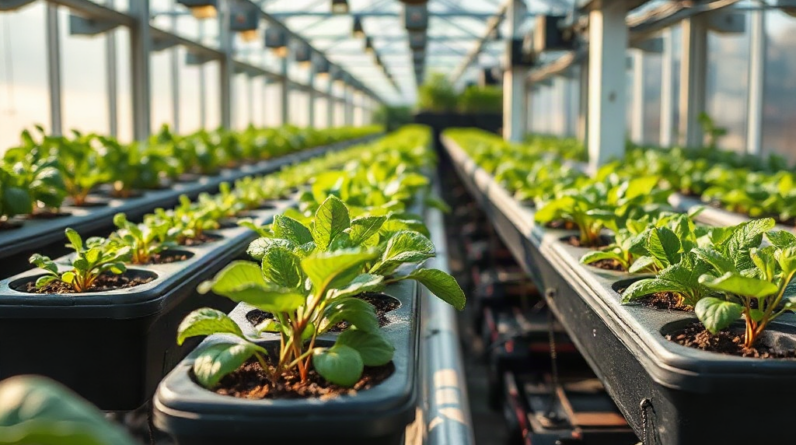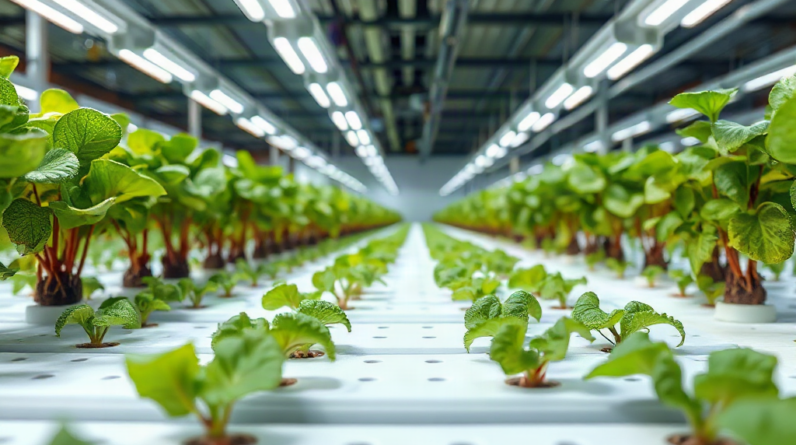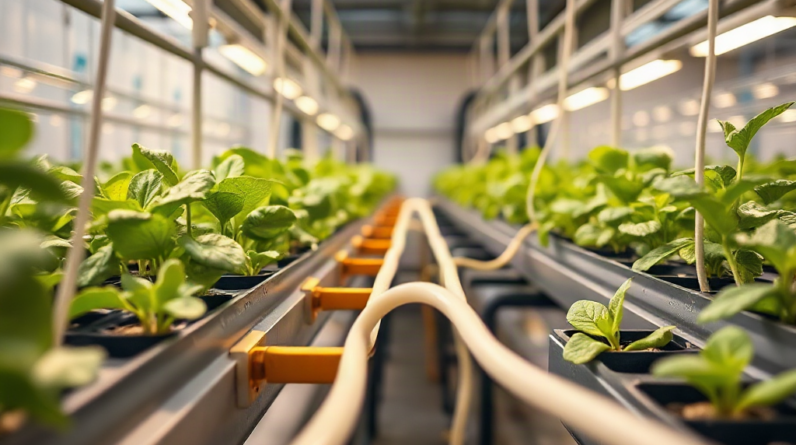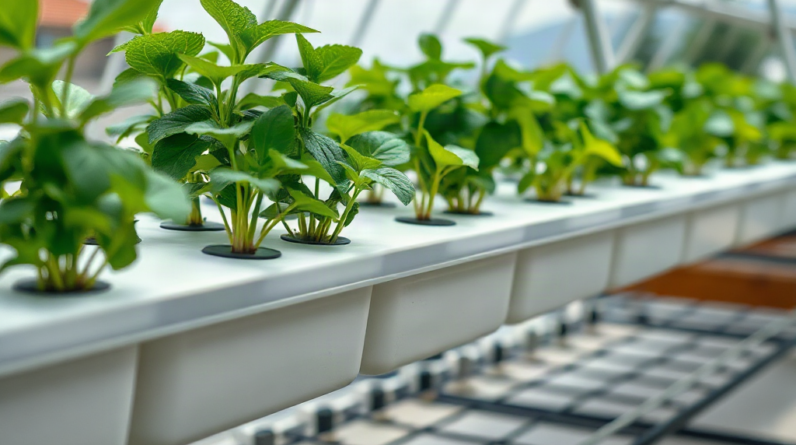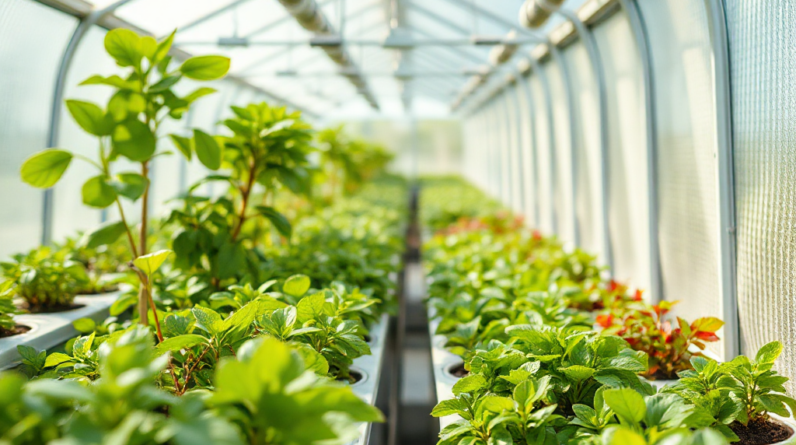
An indoor hydroponic greenhouse allows for efficient plant cultivation without soil, using nutrient-rich water solutions in a controlled environment. To achieve optimal growth, it's essential to maintain proper pH levels, as fluctuations can impact nutrient absorption. Additionally, utilizing energy-efficient LED grow lights can enhance plant growth by providing the necessary light spectrum. Common pitfalls include over-fertilization and neglecting humidity control, which can lead to poor plant health. By carefully managing these factors, growers can maximize yields and ensure a thriving indoor garden throughout the year.
Understanding Hydroponics in a Greenhouse
An indoor hydroponic greenhouse represents a modern approach to gardening, eliminating soil to grow plants in nutrient-rich water solutions. This method is beneficial for urban dwellers and those with limited outdoor space, allowing for year-round cultivation regardless of climate conditions. Hydroponics enhances plant growth rates and yields, as the controlled environment minimizes pest issues and maximizes resource efficiency.
By utilizing a hydroponic system, growers can optimize plant health through precise control of nutrients, water, and light. Understanding the fundamentals of hydroponics is crucial for anyone looking to establish a productive indoor greenhouse.
Key Components of an Indoor Hydroponic Greenhouse
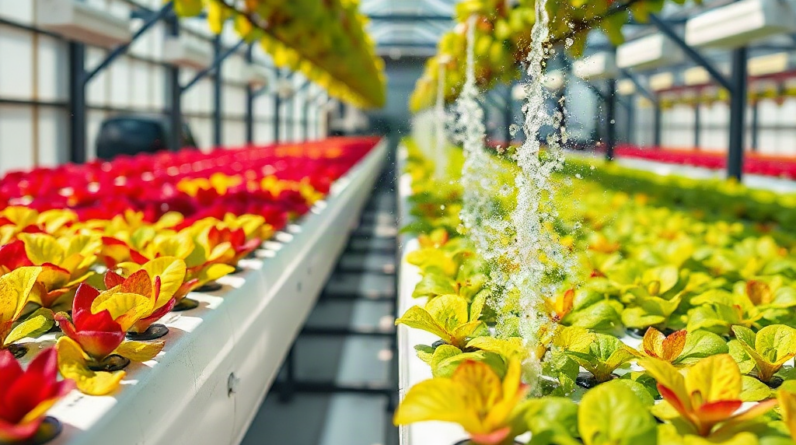
To create an effective indoor hydroponic greenhouse, several key components must be integrated. These include a suitable hydroponic system, environmental controls, and plant selection. Common hydroponic systems include the nutrient film technique (NFT), deep water culture (DWC), and aeroponics.
Environmental controls are essential for maintaining optimal growth conditions. This includes temperature regulation, humidity management, and light provision. LED grow lights are popular for their energy efficiency and ability to provide specific light spectrums that enhance plant growth. Additionally, a reliable water and nutrient delivery system is vital for sustaining plant health.
Common Techniques for Successful Growth
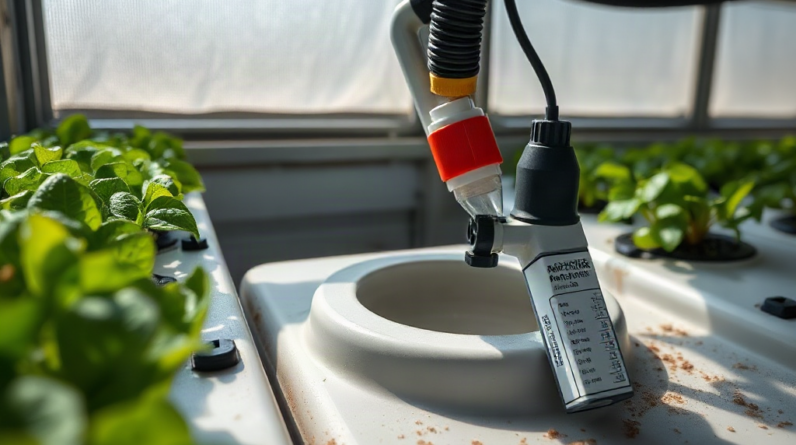
Successful indoor hydroponic gardening relies on several techniques that ensure plants thrive. First, understanding the pH level is crucial, as it affects nutrient availability. Regular testing and adjustment of pH levels between 5.5 and 6.5 can prevent nutrient deficiencies.
Another important technique is the use of beneficial microorganisms that can enhance nutrient uptake and plant health. Additionally, implementing a proper light schedule, typically 12-16 hours of light per day, can significantly improve growth rates. Growers should also be mindful of water temperature, as warmer water holds less oxygen, which can affect root health.
Challenges and Solutions in Hydroponic Systems
Despite their many benefits, indoor hydroponic greenhouses face several challenges. One common issue is the risk of algae growth, which can deplete nutrients and oxygen in the water. To combat this, it’s essential to maintain proper light conditions and use opaque containers to block light from reaching the nutrient solution.
Another challenge is managing pests and diseases, which can quickly spread in a confined environment. Integrated pest management strategies, including biological controls and regular monitoring, can help mitigate these risks. Additionally, understanding plant-specific needs is vital, as different species may have unique requirements for nutrients and environmental conditions.
Frequently Asked Questions
What are the best plants for an indoor hydroponic greenhouse?
Some of the best plants include leafy greens like lettuce, herbs such as basil and mint, and small fruiting plants like strawberries and tomatoes.
How often should I change the nutrient solution?
It's recommended to change the nutrient solution every 1-2 weeks to maintain optimal nutrient levels and prevent algae growth.
Do I need to use a grow light?
Yes, using a grow light is essential in an indoor hydroponic greenhouse to provide the necessary light spectrum for photosynthesis.
What is the ideal temperature for plants in a hydroponic system?
The ideal temperature typically ranges from 70°F to 75°F (21°C to 24°C) during the day and slightly cooler at night.
How can I prevent pests in my indoor greenhouse?
Regular monitoring, maintaining cleanliness, and using biological pest control methods can help prevent pest infestations.
Further Reading
Authoritative Sources
- USDA Agricultural Research Service
usda.govThis resource provides comprehensive information on agricultural practices, including hydroponics
- National Institute of Food and Agriculture
extension.orgA valuable source for educational materials on hydroponic methods and greenhouse management
- Purdue University Horticulture
hort.purdue.eduOffers research-based information on horticultural practices, including indoor gardening
Conclusion
Creating an indoor hydroponic greenhouse can be a rewarding venture that allows for efficient and sustainable gardening. By understanding the essential techniques and components, growers can maximize their harvests while minimizing resource use. Prioritize maintaining optimal conditions, managing nutrients carefully, and being proactive about pest control. With these practices in place, your indoor hydroponic greenhouse can thrive, providing fresh produce year-round.