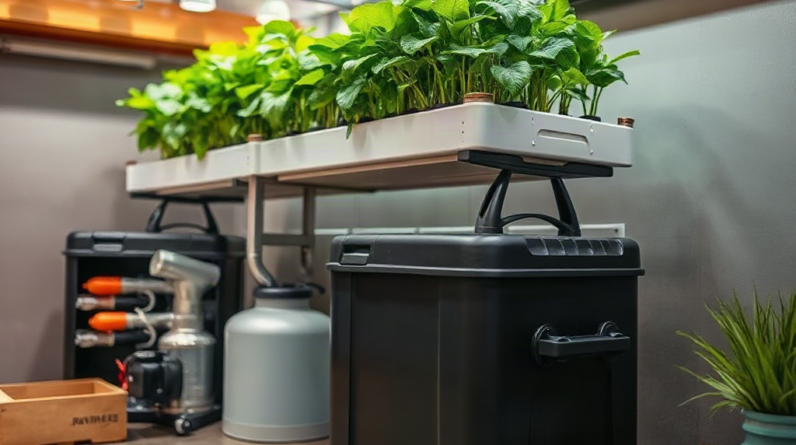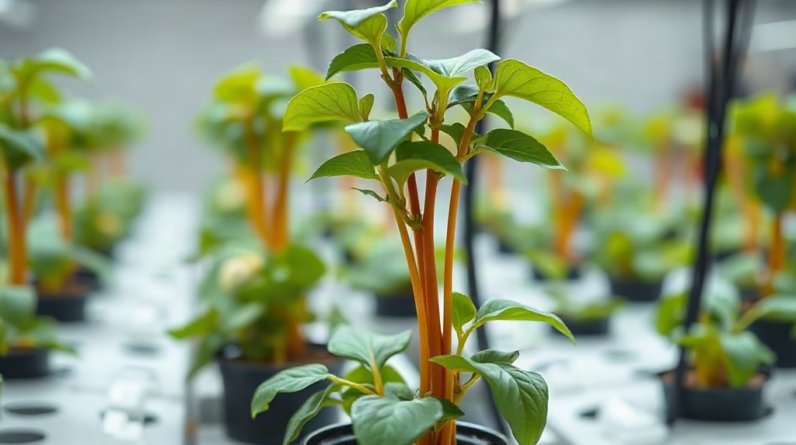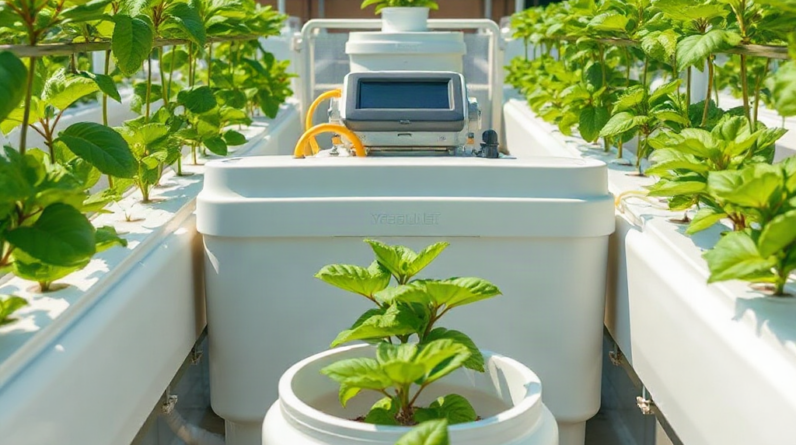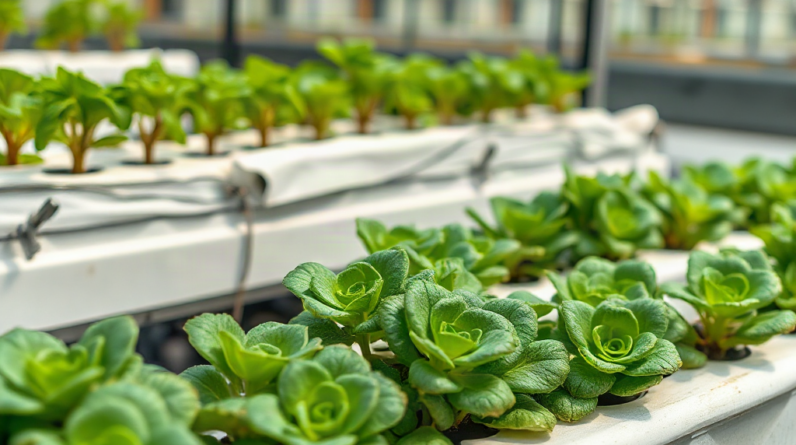
Match hydroponic crops to household demand by recording what the household actually eats each week, then sizing plantings around edible yield, harvest frequency, crop duration, and available growing space. Favor cut-and-come-again lettuce, herbs, and other frequently used greens before committing room to slower fruiting crops. Stagger sowing dates so produce matures in usable batches rather than all at once. Treat lighting capacity, reservoir space, and time for pruning or pollination as firm limits. Review harvests and waste for several weeks, reducing crops that accumulate while expanding varieties the household repeatedly consumes.
Measure What the Household Will Use
Household consumption should be measured in meal-sized units rather than estimated from seed packets or maximum-yield claims. A family may buy two heads of lettuce each week but use only a small bunch of basil, while another household relies on herbs daily and rarely prepares salads. Those patterns determine which crops deserve growing space. Write down purchases and home harvests for two to four ordinary weeks, excluding unusual parties, vacations, or seasonal menu changes.
Record each crop in the unit used in the kitchen: lettuce heads, handfuls of loose leaves, herb sprigs, grams of salad mix, or numbers of cucumbers and peppers. Precision is less valuable than consistency. If three people typically consume four salad bowls per week, measuring the leaves used in one normal bowl creates a practical demand estimate. The same approach works for basil: count the stems used in pasta, sandwiches, sauces, and garnishes rather than assuming every mature plant will be useful.
Separate regular demand from aspirational demand. Growing kale does not automatically cause a household to eat kale, and planting an unfamiliar Asian green because it performs well hydroponically can produce a recurring surplus. Trial unfamiliar crops in one or two sites before assigning them an entire channel or raft. Familiar crops with frequent kitchen use normally deserve first access to limited light and root space.
Demand also changes with season and household schedule. Lettuce use may rise in warm months, while basil demand can fall when outdoor plants become available. Travel, school terms, and work patterns affect whether fresh produce is harvested promptly. A useful demand note therefore includes both quantity and timing. Produce needed on weekday evenings has to remain harvestable through that window; a large crop that peaks during a week away has little household value.
A simple baseline for Match hydroponic crops to household demand is the amount regularly consumed minus the amount that is cheaper, easier, or more reliable to buy. Hydroponics does not need to replace every produce purchase. It should first replace items valued for freshness, harvested repeatedly, or difficult to keep on hand without spoilage.
Compare Crops by Usable Output and Effort
Useful output matters more than theoretical yield. Leaf lettuce and many culinary herbs can be harvested repeatedly, allowing the grower to take only what dinner requires. Head lettuce delivers a larger single harvest and may be easier to schedule, but it creates a short use window once cut. Fruiting crops can provide valued produce over time, yet they usually occupy a site longer and demand stronger light, support, pruning, and sometimes hand pollination.
Rank candidate crops by four practical traits: how often the household eats them, how much usable food each site produces, how long the site remains occupied, and how much attention the crop requires. Basil may rate highly for a household that cooks with it several times a week. Cilantro can be valuable but is less forgiving as a continuous crop because it may bolt and does not respond to repeated cutting like basil. Mint regrows readily, although its vigorous roots can become troublesome if allowed to spread through shared channels.
Lettuce, bok choy, arugula, kale, basil, chives, and some other leafy crops are commonly manageable in compact home installations. Tomatoes, cucumbers, peppers, and strawberries present a different allocation decision. Their longer crop cycles mean a disappointing plant ties up capacity for weeks or months. They also create physical demands above the reservoir: vines need support, fruit adds weight, and dense foliage changes airflow. A small unit with modest lighting may produce more usable meals from greens than from a single shaded tomato plant.
Crop compatibility deserves equal weight. Plants sharing nutrient solution should have reasonably similar environmental and nutrient needs. Combining seedlings, mature greens, and heavily fruiting plants in one small reservoir can make management awkward because their water use, nutrient demand, and preferred solution strength may differ. Separate systems or planting zones offer more control, but they also add reservoirs, testing, cleaning, and power requirements.
The common mistake is selecting crops because they are possible to grow rather than because their harvests justify the space. Compare each new candidate with the crop it would displace. If six herb sites produce ingredients used throughout the week, replacing them with one long-season novelty crop has a clear opportunity cost. Keep specialty crops when the household values them enough to accept lower output or higher effort, not because every site must maximize weight.
Convert Weekly Demand Into Planting Quantities
Planting quantities should be calculated from observed harvests, not from generic yield promises. Cultivar, light intensity, temperature, root health, harvest method, and plant spacing all change output. Begin with a small test group, weigh or count what reaches the kitchen, and divide that usable harvest by the number of productive sites. Discarded outer leaves and failed plants should not be counted as food.
Suppose a household uses roughly 600 grams of mixed salad leaves per week. If four established sites provide a combined 400 grams under the household’s actual lighting and cutting routine, the observed rate is about 100 grams per site for that harvest interval. Six similarly performing sites may cover demand, but adding one buffer site may be sensible where germination or growth is uneven. That buffer should remain modest; doubling the planting count merely transfers uncertainty into waste.
Succession timing prevents a second error: having the correct total number of plants at the wrong growth stage. For head lettuce, sow a smaller batch at regular intervals rather than filling every position on one date. If the household eats two heads weekly and the local setup produces marketable heads reliably, the mature pipeline needs approximately two plants reaching harvest each week, plus younger groups behind them. Germination and nursery positions must also be included because those stages occupy equipment even though they produce no immediate food.
Cut-and-come-again crops require a different calculation. Several plants at staggered maturity can supply smaller harvests throughout the week. Remove too much foliage at once, however, and regrowth slows. A harvest log should note both the amount cut and the recovery time. When output declines despite healthy roots and acceptable conditions, replacing older plants may be more productive than repeatedly waiting for weak regrowth.
Use this compact allocation sequence:
- Set weekly demand: record the edible quantity normally used.
- Measure site output: use two or more harvest cycles from the actual setup.
- Account for crop duration: include nursery, productive, and replacement stages.
- Add a limited buffer: cover ordinary variation without creating routine surplus.
- Recalculate monthly: adjust for menu, season, and performance changes.
This method makes Match hydroponic crops to household demand an ongoing capacity calculation rather than a one-time crop list. Signs that the estimate is working include predictable harvest days, little discarded produce, and replacement seedlings ready before older plants decline.
Build a Weekly Harvest Checklist
A weekly checklist connects crop production with kitchen plans before quality declines. Hydroponic produce can remain fresh on the plant, but delayed harvesting may reduce tenderness, encourage bolting in leafy crops, or leave fruiting plants burdened with overmature produce. Choose one planning day and compare the coming week’s meals with what will likely be ready.
Start by inspecting maturity rather than harvesting automatically. Identify heads approaching full size, herbs that need pinching to remain bushy, outer leaves suitable for selective cutting, and fruit likely to ripen within several days. Then assign those harvests to meals. Basil expected to need pruning can be paired with a sauce or topping; mature bok choy can be reserved for a stir-fry; mixed leaves can cover lunches early in the week.
The checklist should also include system constraints that alter supply. Note empty planting sites, seedlings that failed to establish, plants shading their neighbors, and crops showing slower-than-expected growth. Confirm that the reservoir has enough capacity for the coming week and that pumps, aeration, and flow are operating normally. Check nutrient concentration and pH with maintained instruments according to the needs of the crop and system, rather than chasing a reading without observing plant condition.
- List produce expected to be harvestable during the next seven days.
- Match each harvest with a meal, preservation use, or recipient.
- Mark plants for partial cutting, full removal, or continued growth.
- Move replacement seedlings forward only when a site will become available.
- Record harvested quantity, unused quantity, and any quality loss.
A checklist fails when it becomes an inventory of plants instead of a schedule for food. “Eight lettuce plants” says little about supply if all eight are seedlings or all mature simultaneously. Stage labels such as nursery, early growth, near harvest, and replacement due reveal whether production is balanced. Color tags or a dated planting map can make those stages visible without opening a separate record during every inspection.
Keep the process brief enough to repeat. Ten consistent minutes each week are more useful than an elaborate spreadsheet abandoned after one crop cycle. The objective is to expose mismatches early, while sowing dates and meal plans can still be changed.
Correct Surplus, Shortages, and Poor Crop Choices
Surplus and shortage are feedback about the crop schedule, not automatic evidence that the entire setup is undersized or oversized. Diagnose whether the mismatch comes from planting quantity, synchronized maturity, weak performance, changing appetite, or harvest habits. Each cause calls for a different correction.
When produce accumulates every week, reduce the next sowing by one or two sites rather than removing productive plants immediately. A temporary surplus can be shared, preserved where appropriate, or incorporated into meals, but routine disposal means the allocation is wrong. If excess arrives in one large wave and then disappears, keep the total capacity but spread sowing dates farther apart. If an herb is repeatedly ignored, replace it with something the household already purchases.
Shortages require equally careful interpretation. Empty channels do not necessarily mean more sites are needed. Poor light distribution, crowded canopies, stressed roots, an unreliable pump, or seedlings of uneven age can suppress output from existing capacity. Correcting those constraints may restore supply without expansion. When healthy sites consistently produce less than weekly use and every harvest is consumed promptly, adding a small number of sites or retaining more mature plants becomes reasonable.
Watch for substitution effects. A household may eat more salad because abundant leaves are available, which means demand has genuinely changed. Conversely, enthusiasm may fade after several weeks. Use a rolling record rather than treating the first harvest as permanent behavior. Two or three crop cycles usually reveal more than a single unusually successful week.
Some mismatch is acceptable. Crop failures, holidays, and seasonal temperature shifts make perfect synchronization unrealistic. Aim for low waste and dependable partial coverage, not an exact harvest every day. A small purchased supplement is often preferable to maintaining excess capacity that consumes light, nutrient solution, seed, and attention throughout the year. Revisit the allocation whenever household size, cooking patterns, lighting, or system capacity changes. That keeps the Match hydroponic crops to household demand process tied to current use rather than an outdated planting plan.
Frequently Asked Questions
Which hydroponic crops are easiest to match with weekly household use?
Leaf lettuce and frequently used herbs are usually easiest because they can be planted in small batches or harvested selectively. Choose only varieties that already appear regularly in household meals.
How much extra should I grow as a buffer?
Begin with one additional site or a small replacement batch, then adjust from recorded losses. A large buffer often turns normal variation into recurring food waste.
Should all lettuce be planted at the same time?
No. Stagger sowing dates according to expected weekly use so heads or leaf harvests mature in manageable batches rather than during one short period.
Are fruiting crops worthwhile in a small home setup?
They can be when the household values the crop and the setup provides sufficient light, support, root room, and maintenance time. Greens generally deliver usable food sooner from compact spaces.
How often should the crop allocation be reviewed?
Review harvest and waste records weekly, but make larger allocation changes after enough time to observe a full crop cycle. Recalculate sooner when household routines or growing conditions change.
Conclusion
A productive home setup is measured by food used, not by the number of occupied planting sites. Track ordinary meals, measure edible harvests under actual growing conditions, and reserve capacity for crops with frequent kitchen demand. Stagger sowing for short-window crops, monitor regrowth for repeatedly cut greens and herbs, and treat long-season fruiting plants as deliberate space commitments.
For the next planting cycle, select three or four regularly purchased crops, assign a modest number of sites, and record harvest quantity, waste, and shortages each week. Adjust one variable at a time: planting count, sowing interval, crop choice, or environmental constraint. That measured approach produces a more dependable household supply than filling every opening and hoping the harvest matches the menu.
Related Content
- Enhancing Root Structure in Hydroponic Plants Through Oxygen, Flow, and Root-Zone Control
- Mistakes in pH Management for Hydroponics: Common Errors and Their Consequences
- Streamline Your Hydroponic Farming Operation
- The Benefits of Hydroponic Lighting
- Choosing a Reservoir Size for Hydroponic Vegetables With Crop Load and Water-Use Checks