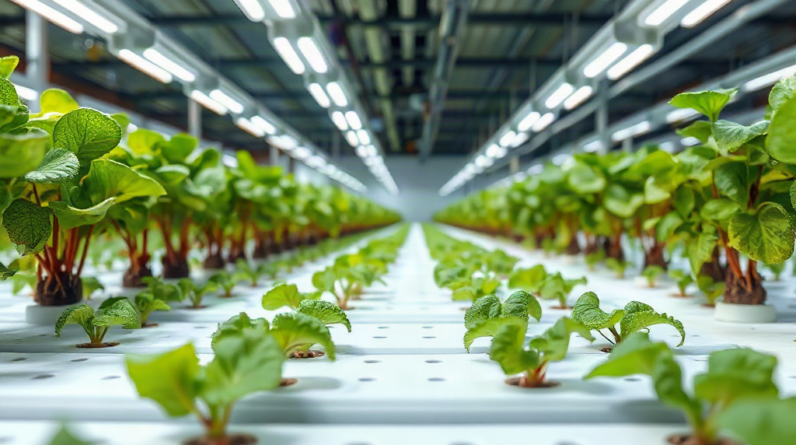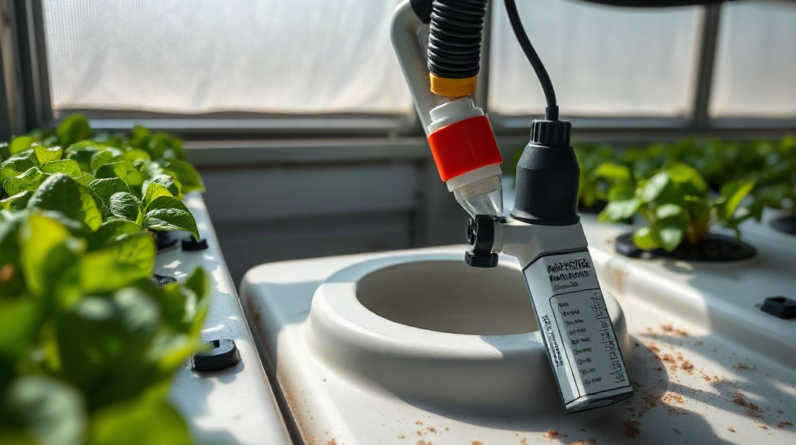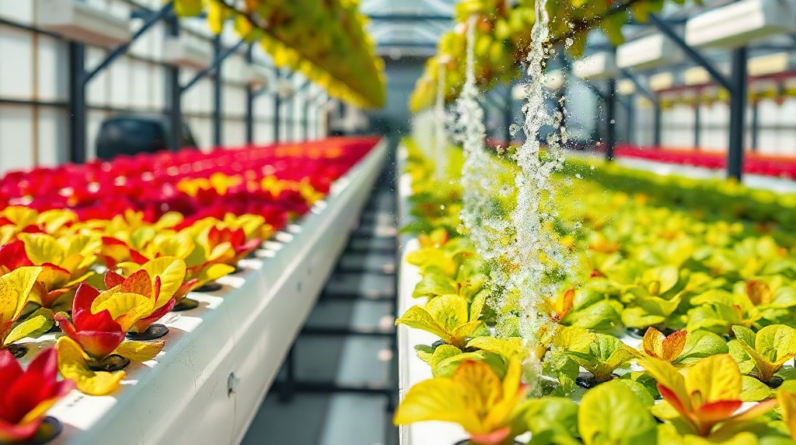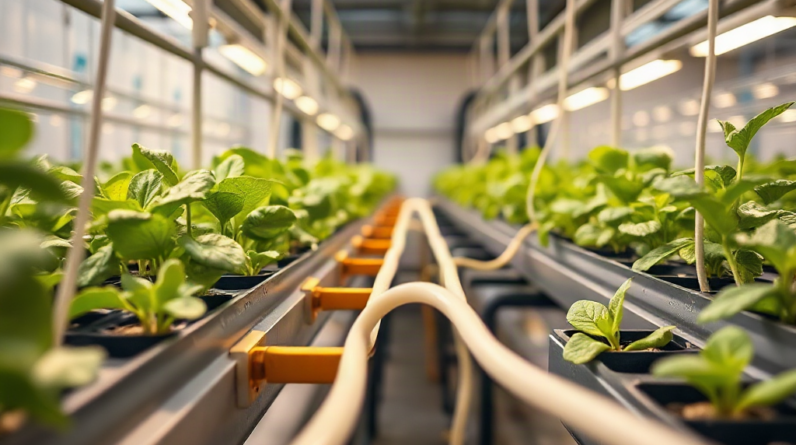
Select a hydroponic system for budget constraints by setting a total first-season spending limit, matching the growing method to the intended crops, and pricing every required component rather than comparing kit prices alone. Account for lights, pumps, nutrients, meters, replacement media, electricity, and backup parts before buying. Passive wick or compact deep-water culture setups usually suit limited starting budgets, while drip and nutrient-film systems become more sensible when capacity and control justify their extra hardware. Favor a smaller, complete setup over a large system that leaves too little money for lighting, water testing, or dependable operation.
Set a Complete Budget Before Comparing Designs
A useful hydroponic budget has separate allowances for construction or purchase, routine operation, and unexpected replacement costs. A low advertised kit price reveals little if the package excludes lighting, an air pump, net pots, growing media, nutrients, or instruments for checking the solution. Establishing these allowances first prevents an appealing base unit from consuming money needed to operate it.
Begin with the amount you can spend through the first harvest rather than the amount available on purchase day. Indoor gardens generally need a suitable grow light and a timer, while a system beside a bright window may still need supplemental light as daylight duration and intensity change. Recirculating designs require electricity for water or air movement. All designs consume nutrients, water, seed-starting material, and some growing media. pH test supplies are normally a higher priority than decorative accessories because an unsuitable root-zone pH can make nutrients less available even when the reservoir contains enough fertilizer.
Divide costs into three practical groups:
- Required to operate: reservoir, plant supports, plumbing or aeration where applicable, nutrients, light where needed, timer, and basic water-testing supplies.
- Required to maintain: replacement air stones, tubing, pump-cleaning items, growing media, seeds, and reservoir sanitation supplies.
- Useful but deferrable: automated dosing, environmental controllers, premium meters, trellising for crops not yet being grown, and expansion modules.
For example, a small deep-water culture kit may appear less expensive than a hand-built container. Once an air pump, opaque reservoir, lid, baskets, and media are added, however, the difference may narrow. The kit can still be worthwhile if its components fit correctly and replacement parts are standard. Conversely, a reused food-safe container may offer better value when the grower already owns an air pump and can make a secure, light-blocking lid.
Do not reduce the budget by omitting basic monitoring. An inexpensive liquid pH test can be more appropriate than a poorly maintained digital meter, but running without any way to assess pH creates avoidable uncertainty. Electrical safety also belongs in the required category: keep connections away from splashes, use equipment as directed, and avoid loading an outlet beyond its rated capacity. The practical goal is not the lowest checkout total; it is a complete garden that can remain in service without an immediate second purchase.
Match the Growing Method to Crops and Available Labor
Crop choice determines whether an inexpensive design remains economical after planting. Lettuce, basil, and other compact leafy crops can perform in relatively simple systems because they have modest structural demands and are usually harvested before becoming large. Tomatoes, cucumbers, and peppers need more root volume, support, light, and nutrient management, so the cheapest small kit may become a poor fit even if it can physically hold a seedling.
Passive wick systems have few moving parts and little electrical demand. They can suit herbs or small greens, particularly where simplicity matters more than rapid growth. Their limitation is the rate at which a wick can deliver solution. A large, thirsty plant may use water faster than the wick supplies it, causing uneven moisture around the roots. Buying a passive unit solely because it avoids a pump is therefore a weak economy when the intended crop exceeds its delivery capacity.
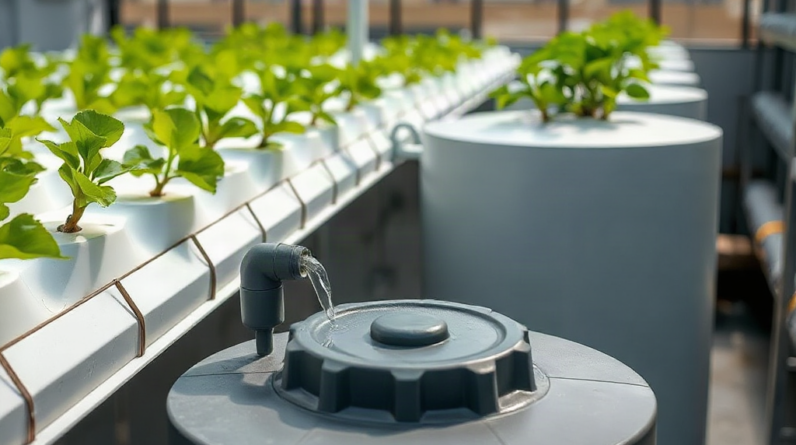
Deep-water culture places roots in an aerated nutrient solution. A single-container arrangement is inexpensive to assemble and easy to inspect, which makes it useful for a few leafy plants. The air pump and air stone add cost and noise, and failure of aeration can quickly reduce oxygen around submerged roots. Separate buckets isolate plants but require more individual solution checks; a shared reservoir reduces repetitive filling but adds plumbing and creates a common solution through which a problem can affect every site.
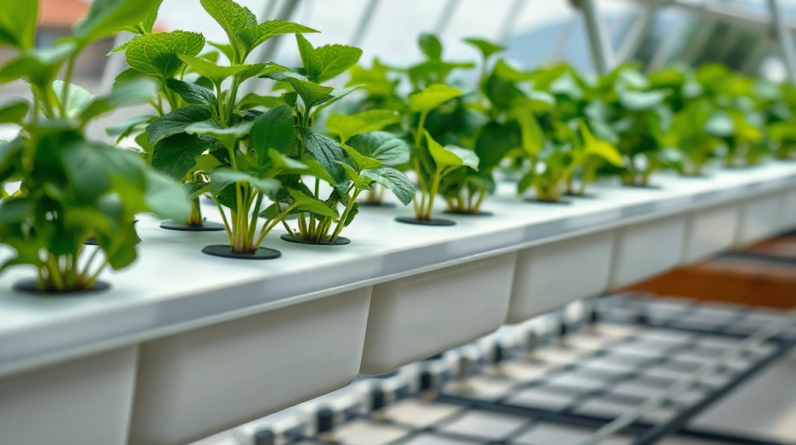
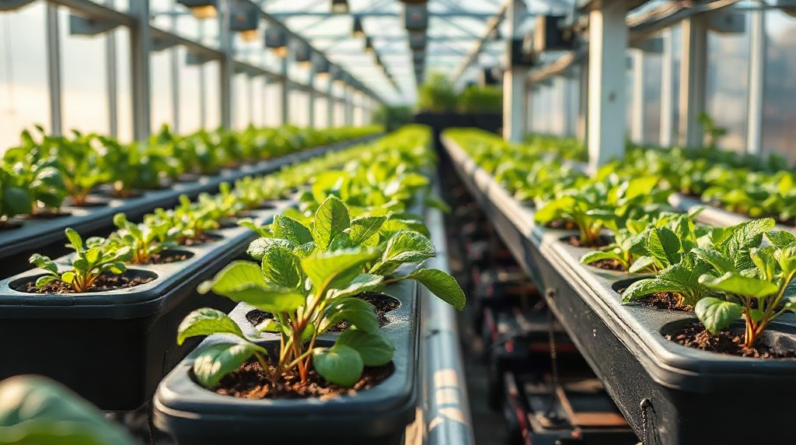
Nutrient-film technique can provide many planting positions in a compact layout, but it relies on continuous flow through correctly sloped channels. Small errors in channel level, root blockage, or pump operation can leave plants without adequate water. It may offer good value for repeated production of greens, yet it is rarely the most forgiving first purchase for someone unable to budget for dependable pumping and quick repairs. Drip irrigation accommodates larger plants and varied containers, although emitters, tubing, drainage, and clog management increase both setup work and maintenance.
Available attention matters as much as equipment price. A gardener who travels frequently may be better served by a larger reservoir that changes level and nutrient concentration more slowly, even if it costs more initially. Someone growing one or two herbs at a desk can accept manual checks that would become tedious across twenty containers. When considering how to select hydroponic systems for budget constraints, compare each design against the actual crop list, daily inspection time, noise tolerance, and acceptable consequence of a pump failure.
Compare Capacity, Reliability, and Expansion Costs
Plant-site count is not the same as useful production capacity. Closely spaced openings can accommodate seedlings, but mature leaves may overlap, shade neighboring plants, and restrict airflow. A twelve-site countertop unit may reasonably finish fewer large heads than its opening count suggests. Paying for extra holes has little value if the light footprint or physical spacing cannot support mature crops.
Evaluate capacity from the limiting component. For an indoor unit, that component is often light coverage rather than reservoir volume. Plants at the edge of a narrow fixture may stretch or grow more slowly, while adding more sites beneath the same lamp divides the available light among a larger canopy. In a recirculating system, pump flow, channel dimensions, and reservoir capacity can become the limiting factors. Expansion is only economical when those components can serve the added planting area without being replaced.
Standard parts usually offer better long-term value than proprietary components. Common tubing sizes, replaceable air stones, separate timers, and readily available net pots can be sourced without discarding the complete garden. An integrated countertop appliance may provide a tidy appearance and convenient controls, but a failed custom pump or light can be costly or difficult to replace. Check whether consumables and mechanical parts are sold separately before treating a discounted proprietary unit as a bargain.
Reliability should be priced according to the speed of failure. A wick system may decline gradually if the reservoir runs low. In nutrient-film technique, interrupted flow can expose a relatively small root mat and create stress much sooner. Deep-water culture retains water around the roots during an air-pump interruption, but oxygen availability falls while aeration is absent. A spare pump may be justified for a large recirculating garden; for one inexpensive bucket, regular inspection and a spare air stone may be proportionate.
Used equipment can lower acquisition cost, although opaque reservoirs, pumps, seals, and channels deserve close inspection. Cracked plastic, mineral buildup, persistent root debris, missing fittings, and unavailable replacement parts can erase the savings. Cleanability is especially important: channels with inaccessible interiors and reservoirs with awkward corners demand more labor and can retain residue.
A sound comparison estimates cost per usable planting position over several crop cycles, not merely cost per hole on the lid. Include replacement parts and likely expansion changes, but do not assume expansion is automatically desirable. A compact system that consistently fits the household’s herb and lettuce use may be more economical than a modular design whose unused capacity still requires cleaning, lighting, and solution.
Use a Purchase Checklist to Make the Final Choice
A final decision should eliminate unsuitable options before ranking the remaining choices by price. This prevents a low-cost design from winning despite failing a nonnegotiable requirement such as crop support, available floor area, quiet operation, or access to replacement parts. Write the intended crop quantity and growing location at the top of the comparison so that features are judged against a fixed use case.
Use this compact sequence for each candidate:
- Confirm crop compatibility. Check mature plant size, root space, support needs, and whether the method can deliver enough water and aeration.
- Inventory the package. Identify every missing pump, timer, fitting, basket, medium, meter, nutrient product, and light.
- Estimate one growing cycle. Add consumables and a reasonable allowance for electricity without relying on an unverifiable yield prediction.
- Test the failure points. Determine what happens if power, aeration, or water circulation stops and how quickly you could respond.
- Check serviceability. Favor accessible reservoirs, cleanable channels, standard fittings, and individually replaceable components.
Consider two growers with the same spending ceiling. The first wants six lettuce plants in a cool utility room and already owns a suitable light. A small air-pumped reservoir may direct most of the remaining money toward nutrients, testing, and spare aeration parts. The second wants two tomatoes in a warm room but owns no light or trellis. Spending the same amount on a multi-site countertop garden would leave insufficient root volume and canopy lighting. A smaller container-based drip arrangement may fit the plants better, but the grower may need to postpone the project until the budget covers adequate lighting and support.
Be cautious with projected yields and payback claims. Results change with cultivar, light, temperature, plant spacing, nutrient management, and operator attention. A system with more sites does not guarantee more harvest, and a sophisticated controller cannot compensate for inadequate light or a crop that is poorly matched to the root zone. Use yield estimates as planning ranges only, not as justification for stretching the budget.
Signs of a suitable purchase appear before harvest: the reservoir is accessible, water levels and pH can be checked without dismantling the unit, plants have room to mature, and routine tasks fit the owner’s schedule. Warning signs include frequent emergency top-ups, roots obstructing narrow channels, edge plants receiving weak light, or repeated purchases of overlooked accessories. Revisit how to select hydroponic systems for budget constraints whenever the crop list or growing space changes; the least expensive appropriate design can change with the use case.
Frequently Asked Questions
Which hydroponic system is usually cheapest for a beginner?
A passive wick setup or a single deep-water culture container is often among the least expensive options. Wick systems suit smaller crops, while deep-water culture adds aeration but can support leafy greens more reliably.
Should lighting be included in the system budget?
Yes. For an indoor garden, lighting may cost as much as or more than the reservoir and plumbing. Price the fixture, timer, and electricity before deciding how many plant sites are affordable.
Is a DIY hydroponic system always cheaper than a kit?
No. DIY construction can save money when you already own tools and compatible parts. A complete kit may cost less once separate fittings, shipping, mistakes, and replacement materials are counted.
How much of the budget should remain after buying the system?
Keep enough for nutrients, pH testing, growing media, seeds, and at least the most likely replacement part. The exact amount varies, so create a first-crop parts list before committing to hardware.
Are larger hydroponic systems cheaper per plant?
They can be, but only when the light, reservoir, pump, and growing area support every site. Unused or overcrowded positions add cleaning and operating costs without providing a proportional harvest.
Conclusion
Budget selection works best when price is treated as a full-cycle operating limit rather than a hardware discount. Define the crops and mature spacing first, then reserve funds for lighting, nutrients, testing, consumables, and the parts most likely to wear or fail. Compare passive, aerated, and recirculating designs by workload and failure consequences as well as capacity.
Before purchasing, build a line-item list for one crop cycle and remove any option that cannot provide adequate root space, light coverage, maintenance access, or replaceable components. A small serviceable setup offers a stronger foundation than an oversized kit with underfunded lighting or monitoring. Once the first unit produces consistently and its routine costs are known, expansion can be based on observed limitations instead of optimistic site counts or advertised yields.