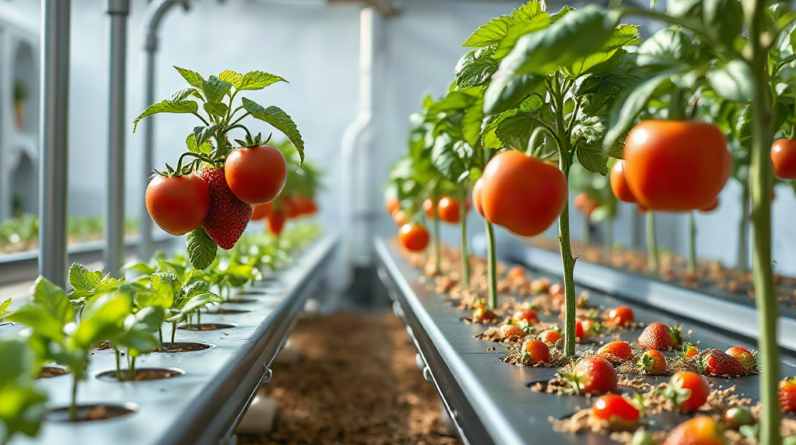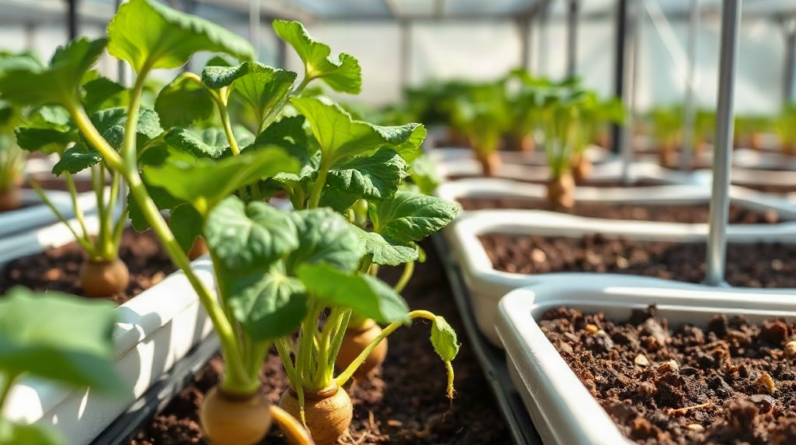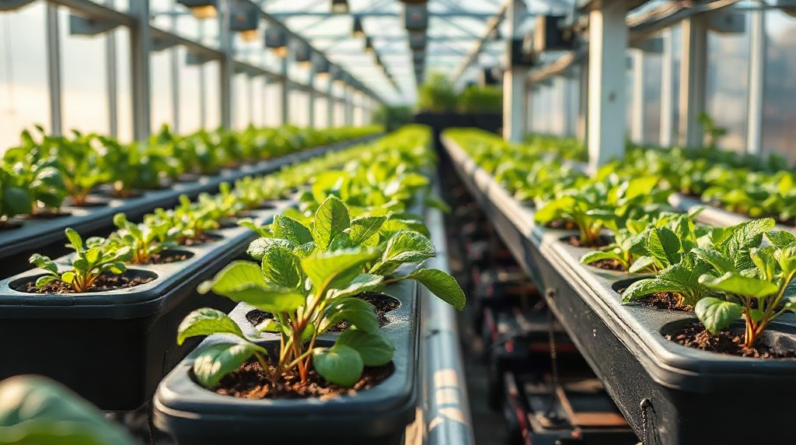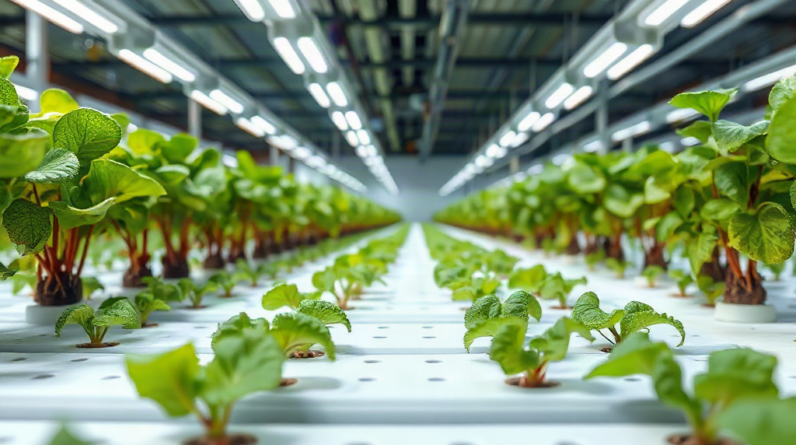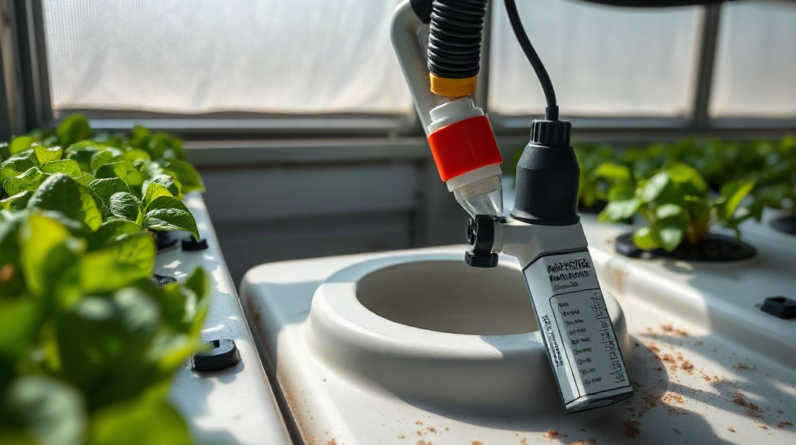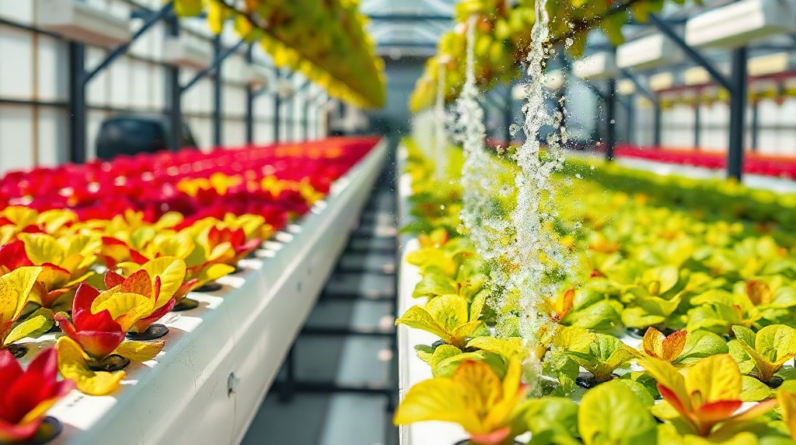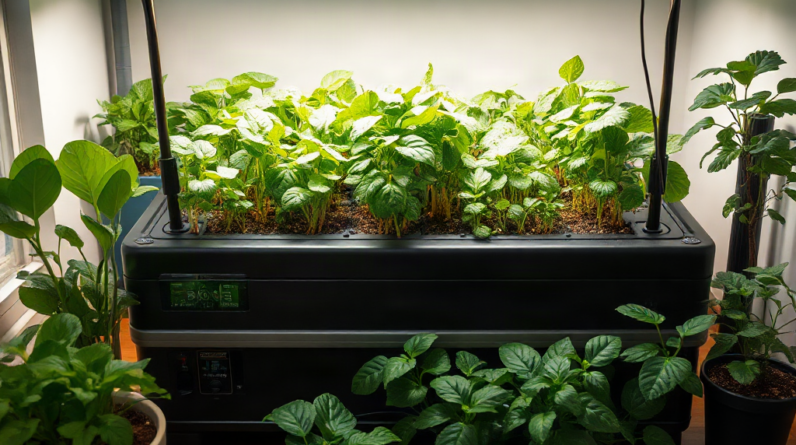
Hydroponic systems suited to apartment growing are compact deep-water culture units, countertop wick systems, and small recirculating towers chosen according to floor space, pump noise, spill risk, available light, and crop size. Countertop units work well for herbs and leafy greens, while a covered bucket or tote offers more root volume for larger plants. Renters should favor watertight reservoirs, accessible pumps, and lights that can be positioned without permanent fixtures. A modest system that fits a waterproof tray and remains easy to clean is usually more practical than a high-capacity installation with exposed plumbing or difficult nutrient changes.
Match the System to Apartment Constraints
Apartment suitability is determined less by the advertised plant capacity than by what happens during filling, cleaning, and equipment failure. A unit may fit neatly beside a window yet become impractical if its reservoir cannot be carried to a sink, its light shines into a sleeping area, or a loose hose could drain water onto the floor. Measure the intended location with the plants at mature height, not merely the dimensions of the empty unit.
Start with a footprint and access check. Allow room above the canopy for a grow light and enough clearance around the reservoir to lift its lid, inspect roots, and remove the pump. Consider the route to the nearest sink as well. A 20-liter reservoir is compact on paper but heavy and awkward when full, particularly across carpet or around furniture. A smaller removable tank or a system that can be drained with a dedicated hose may be easier to maintain.
Water containment deserves priority in a rental. Set the entire installation inside a rigid waterproof tray with enough raised edge to catch splashes and a modest leak. Keep hose connections over the tray rather than extending them across the room. Avoid locating a reservoir above electronics, near a landlord-provided wood cabinet, or where a pet can pull tubing loose. A water-resistant mat can protect against drips, but it does not replace a tray capable of holding liquid.
Light and household use further narrow the options. A studio apartment often favors a lidded countertop garden because its lamp, reservoir, and plant supports form one controlled unit. A spare-room corner can accommodate a bucket, storage tote, or narrow tower, provided the grow light can be hung from a freestanding rack. South-facing windows may supplement artificial light, but window light is frequently uneven, seasonal, and partly blocked by neighboring buildings. Treat it as a contribution rather than an automatic replacement for a suitable fixture.
A practical location checklist is short:
- Floor protection: Place the reservoir and every connection inside a waterproof containment area.
- Service access: Leave room to inspect roots, refill nutrient solution, and clean the unit.
- Usable light: Confirm that the fixture can cover the mature canopy without shining into occupied areas.
- Household compatibility: Account for pump hum, pets, children, ventilation, and building rules.
The common mistake is buying for the maximum number of planting sites. Crowded sites produce overlapping leaves, restricted airflow, and difficult cleaning long before they deliver a useful harvest. Select capacity according to mature plant spacing and the amount of weekly maintenance you can realistically perform. That principle should anchor any comparison of Hydroponic systems suited to apartment growing.
Compare the Most Practical System Types
Countertop recirculating gardens offer the simplest entry point for herbs, lettuce, and other compact greens. Their integrated lights reduce setup decisions, while small pumps circulate or aerate the nutrient solution. They are tidy and easy to place near a kitchen, but their short light posts and closely spaced openings can limit mature plants. Basil may quickly shade smaller herbs, and fruiting plants can outgrow the lamp even when a product label includes them among possible crops.
Passive wick systems are quieter and mechanically simple because they move nutrient solution through an absorbent wick rather than a pump. They suit small herbs or a few lightweight greens where silence matters. Their limitation is delivery rate: a wick may not keep pace with a large, thirsty plant, especially in a warm room. Salt can also accumulate in the root zone as water evaporates. A passive unit should therefore be inspected for uneven moisture and periodically refreshed rather than treated as maintenance-free.
Deep-water culture places roots in an aerated nutrient reservoir. A lidded bucket or opaque tote can provide generous root volume at a relatively modest cost, making it useful for lettuce, basil, or one carefully supported larger plant. The air pump introduces a steady hum, and the system depends on oxygenation. Warm solution, a failed air pump, or insufficient air movement can stress submerged roots quickly. Choose an opaque reservoir that blocks light, place the air pump where vibration will not amplify through furniture, and keep a spare air stone or diaphragm kit if the installation holds valuable plants.
Narrow recirculating towers use vertical height efficiently and can support several greens within a small floor area. They introduce more connections, a stronger pump, and a greater consequence if a line separates. Plants near the top and bottom may also receive different light levels unless the fixture arrangement is planned around the full tower. Towers make sense where floor area is severely limited and the user accepts regular pump and emitter inspections. They are less appealing beside carpet, in a sleeping room, or where the reservoir is hard to reach.
Nutrient film technique channels can be efficient for leafy crops, but compact appearance can hide operational sensitivity. Roots rely on a shallow, continuously moving film of solution, so pump interruption or an incorrect channel slope can leave them without moisture. Long channels also require horizontal clearance and secure leveling. For a first apartment installation, a self-contained countertop unit or deep-water container generally tolerates placement imperfections better than a custom channel network.
Drip systems can accommodate larger plants in media-filled containers, yet they bring emitters, return drainage, and more exposed tubing into the living space. They are best reserved for growers who need the root support of media and can test every connection inside a contained area. Choosing among Hydroponic systems suited to apartment growing should reflect acceptable failure modes, not just theoretical yield.
Plan Lighting, Water, Noise, and Electrical Safety
Indoor light must be evaluated across the entire mature canopy. A lamp that is adequate for four young lettuce plants may provide weak edge coverage once their leaves spread. Adjustable height is valuable because seedlings need a different lamp position than mature plants. Follow the fixture manufacturer’s distance and operating instructions, then watch the plants: elongated stems and leaning growth can indicate insufficient or uneven light, while bleaching, curled upper leaves, or excessive heat near the canopy may indicate that the fixture is too close.
Light schedules should fit the household as well as the crop. A timer removes daily switching errors and allows the brightest operating period to occur while residents are awake or away. In a studio, shielding the grow area from direct sight may improve comfort, but do not enclose a hot fixture in an unventilated cabinet. Lights and power supplies release heat, which can warm both the room and the nutrient reservoir.
Electrical layout requires a strict separation between water handling and energized equipment. Use equipment intended for its stated environment, keep plugs and power strips elevated away from the reservoir, and form drip loops so water running down a cord cannot reach a receptacle. Never handle plugs with wet hands. Building wiring and local requirements vary; if an outlet, extension arrangement, or protective device is uncertain, consult a qualified electrician rather than improvising around a sink or reservoir.
Pump noise often comes from vibration transferred into a shelf, wall, or hollow cabinet rather than from the motor alone. Set an external air pump on a stable vibration-damping pad without blocking its ventilation. Keep air lines from touching surfaces that may rattle, and clean water pumps when flow becomes irregular. A sudden change in sound can signal a restricted intake, low water level, or worn component. Turning a necessary aeration pump off at night is not a good noise solution because dissolved oxygen can fall while roots remain submerged.
Reservoir management affects plant health and apartment cleanliness at the same time. Use an opaque, covered container to suppress algae and reduce evaporation. Mark a normal operating level, top up as plants consume water, and replace solution on a schedule appropriate to the system, crop, and nutrient directions. Measure pH and electrical conductivity when using nutrients that call for those checks, but treat the readings as diagnostic tools rather than goals to chase with constant corrections. Rapid swings may point to a reservoir that is too small, inaccurate mixing, or a meter that needs cleaning and calibration.
Never pour concentrated nutrients together before dilution; follow the product’s mixing order and label rate. More fertilizer does not create faster growth when roots are already receiving an appropriate solution. Browning leaf margins, stalled growth, or an unexpectedly high conductivity reading can indicate excessive concentration, while pale growth may have several causes, including weak light, unsuitable pH, or depleted solution. Check the system before adding more nutrients.
Choose Crops and Build a Manageable Routine
Leafy greens and compact culinary herbs give apartment growers the best balance of size, turnaround, and manageable support. Loose-leaf lettuce, arugula, pak choi, basil, parsley, chives, and mint can be harvested without allowing every plant to reach maximum size. Mint should have its own site because vigorous roots can spread through shared channels or crowd neighboring plants. Cilantro is possible but may bolt quickly in a warm room, making temperature and succession sowing more relevant than adding extra fertilizer.
Fruiting crops require a more demanding combination of light intensity, root volume, support, airflow, and pollination. A compact pepper or dwarf tomato may grow in a bucket system, but “dwarf” does not mean countertop-sized. The plant can become top-heavy, drink rapidly, and need a stake or frame that does not rely on the net cup for support. Flowers grown indoors may need gentle manual pollination or airflow because natural pollinator activity is absent. For renters seeking a clean kitchen harvest, two basil plants and several lettuces are often more productive per unit of effort than one underlit tomato.
Crop spacing should be based on the final canopy. Filling every opening creates an attractive seedling display, then produces shading and humid pockets as leaves expand. Leave unused sites covered so light cannot reach the nutrient solution. Staggering new seedlings every week or two can provide recurring harvests without forcing plants of very different sizes to compete under one fixed lamp height.
A repeatable routine prevents small problems from becoming apartment-scale messes. Check the water level, pump flow, unusual sounds, wilt, and visible leaks each day. Once or twice a week, inspect roots and tubing, verify nutrient readings if the system is managed by them, remove damaged leaves, and wipe splashes before mineral deposits harden. Between crop cycles, disconnect power, empty the reservoir appropriately, remove root debris, and clean components according to their manufacturer’s directions.
Healthy roots are commonly light in color and firm, although nutrient products can stain them. Warning signs include a slippery coating, persistent unpleasant odor, widespread browning, or plants that wilt despite having access to solution. Begin by checking solution temperature, aeration, pump operation, and whether dead roots or algae are accumulating. Replacing the solution without correcting poor oxygenation or light entering the reservoir may produce only a temporary improvement.
Track the date of mixing, nutrient amount, water additions, pH or conductivity readings, and plant response. This simple record distinguishes gradual crop demand from sudden equipment trouble. It also exposes an undersized reservoir: if the level and concentration shift sharply every day, a larger container or fewer mature plants may be easier to manage. The most durable approach to Hydroponic systems suited to apartment growing is to expand only after one complete crop cycle has shown that cleaning, lighting, noise, and water handling fit the household.
Frequently Asked Questions
What is the easiest apartment hydroponic system for a beginner?
A self-contained countertop unit is usually the easiest because it combines the light, reservoir, pump, and timer. Its main limits are close plant spacing and insufficient height for large crops.
Can hydroponics damage an apartment floor?
Leaks, refilling spills, and condensation can damage vulnerable flooring. Keep the complete system and its hose connections in a rigid waterproof tray, and test the assembled unit before placing it near carpet or cabinetry.
Are apartment hydroponic systems noisy?
Passive systems are nearly silent, while air and water pumps produce some sound. Vibration-damping pads, clean pumps, secure tubing, and placement away from hollow furniture can reduce transmitted noise.
Can apartment hydroponics rely only on window light?
A bright window may support some herbs and greens, but nearby buildings, season, direction, and glass can reduce usable light. Uneven or elongated growth indicates that supplemental lighting may be needed.
Which crops should apartment growers avoid at first?
Large tomatoes, cucumbers, melons, and sprawling vines are difficult first crops because they demand strong light, substantial root volume, support, and frequent water management. Begin with lettuce or compact herbs.
Further Reading
Authoritative Sources
- Small-Scale Hydroponics
extension.umn.eduUniversity of Minnesota Extension explains system components, crop management, water quality, and sanitation for small hydroponic installations
- Hydroponic Systems and Plant Nutrition
extension.psu.eduPenn State Extension provides background on hydroponic system operation and the roles of essential plant nutrients
- Home Electrical Safety Checklist
cpsc.govThe U.S. Consumer Product Safety Commission checklist supports safer decisions around cords, outlets, and electrical equipment in the home
- WaterSense
epa.govThe U.S. Environmental Protection Agency offers practical water-efficiency information relevant to responsible indoor water use
Conclusion
An apartment installation should be sized around maintenance access and acceptable failure risk rather than the greatest possible plant count. Measure the mature canopy, contain the reservoir and connections, provide a controllable light source, and choose a pump arrangement whose sound fits the room. Countertop units suit compact greens and herbs; deep-water containers offer more root space; towers conserve floor area but demand closer inspection of pumps and plumbing.
Begin with a few crops, record water and nutrient changes, and complete a full grow-and-clean cycle before expanding. If plants stretch, roots deteriorate, readings swing rapidly, or hoses become difficult to inspect, correct the underlying capacity or equipment problem instead of adding more plants or fertilizer. A modest system that remains quiet, accessible, and easy to sanitize will serve an apartment grower better than a larger setup that strains the available space.