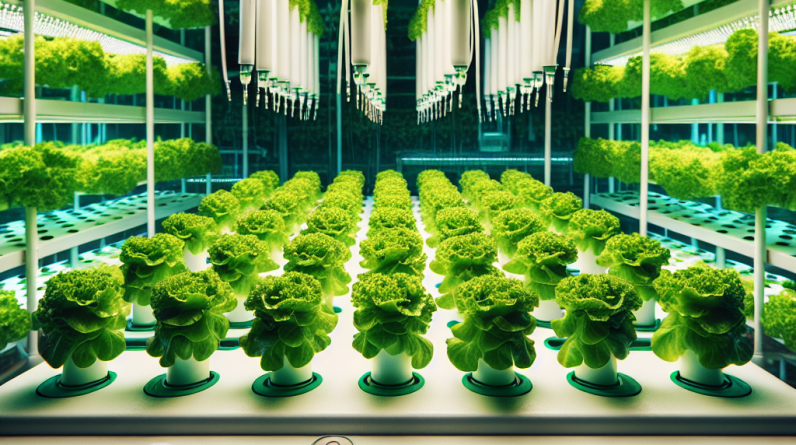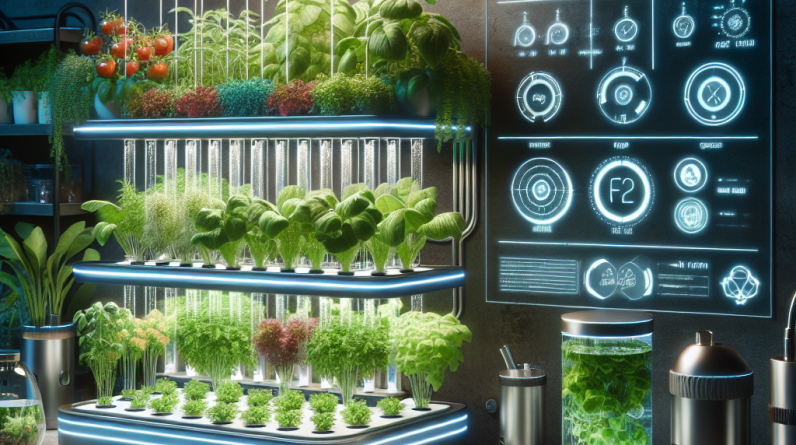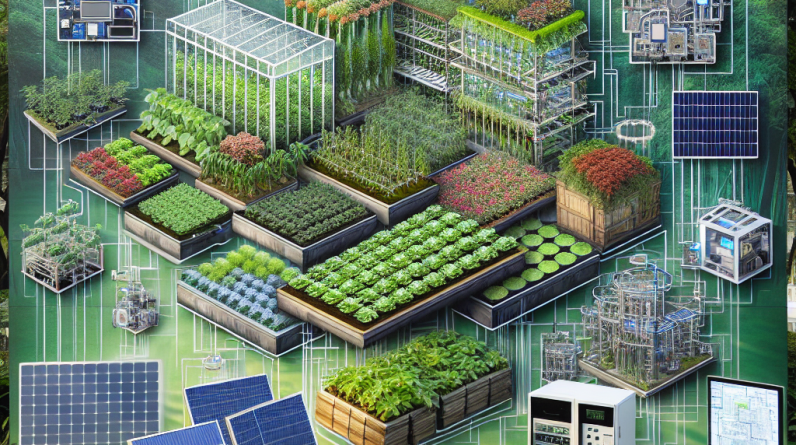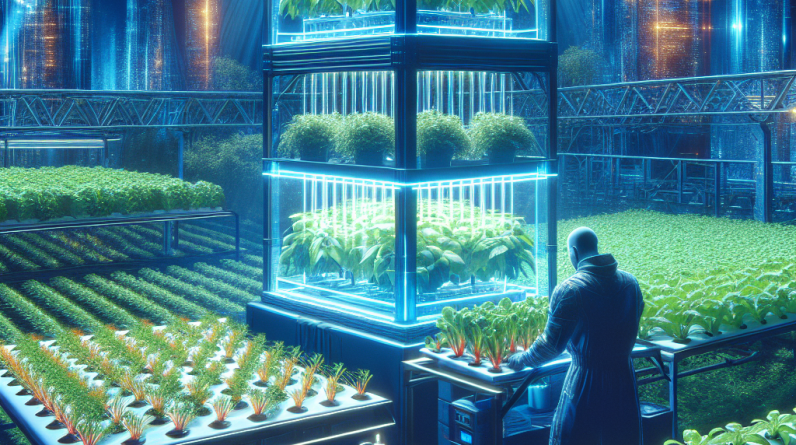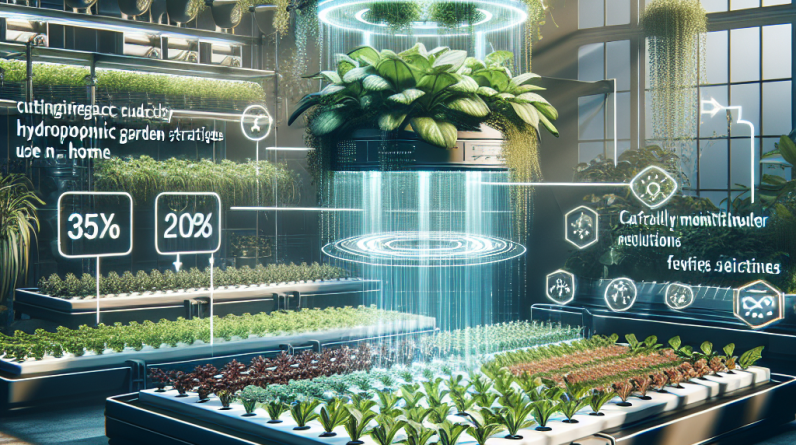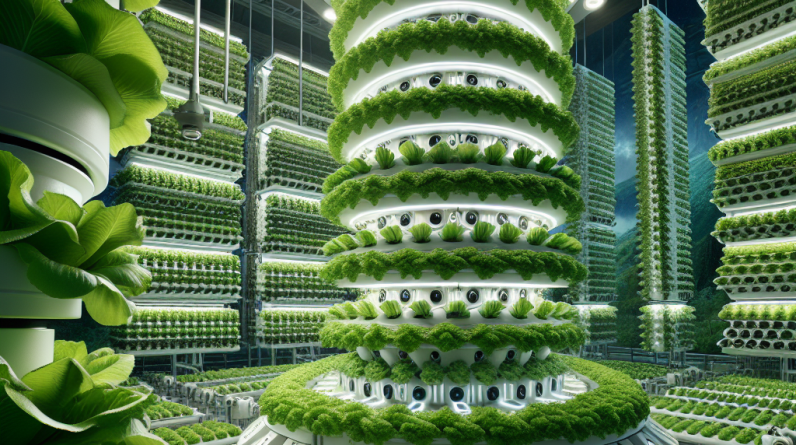
The best indoor hydroponic system integrates key components such as a water reservoir, nutrient delivery mechanisms, grow lights, and appropriate growing media to facilitate efficient plant growth indoors.
When selecting a hydroponic system, consider factors such as the types of plants you wish to grow, the available space, and your budget. Different systems, such as deep water culture, nutrient film technique, and aeroponics, offer various advantages and challenges. Understanding these differences will help you choose a setup that best meets your needs and maximizes productivity.
A common mistake among novice hydroponic gardeners is underestimating the importance of light and nutrient balance. Insufficient lighting can hinder plant growth, while an improper nutrient mix can lead to deficiencies or toxicities. Prioritize investing in quality grow lights and a well-balanced nutrient solution to avoid these pitfalls and ensure your indoor garden thrives.
Key Components of Hydroponic Systems
A successful hydroponic system relies on several critical components. The water reservoir acts as the foundation, providing the necessary hydration for the plants. Nutrient delivery systems, which can include pumps and tubing, ensure that plants receive the essential nutrients dissolved in water. Additionally, grow lights simulate sunlight, enabling photosynthesis in indoor environments.
Understanding the role of each component is crucial for optimal growth. For instance, the type of grow light chosen can significantly affect plant health; LED lights are energy-efficient and provide the right spectrum for growth. Furthermore, selecting a suitable growing medium, such as rock wool or clay pellets, can enhance root development and nutrient absorption.
When assembling your system, ensure that each component is compatible. A mismatch between the water pump capacity and the reservoir size can lead to inefficiencies or system failure. Prioritize quality components to build a reliable setup that supports plant health and growth.
Types of Hydroponic Systems
There are several hydroponic systems, each with unique advantages tailored to different gardening styles. Deep water culture (DWC) involves suspending plant roots in nutrient-rich water, promoting rapid growth. Nutrient film technique (NFT) circulates nutrient solution over plant roots, minimizing water use while providing essential nutrients.
Another popular option is aeroponics, where plant roots are misted with nutrient solution, maximizing oxygen exposure and promoting healthy root growth. Understanding these systems allows you to select one that fits your available space and desired plant types.
Consider your gardening goals when choosing a system. For beginners, DWC may be the easiest to manage, while more experienced gardeners might appreciate the efficiency of aeroponics. Evaluate your priorities, such as space constraints and maintenance requirements, to make an informed decision.
Setting Up Your Hydroponic Garden
Setting up a hydroponic garden involves careful planning and execution. Start by selecting a suitable location that can accommodate your chosen system and has access to electrical outlets for grow lights and pumps. Once the space is prepared, assemble your system according to manufacturer instructions, ensuring all components are correctly installed.
Next, fill the reservoir with water and add the appropriate hydroponic nutrients according to the manufacturer’s guidelines. Calibrate your pH levels to ensure optimal nutrient absorption, typically aiming for a pH range of 5.5 to 6.5. All in all, introduce your plants into the system, monitoring their progress closely.
Keep in mind that ongoing maintenance is crucial for success. Regularly check water levels, nutrient concentration, and pH balance to prevent issues that can arise from imbalances. Establish a routine to inspect your system for any signs of algae growth or pump malfunctions to maintain a healthy environment.
Common Mistakes to Avoid
Many new hydroponic gardeners encounter challenges that can hinder their success. One common mistake is neglecting to monitor nutrient levels, leading to deficiencies or toxicities that affect plant growth. Regularly test and adjust nutrient concentrations based on plant needs and growth stages.
Another pitfall is overcrowding plants within the system, which can lead to competition for light and nutrients. Ensure adequate spacing between plants to promote healthy growth and airflow. Additionally, be cautious about the lighting duration; excessive light exposure can stress plants, while insufficient light can stunt growth.
To avoid these mistakes, maintain a detailed log of your plants’ growth, nutrient adjustments, and environmental conditions. This practice will help you identify patterns and make informed decisions, ultimately leading to a more successful indoor garden.
Further Reading
Authoritative Sources
- Hydroponic Gardening Basics
example.comA comprehensive resource for understanding the fundamentals of hydroponic gardening, including various systems and best practices
- Advanced Hydroponics Techniques
example.comExplore advanced techniques and innovations in hydroponic gardening to enhance your setup and yield
- Nutrient Solutions for Hydroponics
example.comDetailed information on how to create and maintain effective nutrient solutions for hydroponic systems
- Common Hydroponic Problems and Solutions
example.comIdentify and troubleshoot common issues faced by hydroponic gardeners to ensure healthy plant growth
Frequently Asked Questions
What is the best hydroponic system for beginners?
Deep water culture (DWC) is often recommended for beginners due to its simplicity and effectiveness in promoting rapid plant growth.
How often should I change the water in my hydroponic system?
Change the water every two to three weeks to prevent nutrient imbalances and algae growth while ensuring optimal plant health.
Can I use tap water in my hydroponic system?
Yes, but it’s important to test the pH and chlorine levels. Treat tap water as needed to ensure it’s suitable for your plants.
What types of plants grow best in hydroponics?
Leafy greens like lettuce, herbs, and small fruiting plants like strawberries thrive well in hydroponic systems.
How much light do hydroponic plants need?
Most hydroponic plants require 12-16 hours of light per day, depending on the species and growth stage; adjust as necessary.
Conclusion
In summary, selecting the best indoor hydroponic system involves understanding the essential components and types available. Focus on creating a balanced environment and avoid common mistakes to ensure a thriving indoor garden. By prioritizing quality components and regular maintenance, you can enjoy the benefits of hydroponic gardening, including higher yields and healthier plants. Start with a system that suits your needs and grow your indoor garden with confidence.
Related Content
- The Secret to Thriving Plants Without Soil
- The Ultimate Guide to Hydroponic Growing Without Soil in 2025: 7 Effective Tips to Boost Your Harvest
- Ivation 7-Pod Indoor Hydroponics Kit Herb Garden Planter Review
- Indoor Farming Innovations: Explore Hydroponics
- How to Choose the Best Hydroponic Nutrients for Your Plants