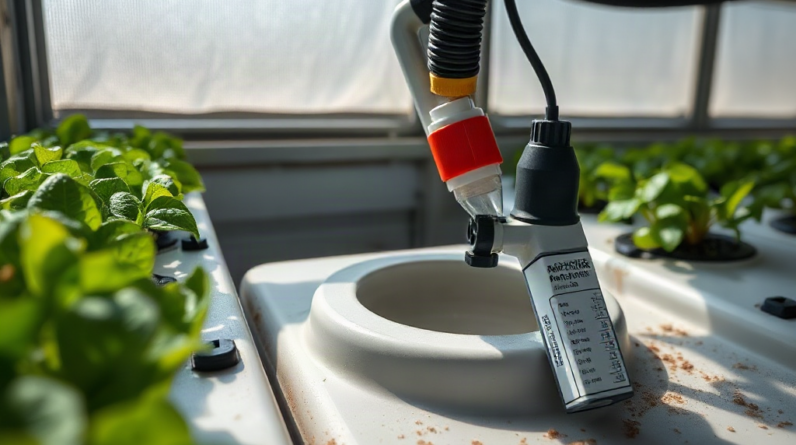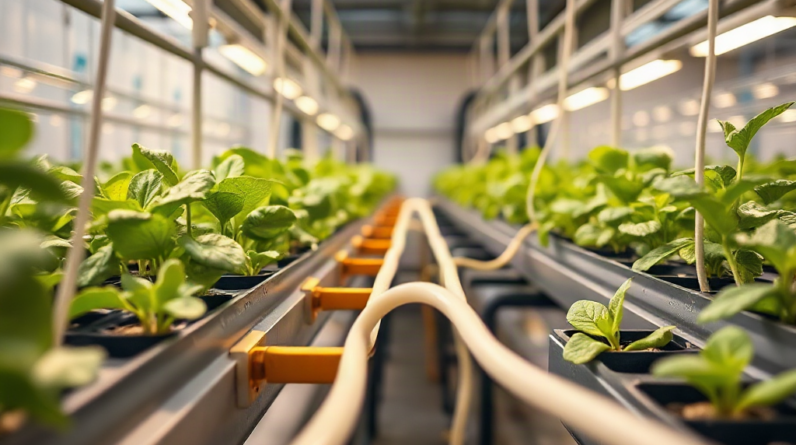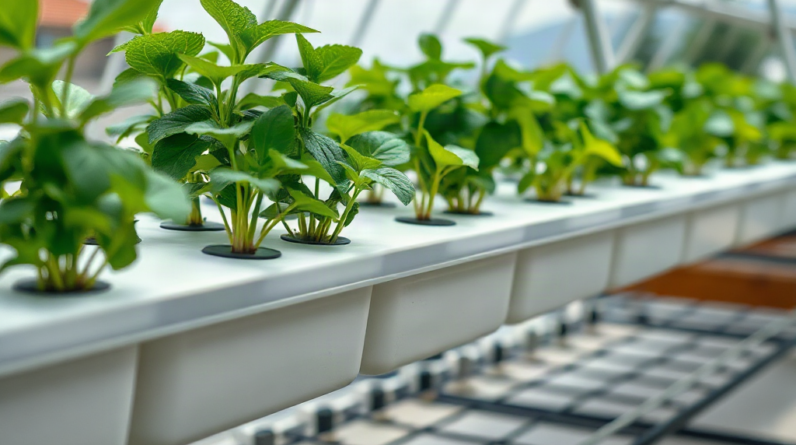
Poor water quality in hydroponics can severely impact plant health, leading to nutrient deficiencies, diseases, and stunted growth. Contaminants like chlorine and heavy metals can damage roots and reduce nutrient uptake, while imbalanced pH levels hinder essential nutrient availability. To mitigate these risks, growers should regularly test water quality, adjusting pH and removing contaminants as needed. Implementing a routine maintenance schedule for water quality checks can prevent crop failures and promote robust plant development, ensuring a successful hydroponic gardening experience.
Understanding Water Quality in Hydroponics
Water quality is a critical factor in hydroponic systems, influencing plant health and growth. In hydroponics, plants rely entirely on nutrient solutions delivered through water, making it essential to monitor and maintain optimal water conditions. Key parameters include pH levels, electrical conductivity (EC), and the presence of contaminants. Understanding these factors helps growers prevent problems before they escalate.
Water acts as a medium for nutrient transport, and any degradation in its quality can lead to detrimental effects on plant development. For example, a pH imbalance can hinder nutrient absorption, while contaminants can introduce pathogens that threaten plant health. Therefore, regular monitoring and management of water quality are vital for successful hydroponic gardening.
Common Water Quality Issues
Several common water quality issues can arise in hydroponic systems, each presenting unique challenges. Contaminants such as chlorine, heavy metals, and pathogens can harm plants. High salinity levels can lead to osmotic stress, where plants struggle to absorb water. Additionally, imbalanced pH levels can prevent nutrient availability, causing deficiencies.
For instance, if water contains high levels of chlorine, it can damage root systems and reduce overall plant vigor. Similarly, heavy metals can accumulate in plants, affecting their growth and making them unsafe for consumption. Identifying these issues early is crucial, as they can lead to widespread crop failure if left unaddressed.
Impact of Poor Water Quality on Plant Health
The impact of poor water quality manifests through various symptoms, including stunted growth, yellowing leaves, and poor fruit development. Nutrient deficiencies, often a direct result of water quality issues, can lead to visible signs such as chlorosis, where leaves turn yellow due to lack of chlorophyll. In severe cases, plants may fail to thrive, leading to reduced yields.
Moreover, diseases can proliferate in suboptimal water conditions. For example, root rot, caused by pathogens in contaminated water, can decimate entire crops. Understanding these impacts helps growers take proactive measures to protect their plants and ensure healthy growth.
Preventative Measures and Solutions
To mitigate the consequences of poor water quality, growers should implement several preventative measures. Regular testing of water for pH, EC, and contaminants is essential. Utilizing filtration systems can remove harmful substances, while pH adjusters can help maintain optimal levels. Additionally, using high-quality water sources can significantly reduce risks.
For example, investing in a reverse osmosis system can provide clean water free from contaminants, enhancing overall plant health. Furthermore, educating oneself about water management practices can empower growers to make informed decisions, ensuring their hydroponic systems remain productive and sustainable.
Frequently Asked Questions
What are the signs of poor water quality in hydroponics?
Signs include yellowing leaves, stunted growth, and the presence of algae or slime in the system.
How often should I test the water in my hydroponic system?
Testing should be done weekly to ensure optimal conditions and catch any issues early.
Can I use tap water for hydroponics?
It depends on the water quality; tap water may contain chlorine or heavy metals that can harm plants.
What is the ideal pH level for hydroponic water?
The ideal pH level for hydroponics is typically between 5.5 and 6.5, depending on the plants being grown.
How can I improve water quality in my hydroponic system?
Improvement can be achieved through regular testing, filtration systems, and using high-quality water sources.
Further Reading
For more in-depth information on water quality in hydroponics, consider the following resources:
Authoritative Sources
- USDA Agricultural Research Service
usda.govThis source provides valuable insights into agricultural practices, including water quality management in hydroponics
- Purdue University Extension
extension.purdue.eduOffers comprehensive guidelines on water management and quality testing for hydroponic systems
- Natural Resources Conservation Service
nrcs.usda.govFocuses on sustainable practices, including water conservation and quality improvement
- Hydroponics.com
hydroponics.comA platform for hydroponic enthusiasts, providing resources on water quality and system management
Conclusion
Maintaining water quality is paramount in hydroponic systems to ensure healthy plant growth and prevent crop failures. Regular testing, understanding common issues, and implementing preventative measures can significantly reduce the risks associated with poor water quality. Growers should prioritize clean water sources and stay informed about best practices to optimize their hydroponic gardens.