Choose the Right Harvest Point
Storage life begins before a vegetable leaves the growing system. A plant harvested at the correct maturity usually has better texture and stronger tissue than one left too long or cut while underdeveloped. The ideal point depends on the crop: salad greens are generally best when leaves are full-sized but still crisp, cucumbers should be firm before seeds enlarge, and peppers can be picked when they have reached the desired size even if color development is not complete.
Hydroponic produce often contains substantial surface moisture because roots receive a steady water supply and indoor humidity may remain elevated. That does not mean the vegetable should be harvested wet. Cut during the coolest part of the light cycle, when leaves are firm and the growing area is dry. Avoid harvesting immediately after misting, foliar spraying, or a nutrient-system spill. Surface water left in folds or around cut stems can become condensation inside a container.
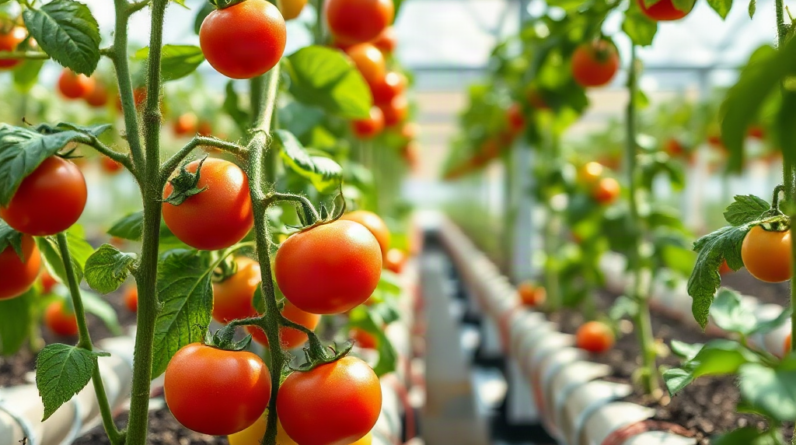
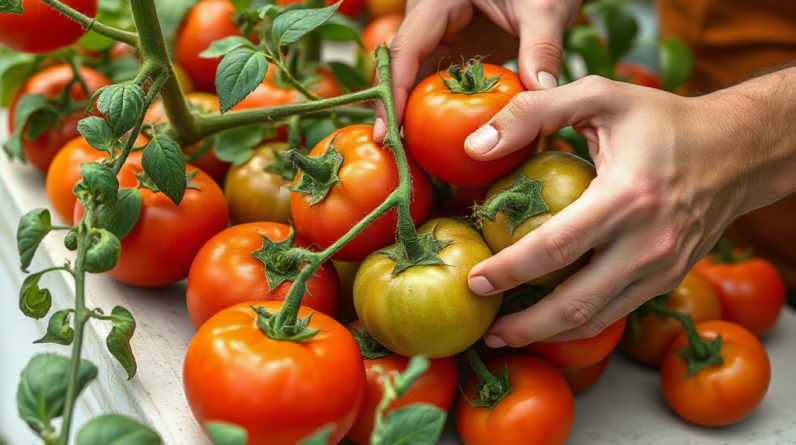
Harvest maturity also involves a tradeoff. Younger greens may be tender but bruise easily, while older leaves can have tougher texture and more damaged edges. A cucumber that is oversized may store acceptably for a short period but often has softer flesh and larger seeds. Tomatoes are a special case: they may continue ripening after picking, but refrigeration can reduce eating quality, so their storage plan should be based on ripeness and intended use rather than maximum cold.
Use a simple inspection before cutting. Reject or separate produce with yellowing, insect injury, split tissue, soft spots, or suspected disease. Those defects do not necessarily make the entire harvest unusable, but they shorten the useful life of neighboring pieces. The harvesting schedule should therefore include a quick quality decision, not just a date on the calendar.
Cut, Handle, and Cool Produce Carefully
Clean cuts and gentle handling protect the tissues that preserve freshness. Use a clean, sharp knife or harvest scissors, and avoid tearing stems from the plant. Jagged wounds expose more tissue and can release moisture more quickly. Do not pile delicate leaves beneath heavier vegetables; compression damages cells, creating darkened patches that may appear before obvious spoilage.
Move harvested vegetables away from grow lights and warm equipment as soon as practical. Cooling reduces respiration and slows water loss, but the method should suit the crop. Leafy greens generally benefit from prompt refrigeration, whereas some fruiting vegetables are sensitive to excessive cold and may lose texture or develop chilling injury. A refrigerator is not automatically the best place for every hydroponic crop.
Washing before storage is another point where convenience can work against longevity. Clean produce at harvest only when soil or residue requires it, and dry it completely before packing. For greens, a salad spinner followed by a short period on clean towels can remove free water. Patting alone may leave droplets between leaves. Conversely, aggressive spinning or rubbing can bruise tender foliage. The useful target is a clean surface without visible water, not bone-dry, wilted leaves.
For a small harvest, place greens in a breathable container lined with a clean towel and cool them promptly. For larger quantities, harvest into shallow containers so the lower layers are not crushed. A common mistake is sealing warm, damp produce in an airtight tub. The container then becomes a humid chamber, and condensation forms as the contents cool. That moisture often causes slimy leaves faster than the original harvest conditions would have.
Match Storage Conditions to Each Vegetable
Different vegetables lose quality through different mechanisms, so storage should be organized by crop rather than by convenience. Leafy greens and tender herbs lose water quickly, while peppers, cucumbers, and eggplants are firmer but can suffer texture changes when exposed to unsuitable temperatures. Separating these groups makes it easier to control humidity and inspect deterioration.
Leafy greens and herbs
Leaf lettuce, kale, chard, and similar greens generally need high humidity with enough ventilation to prevent free water from collecting. A perforated bag or a container with a loose-fitting lid can work better than an unvented plastic box. A dry towel may absorb small amounts of condensation, but replace it when damp. Basil is more cold-sensitive than many salad greens and may keep better at a mild room temperature away from direct light than in the coldest part of a refrigerator.
Fruit-bearing vegetables
Cucumbers, peppers, and eggplants should be stored clean and dry, protected from crushing. Peppers are often more tolerant of refrigeration than basil, while cucumbers and eggplants may show quality loss if held too cold for too long. A firm, unblemished cucumber stored briefly in a breathable bag may remain useful longer than one tightly wrapped while still warm. Tomatoes are best assessed individually: ripe fruit intended for immediate eating may be kept at room temperature, while cut tomatoes require refrigeration and prompt use.
Produce should not be forced into one universal “crisper” method. The best choice depends on temperature, humidity, maturity, and how soon the vegetables will be eaten. If a refrigerator runs very dry, greens may wilt despite being cold; if it is crowded and humid, condensation may become the limiting problem. Test one small batch first rather than committing an entire harvest to a new container or setting. The storage method should preserve the crop’s texture, not merely extend the number of days it remains technically edible.
Prevent Moisture, Damage, and Early Spoilage
Moisture management is the central storage problem for many hydroponic vegetables. Produce continuously exchanges water with the surrounding air. Low humidity pulls moisture from leaves and causes wilting; excessive humidity combined with wet surfaces encourages decay. Good storage creates a middle ground: enough humidity to limit dehydration, with sufficient air exchange to keep droplets from remaining on the produce.
Condensation is a useful warning sign. If the inside of a bag or container is fogged, inspect the vegetables, wipe or replace damp liners, and improve ventilation after the produce has cooled. Do not repeatedly open a container without a plan, though; frequent warm-air exchange can create more temperature fluctuation. A loose lid, small vents, or a breathable produce bag is usually more practical than leaving everything uncovered in a dry refrigerator.
Physical damage deserves equal attention. Bruises, torn leaves, and broken stems create weak points where decay can develop. Store heavy peppers or cucumbers separately from fragile greens, and avoid filling containers to the top. Harvest baskets that are convenient in the grow room may be poor long-term storage vessels if they allow produce to sit in deep layers.
Inspect stored vegetables every day or two. Remove a visibly soft or moldy item immediately, and discard any food with extensive mold or an unpleasant odor rather than trying to rescue the whole container. Slimy leaves should be separated from sound leaves, but questionable produce should not be mixed back into a fresh batch. The most common misconception is that refrigeration fixes poor handling. Cold slows deterioration; it does not reverse tissue damage, remove contamination, or dry wet surfaces.
Build a Practical Storage Routine
A repeatable routine makes longer storage more realistic than relying on a single container. Begin by planning the harvest around actual use. If a household will eat greens within two days, harvesting only what is needed may preserve better quality than cutting a large batch and trying to hold it for a week. Storage is most valuable when the crop produces more than the next meal but not so much that containers become overcrowded.
Use this compact sequence for each harvest:
- Check maturity, firmness, color, and visible defects before cutting.
- Harvest with clean, sharp tools during a cool, dry period.
- Separate tender greens, herbs, and firm fruiting vegetables.
- Remove damaged material and dry visible surface moisture.
- Cool crops that tolerate refrigeration, then pack them with suitable ventilation.
- Label the container with the harvest date and inspect older produce first.
Labeling prevents a sound harvest from being forgotten behind a newer one. It also reveals patterns in the growing environment. If greens repeatedly wilt within a short time, the cause may be excessive air movement, low refrigerator humidity, or harvesting after moisture has evaporated from the leaves. If they repeatedly become slimy, look for wet packing, poor ventilation, or overcrowding. These observations are more useful than changing containers at random.
Realistic storage expectations matter. A healthy, carefully handled crop may remain useful longer than a bruised or overmature one, but no packaging method preserves harvest quality indefinitely. Prioritize texture and food safety over squeezing out one extra day. When a crop is approaching the end of its prime, use it in cooked dishes, sauces, soups, or blended preparations rather than continuing to store it beside fresh produce. For system-specific planning, the harvest and storage checklist can be adjusted to the crop mix, refrigerator conditions, and household schedule.
Frequently Asked Questions
Should hydroponic vegetables be washed before storage?
Wash only when needed, then dry the produce thoroughly. Packing wet greens commonly leads to condensation and faster decay.
What is the best time of day to harvest?
A cool, dry period is usually preferable, especially before lights or indoor heat raise plant and room temperature. Avoid harvesting immediately after spraying or misting.
Can all hydroponic vegetables go in the refrigerator?
No. Leafy greens often benefit from refrigeration, but basil, tomatoes, cucumbers, and eggplants can respond differently to cold. Match the temperature to the crop and intended use.
Why do stored greens become slimy?
Common causes include wet leaves, trapped condensation, poor ventilation, bruising, and overcrowded containers. Remove damaged leaves and improve drying and airflow.
How can storage life be extended without special equipment?
Harvest gently, separate crop types, remove damaged pieces, dry visible moisture, use shallow breathable containers, and rotate older produce first.
Further Reading
Authoritative Sources
- Academy of Nutrition and Dietetics
eatright.orgProfessional nutrition guidance, healthy eating resources, and practical dietitian-reviewed advice.
- U.S. Department of Agriculture
usda.govOfficial food, nutrition, agriculture, and consumer guidance from the USDA.
- NIH Office of Dietary Supplements
ods.od.nih.govResearch-based fact sheets on nutrients, supplements, dietary intake, and safety considerations.
- International Society of Sports Nutrition
sportsnutritionsociety.orgEvidence-informed sports nutrition resources and position stands for active people and athletes.
Conclusion
Longer storage depends less on a specialized container than on the sequence before the container is closed. Pick vegetables at a sound maturity, harvest with clean tools, avoid crushing, and remove surface moisture without dehydrating tender leaves. Then separate crops by their tolerance for cold and humidity rather than treating the entire harvest alike. Breathable packaging, prompt cooling where appropriate, and regular inspection address the main causes of wilting, condensation, and decay. Keep dated batches small enough to manage, and use questionable or declining produce before it contaminates fresher food. After a few harvests, adjust the routine based on what you observe: repeated wilting points to moisture loss, while repeated slime points to wet packing or inadequate ventilation.