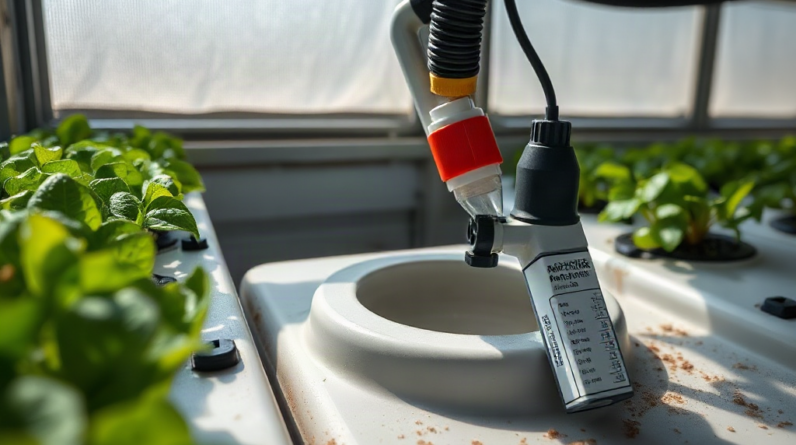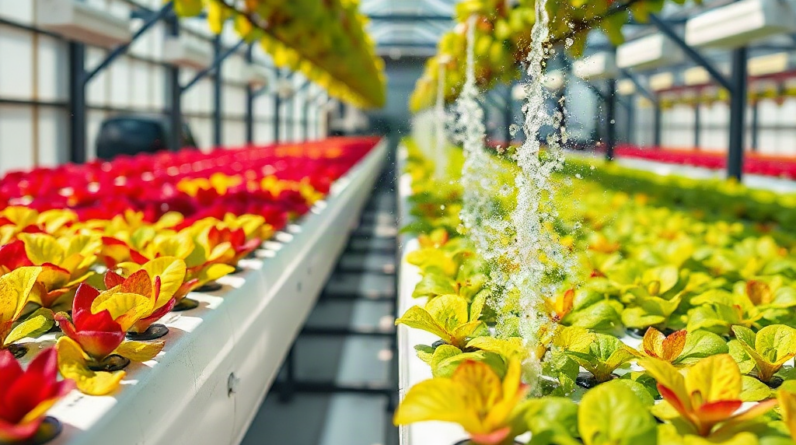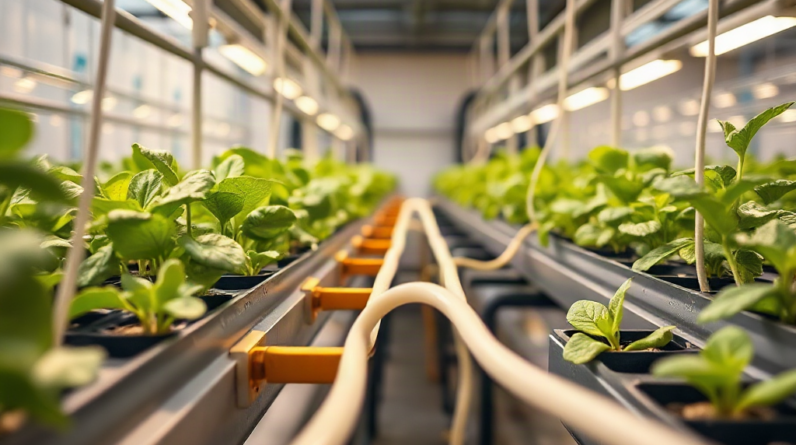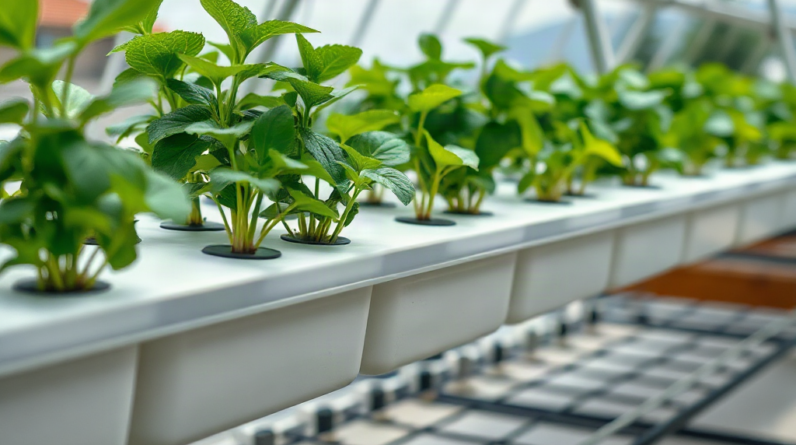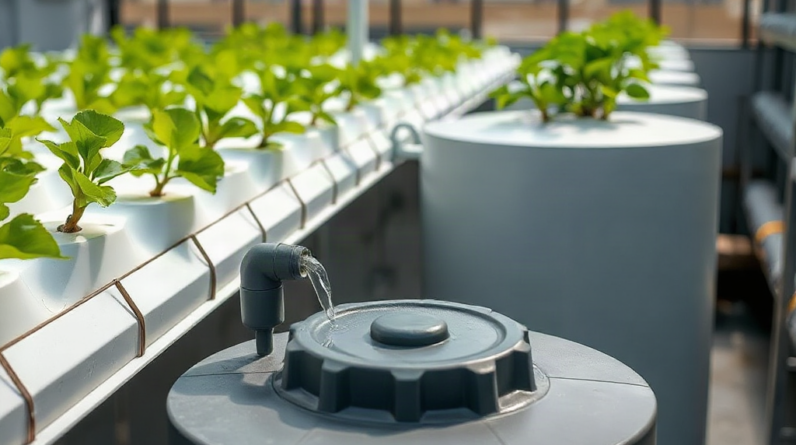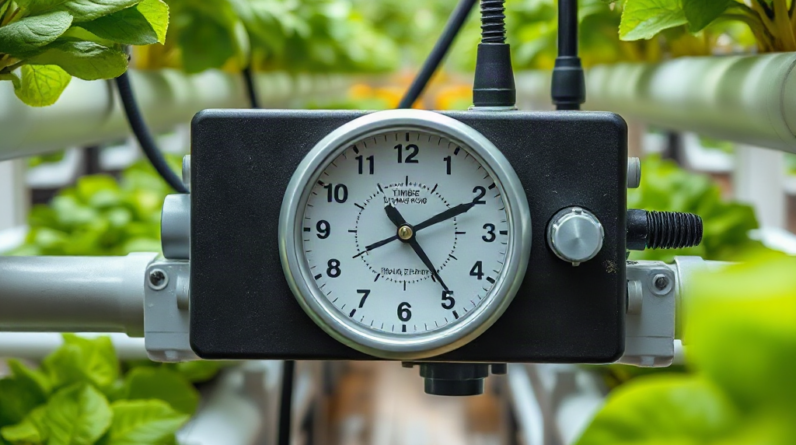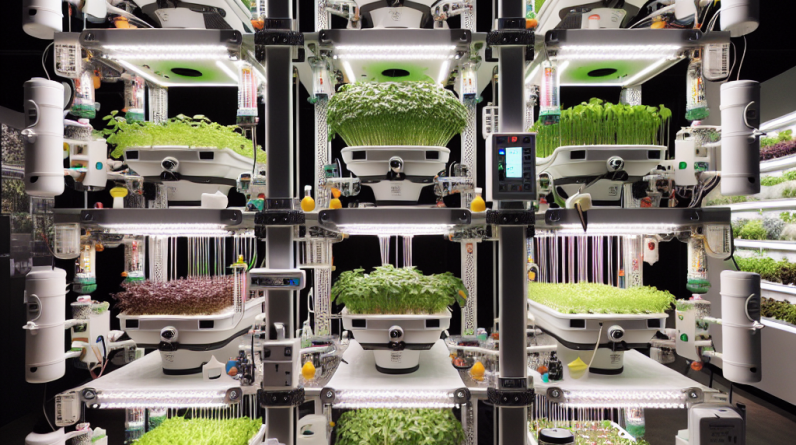
To avoid mineral buildup in hydroponics, it is essential to use high-quality water with low mineral content and regularly monitor nutrient levels. Hard water can introduce excess minerals, leading to crystallization and clogs in your system. Implementing a routine of flushing your hydroponic system with clean water can help remove any accumulated deposits. Additionally, avoid over-applying nutrient solutions, as this can create a surplus that plants cannot absorb efficiently. By maintaining balanced nutrient concentrations and monitoring your system, you can ensure optimal growth conditions for your plants.
Understanding Mineral Buildup
Mineral buildup in hydroponics refers to the accumulation of dissolved nutrients that can precipitate and form deposits in the system. This buildup can lead to issues such as nutrient lockout, where plants cannot absorb essential minerals, ultimately hindering their growth and health. Understanding how these minerals interact in a hydroponic system is crucial for maintaining optimal plant health.
Minerals such as calcium, magnesium, and potassium are vital for plant growth, but when concentrations exceed recommended levels, they can crystallize and clog pipes and emitters. Regular monitoring of nutrient concentrations and maintaining a balanced solution are essential steps in preventing these issues.
Causes of Mineral Buildup
Several factors contribute to mineral buildup in hydroponic systems. One primary cause is the use of hard water, which contains high levels of dissolved minerals. When this water is used in nutrient solutions, it can lead to excessive mineral concentrations, especially if not properly diluted.
Another factor is the over-application of nutrient solutions. Many growers assume that more nutrients will yield better results, but this can lead to a surplus of minerals that the plants cannot absorb efficiently. Additionally, evaporation can concentrate minerals in the remaining solution, exacerbating the problem.
Preventive Measures
To effectively prevent mineral buildup, it is essential to implement a few key strategies. First, always use high-quality water with low mineral content. Reverse osmosis (RO) systems can help in achieving this by filtering out unwanted minerals.
Second, regularly check and maintain the pH of your nutrient solution, as improper pH can hinder nutrient absorption and lead to mineral precipitation. Ideally, keep the pH between 5.5 and 6.5 to ensure optimal nutrient availability. Lastly, consider using a balanced nutrient solution that provides all essential minerals without excessive concentrations.
Flushing Techniques
Flushing the hydroponic system is a critical technique for managing mineral buildup. This process involves running clean water through the system to remove accumulated minerals and residues. Flushing should be done regularly, especially if you notice signs of nutrient lockout or plant stress.
A practical approach is to flush every 2-4 weeks, depending on plant growth stages and nutrient uptake rates. Use a pH-balanced solution during flushing to prevent shocking the plants. After flushing, resume with a fresh nutrient solution adjusted to the appropriate concentration.
Monitoring and Maintenance
Consistent monitoring of nutrient levels and system conditions is vital for preventing mineral buildup. Employing tools like EC (electrical conductivity) meters can help you gauge nutrient concentrations accurately. Regularly check for signs of mineral buildup such as white crust on surfaces or clogged emitters.
Additionally, maintaining a clean system by regularly cleaning reservoirs, tubing, and emitters will help prevent mineral deposits from forming. Keeping a log of nutrient levels, pH, and flushing schedules can also aid in identifying patterns and making necessary adjustments to your hydroponic practices.
Frequently Asked Questions
What are the signs of mineral buildup in hydroponics?
Signs include clogged emitters, white crust on surfaces, and poor plant health or growth.
How often should I flush my hydroponic system?
Flushing is typically recommended every 2-4 weeks, depending on nutrient uptake and plant growth.
Can I use tap water in my hydroponic system?
Using tap water is possible, but ensure it has low mineral content to avoid buildup.
What is the ideal pH for hydroponic nutrient solutions?
The ideal pH range is between 5.5 and 6.5 for optimal nutrient absorption.
What nutrients are essential in hydroponics?
Essential nutrients include nitrogen, phosphorus, potassium, calcium, magnesium, and trace elements.
Further Reading
Authoritative Sources
- USDA National Institute of Food and Agriculture
nifa.usda.govResearch and extension resources related to agriculture, plants, soil, and food systems
- Extension Foundation Gardening Resources
extension.orgUniversity extension education resources for practical gardening and home agriculture topics
- USDA Natural Resources Conservation Service
nrcs.usda.govSoil, water, conservation, and land management resources for practical growing decisions
Conclusion
Addressing mineral buildup in hydroponics is crucial for maintaining healthy plant growth. By understanding the causes, implementing preventive measures, and employing regular monitoring and flushing techniques, you can ensure your hydroponic system remains efficient and productive. Prioritize using high-quality water, maintaining balanced nutrient solutions, and staying vigilant about system conditions to foster a thriving growing environment.