Create a hydroponic crop rotation plan by mapping each crop’s nursery period, production time, harvest window, root-zone footprint, and required sanitation gap on a weekly calendar. Group plants by compatible nutrient strength and environmental needs, then assign each channel, raft, bucket, or bed a fixed planting and cleaning sequence. Stagger sowing dates to maintain steady harvests without placing seedlings into spaces that are still occupied or contaminated by old roots. Review actual harvest dates, disease observations, and yield after every cycle because cultivar performance, temperature, and system capacity often make seed-packet timelines inaccurate.
Define What Rotation Means in a Hydroponic System
Hydroponic rotation is the planned movement of crop families, production stages, or planting batches through physical growing positions over time. It is not a direct copy of soil rotation. In soil, rotating plant families can interrupt pests and reduce repeated demand on the same nutrient reserves. A recirculating hydroponic system may connect several growing positions to one reservoir, so moving lettuce from one channel to another does not create true biological separation if the same solution, plumbing, and equipment remain shared.
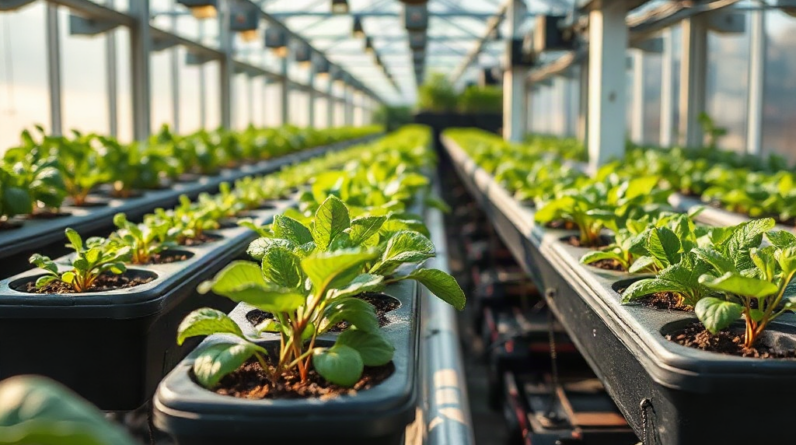
The useful unit of rotation is therefore the production zone. Depending on the installation, that zone may be an NFT channel, deep-water raft, media bed, Dutch bucket line, reservoir loop, or entire room. Label every zone and note which components it shares. Two channels supplied by one tank should usually be treated as one nutrient-management unit, even if they can follow different planting dates. Separate reservoirs offer more freedom to rotate crops with different electrical conductivity, pH, temperature, and feed requirements.
Set the primary purpose before building the schedule. A household grower may want a dependable weekly supply of salad greens. A larger operation may prioritize uniform harvest lots, efficient labor, or reduced downtime. A system with recurring root disease may need longer cleaning gaps and stricter separation between young and mature plants. These goals produce different calendars; a schedule optimized for maximum occupancy can be a poor choice when sanitation is the limiting factor.
For example, a four-channel NFT installation can divide each channel into weekly lettuce batches. That is succession planting within a shared crop, not a family-based rotation. Alternating lettuce with basil changes canopy structure and cycle length, but both crops still encounter the shared solution. By contrast, taking one independent channel offline, removing root debris, cleaning it, and restarting it with sanitized equipment creates a meaningful hygiene break.
A common mistake is assuming that changing crops automatically suppresses pathogens. Waterborne organisms and biofilm can remain in tanks, pumps, return lines, and fittings regardless of the next crop. Use rotation to organize occupancy and avoid continuous carryover, but pair it with inspection, debris removal, sanitation, and environmental control. A useful hydroponic crop rotation plan identifies both where plants move and which shared components must be reset between cycles.
Build the Calendar From Crop-Cycle Data
A workable calendar begins with system-specific crop durations rather than optimistic days-to-maturity figures. Record the time required for germination, nursery growth, transplant establishment, production, harvest, plant removal, and cleaning. The growing position is unavailable for the full period from transplant through sanitation, while nursery trays occupy separate space before transplanting. Ignoring either interval causes seedlings to become oversized while they wait for a channel to open.
Create one row for every crop and cultivar. Include sowing date, expected transplant date, growing-zone assignment, expected harvest interval, and earliest date the zone can be replanted. Add practical notes such as mature spacing, whether harvest is once-over or repeated, and how strongly the crop responds to seasonal temperature. Cilantro that performs predictably in cool conditions may bolt early under warmth, while basil may slow enough in cool conditions to hold a channel longer than planned.
Work backward from the desired harvest. If a lettuce batch normally spends two weeks in the nursery, four weeks in the production channel, and two days in plant removal and cleaning, its transplant date must precede the target harvest by roughly four weeks and its sowing date by roughly six. Those numbers are examples, not universal promises; cultivar, light, root-zone temperature, plant density, and harvest size all change the schedule. Base later cycles on recorded performance from the actual system.
A compact planning sequence keeps the dependencies visible:
- Choose the harvest unit: decide how many heads, bunches, or kilograms are needed per harvest period.
- Estimate saleable or usable plants: include a modest allowance for poor germination, weak seedlings, and removals without filling every spare site.
- Reserve production positions: calculate mature spacing rather than nursery spacing.
- Schedule backward: place harvest, cleaning, transplanting, and sowing dates in that order.
- Check overlaps: confirm nursery capacity, labor, and open sites before accepting the calendar.
Staggered batches are generally more resilient than planting an entire system at once. Weekly sowings can provide steady output and reveal problems before every position is affected. The tradeoff is additional recordkeeping and more frequent transplant work. Whole-system batches simplify labor and allow a complete reset, but they create a large harvest at one time and no production during cleaning. Choose the pattern that fits the harvest goal and the system’s ability to isolate sections.
Match Crops to System Capacity and Nutrient Compatibility
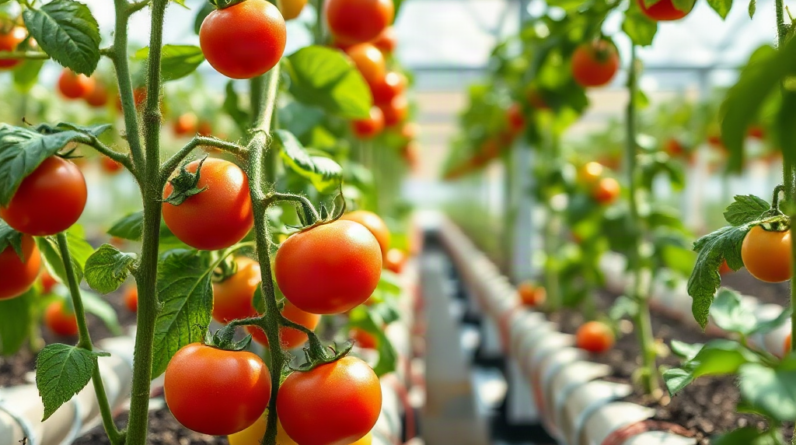
Crop compatibility must be evaluated at mature size and peak demand, not at transplant size. Young tomatoes, cucumbers, and lettuce may fit comfortably together for a short period, yet fruiting crops eventually develop larger root systems, heavier canopies, stronger support requirements, and different nutrient expectations. A calendar that considers only empty planting holes can overload circulation, shade neighboring plants, and make one shared nutrient recipe unsuitable for part of the crop.
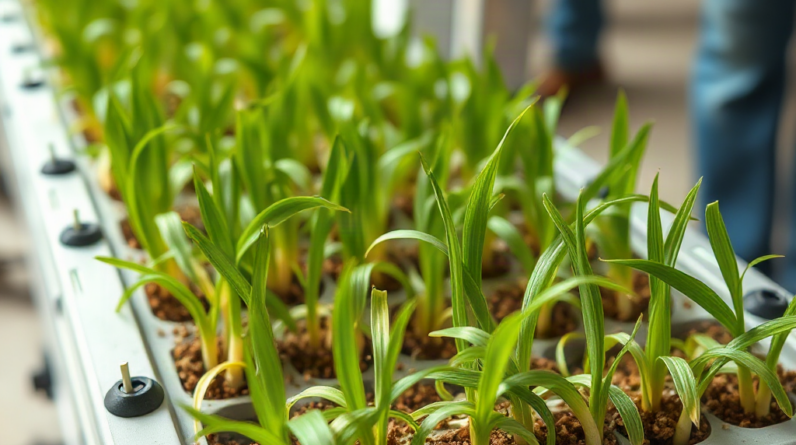
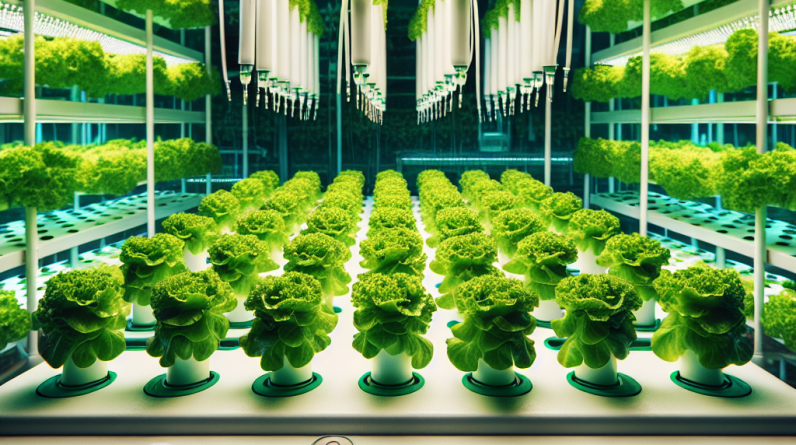
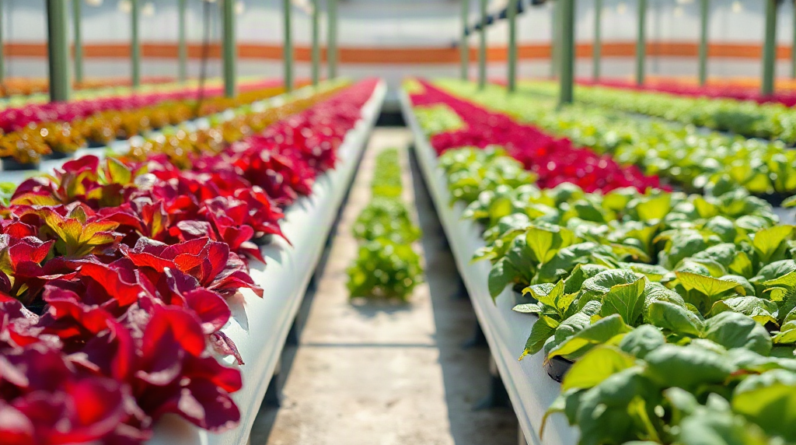
Group crops first by system suitability. NFT channels are commonly easier to schedule with compact, relatively short-cycle leafy crops and herbs because large roots can restrict flow. Deep-water culture can accommodate repeated blocks of leafy greens if aeration and raft sanitation are managed. Drip-fed buckets or slabs provide more appropriate root volume and support for long-cycle fruiting crops, but those crops may occupy a position for months and cannot be rotated at the same cadence as lettuce.
Next, compare environmental and solution requirements. Crops sharing a reservoir need an acceptable overlap in nutrient concentration, pH management, solution temperature, and crop stage. Seedlings exposed to a solution managed for mature fruiting plants may be stressed, while a mild leafy-green program may not suit a heavily loaded fruiting block. Separate loops allow precise scheduling; one shared loop calls for fewer crop groups and more conservative compromises.
Consider a system with two independent reservoirs. One loop can carry fast-turn leafy greens in staggered weekly batches, while the other supports basil or another longer-lived herb harvested several times. The herb loop should not be assigned the same turnover date as the lettuce loop merely to make the spreadsheet symmetrical. Its pruning, root mass, and repeated-cut harvest pattern determine when replacement is sensible. If both zones share one reservoir, the operator should select crops with closer solution requirements or accept that neither receives a fully tailored program.
Reserve unused hydraulic and canopy capacity rather than planning every site as permanently occupied. Dense roots can slow return flow, mature leaves can trap humidity, and pumps must serve the system at its most demanding point. Warning signs include rising water levels in upstream channels, dry downstream roots, persistent shading, uneven plant size, or rapid swings in reservoir concentration. The mistake is treating maximum hole count as productive capacity. A sound rotation schedule may deliberately leave positions open to protect flow, access, and uniform light.
Schedule Harvests, Cleaning, and the Next Planting
Sanitation time belongs on the crop calendar as a production operation, not as an optional task squeezed between harvest and transplanting. Roots left in channels trap organic material, restrict water movement, and complicate inspection. Installing new plants immediately after removing an unhealthy crop can expose tender roots to residues and contaminated equipment before the cause of the previous decline has been assessed.
Assign a reset procedure to each zone. After harvest, remove plants and loose roots, inspect emitters and returns, clean accessible surfaces, and apply a sanitation method appropriate for the system materials and products being used. Follow product labels for concentration, contact time, rinsing, handling, and compatibility; mixing cleaning chemicals or improvising concentrations can damage equipment and create safety hazards. Keep nursery tools and trays in the schedule too, because a clean production channel can be recontaminated by neglected transplant equipment.
The length of the gap should reflect risk. A healthy, short-cycle crop in a removable channel may require only the normal time needed for thorough cleaning, inspection, and restart. A crop removed after unexplained root browning, odor, wilting, or flow failure warrants a longer interruption while the reservoir, pump, plumbing, oxygenation, and temperature history are examined. Rotation alone should not be used to conceal a recurring root-zone problem.
Build a handoff checklist for every batch:
- Harvest or remove the outgoing crop and record losses.
- Clear roots and inspect flow paths, emitters, rafts, and supports.
- Clean and sanitize according to the chosen product and equipment instructions.
- Restore circulation and confirm there are no leaks, blockages, or abnormal water levels.
- Verify that solution conditions suit the incoming crop before transplanting.
Signs that the handoff is working include predictable transplant dates, clean flow paths, uniform establishment, and no recurring symptom tied to one zone. Repeated delays, seedlings waiting in trays, root debris appearing soon after restart, or the same channel producing weak plants indicate that the reset is too short or incomplete. Keep a backup nursery window rather than sowing only the exact number needed on one exact date. The extra flexibility helps replace weak seedlings, but excessive backup plants waste space and tempt overcrowding.
Track Results and Correct Scheduling Failures
The first rotation calendar is a testable forecast, not a fixed annual rule. Compare planned and actual dates for sowing, transplanting, first harvest, final harvest, removal, and restart. Also record plant losses, root condition, yield or usable harvest, labor bottlenecks, and any days a zone sat empty. These records reveal whether the problem is inaccurate crop timing, insufficient nursery space, poor system capacity, or an avoidable sanitation delay.
Review performance by cultivar and season. If one lettuce cultivar repeatedly needs an extra week during low-light periods, extend its slot instead of forcing late batches into an already occupied channel. If basil reaches the canopy limit before its planned final cut, shorten its cycle or allocate more spacing. When a zone produces uneven plants despite consistent timing, inspect light distribution, channel slope, emitter output, and return flow before changing the entire crop sequence.
Use exceptions to improve the next cycle. A late harvest may result from slow growth, but it can also reflect an unrealistic target size or delayed labor. Premature harvest may signal excess demand rather than crop performance. Empty positions are not automatically waste: a planned gap for cleaning can protect the next batch, whereas an unplanned gap caused by missing seedlings exposes a nursery scheduling failure. Distinguishing these outcomes prevents the wrong correction.
Maintain a rolling horizon. Lock the next sowing and transplant dates that cannot be changed without wasting seedlings, keep the following few batches adjustable, and treat distant dates as provisional. This approach is more useful than planning an entire year to exact days when seasonal light, temperature, equipment maintenance, and crop response remain uncertain. For anyone refining how to create a hydroponic crop rotation plan, the most valuable revision is usually replacing assumed durations with measured ones.
A failing plan shows the same patterns repeatedly: mature crops block incoming transplants, nursery plants stretch or become root-bound, harvest volume arrives in unusable peaks, shared reservoirs contain incompatible crop stages, or cleaning is skipped to recover lost time. Correct the limiting step rather than compressing every interval. Add nursery capacity if seedlings are consistently ready too early, reduce batch size if mature roots impede flow, or separate nutrient loops when compromises repeatedly produce uneven crops.
Frequently Asked Questions
Do hydroponic crops need rotation like soil-grown crops?
They benefit from planned sequencing, but the purpose differs. Hydroponic rotation mainly coordinates space, crop timing, nutrient compatibility, sanitation, and pest or disease risk; changing plant families does not reset shared water or plumbing.
How far ahead should a rotation calendar be planned?
Fix the dates for the next few sowings and transplants, then keep later cycles flexible. Seasonal growth rates and actual harvest timing make a rolling calendar more reliable than rigid day-by-day annual scheduling.
Can leafy greens and fruiting crops share one rotation?
They can occupy the same facility, but separate reservoirs are usually easier to manage. Shared loops require compatible solution conditions, enough root and canopy space, and a schedule based on the much longer occupancy of fruiting plants.
How much cleaning time should be placed between crops?
Allow enough time to remove roots, clean surfaces, inspect circulation, complete label-directed sanitation, and verify operation before transplanting. Extend the gap after unexplained root symptoms, contamination, or equipment failure.
What records are most useful for improving the plan?
Track actual sowing, transplant, harvest, removal, and restart dates alongside cultivar, usable harvest, losses, root observations, solution conditions, and zone assignment. Planned-versus-actual differences reveal where the schedule needs correction.
Conclusion
A dependable rotation calendar is built around the real occupancy of each growing zone, including nursery time, mature spacing, harvest work, root removal, and sanitation. Treat shared reservoirs as connected management units, and avoid combining crops whose root volume, cycle length, or solution requirements force damaging compromises. Begin with a small number of compatible crop groups, stagger batches only as finely as labor and nursery space allow, and reserve capacity for mature roots and canopy growth. After each cycle, replace estimated dates with actual results and investigate repeated delays instead of shortening cleaning gaps. The next practical step is to label every production zone, document one complete crop cycle for each cultivar, and schedule the following three batches backward from their intended harvest dates.
Further Reading
Authoritative Sources
- Crop Rotation Basics for Greenhouses
thrivelot.comTo maintain consistent harvests, build on zone-based scheduling with transitional crops. Plan your rotation in 60-day intervals to smoothly. ...
- Crop Rotation in Hydroponics: how to choose and alternate ...
nidopro.comA simple idea is to interplant short-cycle crops (herbs, micro-greens) alongside long-cycle rows. When the quick crops reach market size you ...
- Sustainable Gardening: Why Crop Rotation Matters
growingspaces.comCrop rotation reduces soil depletion, breaks pest cycles, and improves yields. Three- and four-year rotation plans for greenhouse and home ...
- Start Farming: Planning a Crop Rotation
extension.psu.eduDivide your farm or garden into equal-sized rotational units. It is much easier to plan your rotation in terms of fields of the same size or ...