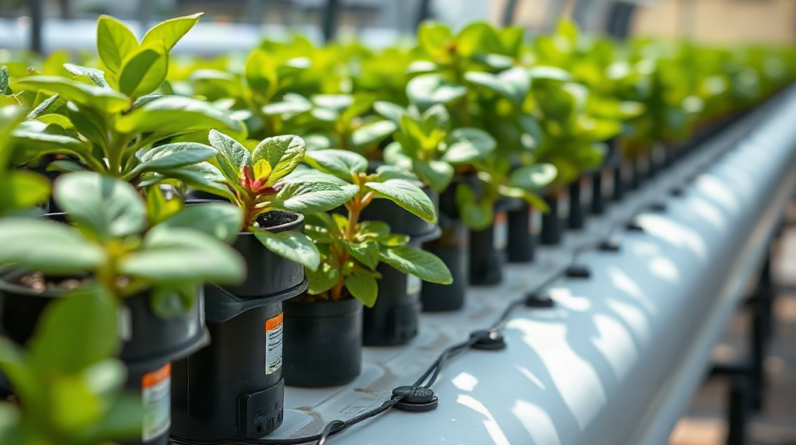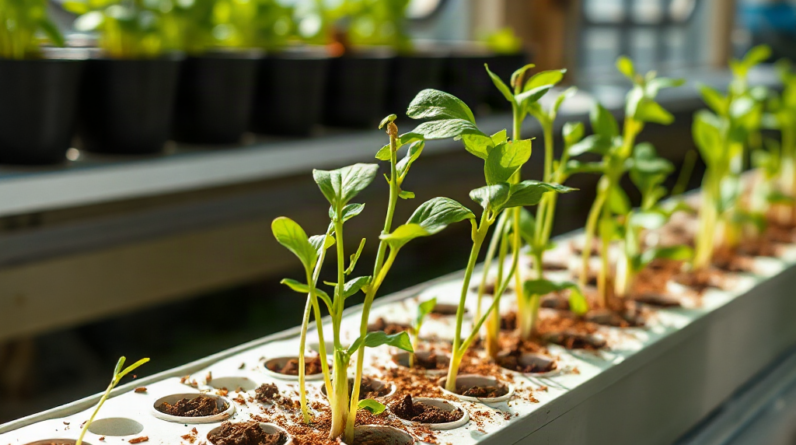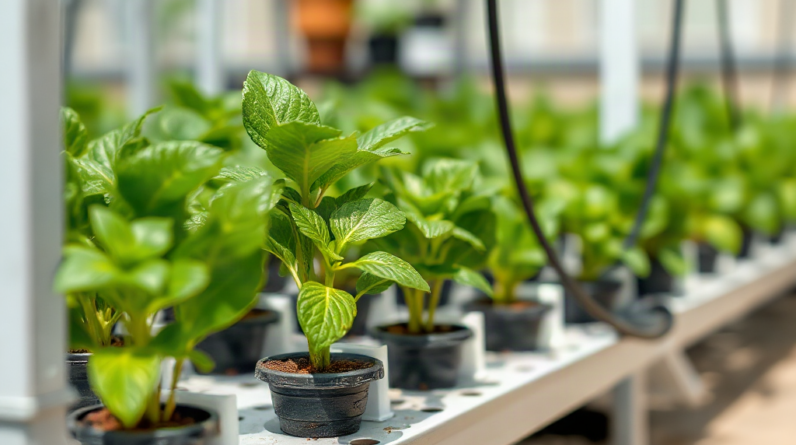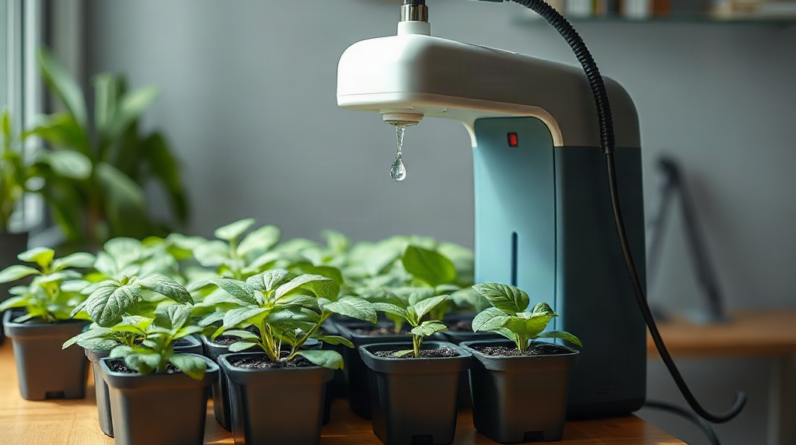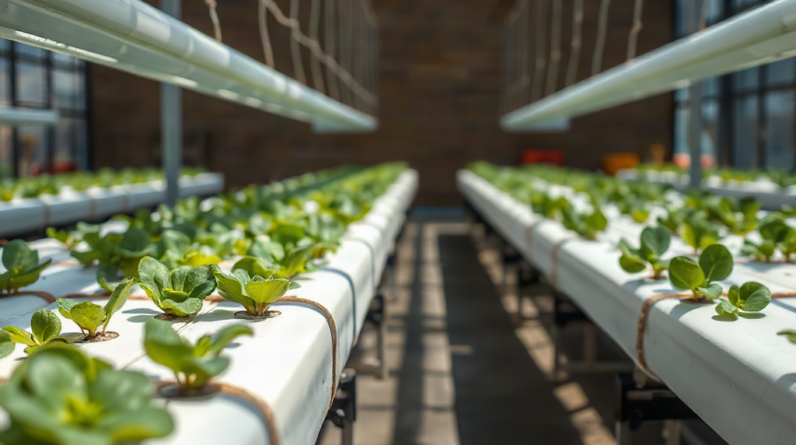
Create a hydroponic harvest plan by working backward from desired harvest dates, then assigning each crop a realistic germination, transplant, growth, and harvest window. Record the number of planting sites, expected usable yield, succession interval, and days needed to clean and reset the growing area. Base the schedule on results from your own environment rather than seed-packet maturity alone, because light, temperature, cultivar, and harvest method change timing. Add buffer days for uneven germination or slow growth, and review actual harvest weights after every cycle so future planting dates and yield targets become more accurate.
Define the Harvest Requirement Before Scheduling Plants
A useful harvest schedule begins with a measurable demand: what must be ready, how much is needed, and when it will be used. “Grow lettuce continuously” is too vague to schedule. “Harvest six heads every Friday” gives you a date, quantity, and recurring interval that can be translated into planting batches. The same principle applies to herbs, fruiting crops, and cut-and-come-again greens, although each requires a different definition of harvestable output.
Choose a unit that matches how the crop is consumed. Head lettuce is normally planned by marketable heads, while basil may be better tracked by trimmed weight or bunches. Cherry tomatoes can be estimated by weekly weight after production begins. For loose-leaf greens, decide whether the plan calls for whole-plant harvests or repeated cuts. Mixing units makes the schedule difficult to audit; six planting sites do not necessarily produce six usable heads if one plant bolts, remains undersized, or develops root damage.
Separate a harvest target from maximum theoretical yield. A system may hold 30 lettuce plants, but committing every site leaves no room for replacement seedlings, delayed crops, or cleaning. A conservative plan uses a usable-yield assumption based on prior cycles and treats extra production as a buffer. New growers without records should begin with a small batch, weigh or count the marketable harvest, and use that observation to revise the next cycle rather than presenting an optimistic estimate as dependable output.
Crop quality also needs a clear threshold. Record the acceptable size, flavor, texture, and appearance for harvest. Lettuce intended for full heads stays in the system longer than lettuce harvested young; basil cut above healthy nodes can regrow, while a final low cut ends the crop. A plant can therefore be biologically ready without meeting the intended use. Harvesting too early reduces usable yield, but waiting for maximum size can increase crowding, bitterness, bolting risk, and scheduling conflicts.
Write the initial requirement as a simple planning statement: crop and cultivar, desired quantity, harvest unit, target date or weekday, and quality standard. This becomes the anchor for how to create a hydroponic harvest plan that can be checked against actual production rather than judged by whether the reservoir looks full of plants.
Build the Crop Timeline Backward From Harvest
Backward scheduling turns the desired harvest date into operational deadlines. Start at harvest, subtract the expected finishing period, then subtract transplant establishment, nursery growth, germination, and preparation time. Keep these phases separate because they may occupy different spaces and fail for different reasons. A seedling delay affects the transplant date, while slow finishing growth affects the harvest date even if transplanting occurred on schedule.
Suppose a lettuce batch is wanted on a particular Friday. Your own records might show that the cultivar usually spends 24 days in the finishing system, 14 days in the nursery after emergence, and three days germinating. Add time to sanitize channels, prepare nutrient solution, and inspect the pump before the finishing sites are occupied. These numbers are an illustration, not a universal lettuce schedule. Air temperature, root-zone conditions, daily light, seed vigor, cultivar, plant spacing, and desired head size can move the result in either direction.
Seed-packet maturity dates are reference points rather than exact hydroponic deadlines. They may use a different starting point, growing environment, or harvest size. A weak plan copies that number directly into a calendar. A stronger plan labels whether “day zero” means sowing, emergence, transplanting, first flower, or fruit set. Without that definition, two records showing 35 days may describe different periods and cannot be compared reliably.
Add a buffer where uncertainty actually occurs. A blanket extra week on every crop consumes capacity and may produce oversized greens. Instead, allow a few recovery days around germination and transplanting when prior batches have varied there. Fruiting crops need a wider harvest window because tomatoes and cucumbers produce over time rather than reaching one uniform endpoint. Their plan should distinguish the first expected picking date, normal production period, and removal date.
The schedule is working when seedlings reach transplant size shortly before finishing sites open and crops approach the quality target inside the planned window. Warning signs include roots circling in nursery plugs, seedlings waiting under crowded light, empty channels awaiting plants, and mature crops occupying space needed by the next batch. Record planned and actual dates side by side. That comparison reveals whether the timing assumption, rather than the nutrient recipe or equipment, caused the missed harvest.
Convert Yield Targets Into Planting Quantities
Planting quantity should be calculated from expected marketable output, not solely from the number of open sites. Begin with the required harvest quantity, divide it by average usable output per successful plant, and then account for establishment losses. Use measured results whenever possible. A basil plant’s harvest depends heavily on cultivar, spacing, cut height, and the number of regrowth cycles, so a generic online yield figure is a weak basis for household meals or customer commitments.
For crops sold or consumed as whole plants, the calculation can stay simple. If eight acceptable heads are required and recent batches have produced eight usable heads from ten transplants, planting only eight sites assumes a perfect cycle. Transplanting ten reflects observed performance. That margin should remain modest and evidence-based; routinely sowing twice as much creates wasted seed, crowded nursery trays, and pressure to place weak seedlings into production.
Yield calculations for repeated harvest crops need another layer. With basil or chard, record the weight from each cut and the recovery interval between cuts. The first harvest may differ from later ones, and regrowth can slow as roots age or the canopy becomes difficult to manage. For tomatoes, estimate output by week rather than dividing total seasonal yield evenly. Early production commonly ramps up, reaches a productive period, and then declines, making a flat weekly assumption unreliable.
A compact planning worksheet should include:
- Demand: required heads, bunches, or weight per harvest period.
- Usable output: average marketable amount per plant or site.
- Success rate: the share of sown plants that reaches the quality threshold.
- Capacity: nursery and finishing sites available during the required dates.
- Reserve: a limited number of replacement seedlings or surplus sites.
Capacity is the final constraint, not an afterthought. A target may require 20 plants, yet only 12 appropriately spaced sites may be available. Reducing spacing to force the calculation to fit can restrict airflow, shade lower leaves, and produce smaller or less uniform crops. Better choices are to lower the harvest target, divide it across dates, add suitable capacity, or select a crop and cultivar that fits the available footprint. A sound hydroponic harvest plan exposes that tradeoff before seedlings occupy the nursery.
Coordinate Succession Planting, Space, and System Turnover
Succession planting creates continuity only when nursery capacity, finishing space, and turnover time remain synchronized. If six heads are needed weekly and a finishing crop occupies its sites for four weeks, at least four weekly batches will overlap in production, with another batch developing in the nursery. A calendar that records sowing dates but ignores overlapping occupancy will promise more harvests than the equipment can support.
Map each batch across the resources it uses. A simple row can show sowing date, expected emergence, transplant date, assigned channel or raft, harvest window, and cleaning date. Color coding is optional; clearly defined dates matter more. For mixed crops, include plant spacing and system compatibility. Fast lettuce should not be scheduled into sites that remain shaded by established tomato vines, and crops with different root mass or support needs may not share capacity as neatly as the site count suggests.
Batch size affects resilience. One large monthly planting is easy to administer but produces a concentrated harvest and a longer gap if germination fails. Smaller weekly batches smooth supply and make adjustments faster, although they require more frequent sowing, transplanting, and recordkeeping. A household wanting occasional large salad harvests may prefer biweekly batches. A grower supplying a standing weekly order needs tighter successions and more conservative commitments.
Reserve time between crops for root removal, cleaning, inspection, and solution adjustment. Treating harvest day and replanting day as automatically identical can carry debris or root problems into the next cycle and leaves no opportunity to check blocked channels, worn air stones, or unstable flow. The reset may be short in a small raft or channel, but it still belongs on the calendar. Longer-lived crops also need planned pruning, trellising, and eventual removal time.
Review the forward schedule before each sowing. Confirm that the intended finishing sites will be available on the transplant date and that mature crops will not collide with travel, extreme room temperatures, or a period when no one can monitor the reservoir. If capacity has slipped, delay sowing before creating stranded seedlings. The clearest failure signal is a nursery full of ready plants with nowhere suitable to go; the clearest success signal is a steady handoff from propagation to production without holding crops past their ideal stage.
Track Results and Correct the Next Cycle
A harvest calendar becomes reliable through variance tracking: the difference between what was planned and what happened. Record sowing, emergence, transplant, first harvest, final harvest, and removal dates, along with marketable count or weight. Add only observations that could explain a scheduling difference, such as unusually warm conditions, a pump interruption, weak germination, changed lighting hours, or a new cultivar. Excessive notes discourage consistent recordkeeping, while dates without context conceal the cause of delays.
Review each completed batch at the same level used to build the plan. If emergence was late but finishing growth matched expectations, adjust germination lead time rather than extending the whole cycle. If plants transplanted on time but reached harvest size slowly, examine light, temperature, spacing, nutrient management, root condition, and the original maturity assumption. Moving the next sowing earlier may cover the symptom while leaving the production constraint unresolved.
Compare planned yield with marketable yield, not total biomass. Leaves removed because of damage, roots, stems that are not used, and undersized heads should not count toward the demand target. For repeated-cut herbs, note both harvest weight and days to regrowth. A heavier cut may look efficient but can lengthen recovery and reduce the next scheduled harvest. The useful metric is dependable output over the planned period, not the largest single cutting.
Change one major assumption at a time where feasible. If a grower simultaneously changes cultivar, spacing, light duration, and nutrient concentration, the next harvest may improve without showing which adjustment mattered. Operational emergencies sometimes require several changes, but the batch should then be marked as a poor baseline. After three or more comparable cycles, calculate working averages and ranges for phase duration, success rate, and usable yield.
Revisit the plan weekly and conduct a deeper review after each crop cycle. Move upcoming dates when current plant development supports the change, and communicate any shortfall before the expected harvest day if produce is committed elsewhere. For a reusable record, keep the demand target, batch calendar, capacity map, and actual harvest log together. That turns how to create a hydroponic harvest plan from a one-time forecast into a controlled production process.
Frequently Asked Questions
How far ahead should a hydroponic harvest plan be made?
Plan at least one complete crop cycle ahead. For staggered greens, map every overlapping batch; for fruiting crops, include propagation, first picking, the productive window, and removal.
Should harvest timing be based on seed-packet maturity dates?
Use packet dates as an initial reference, then replace them with records from your cultivar, system, light, temperature, spacing, and preferred harvest size.
How much extra should be planted for losses?
Base the reserve on your recorded success rate. Keep a modest number of replacement seedlings rather than sowing excessive surplus that the nursery and finishing system cannot accommodate.
How are cut-and-come-again crops scheduled?
Record each cutting date, usable weight, cut height, and recovery interval. Schedule later harvests from observed regrowth instead of treating every cutting as equal.
What is the most useful harvest-planning record?
A batch log comparing planned and actual sowing, transplant, harvest, yield, and removal data is the most useful record because it identifies where timing or output diverged.
Conclusion
A dependable plan connects demand, crop development, usable yield, and physical capacity on one calendar. Set a precise harvest unit and date, schedule each growth phase backward, and confirm that nursery and finishing sites are available when each batch needs them. Leave deliberate room for cleaning, replacement seedlings, and normal variation rather than filling every site on paper.
The next step is to choose one crop and document a complete cycle. Record planned and actual dates, marketable output, losses, and any condition that changed growth. Use that evidence to adjust the phase where the delay or shortfall occurred. After several comparable batches, the calendar will reflect the performance of your own cultivars and equipment instead of borrowed assumptions, making future harvest commitments more realistic and easier to maintain.