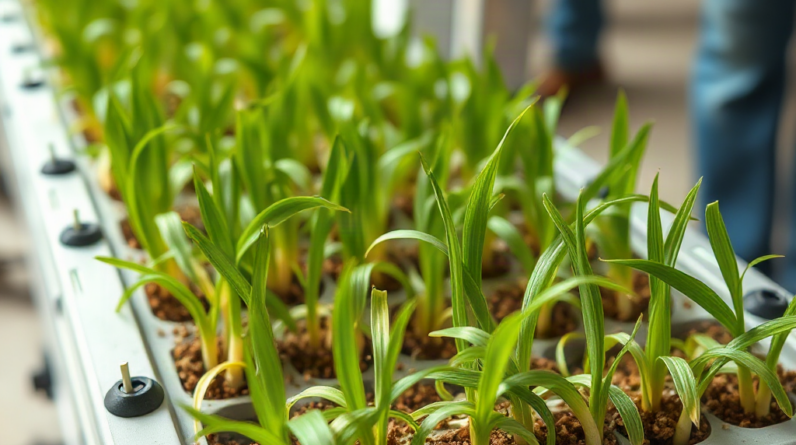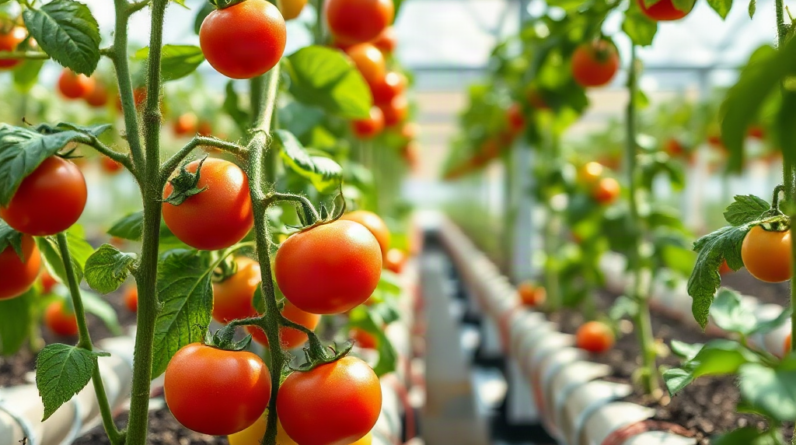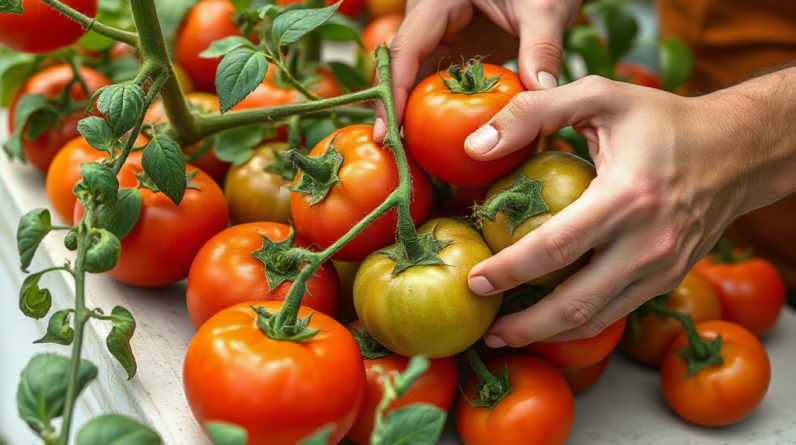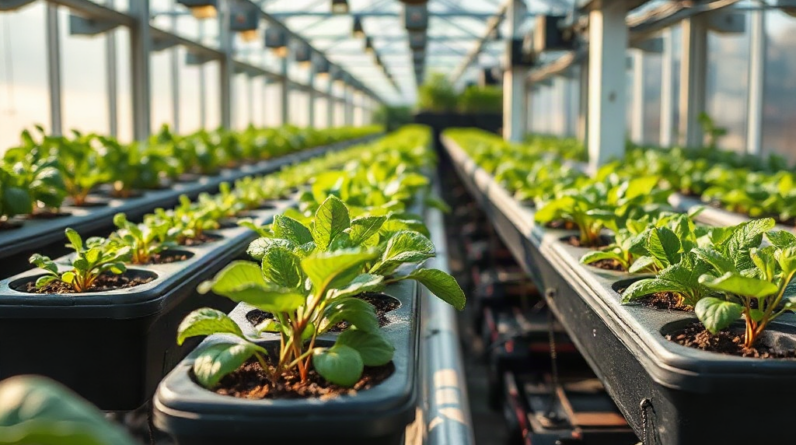
Identify and treat common hydroponic diseases by comparing symptoms across roots, crowns, and leaves, then correcting the growing conditions that allow infection to spread. Brown, soft roots with a foul odor point toward root decay, while powdery growth, angular leaf spots, or water-soaked lesions suggest distinct foliar problems that require different responses. Isolate affected specimens, remove diseased tissue, sanitize exposed equipment, and stabilize solution temperature, oxygenation, humidity, and airflow before applying a crop-safe treatment. Avoid treating every discoloration as infection because nutrient imbalance, chemical injury, algae, and low oxygen can produce similar damage. Recovery is indicated by healthy new roots or leaves, not by repair of tissue already injured.
Separate Disease From Nutrient and Environmental Damage
A reliable diagnosis begins with the pattern of damage, not the color of a single leaf. Hydroponic crops can develop yellowing, curling, spotting, or stalled growth from pathogens, but the same symptoms may follow an unsuitable pH, excessive fertilizer concentration, root-zone heat, poor aeration, spray injury, or a malfunctioning dosing pump. Applying a fungicide to a mineral imbalance wastes time and may add another source of plant stress.
Inspect three areas in order: the root system, the growing point, and the distribution of symptoms across the crop. Healthy roots are generally firm and light colored, although nutrients, beneficial microbial products, and some substrates can stain them tan or brown. Diseased roots tend to lose firmness, shed their outer tissue when handled, or smell sour. At the canopy, compare old leaves with new growth. A uniform problem appearing across many plants at nearly the same time is more consistent with a shared solution or environmental fault than with an infection beginning at one entry point.
Disease becomes more likely when damage expands outward from a few plants, lesions enlarge despite corrected nutrition, or visible fungal growth develops under humid conditions. For example, a nutrient reservoir accidentally mixed too strongly may burn leaf margins throughout a channel within hours or days. A foliar pathogen more often creates distinct lesions that multiply and spread between neighboring leaves, especially where foliage stays wet.
Before deciding on treatment, record reservoir temperature, pH, electrical conductivity, water level, pump operation, air temperature, relative humidity, and recent product applications. Check whether roots have been exposed to light and whether emitters or channels are obstructed. A microscope or laboratory plant-disease service may be needed when several organisms could explain the same symptoms. Photographs of roots and leaves taken over consecutive days are more useful than memory because they reveal whether injury is stable, spreading, or limited to old tissue.
The common mistake is to assume that brown roots automatically mean root rot. Mineral staining can be harmless, while low dissolved oxygen can damage roots before a secondary organism becomes established. The diagnostic material in how to identify and treat common hydroponic diseases should therefore be used alongside measurements and progression patterns rather than appearance alone.
Recognize Root and Crown Diseases
Root and crown diseases deserve first priority because every plant sharing recirculating water may be exposed. Water molds such as Pythium and Phytophthora can attack vulnerable root tissue and move through contaminated solution, plant material, tools, or wet surfaces. Fusarium and other root pathogens can produce overlapping symptoms, so visual inspection can indicate a root-disease complex without proving the organism responsible.
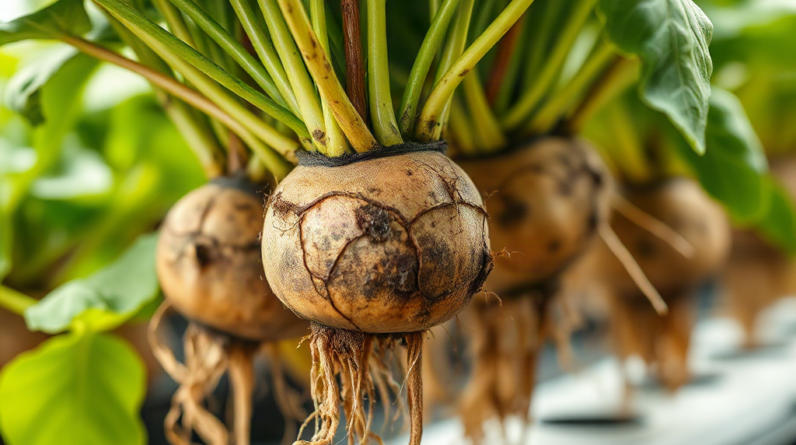
Early warning signs include reduced water uptake, daytime wilting despite an available solution, slow growth, and roots that shift from firm to limp or translucent. Advanced decay may produce dark, slimy roots, sloughing tissue, and an unpleasant odor. Crown infection can cause a constricted, discolored, or soft area where the stem meets the root system. Lettuce in a warm deep-water culture reservoir, for example, may wilt during the light period even though its raft is floating correctly. If roots are deteriorating and the solution is warm or poorly aerated, correcting the root environment is more urgent than misting the leaves.
Remove severely collapsed plants with their root masses before handling healthy ones. Bag discarded material rather than dragging dripping roots across the growing area. In a small system, moving unaffected plants to a clean, compatible reservoir may reduce exposure, but transplanting damaged roots can add stress. A commercial system may require isolating a loop instead of shutting down the entire crop. Do not mix healthy and questionable plants in a freshly sanitized unit.
Restore pump flow and aeration, remove decaying debris, block light from the reservoir, and bring solution temperature back into the crop-appropriate range. Avoid abrupt temperature changes that shock roots. Replace or treat contaminated solution according to the system design and product label, then clean accessible surfaces. Hydrogen peroxide, peracetic-acid products, chlorine-based sanitizers, biological inoculants, and crop-labeled disease products are not interchangeable. Some oxidizers can injure roots, react with organic matter, or kill beneficial organisms; biological products can likewise fail if applied immediately after a disinfectant. Never combine chemicals unless their labels expressly permit it.
Success appears first in new tissue: fresh root tips remain firm, water uptake steadies, and wilting stops progressing. Old brown roots rarely become white again. Continued odor, spreading crown discoloration, or fresh root collapse indicates that sanitation, environmental correction, or diagnosis is incomplete. When valuable crops keep declining, submit intact plants and solution information to a plant diagnostic laboratory rather than rotating through unconfirmed treatments.
Distinguish Common Leaf and Stem Diseases
Leaf diseases are best separated by lesion texture, location, and the conditions surrounding their appearance. Powdery mildew typically looks like pale, powdery patches on leaf surfaces and can develop without free water sitting on the leaf. Downy mildew often creates yellow or angular patches bounded by veins, with grayish or purplish growth more apparent on the underside during humid periods. Botrytis, commonly called gray mold, favors injured, aging, or crowded tissue and produces soft decay followed by fuzzy gray sporulation.
Bacterial leaf spots can begin as small water-soaked areas that darken or become angular, while some fungal spots develop defined margins, concentric patterns, or visible fruiting structures. Those descriptions narrow the possibilities but are not laboratory confirmation. Condensation, concentrated foliar sprays, and fertilizer splashes can also leave spots. A chemical splash usually follows the droplet pattern and stops expanding after exposure ends; an active lesion is more likely to enlarge, merge, or appear on adjacent plants.
Remove affected leaves only when doing so will reduce inoculum without stripping the plant of too much functional canopy. Cut with sanitized tools and avoid working through wet foliage, which can transfer spores or bacterial cells. Place removed tissue directly into a bag. Increase air movement through the canopy, reduce prolonged high humidity, and correct condensation by coordinating ventilation, temperature, and irrigation timing. A fan aimed aggressively at one row is not a substitute for even circulation and can spread contaminated droplets or desiccate leaf edges.
Treatment choice must match the suspected disease, crop, growth stage, and production setting. A product labeled for powdery mildew on an ornamental is not automatically legal or appropriate for edible basil. Check the full label for the crop, pathogen, application method, protective equipment, harvest interval, and limits on repeated use. Contact products require suitable coverage, while systemic activity and resistance-management restrictions vary. Household remedies can cause phytotoxicity and should not be treated as universally safe alternatives.
A practical test is to mark the edge of several lesions with a fine marker or photograph them beside a scale. Recheck after environmental corrections and any labeled treatment. Stable old spots with clean new leaves suggest control; expanding lesions, fresh fuzzy growth, or symptoms crossing into the next channel signal ongoing spread. The visual comparisons used when researching how to identify and treat common hydroponic diseases become more dependable when paired with this time-based observation.
Contain, Treat, and Monitor an Outbreak
Containment should begin before the pathogen has a confirmed name. Hydroponic plumbing links plants that appear physically separate, and hands, scissors, trays, hoses, and splash can connect units that do not share a reservoir. Establish a clean-to-dirty work sequence: inspect healthy areas first, questionable plants second, and diseased material last. Wash hands or change gloves between zones, and dedicate tools where practical.
Use a short response sequence to prevent hurried decisions:
- Map the outbreak. Mark affected sites, note whether they share water or airflow, and photograph representative symptoms.
- Quarantine the source. Isolate movable plants or a separate loop without carrying drips through clean areas.
- Remove reservoirs of infection. Discard collapsed plants, dead roots, fallen leaves, and contaminated disposable media.
- Correct the enabling condition. Restore flow, oxygenation, temperature control, canopy spacing, or humidity management.
- Apply only a suitable intervention. Follow a crop-labeled product or validated sanitation protocol, including concentration and contact time.
- Track new growth. Inspect daily at first and record whether fresh symptoms appear beyond the original zone.
Cleaning and disinfection are separate jobs. Cleaning removes roots, biofilm, salts, and organic debris that can shield microorganisms. Disinfection follows on a compatible, precleaned surface for the specified contact period. Running a sanitizer briefly through dirty plumbing may create a clean smell without reaching organisms protected inside deposits. Conversely, leaving a strong solution in contact with living roots can injure the crop and imitate disease.
Discarding an entire planting may be more rational than repeated rescue attempts when young plants are inexpensive, symptoms are widespread, or the system cannot be separated. Selective removal makes more sense when infection is localized, remaining plants have clean roots, and the environmental trigger can be corrected promptly. The value and remaining production time of the crop should influence that decision; saving severely damaged lettuce near harvest may introduce more risk and labor than replacing it.
Do not declare success because visible mold disappears after one application. Check neighboring sites, return lines, rafts, net pots, and shaded canopy areas. A response is failing if new cases continue to appear, roots worsen after treatment, or plants develop chemical burn. Pause unproductive product rotation and seek diagnostic help, especially when the same syndrome returns after system cleanup.
Prevent Recurrence Through System Management
Prevention depends on denying pathogens repeated opportunities to enter, multiply, and move. Begin with clean seed or transplants from a reliable source and inspect incoming material away from the production area. Seedlings with stem constriction, unexplained wilt, leaf lesions, or unhealthy roots should not enter a shared recirculating system merely because most of the tray looks normal.
Manage the root zone as a living environment rather than a fertilizer container. Reliable circulation and aeration reduce stagnant pockets where damaged roots and debris accumulate. Keep reservoirs opaque, repair leaks, and remove algae because algae compete for oxygen in darkness, trap organic material, and create habitat for pests and microbes. Monitor solution temperature according to crop requirements instead of pursuing one universal number; cool-season greens and warm-season fruiting crops do not share identical tolerances.
Canopy design matters just as much. Leaves pressed together hold humid boundary layers and make inspection difficult. Space crops for their mature size, prune only with clean tools, and avoid late irrigation or overhead wetting that leaves foliage damp through the dark period. Air should circulate through and above the canopy without creating constant wind stress. In a tightly packed basil rack, for example, adding a powerful fan may move air above the plants while lower leaves remain humid; thinning the canopy and redirecting airflow can address the actual pocket.
Keep records of source material, planting dates, reservoir changes, temperature excursions, cleaning work, symptoms, and treatments. Repeated disease in the same channel suggests a persistent sanitation or hydraulic issue. Outbreaks following each new transplant batch instead point toward incoming material or propagation practices. Records turn recurrence into a traceable pattern rather than an isolated surprise.
Avoid the misconception that a sterile system is the only safe system. Some growers use microbial inoculants, while others operate with carefully managed sanitation and oxidizing products. Either approach can fail when practices are mixed without regard to compatibility. Choose a coherent program suited to the crop and equipment, verify product labels, and avoid adding unproven substances to compensate for poor oxygenation or dirty surfaces. For a broader diagnostic reference, bookmark how to identify and treat common hydroponic diseases and update the system log whenever symptoms or operating conditions change.
Frequently Asked Questions
Can a hydroponic plant recover from root rot?
A plant may recover when firm roots and a healthy crown remain, exposure is contained, and oxygen, flow, and temperature problems are corrected. Severe crown collapse or continuing root loss often makes replacement more practical.
Should brown hydroponic roots always be removed?
No. Nutrients and microbial additives may stain firm, odorless roots. Remove tissue that is soft, sloughing, or clearly decayed, and avoid aggressive trimming that leaves the plant unable to take up water.
Can hydrogen peroxide treat every hydroponic disease?
No. Concentration, formulation, organic load, crop sensitivity, and contact time affect its usefulness and injury risk. It can also conflict with biological inoculants, so follow the product label and system protocol.
Why does disease spread quickly in a recirculating system?
Shared solution can transport contaminated root fragments or propagules between plant sites. Splash, tools, workers, pests, and connected surfaces can spread problems even when separate reservoirs are used.
When should a plant diagnostic laboratory be used?
Seek laboratory identification when symptoms overlap, valuable crops continue declining, an outbreak returns after sanitation, or a pesticide decision requires greater confidence about the causal organism.
Conclusion
Effective disease control rests on disciplined observation rather than treatment by guesswork. Compare affected plants with healthy ones, inspect roots and crowns, map how symptoms are moving, and verify pH, solution strength, temperature, oxygenation, flow, humidity, and recent applications. Contain suspicious material while diagnosis continues, then clean before disinfecting and use only interventions suitable for the crop and production system.
Judge recovery by firm new roots, clean new foliage, stable water uptake, and the absence of fresh cases. Old lesions and damaged roots may remain visible after the active problem has stopped. If symptoms keep spreading or repeatedly return in the same equipment, preserve representative samples and records for a diagnostic laboratory. The next practical step is to document current conditions, photograph the damage, isolate the worst plants, and correct the clearest environmental fault before adding another product.
Further Reading
Authoritative Sources
- Diseases in Hydroponics: Causes, Symptoms & Prevention
epmearth.comLearn common diseases in hydropincs, what causes them, and how irrigation hygiene and clean water help prevent outbreaks.
- Root Disease Problems & Management in Hydroponic Systems
planttalk.colostate.eduPrevent disease organisms from entering the growing system. Start out with a clean system by properly disinfecting trays, rafts, beds and troughs. Effective ...
- Troubleshooting common hydroponic problems: causes ...
mygardyn.comTreat with insecticidal soap or neem oil spray. ... Yellowing is the most common hydroponic symptom and can indicate several different issues ...
- Managing Root Rot in Hydroponic Systems
nthydroponics.comUpon identifying root rot, remove the affected plants to prevent the spread of disease. Treat the hydroponic system with solutions such as hydrogen peroxide to ...