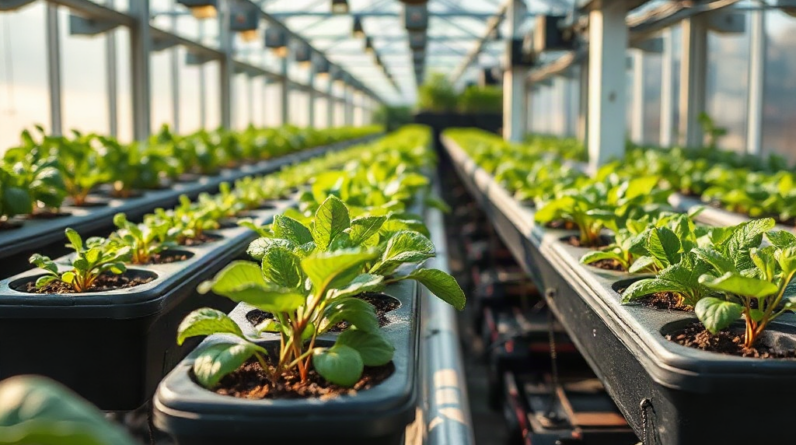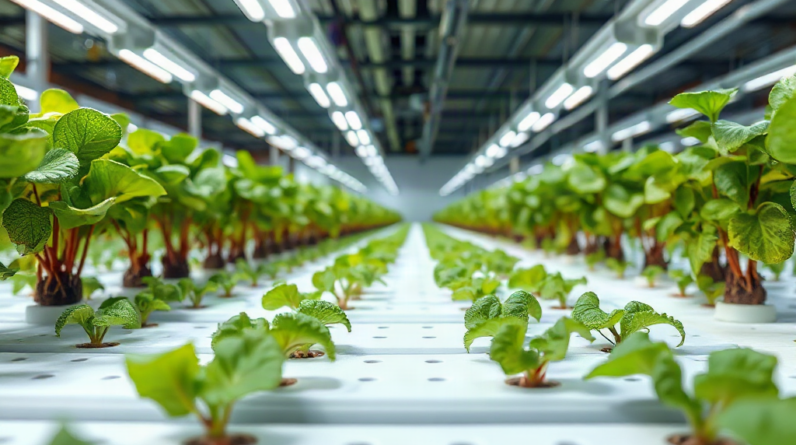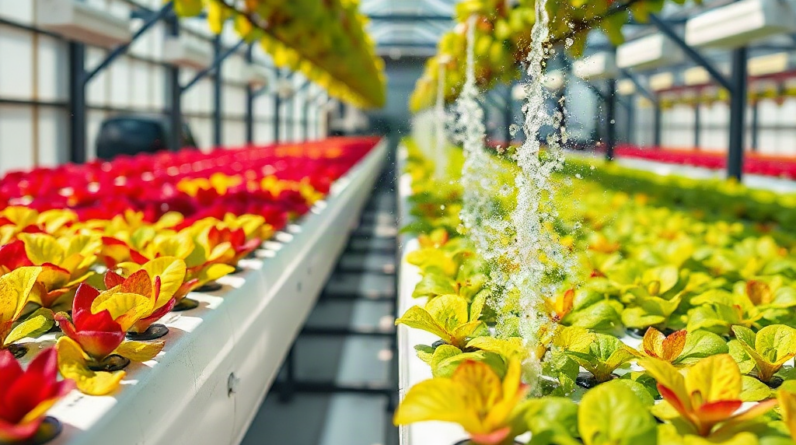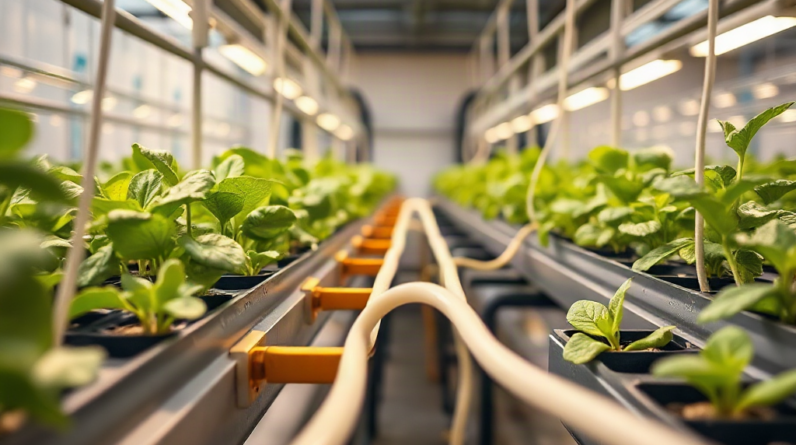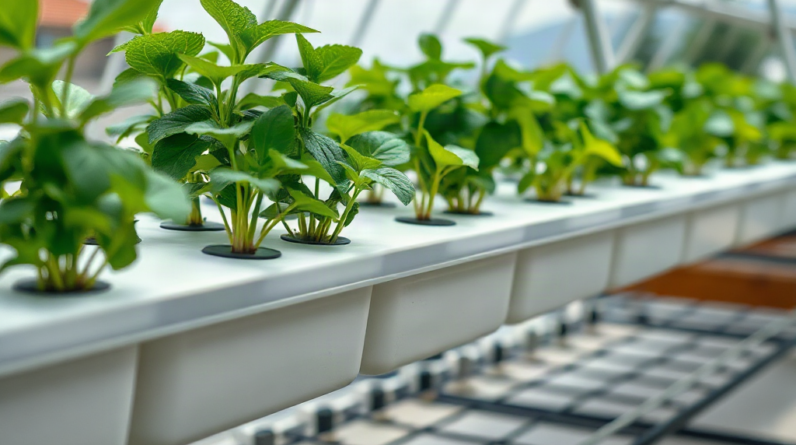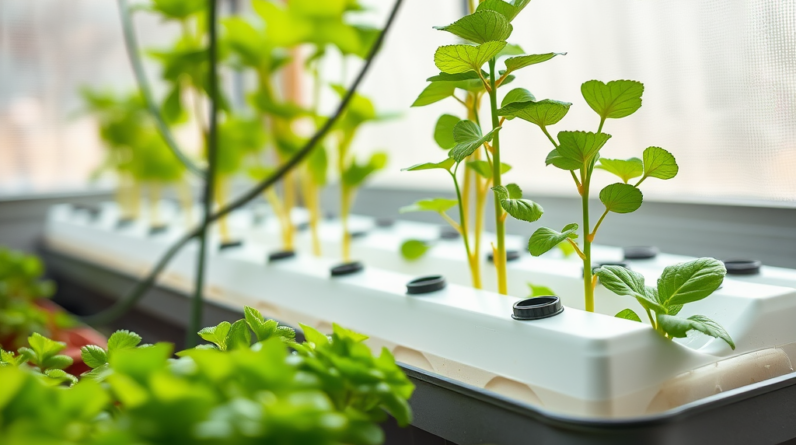
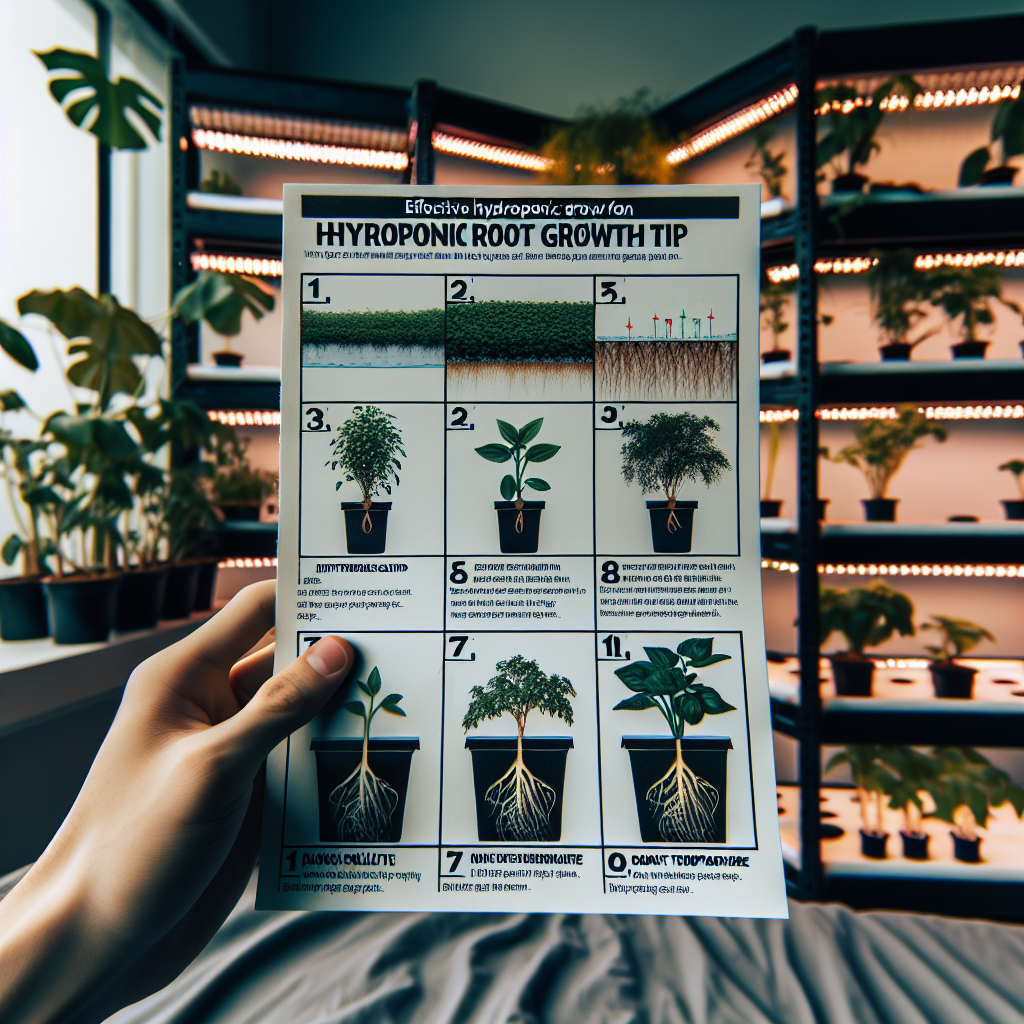
Proper drainage in hydroponic setups is crucial for plant health and growth. To achieve this, you should design your system with a slight slope to facilitate water flow, use appropriate drainage mediums like perlite or rock wool, and routinely inspect for any blockages in the system. Neglecting drainage can lead to waterlogged roots, which may cause root rot and hinder nutrient absorption.
Understanding the importance of drainage helps prevent common pitfalls in hydroponic gardening. If water accumulates in the root zone, it can create anaerobic conditions, depriving roots of oxygen and leading to poor plant development. Therefore, it’s essential to prioritize drainage design and maintenance from the outset. Additionally, consider using drainage trays or systems that allow excess water to flow away from the roots.
Understanding Hydroponic Drainage Systems
Hydroponic drainage systems are designed to manage excess water and ensure that plants receive the right amount of moisture. A well-designed system will have a slight incline to facilitate drainage and prevent standing water. This is vital because stagnant water can lead to root diseases and nutrient imbalances.
When designing your drainage system, consider the type of hydroponic method you are using. For instance, nutrient film technique (NFT) systems require a different drainage approach compared to deep water culture (DWC). Understanding these differences will help you make informed decisions about your setup.
Choosing the Right Drainage Medium
The choice of drainage medium can significantly affect the drainage efficiency in your hydroponic system. Materials such as expanded clay pellets, perlite, and coconut coir are commonly used due to their excellent drainage properties. These mediums allow excess water to flow away from the roots while retaining enough moisture for nutrient uptake.
When selecting a medium, consider the specific needs of your plants. Some plants may thrive better in a medium that retains more moisture, while others may prefer a drier environment. Testing different mediums can help you identify the best option for your hydroponic setup.
Common Drainage Mistakes to Avoid
Many hydroponic growers make mistakes that can compromise drainage efficiency. One common error is failing to check for blockages in the drainage system. Regular maintenance is essential to ensure that water flows freely and does not accumulate. Additionally, using too dense a medium can hinder drainage.
Another mistake is ignoring the slope of the growing surface. If the slope is insufficient, water may not drain effectively, leading to waterlogged conditions. Always ensure that your system is designed with the right incline to promote proper drainage.
Monitoring and Adjusting Water Levels
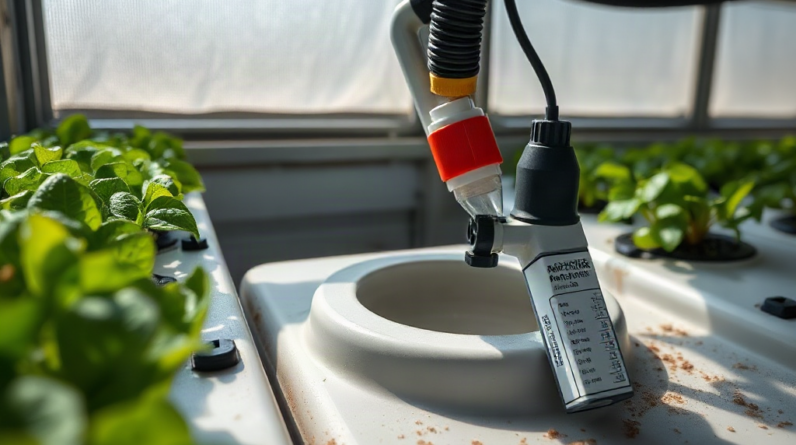
Monitoring water levels is critical in maintaining proper drainage. Use water level indicators or sensors to keep track of moisture levels in your system. This can help you detect any issues early on, such as overwatering or blockages that could impede drainage.
Adjusting water levels based on plant growth stages can also optimize drainage. Young plants may require more moisture, while mature plants might need less. Regularly assess plant health and adjust water levels accordingly to ensure optimal growth conditions.
Further Reading
Authoritative Sources
- USDA National Institute of Food and Agriculture
nifa.usda.govResearch and extension resources related to agriculture, plants, soil, and food systems
- Extension Foundation Gardening Resources
extension.orgUniversity extension education resources for practical gardening and home agriculture topics
- USDA Natural Resources Conservation Service
nrcs.usda.govSoil, water, conservation, and land management resources for practical growing decisions
Frequently Asked Questions
What are the signs of poor drainage in hydroponic systems?
Signs of poor drainage include yellowing leaves, stunted growth, and a foul smell from the roots, indicating root rot.
How often should I check my hydroponic drainage system?
Check your drainage system at least once a week to ensure it is free from blockages and functioning properly.
Can I use soil in a hydroponic system?
Soil is not recommended in hydroponic systems as it retains too much moisture and can lead to drainage issues.
What drainage mediums are best for hydroponics?
Best drainage mediums include expanded clay pellets, perlite, and coconut coir, as they provide excellent aeration and drainage.
How do I prevent blockages in my drainage system?
Prevent blockages by regularly cleaning your system and using appropriate filtration methods to keep debris out.
Conclusion
Maintaining proper drainage in hydroponic setups is essential for promoting healthy plant growth and maximizing yields. By ensuring your system is designed with the right slope, selecting appropriate drainage mediums, and regularly monitoring water levels, you can prevent issues such as root rot and nutrient deficiencies. Prioritize these practices to create an optimal environment for your plants and enjoy successful hydroponic gardening.