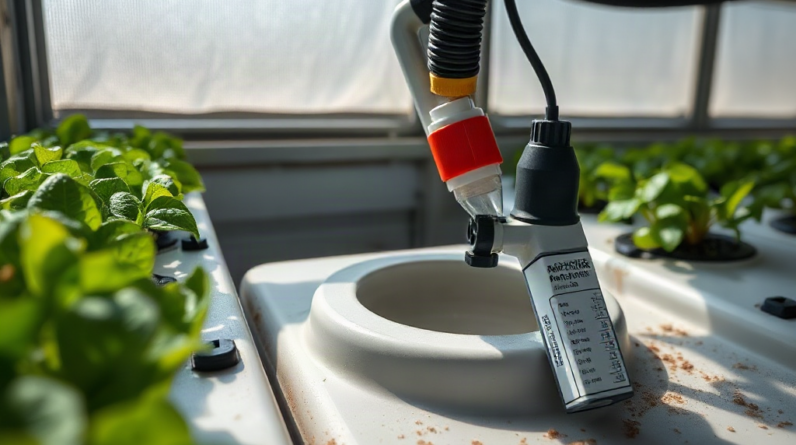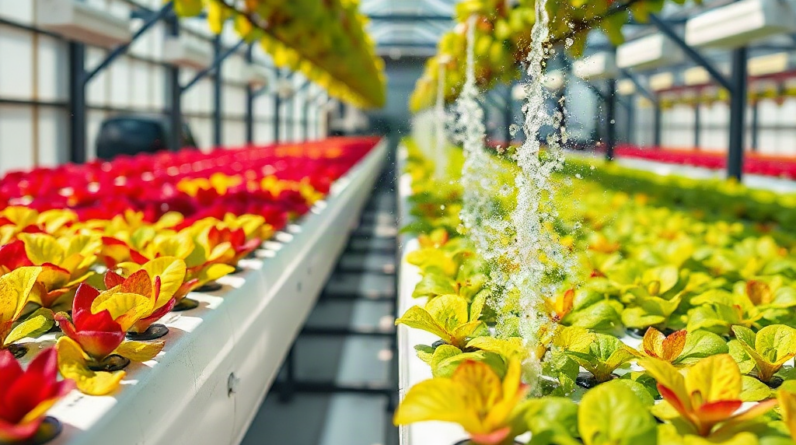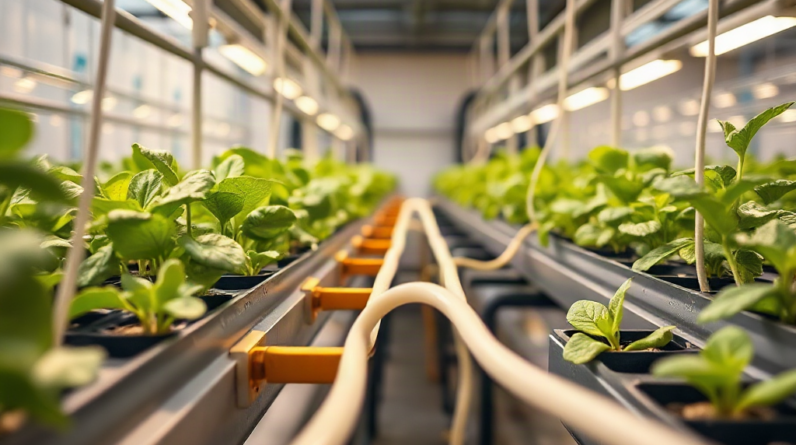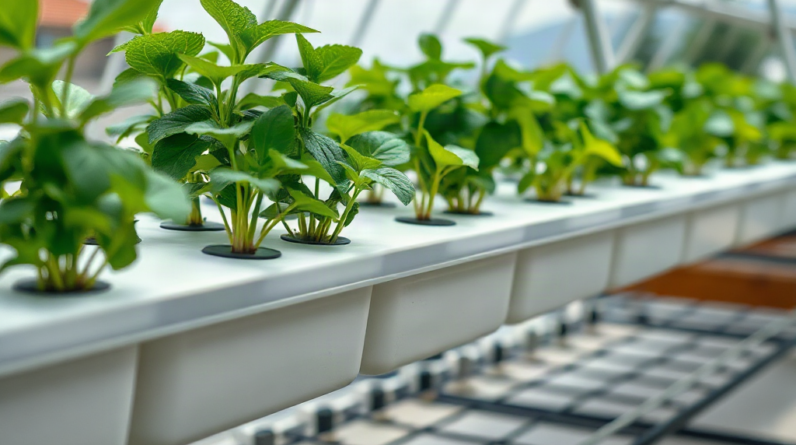
Slow growth in hydroponic crops can significantly impact yield and overall plant health. The primary causes of slow growth often stem from environmental conditions and nutritional imbalances. In hydroponics, plants rely entirely on the nutrient solution for their sustenance, making it crucial to maintain the right balance of nutrients, light, and pH levels. When any of these factors are mismanaged, plants can exhibit stunted growth and reduced productivity.
One common issue leading to slow growth is nutrient deficiency. Hydroponic systems require precise nutrient formulations, and any shortfall in essential elements like nitrogen, phosphorus, or potassium can severely limit plant growth. For instance, nitrogen is vital for vegetative growth, and a lack of it can cause yellowing leaves and slow development. Similarly, an excess of certain nutrients can also lead to toxicity, which can impede growth.
Light conditions play a critical role in the growth of hydroponic crops. Insufficient light intensity or inappropriate light spectrum can lead to poor photosynthesis, which directly affects growth rates. Hydroponic systems often employ artificial lighting, and ensuring that plants receive adequate light for the right duration and intensity is essential for optimal growth.
Understanding Nutrient Deficiencies
Nutrient deficiencies are a primary cause of slow growth in hydroponic systems. Each plant species has specific nutritional requirements, and failing to meet these can result in visible signs of distress. For example, a lack of nitrogen often manifests as yellowing leaves and stunted growth, while insufficient phosphorus can lead to poor root development.
To prevent nutrient deficiencies, regular monitoring and adjustment of the nutrient solution are necessary. Hydroponic growers should employ tools like EC (electrical conductivity) meters to measure nutrient concentration and ensure that plants receive adequate levels of macronutrients and micronutrients. Additionally, periodic testing of the nutrient solution can help identify any imbalances before they affect plant health.
The Role of Light in Hydroponics
Light is another crucial factor influencing the growth rate of hydroponic crops. Plants require adequate light for photosynthesis, and insufficient light can lead to elongated stems and weak growth. The type of light used—whether LED, fluorescent, or high-intensity discharge—also impacts plant development.
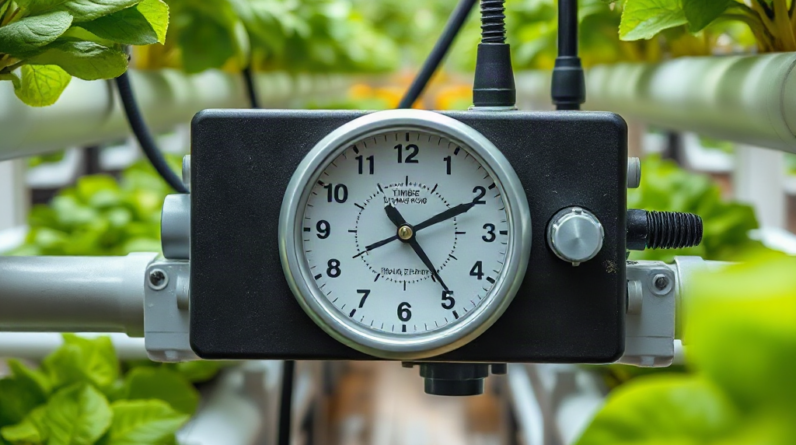
Growers should ensure that their hydroponic crops receive the appropriate light spectrum and intensity for their specific growth stage. For instance, blue light is essential during the vegetative phase, while red light promotes flowering and fruiting. A light schedule of 12 to 18 hours per day, depending on the crop, is typically recommended for optimal growth.
pH Levels and Their Impact on Growth
The pH level of the nutrient solution plays a vital role in nutrient availability. Most hydroponic crops thrive in a pH range of 5.5 to 6.5. If the pH deviates from this range, certain nutrients may become inaccessible to plants, leading to deficiencies and slow growth.
To maintain proper pH levels, growers should regularly test the nutrient solution and adjust it as needed. pH adjusters, such as phosphoric acid or potassium hydroxide, can be used to correct imbalances. Ensuring the right pH is crucial for maximizing nutrient uptake and promoting healthy growth.
Environmental Factors Affecting Growth Rates
Environmental factors such as temperature, humidity, and airflow also significantly impact crop growth in hydroponics. Extreme temperatures can stress plants, leading to reduced growth and increased susceptibility to diseases. Ideally, most hydroponic crops grow best at temperatures between 65°F to 75°F (18°C to 24°C).
Humidity levels should also be monitored, as high humidity can lead to fungal diseases, while low humidity can cause plant stress. Proper airflow is essential to prevent stagnant conditions and ensure that plants receive adequate carbon dioxide for photosynthesis. Implementing fans and ventilation systems can help maintain optimal environmental conditions.
For those looking to delve deeper into the intricacies of hydroponic gardening, consider exploring authoritative resources from agricultural extensions or hydroponic research institutions. These sources provide valuable insights into nutrient management, environmental control, and advanced hydroponic techniques.
Further Reading
Authoritative Sources
- USDA National Institute of Food and Agriculture
nifa.usda.govResearch and extension resources related to agriculture, plants, soil, and food systems
- Extension Foundation Gardening Resources
extension.orgUniversity extension education resources for practical gardening and home agriculture topics
- USDA Natural Resources Conservation Service
nrcs.usda.govSoil, water, conservation, and land management resources for practical growing decisions
Frequently Asked Questions
What are the signs of slow growth in hydroponic crops?
Signs include yellowing leaves, stunted growth, and weak stems, indicating potential nutrient deficiencies or environmental stress.
How can I improve growth rates in my hydroponic system?
Improving growth rates can be achieved by optimizing nutrient solutions, ensuring adequate light exposure, maintaining proper pH levels, and controlling environmental factors.
What nutrient deficiencies most commonly affect hydroponic plants?
Nitrogen, phosphorus, and potassium deficiencies are common, each leading to specific growth issues and symptoms in plants.
Is light duration important for hydroponic crops?
Yes, light duration is crucial; most crops require 12 to 18 hours of light daily for optimal growth depending on their growth stage.
How does pH affect nutrient uptake in hydroponics?
PH levels affect nutrient solubility; if the pH is too high or low, plants may not absorb essential nutrients effectively, leading to deficiencies.
Conclusion
Understanding the causes of slow growth in hydroponic crops is essential for any grower looking to optimize their system. Key factors include nutrient deficiencies, inadequate light, improper pH levels, and environmental conditions. By closely monitoring and adjusting these elements, growers can significantly enhance plant health and productivity. Regular testing of nutrient solutions, light management, and environmental controls will help ensure that crops thrive in a hydroponic setup, ultimately leading to a successful harvest.
Related Content
- Hydroponic Garden Tower: Efficient Vertical Gardening Techniques for Home Growers
- Harvesting Hydroponic Herbs Without Stopping Growth: Cut-and-Come-Again Methods That Work
- Hydroponic Air Pump System: Essential Components and Setup Techniques
- Hydroponics: The Future of Sustainable Agriculture
- Hydroponic Planter System: Key Components and Setup Methods for Successful Growth