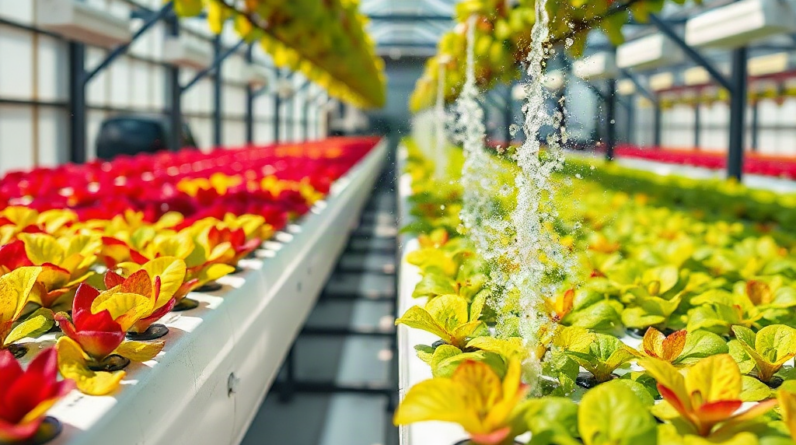
Discoloration in hydroponic plants often indicates underlying issues that require immediate attention. Common causes include nutrient deficiencies, pH imbalances, and light exposure problems. Nutrient deficiencies can lead to yellowing or browning leaves, particularly if the plants lack essential elements like nitrogen, magnesium, or iron. Optimizing the nutrient solution and ensuring a balanced feed can help prevent such deficiencies.
Moreover, maintaining the correct pH level in your nutrient solution is vital. If the pH drifts outside the ideal range of 5.5 to 6.5, plants may struggle to absorb nutrients effectively, resulting in stress and discoloration. Regularly testing and adjusting the pH can mitigate this risk. Additionally, light exposure plays a crucial role in plant health; insufficient light can lead to pale leaves, while excessive light may cause leaf burn. Monitoring light intensity and adjusting the duration of exposure can help maintain optimal growth conditions.
Understanding Nutrient Deficiencies
Nutrient deficiencies are a primary cause of discoloration in hydroponic plants. Each nutrient plays a specific role in plant health, and a lack of any essential nutrient can manifest as leaf discoloration. For instance, nitrogen deficiency typically results in yellowing of older leaves, while iron deficiency often causes yellowing between the veins of younger leaves.
To effectively manage nutrient levels, it’s crucial to regularly test your nutrient solution and adjust it according to the specific needs of your plants. Many growers use a balanced fertilizer that includes micro-nutrients to prevent deficiencies. Additionally, ensuring proper nutrient uptake can be aided by maintaining optimal water temperature and oxygen levels in the reservoir.
Importance of pH Levels
Maintaining the correct pH level in your hydroponic system is critical for nutrient availability. If the pH is too high or too low, it can lead to nutrient lockout, where plants are unable to absorb the nutrients they need, resulting in discoloration and poor growth.
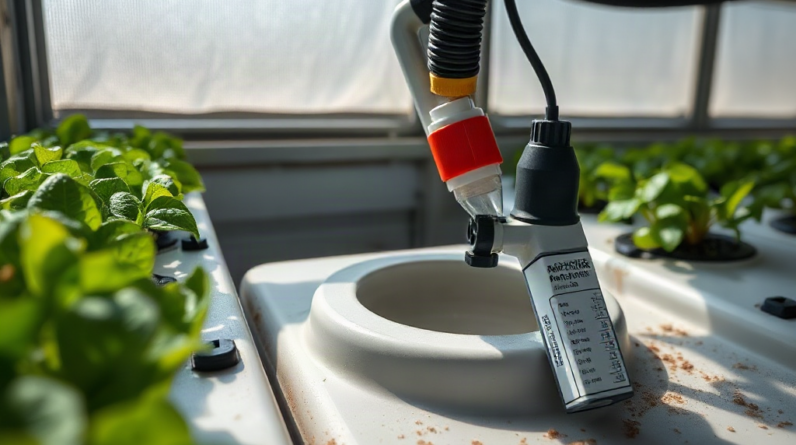
Regularly monitoring and adjusting the pH of your nutrient solution should become a routine practice. Use high-quality pH testing kits and adjust the levels using pH up or pH down solutions as necessary. Keeping the pH within the optimal range will help ensure that your plants can absorb nutrients effectively and stay healthy.
Light Conditions and Their Impact
Light exposure is another key factor influencing plant coloration. Insufficient light can lead to weak, pale plants with elongated stems, while too much light can cause leaf burn and browning. Understanding the light requirements of your specific plants is essential.
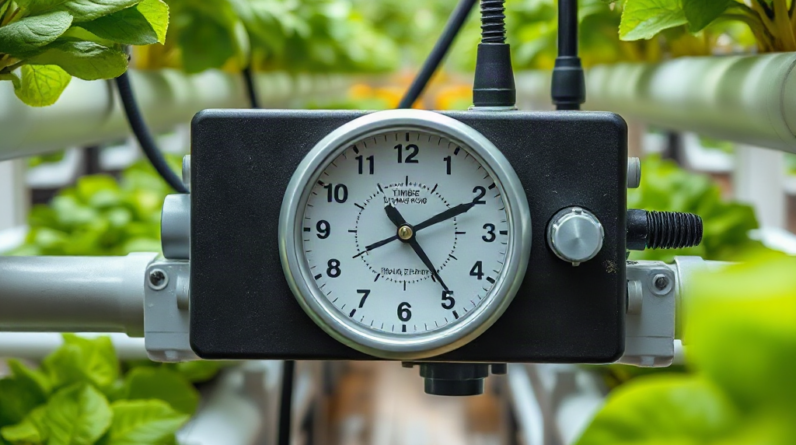
To achieve the right balance, consider the type of grow lights you are using and their placement. Adjusting the height and intensity of your lights can help optimize growth conditions. Additionally, using a timer to regulate light exposure can further enhance plant health and prevent stress-related discoloration.
Further Reading
Authoritative Sources
- USDA National Institute of Food and Agriculture
nifa.usda.govResearch and extension resources related to agriculture, plants, soil, and food systems
- Extension Foundation Gardening Resources
extension.orgUniversity extension education resources for practical gardening and home agriculture topics
- USDA Natural Resources Conservation Service
nrcs.usda.govSoil, water, conservation, and land management resources for practical growing decisions
Frequently Asked Questions
What causes yellowing leaves in hydroponic plants?
Yellowing leaves can be caused by nutrient deficiencies, particularly nitrogen, or improper pH levels that affect nutrient absorption.
How can I fix pH issues in my hydroponic system?
Regularly test the pH using a reliable kit and adjust it using pH up or pH down solutions to keep it within the ideal range of 5.5 to 6.5.
Is light exposure important for hydroponic plants?
Yes, light exposure is crucial as it affects photosynthesis; too little light can cause pale leaves while too much can lead to leaf burn.
What nutrients are essential for hydroponic plants?
Essential nutrients include nitrogen, phosphorus, potassium, calcium, magnesium, and trace elements like iron and manganese.
How often should I check nutrient levels in my hydroponic system?
It’s advisable to check nutrient levels at least once a week to ensure your plants are receiving the necessary elements for optimal growth.
Conclusion
Understanding why your hydroponic plants are discolored is vital for maintaining their health and productivity. By addressing nutrient deficiencies, monitoring pH levels, and managing light exposure, you can prevent discoloration and promote robust growth. Regular maintenance and attention to these factors will ensure your hydroponic garden thrives and yields healthy plants. Take action today to assess your system and make necessary adjustments for the best outcomes.