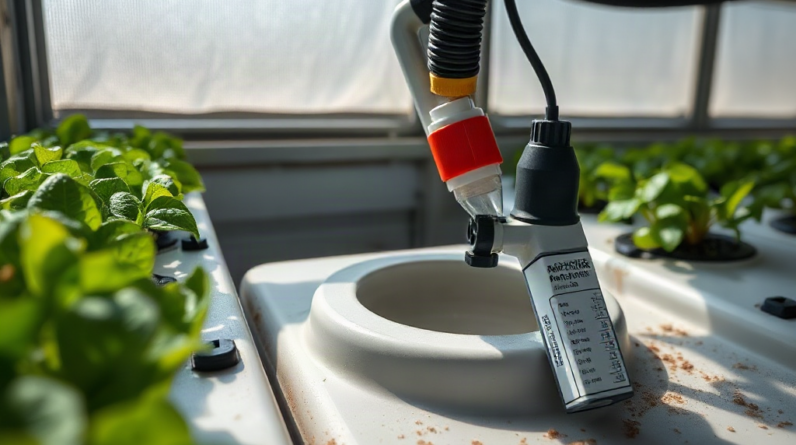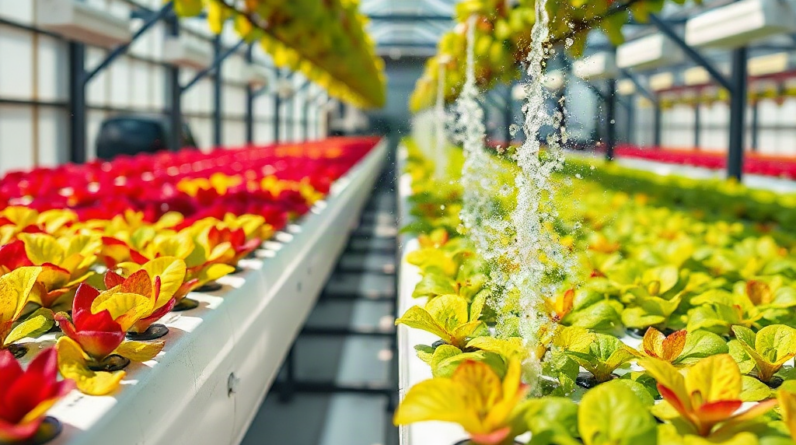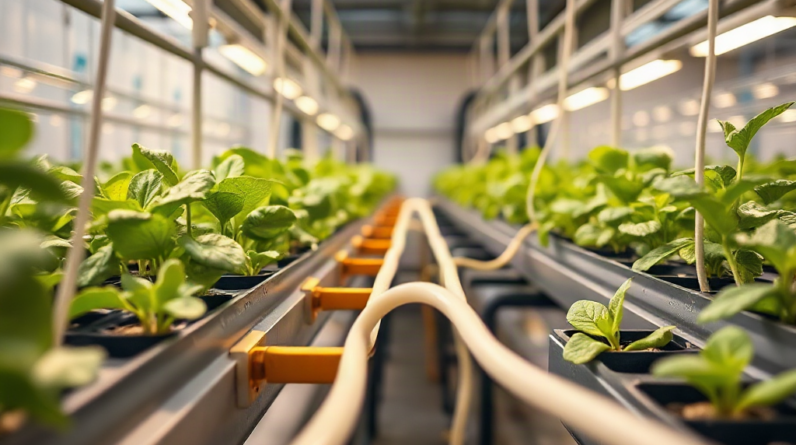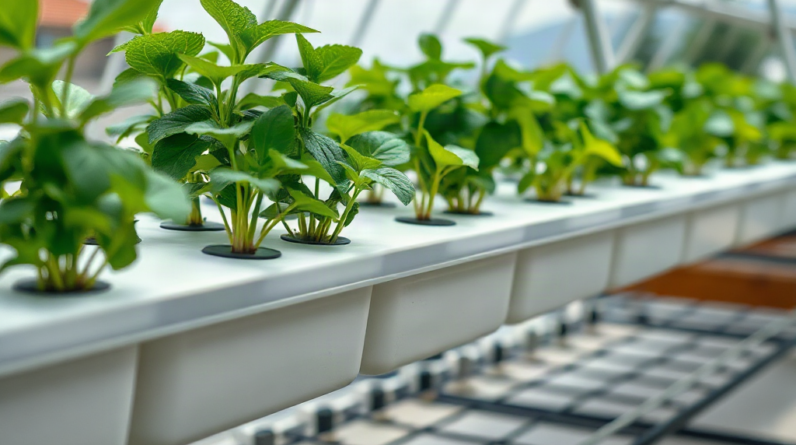
To effectively manage nutrient delivery in hydroponics, it's essential to maintain the right balance of nutrient concentrations and monitor both pH and electrical conductivity (EC) levels. A well-formulated nutrient solution tailored to your plants' growth stages is crucial, as nutrient needs vary from seedlings to flowering. Regularly checking pH levels between 5.5 and 6.5 ensures nutrient availability, while monitoring EC helps gauge nutrient strength. Avoid over-fertilization and neglecting nutrient monitoring, as these common mistakes can lead to deficiencies or toxicities, ultimately affecting plant health and yield. Implementing automated systems can enhance precision in nutrient delivery, promoting optimal growth and efficiency.
Understanding Nutrient Solutions
Nutrient solutions are crucial for the success of hydroponic systems as they provide essential macro and micronutrients that plants need to grow. The primary nutrients include nitrogen, phosphorus, and potassium, while secondary nutrients like calcium, magnesium, and sulfur, along with trace minerals such as iron, manganese, and zinc, are also vital. The formulation of these solutions should be tailored to the specific growth stage of the plants, as their nutrient requirements vary significantly from seedling to flowering stages.
To ensure optimal growth, it is essential to maintain the correct concentration of nutrients in the solution. This can be achieved by regularly checking the nutrient levels and adjusting them based on plant needs and growth stages. A well-balanced nutrient solution not only promotes healthy growth but also enhances the efficiency of nutrient uptake, ultimately leading to higher yields.
Monitoring pH and EC Levels
PH and electrical conductivity (EC) are two critical parameters in managing nutrient delivery in hydroponics. The pH level affects nutrient availability; for most plants, the ideal pH range is between 5.5 and 6.5. If the pH is too high or too low, certain nutrients may become unavailable, leading to deficiencies or toxicities. Regular monitoring of pH levels using a reliable pH meter is vital to ensure that the nutrient solution remains within the optimal range.
Electrical conductivity (EC) measures the concentration of dissolved salts in the nutrient solution, indicating the overall nutrient strength. Maintaining the right EC level is crucial, as too low means insufficient nutrients, while too high can lead to nutrient burn. Adjusting nutrient concentrations based on EC readings will help maintain a balanced nutrient delivery system.
Delivery Methods for Nutrient Solutions
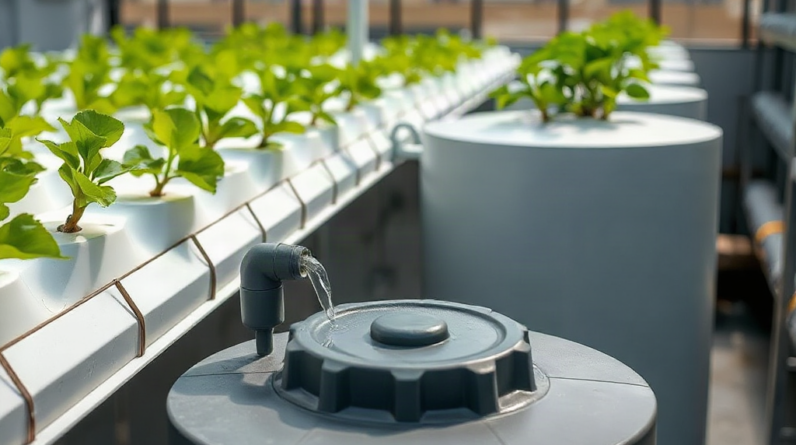
There are various methods to deliver nutrient solutions in hydroponics, including deep water culture, nutrient film technique, and drip irrigation. Each method has its advantages and can be chosen based on the specific needs of the plants and the grower’s setup. For example, drip irrigation allows for precise control over nutrient delivery and is particularly useful in larger systems where individual plant requirements may vary.
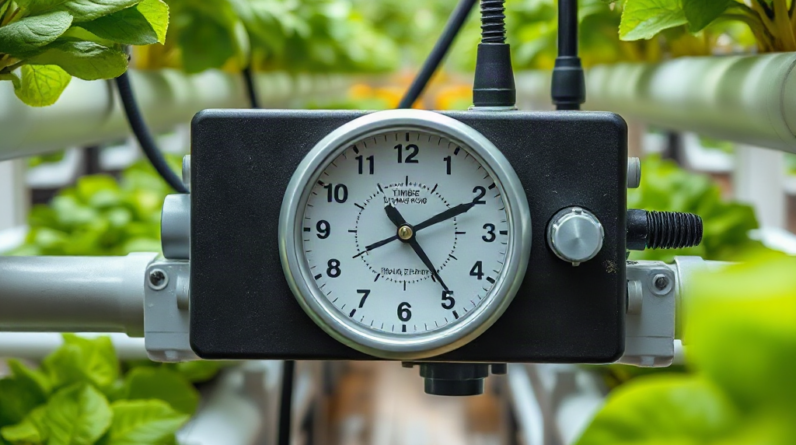
Automated systems can further enhance nutrient delivery efficiency. Timers and sensors can be integrated to ensure that plants receive the right amount of nutrients at the right times, reducing the risk of over- or under-fertilization. Understanding the strengths and weaknesses of each delivery method will enable growers to select the most appropriate system for their hydroponic setup.
Common Mistakes to Avoid
One of the most common mistakes in managing nutrient delivery is over-fertilization, which can lead to nutrient burn and poor plant health. It’s crucial to follow recommended nutrient guidelines and adjust based on the specific needs of the plants. Another mistake is neglecting to monitor pH and EC levels regularly, leading to nutrient imbalances. Establishing a routine for checking these parameters can help prevent issues before they escalate.
In addition, growers often overlook the importance of water quality. Using tap water with high levels of chlorine or other contaminants can negatively impact the nutrient solution. Using filtered or distilled water can help ensure that the nutrient delivery system operates effectively.
For those looking to deepen their understanding of nutrient management in hydroponics, consider exploring official agricultural extension resources or reputable hydroponic growing guides that offer insights into nutrient formulations and advanced management practices.
Frequently Asked Questions
What are the essential nutrients for hydroponic plants?
The essential nutrients for hydroponic plants include nitrogen, phosphorus, potassium, calcium, magnesium, sulfur, and trace minerals like iron and manganese.
How often should I check pH and EC levels?
It is advisable to check pH and EC levels at least once a week, or more frequently during periods of rapid plant growth or environmental changes.
Can I use tap water for my hydroponic system?
While tap water can be used, it is best to filter it to remove chlorine and other contaminants that can affect nutrient delivery.
What is the best delivery method for nutrient solutions?
The best delivery method depends on the setup; drip irrigation is popular for its precision, while deep water culture is effective for larger systems.
What are the signs of nutrient deficiency in hydroponic plants?
Signs of nutrient deficiency can include yellowing leaves, stunted growth, and poor fruit development. Regular monitoring can help catch these issues early.
Further Reading
Authoritative Sources
- USDA National Institute of Food and Agriculture
nifa.usda.govResearch and extension resources related to agriculture, plants, soil, and food systems
- Extension Foundation Gardening Resources
extension.orgUniversity extension education resources for practical gardening and home agriculture topics
- USDA Natural Resources Conservation Service
nrcs.usda.govSoil, water, conservation, and land management resources for practical growing decisions
Conclusion
Effectively managing nutrient delivery in hydroponics is essential for achieving healthy plant growth and maximizing yields. By understanding the composition of nutrient solutions, closely monitoring pH and EC levels, and selecting the right delivery methods, growers can cultivate thriving hydroponic systems. Avoiding common mistakes such as over-fertilization and neglecting water quality will further enhance the success of your hydroponic garden. Prioritizing these practices will lead to a more productive and efficient growing environment.
Related Content
- How to Clean Hydroponic Air Stones Safely (Steps, Soaking Time, and Replacement Signs)
- Build an Automated Hydroponic System
- A Soil-Free Approach to Growing Healthy Plants
- iDOO Hydroponics Growing System Kit 12Pods Review
- Why Transplanted Hydroponic Seedlings Wilt After Moving: Causes, Timing, and Recovery Steps