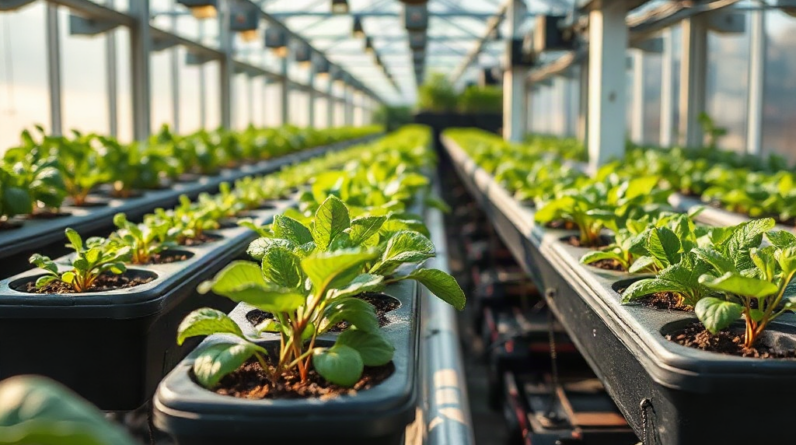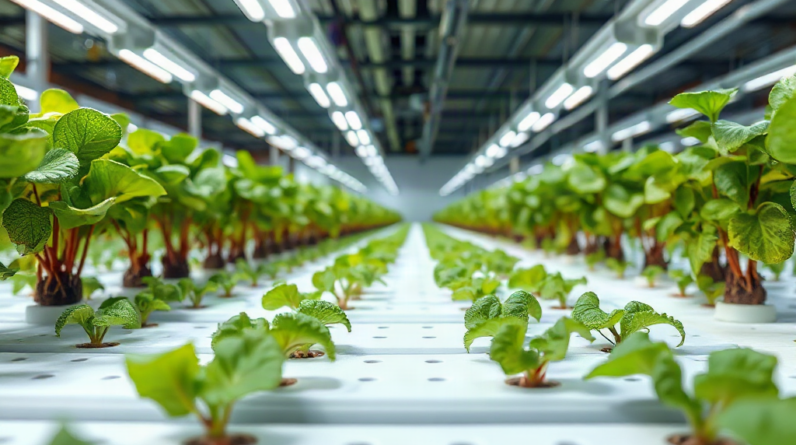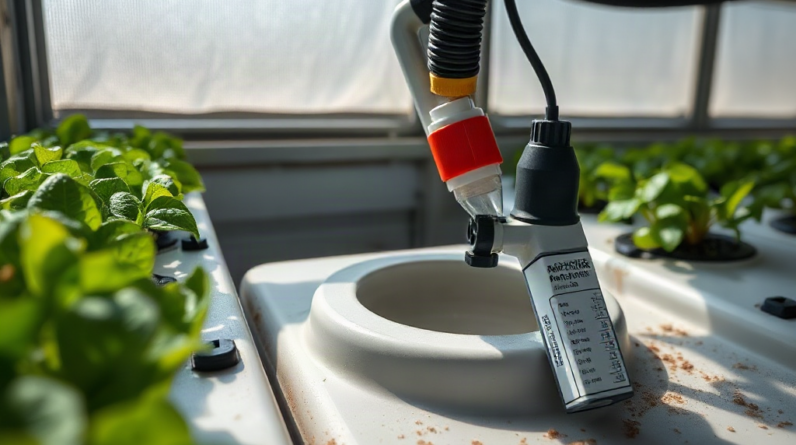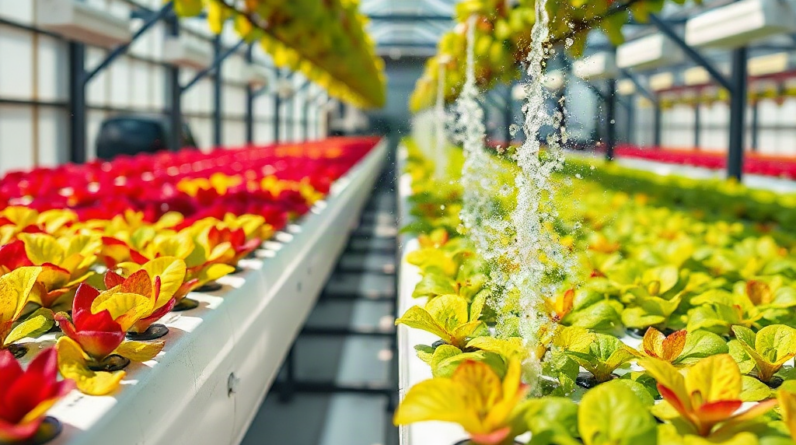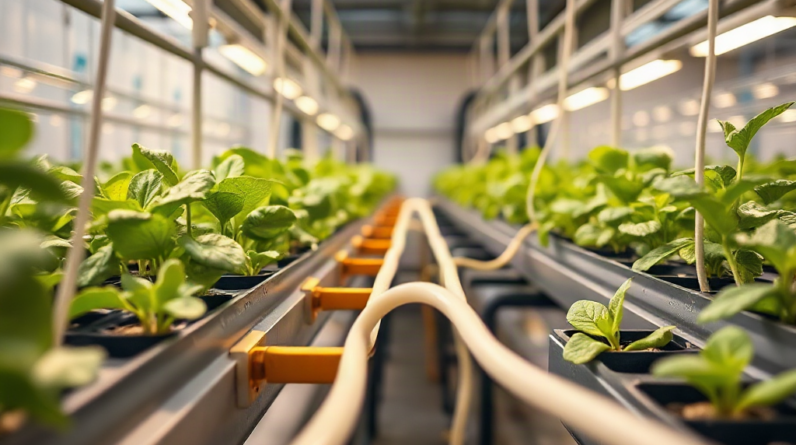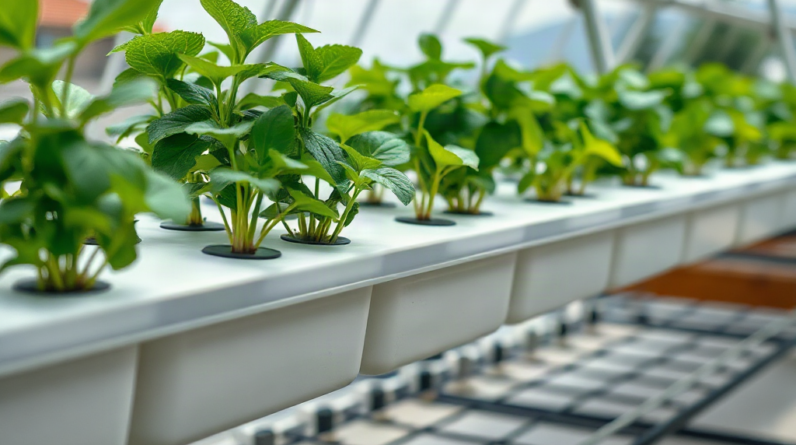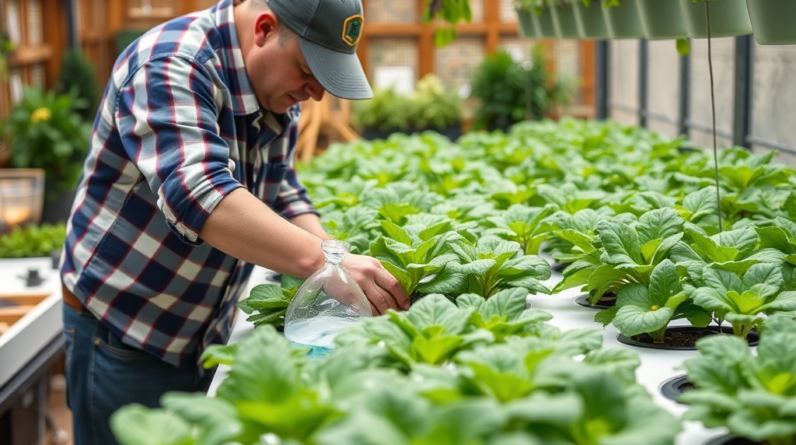

Managing water pressure in hydroponics is essential for ensuring optimal nutrient delivery and maintaining plant health. This involves using a pressure regulator, selecting the right pump size, and routinely checking for clogs or leaks. Proper water pressure is crucial because excessive pressure can damage plant roots, while insufficient pressure can lead to nutrient deficiencies. Regular monitoring and adjustments help create a balanced environment for plant growth.
In hydroponic systems, maintaining the right water pressure is not only about the initial setup but also involves ongoing maintenance. Many growers overlook the importance of monitoring pressure levels, which can fluctuate due to factors like pump wear or system changes. It’s vital to regularly inspect components such as filters and tubing to ensure they are not obstructed, as this can affect the overall pressure in the system.
Understanding Water Pressure in Hydroponics
Water pressure in hydroponics affects how nutrients are delivered to plants. High pressure can cause root damage, while low pressure can lead to inadequate nutrient uptake. Understanding the optimal pressure range for your specific system is critical for plant health.
Many systems operate best between 10 to 30 psi, but this can vary depending on the type of hydroponic system used. For example, deep water culture systems may require lower pressure than nutrient film technique systems. Growers should consult their system’s specifications to determine the ideal pressure range.
Choosing the Right Equipment
Selecting the appropriate pump and pressure regulator is vital for managing water pressure effectively. The pump must be capable of delivering water at the required pressure without exceeding the system’s limits.
Investing in a quality pressure regulator can help maintain consistent pressure levels. Additionally, using high-quality tubing and fittings will prevent leaks, which can lead to pressure loss. Regularly replacing worn components can also enhance system performance.
Common Mistakes to Avoid
One of the most common mistakes in hydroponics is neglecting to check for clogs or leaks. Clogged filters or tubing can lead to pressure fluctuations that harm plant health. Regular maintenance checks can help avoid these issues.
Another mistake is using an undersized pump, which can struggle to maintain adequate pressure. Conversely, an oversized pump can create excessive pressure, damaging the root system. Always match the pump size to the system’s requirements.
Monitoring and Adjusting Pressure
To maintain optimal water pressure, regular monitoring is essential. Use a pressure gauge to track levels and adjust the pump or regulator as needed. Keeping a log of pressure readings can help identify patterns and anticipate maintenance needs.
Additionally, adjusting the pressure based on plant growth stages can enhance nutrient uptake. For instance, younger plants may thrive at lower pressure, while mature plants may require higher pressure to support their increased nutrient demands.
Further Reading
Authoritative Sources
- USDA National Institute of Food and Agriculture
nifa.usda.govResearch and extension resources related to agriculture, plants, soil, and food systems
- Extension Foundation Gardening Resources
extension.orgUniversity extension education resources for practical gardening and home agriculture topics
- USDA Natural Resources Conservation Service
nrcs.usda.govSoil, water, conservation, and land management resources for practical growing decisions
Frequently Asked Questions
What is the ideal water pressure for hydroponics?
The ideal water pressure for hydroponics typically ranges between 10 to 30 psi, depending on the system type.
How can I tell if my hydroponic system has pressure issues?
Monitor plant health and nutrient delivery; signs of pressure issues include wilting or nutrient deficiencies.
What are the risks of high water pressure in hydroponics?
High water pressure can damage plant roots, leading to stunted growth and nutrient absorption problems.
How often should I check water pressure in my system?
Check water pressure at least once a week, or more frequently during system changes or after maintenance.
Can I use a regular garden pump for hydroponics?
While some garden pumps may work, it’s best to use pumps specifically designed for hydroponic systems to ensure proper pressure management.
Conclusion
Proper management of water pressure in hydroponics is crucial for plant health and nutrient delivery. By understanding the ideal pressure range, choosing the right equipment, avoiding common mistakes, and regularly monitoring pressure levels, growers can optimize their hydroponic systems. Implementing these practices will lead to healthier plants and a more efficient growing environment.