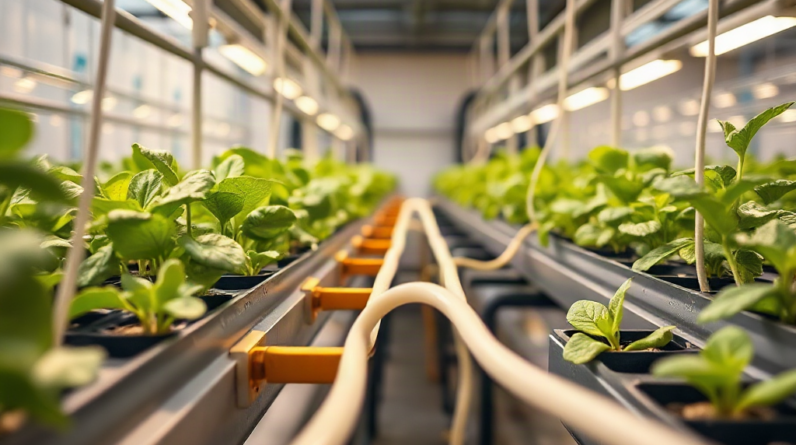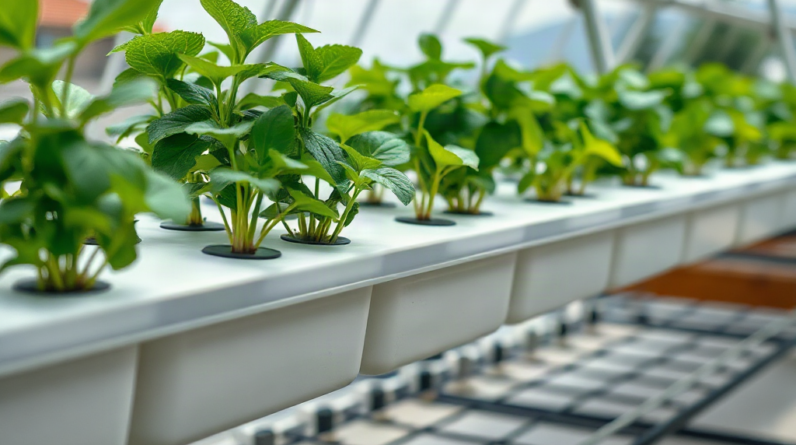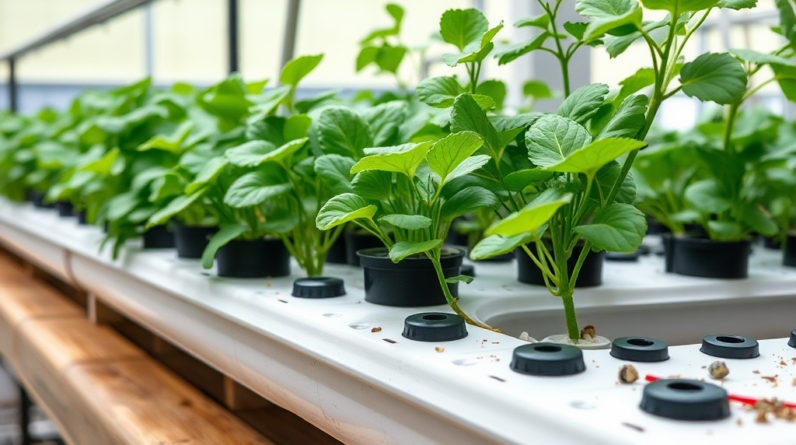
Preventing nutrient solution contamination is crucial for maintaining a healthy hydroponic system. Regular sanitation of equipment, such as containers, pumps, and hoses, helps eliminate pathogens that could harm plants. Monitoring water quality is equally important; testing for pH, electrical conductivity, and the presence of contaminants can prevent potential issues before they escalate.
Common mistakes include using unclean tools for mixing or transferring nutrient solutions, which can introduce harmful bacteria and fungi. It’s essential to use dedicated tools for specific tasks and sanitize them regularly. Additionally, ensure that nutrient solutions are mixed according to manufacturer instructions to avoid imbalances that could affect plant growth.
Sanitation Practices
Effective sanitation practices are the first line of defense against contamination. Regularly clean and disinfect all equipment that comes into contact with your nutrient solution. Use approved cleaning agents and follow the manufacturer’s guidelines for effective results.
Implementing a routine cleaning schedule ensures that equipment remains free from harmful microorganisms. Pay special attention to areas where residues can accumulate, as these are prime spots for contamination. For example, after each use, thoroughly rinse out containers and hoses to remove any leftover solution.
Monitoring Water Quality
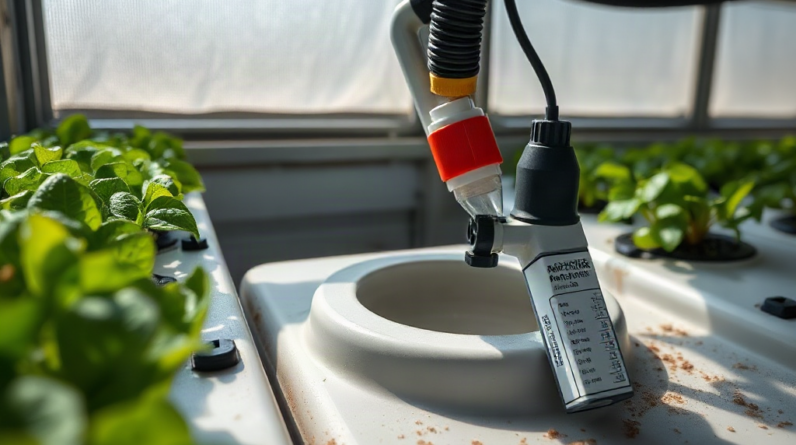
Monitoring the water quality is vital for preventing contamination. Regularly test your nutrient solution for pH levels and electrical conductivity to ensure optimal conditions for plant growth. Contaminants such as chlorine or heavy metals can disrupt nutrient uptake.
Using a reliable water testing kit allows you to keep track of any changes that could affect plant health. If you notice irregularities, consider filtering your water or using distilled water to minimize risks. Remember that maintaining a stable environment is key to healthy hydroponic growth.
Preventing Cross-Contamination
Cross-contamination can occur easily in hydroponic systems, especially if tools are shared or not properly cleaned. To mitigate this risk, designate specific tools for specific tasks and ensure they are sanitized before each use.
For example, avoid using the same measuring cup for both nutrient solutions and cleaning agents. This simple practice can prevent harmful interactions that may compromise your plants’ health. Educate everyone involved in the hydroponic process about these practices to maintain a contamination-free environment.
Nutrient Mixing Techniques
Proper nutrient mixing techniques are essential for preventing contamination. Always follow the manufacturer’s instructions for mixing solutions, as improper ratios can lead to nutrient imbalances and promote bacterial growth.
When mixing nutrients, use clean, sanitized containers and utensils. This prevents any residual contaminants from previous mixes from affecting the new solution. Additionally, ensure that the mixing area is clean and organized to avoid accidental spills or contamination.
Frequently Asked Questions
What are the signs of nutrient solution contamination?
Signs include unusual discoloration, unpleasant odors, and stunted plant growth, indicating an imbalance or harmful pathogens.
How often should I test my nutrient solution?
It’s advisable to test your nutrient solution at least once a week, or more frequently if you notice any irregularities.
Can I use tap water for hydroponics?
Using tap water can introduce contaminants like chlorine and heavy metals; it’s best to filter or use distilled water.
What cleaning agents are safe for hydroponic equipment?
Use non-toxic, food-safe cleaning agents specifically designed for hydroponic systems to avoid introducing harmful chemicals.
How can I ensure my nutrient solution is properly mixed?
Always follow the manufacturer’s instructions for mixing ratios and use clean, dedicated tools for measuring and mixing.