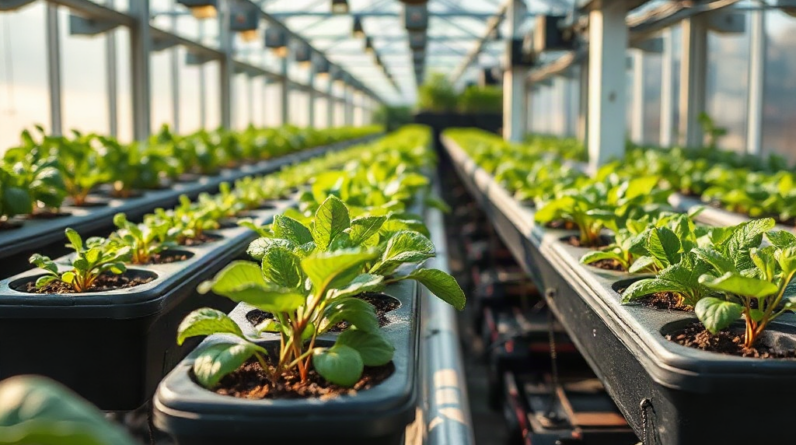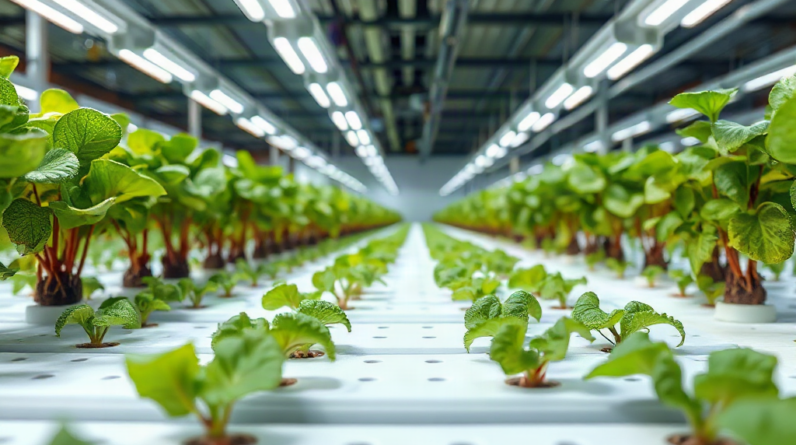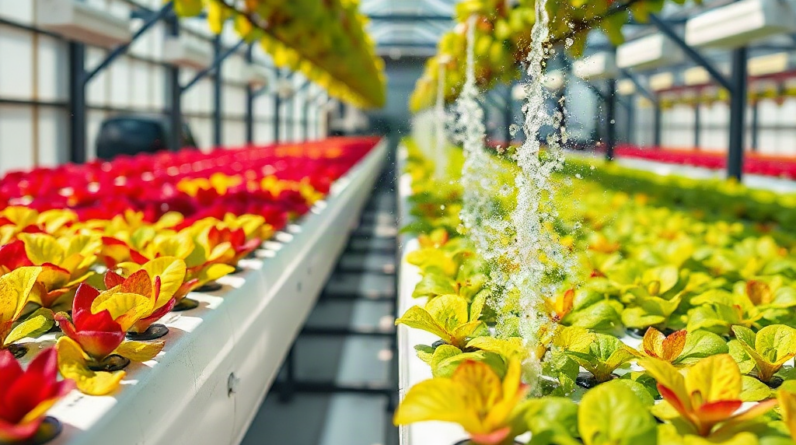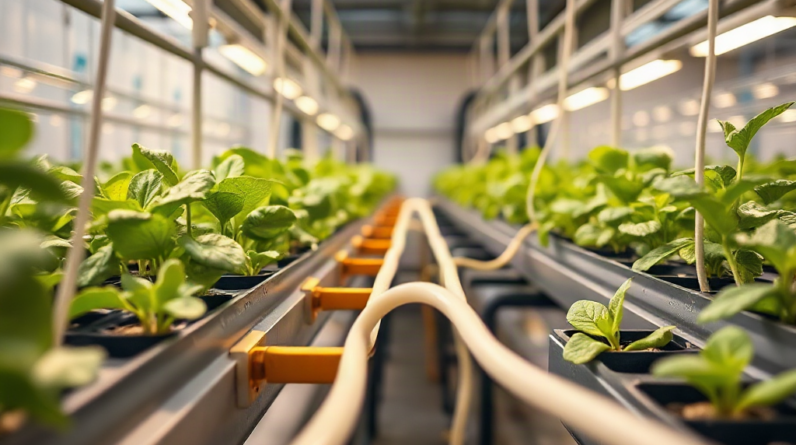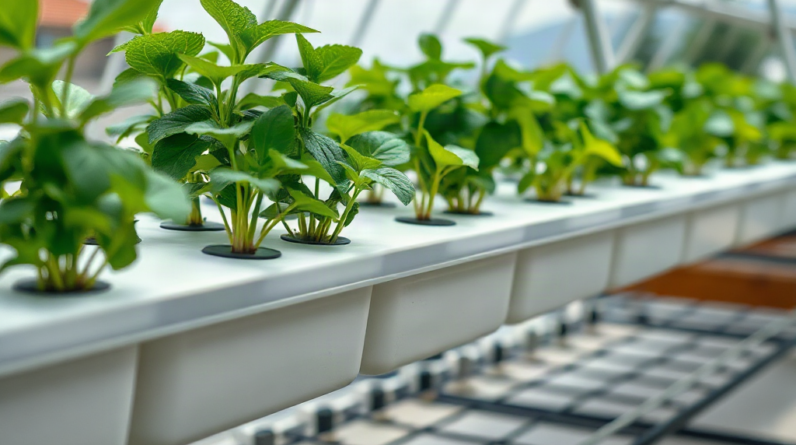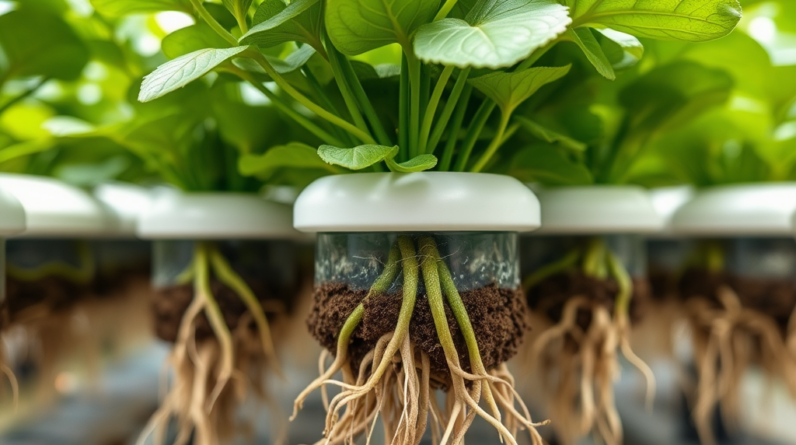

Root development issues in hydroponic systems can significantly impact plant health and yield. These problems are often caused by factors such as insufficient oxygen, nutrient deficiencies, or imbalanced pH levels. When roots do not develop properly, plants may exhibit stunted growth, yellowing leaves, or even failure to thrive, making it crucial for growers to understand and address these issues promptly.
One of the primary causes of poor root development is inadequate oxygenation. In hydroponics, roots require sufficient oxygen to facilitate nutrient uptake and respiration. If the nutrient solution is too dense or stagnant, oxygen levels can drop, leading to root suffocation. To remedy this, ensure proper aeration of the nutrient solution, possibly by using air stones or pumps to circulate the water effectively.
Nutrient imbalances also play a critical role in root health. An excess or deficiency of essential nutrients can hinder root growth and function. Regularly testing the nutrient solution and adjusting concentrations as necessary will help maintain a balanced environment for root development. Pay particular attention to macronutrients like nitrogen, phosphorus, and potassium, as well as micronutrients like iron and magnesium.
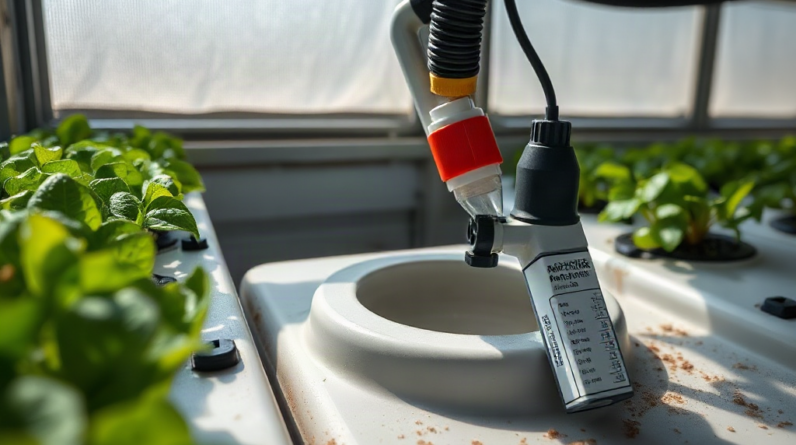
Furthermore, maintaining the correct pH level is vital for nutrient availability and uptake. Hydroponic systems typically thrive at a pH range of 5.5 to 6.5. If the pH drifts outside this range, certain nutrients may become locked out, preventing plants from absorbing them effectively. Regular pH monitoring and adjustment using pH up or down solutions can ensure that roots receive the nutrients they need.
Understanding Oxygen Requirements
Oxygen is crucial for root development in hydroponic systems. Roots need oxygen for respiration, which is essential for energy production and overall plant health. Without adequate oxygen, roots can become weak and susceptible to diseases.
To enhance oxygen levels, consider implementing aeration techniques. Using air stones or diffusers in the nutrient solution can significantly improve oxygen availability. Additionally, ensure that the water movement is sufficient to prevent stagnation, which can lead to anaerobic conditions.
Nutrient Management for Healthy Roots
Proper nutrient management is vital for promoting robust root systems. Nutrient solutions that are too concentrated can cause root burn, while deficiencies can stunt growth. Monitoring nutrient levels and adjusting them according to plant needs is essential.
Adopting a systematic approach to nutrient management can prevent root development issues. Regularly test and adjust your nutrient solutions based on plant growth stages. Utilizing hydroponic nutrient solutions that are specifically formulated for different growth phases can also aid in optimizing root health.
The Importance of pH Levels
Maintaining appropriate pH levels is essential for nutrient availability. Hydroponic systems generally function best within a pH range of 5.5 to 6.5. Outside this range, certain nutrients may become unavailable, leading to deficiencies that can affect root development.
To ensure optimal pH levels, regularly test your nutrient solution and make adjustments as needed. Using pH up or down solutions can help in correcting imbalances. Implementing a pH monitoring system can also provide a more hands-off approach to maintaining ideal conditions.
Common Mistakes in Hydroponic Systems
Many growers inadvertently make mistakes that can hinder root development. Overwatering, under-oxygenation, and neglecting nutrient monitoring are common pitfalls. Understanding these mistakes can help prevent root-related issues.
To avoid these common errors, develop a routine for monitoring and adjusting your hydroponic system. Establish a schedule for checking nutrient levels, pH, and oxygenation. This proactive approach will help catch potential issues before they escalate and impact plant health.
Further Reading
Authoritative Sources
- USDA National Institute of Food and Agriculture
nifa.usda.govResearch and extension resources related to agriculture, plants, soil, and food systems
- Extension Foundation Gardening Resources
extension.orgUniversity extension education resources for practical gardening and home agriculture topics
- USDA Natural Resources Conservation Service
nrcs.usda.govSoil, water, conservation, and land management resources for practical growing decisions
Frequently Asked Questions
What are the signs of root development issues in hydroponics?
Signs include stunted growth, yellowing leaves, and poor nutrient uptake.
How can I improve oxygen levels in my hydroponic system?
Use air stones or diffusers to aerate the nutrient solution and ensure proper water circulation.
What pH level is best for hydroponic root development?
The ideal pH range is between 5.5 and 6.5 for optimal nutrient availability.
How often should I check nutrient levels in hydroponics?
Check nutrient levels at least once a week, and adjust according to plant growth stages.
What common mistakes should I avoid in hydroponics?
Avoid overwatering, neglecting oxygenation, and failing to monitor nutrient levels regularly.
Conclusion
Addressing issues with root development in hydroponic systems is critical for achieving healthy plants and maximizing yield. By ensuring adequate oxygenation, maintaining balanced nutrient levels, and monitoring pH, growers can create an optimal environment for root growth. Regular assessments and adjustments will lead to stronger plants and ultimately a more successful hydroponic operation.