To prevent nutrient deficiencies in hydroponics, maintain a balanced nutrient solution tailored to your plants' specific needs and regularly monitor pH levels. Nutrient imbalances can lead to symptoms like yellowing leaves or stunted growth, indicating a lack of essential elements. Regular testing of the nutrient solution and adjusting it based on plant growth stages and environmental conditions is vital. Additionally, understanding the unique nutrient uptake patterns of different plants can help you avoid common deficiencies and ensure optimal health and yield in your hydroponic system.
Understanding Nutrient Deficiencies
Nutrient deficiencies occur when plants lack essential elements necessary for growth and development, which can severely impact their health and yield. In hydroponic systems, the absence of soil means that all nutrients must be provided through a nutrient solution. Understanding the role of each nutrient is crucial; for instance, nitrogen is vital for leaf growth, while phosphorus promotes root development. Without a balanced supply, plants may exhibit stunted growth, discoloration, or even death.
The key to preventing these deficiencies lies in maintaining a well-formulated nutrient solution that caters to the specific needs of the plants being grown. Factors such as plant species, growth stage, and environmental conditions can influence nutrient requirements. Therefore, regular assessment of nutrient levels and plant health is essential.
Common Nutrient Deficiencies in Hydroponics
Several specific nutrient deficiencies are frequently encountered in hydroponic systems, each with distinct symptoms. For example, nitrogen deficiency typically manifests as yellowing leaves, particularly in older foliage, as the plant redirects nitrogen to new growth. Phosphorus deficiency may result in stunted growth and dark green or purplish leaves, while potassium deficiency can lead to browning leaf edges and weak stems.
It’s crucial to recognize these symptoms early. Regular visual inspections of plants, combined with tissue analysis when necessary, can help identify deficiencies before they become severe. Furthermore, understanding the nutrient uptake patterns of different plants can aid in tailoring the nutrient solution to prevent these common deficiencies from occurring.
Preventive Measures for Nutrient Deficiencies
To effectively prevent nutrient deficiencies in hydroponics, begin by establishing a comprehensive nutrient management plan. This includes formulating a balanced nutrient solution that meets the specific needs of your plants. Using high-quality fertilizers that provide essential macro and micronutrients is critical. Additionally, consider employing a nutrient solution that allows for easy adjustments based on plant growth stages.
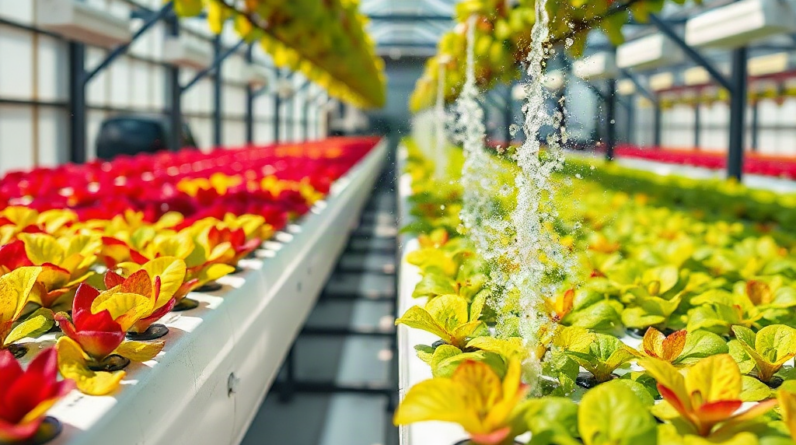
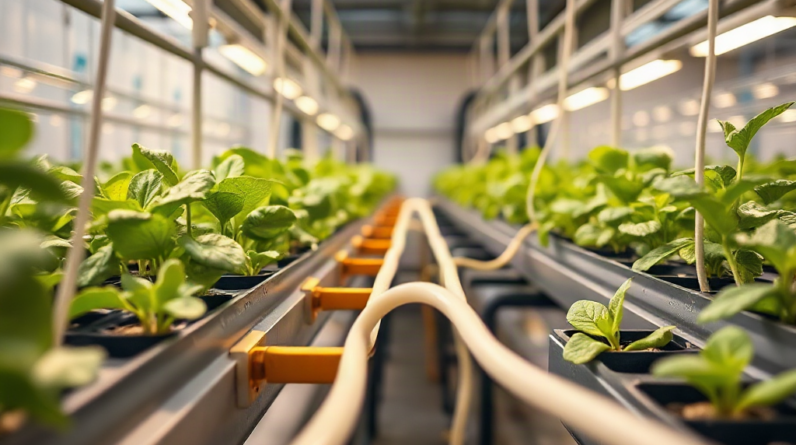
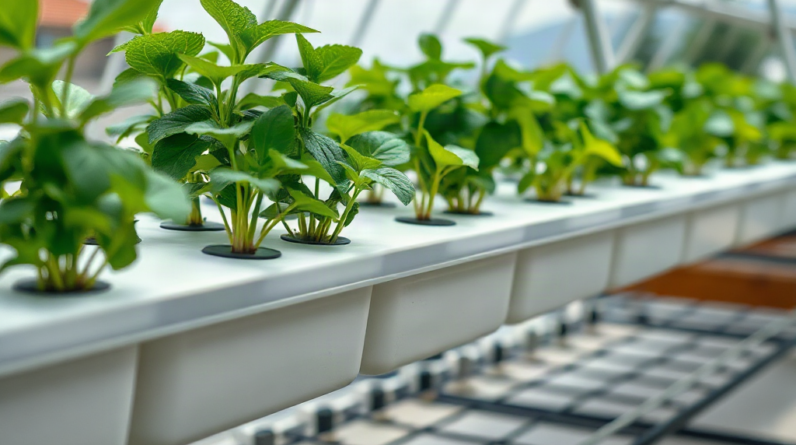
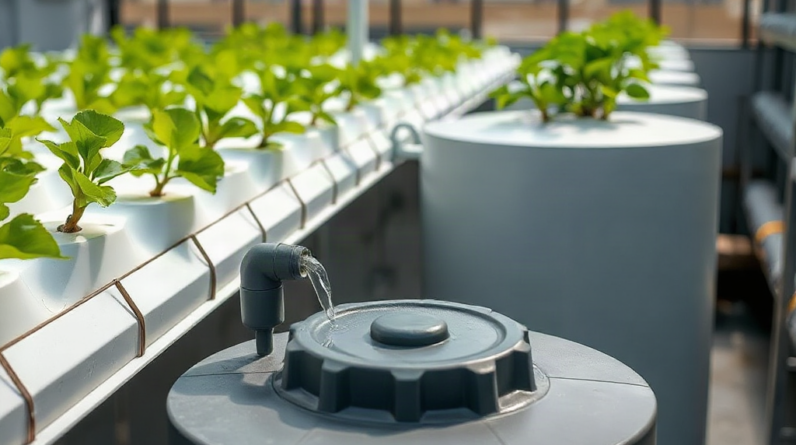
Another vital preventive measure is maintaining an optimal pH level in the nutrient solution. Most plants thrive in a pH range of 5.5 to 6.5, which facilitates nutrient availability. Regularly test and adjust the pH using appropriate solutions to ensure nutrient uptake is not hindered. Additionally, consider using a hydroponic system that allows for efficient nutrient delivery, such as deep water culture or nutrient film technique, which can enhance nutrient absorption.
Monitoring and Adjusting Nutrient Solutions
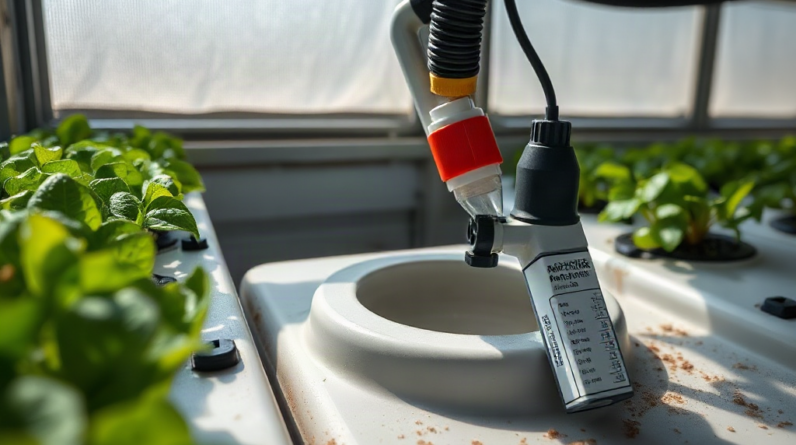
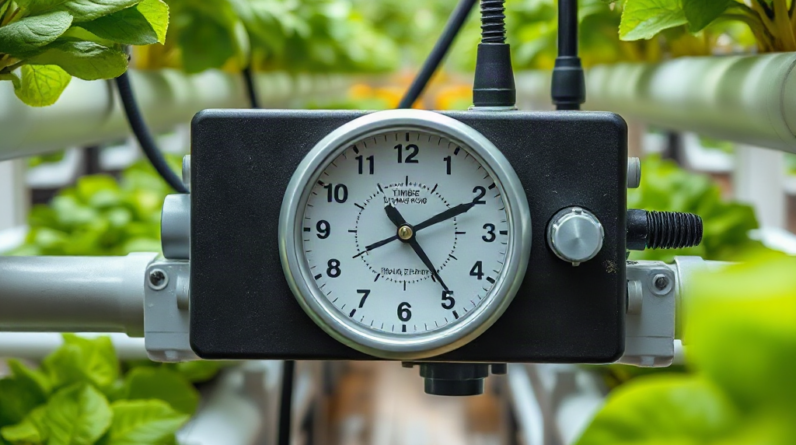
Consistent monitoring of nutrient levels and plant health is essential for maintaining a successful hydroponic system. Utilize tools such as EC (electrical conductivity) meters to measure nutrient concentration and pH meters to ensure the solution remains within the optimal range. Regularly test the nutrient solution and adjust it based on the specific needs of the plants and their growth stage.
Additionally, keep an eye on environmental factors such as temperature and light, as these can influence nutrient uptake. For instance, higher temperatures may increase evaporation rates, concentrating the nutrient solution and potentially leading to deficiencies. By staying proactive in monitoring and adjusting the nutrient solution, growers can effectively prevent nutrient deficiencies and promote healthy plant growth.
Frequently Asked Questions
What are the signs of nutrient deficiencies in hydroponics?
Signs include yellowing leaves, stunted growth, and browning leaf edges, depending on the specific nutrient lacking.
How can I test nutrient levels in my hydroponic system?
Use an EC meter to measure nutrient concentration and a pH meter to ensure the solution is within the optimal range.
What should I do if I notice a nutrient deficiency?
Adjust your nutrient solution based on the identified deficiency and ensure proper pH levels for optimal nutrient uptake.
Can environmental factors affect nutrient absorption?
Yes, factors such as temperature and light can significantly influence how well plants absorb nutrients.
What is the best way to prepare a nutrient solution?
Follow a nutrient formulation specific to your plants, ensuring it includes all necessary macro and micronutrients.
Further Reading
Authoritative Sources
- Hydroponics Research
hydroponics.orgThis resource offers extensive information on nutrient management in hydroponics
- USDA Nutrient Guidelines
usda.govOfficial guidelines on nutrient requirements for various crops
- University Extension Services
extension.orgProvides research-based information on hydroponic systems and nutrient management
Conclusion
Preventing nutrient deficiencies in hydroponics requires a proactive approach, including formulating a balanced nutrient solution, maintaining optimal pH levels, and regularly monitoring plant health. By understanding the specific needs of your plants and the common deficiencies that can arise, you can create an environment that supports robust growth. Regular testing and adjustments to the nutrient solution, combined with awareness of environmental factors, will help ensure your hydroponic system thrives.