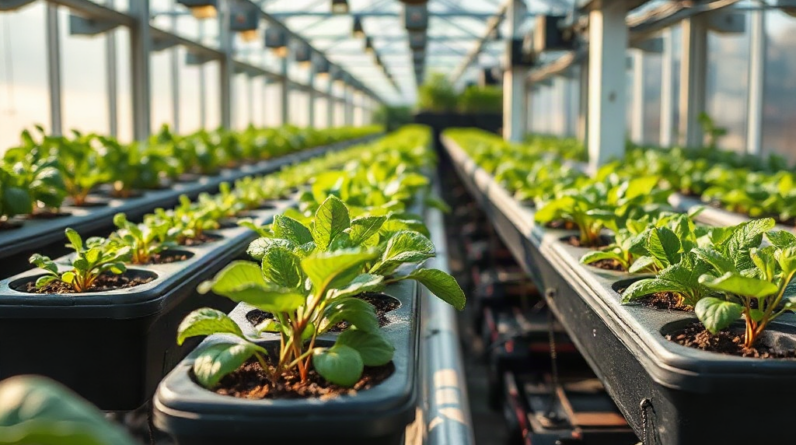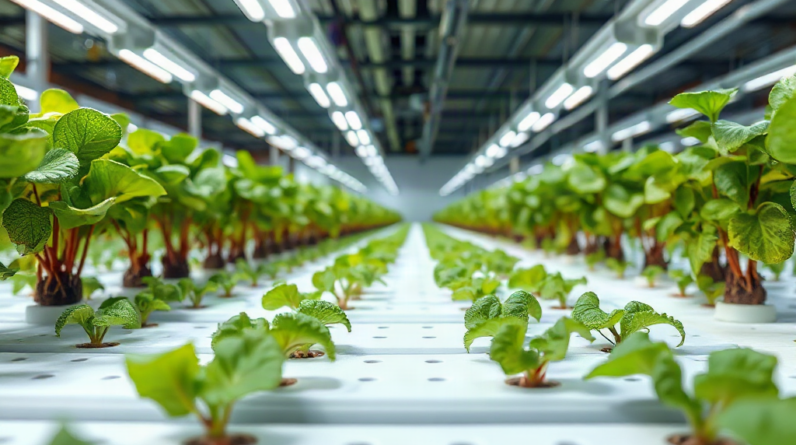
Troubleshooting light spectrum issues in hydroponic plants is crucial for ensuring healthy growth and maximizing yields. These issues often arise when the light source does not provide the appropriate wavelengths necessary for photosynthesis, which can lead to stunted growth, poor leaf development, or even plant death. Identifying and addressing these spectrum-related problems can significantly enhance plant health and productivity.
One common mistake is using light sources that emit insufficient or imbalanced spectra. For instance, many gardeners rely solely on white LEDs, which may not provide the necessary blue and red wavelengths essential for various growth stages. Additionally, the distance between the light source and the plants can affect the intensity and quality of light, leading to further complications. To optimize growth, it’s essential to select the right lighting system and position it correctly.
Understanding Light Spectrum Needs
Plants require specific light wavelengths for photosynthesis, primarily in the blue (400-500 nm) and red (600-700 nm) ranges. These wavelengths support different growth stages, with blue light promoting vegetative growth and red light aiding flowering and fruiting. Understanding these needs is fundamental in troubleshooting light spectrum issues.
When selecting a light source, consider a full-spectrum LED or a combination of lights that can provide the necessary wavelengths. This not only enhances growth but also prevents issues such as leggy plants and poor flowering. Ignoring these light needs can lead to significant declines in plant health.
Common Light Spectrum Issues
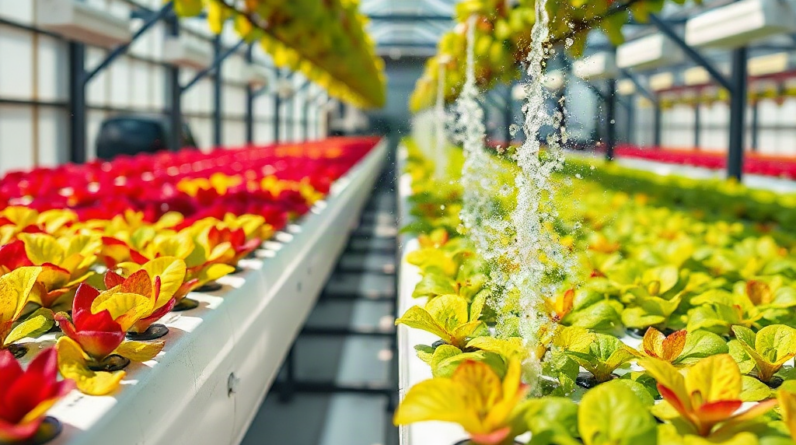
Several issues can arise from improper light spectrum management. Insufficient blue light can result in weak, elongated plants, while inadequate red light can hinder flowering and fruiting. Additionally, overexposure to certain wavelengths can cause light stress, leading to leaf burn or discoloration.
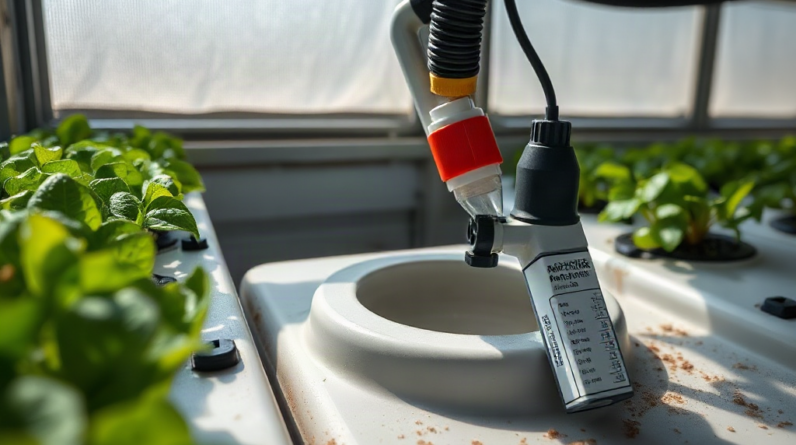
To mitigate these problems, regularly assess the light spectrum output of your fixtures. Utilizing a spectrometer can help you determine if your plants are receiving the right wavelengths. If you find discrepancies, it’s essential to adjust your lighting setup accordingly.
Adjusting Light Sources
To effectively troubleshoot light spectrum issues, start by evaluating your current light sources. If using LEDs, ensure they are full-spectrum and appropriate for your specific plant types. Adjust the height of the lights to maintain the right intensity without causing stress to the plants.
Consider incorporating supplemental lighting systems if needed, such as adding fluorescent lights during specific growth phases. This strategic layering can enhance the overall light spectrum availability and ensure your hydroponic plants receive optimal light for their growth stages.
Monitoring Plant Responses
Observing plant responses is crucial after making light adjustments. Look for signs of improvement, such as healthier leaf color, increased growth rates, and robust flowering. Conversely, watch for signs of stress, such as curling leaves or discoloration, which may indicate light issues persist.
Regular monitoring allows you to refine your lighting strategy continuously. Adjustments may be required as plants grow or as environmental conditions change, ensuring that light spectrum issues are promptly addressed.
Further Reading
Authoritative Sources
- USDA National Institute of Food and Agriculture
nifa.usda.govResearch and extension resources related to agriculture, plants, soil, and food systems
- Extension Foundation Gardening Resources
extension.orgUniversity extension education resources for practical gardening and home agriculture topics
- USDA Natural Resources Conservation Service
nrcs.usda.govSoil, water, conservation, and land management resources for practical growing decisions
Frequently Asked Questions
What is the ideal light spectrum for hydroponic plants?
The ideal light spectrum for hydroponic plants includes both blue light (400-500 nm) for vegetative growth and red light (600-700 nm) for flowering and fruiting.
How can I test the light spectrum in my hydroponic setup?
You can test the light spectrum using a spectrometer, which measures the wavelengths emitted by your light source and helps determine if they meet plant needs.
What problems can arise from inadequate light spectrum?
Inadequate light spectrum can lead to stunted growth, poor leaf development, leggy plants, and insufficient flowering or fruiting.
How far should grow lights be from plants?
The distance between grow lights and plants varies by type, but generally, LEDs should be 12-24 inches above the canopy, while fluorescent lights can be closer, around 6-12 inches.
What should I do if my plants are showing signs of light stress?
If your plants show signs of light stress, such as leaf burn or discoloration, reduce the intensity or distance of the light source and monitor for recovery.
Conclusion
In summary, troubleshooting light spectrum issues in hydroponic plants is essential for achieving optimal growth and yield. By understanding the specific light needs of your plants, evaluating your current light sources, and adjusting as necessary, you can effectively address common problems. Regular monitoring of plant responses will ensure that your adjustments yield positive results, leading to healthier and more productive hydroponic gardens.