
Inadequate nutrient levels in hydroponics can manifest through various symptoms, including yellowing leaves, stunted growth, and poor fruit or flower development. These symptoms often indicate deficiencies in essential nutrients such as nitrogen, phosphorus, or potassium, which are crucial for optimal plant health and productivity. Recognizing these indicators early allows growers to adjust their nutrient solutions, ensuring that plants receive the elements they need to thrive.
Understanding the implications of nutrient deficiencies is vital for successful hydroponic gardening. Yellowing leaves, commonly associated with nitrogen deficiency, can lead to reduced photosynthesis and overall vitality. Similarly, phosphorus deficiency may result in dark green foliage and weak root systems, hindering nutrient uptake. Potassium deficiency can cause leaf edges to scorch and reduce fruit quality. Addressing these symptoms promptly is essential to prevent long-term damage to your plants.
Identifying Nutrient Deficiencies
Identifying nutrient deficiencies in hydroponics requires careful observation of plant symptoms. Each nutrient plays a specific role, and deficiencies can lead to distinct visual cues. For example, a lack of nitrogen typically presents as overall yellowing, particularly in older leaves, while a phosphorus deficiency may cause stunted growth and dark green leaves. Keeping a close eye on these signs allows for timely interventions.
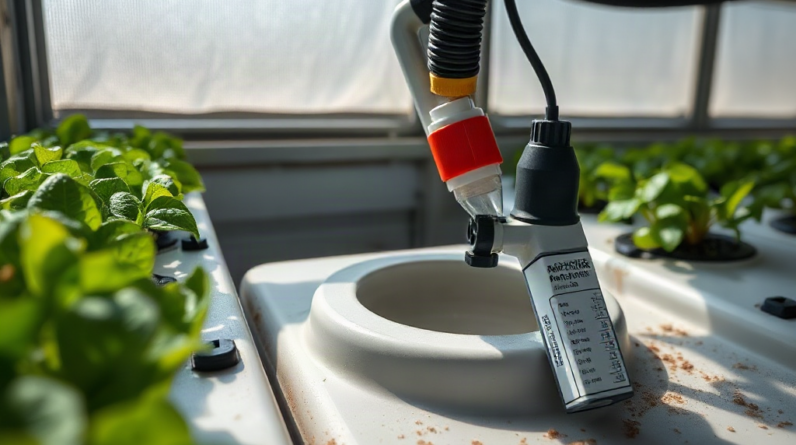
Regular monitoring of nutrient levels in the hydroponic solution is crucial. Utilizing tools such as EC (electrical conductivity) meters can help gauge nutrient concentration, while pH meters ensure that plants can absorb these nutrients effectively. Understanding how these factors interplay can prevent nutrient-related issues before they severely affect plant health.
Common Nutrient Deficiency Symptoms
Common symptoms of nutrient deficiencies include:
- Nitrogen Deficiency: Yellowing leaves, especially older ones, and stunted growth.
- Phosphorus Deficiency: Dark green leaves, purplish tints on stems and leaves, and reduced flowering or fruiting.
- Potassium Deficiency: Leaf edge scorching, yellowing between veins, and weak stems.
- Calcium Deficiency: Blossom end rot in fruits, deformed leaves, and tip burn.
- Magnesium Deficiency: Interveinal chlorosis, where yellowing occurs between leaf veins.
Each symptom requires specific attention and treatment to restore plant health. Misdiagnosing deficiencies can lead to unnecessary amendments and wasted resources.
Impact on Plant Health
The impact of inadequate nutrient levels on plant health cannot be overstated. Symptoms of deficiencies often lead to reduced yields and compromised quality. For instance, nitrogen is vital for photosynthesis, and without it, plants may struggle to produce energy, leading to overall decline. Similarly, phosphorus is crucial for root development, and without adequate levels, plants may not establish strong root systems to support growth.
Moreover, nutrient deficiencies can make plants more susceptible to pests and diseases, further complicating the growing process. Therefore, addressing nutrient imbalances is not just about correcting visible symptoms but also about ensuring the long-term health and resilience of the plants.
Preventive Measures and Solutions
Preventive measures are essential to maintain optimal nutrient levels in hydroponics. Regularly checking and adjusting the nutrient solution based on plant growth stages can prevent deficiencies. Using a well-balanced nutrient formula designed for hydroponics can also minimize risks.
In addition, conducting periodic tissue tests can help identify nutrient deficiencies before symptoms appear. This proactive approach allows growers to make necessary amendments and ensure that plants receive an adequate supply of nutrients throughout their growth cycle.
Further Reading
Authoritative Sources
- Hydroponics Nutrient Management
hydroponics.comThis resource provides comprehensive guidelines on nutrient management in hydroponics, helping growers understand the importance of nutrient balance
- Australian Government: Nutrient Deficiencies
agriculture.gov.auAn authoritative source outlining nutrient deficiencies in plants and their symptoms, useful for hydroponic growers
- University Extension: Hydroponic Nutrients
extension.orgA practical guide on nutrient solutions and their effects on plant health in hydroponics
Frequently Asked Questions
What are the symptoms of nutrient deficiencies in hydroponics?
Symptoms include yellowing leaves, stunted growth, and poor fruit development, indicating potential deficiencies in nitrogen, phosphorus, or potassium.
How can I prevent nutrient deficiencies in hydroponics?
Regularly monitor nutrient levels, use balanced nutrient solutions, and conduct tissue tests to ensure plants receive adequate nutrients throughout their growth stages.
What causes yellowing leaves in hydroponic plants?
Yellowing leaves often indicate nitrogen deficiency, which is essential for chlorophyll production and overall plant health.
Can nutrient deficiencies affect plant yield?
Yes, nutrient deficiencies can lead to reduced yields and lower quality produce, as they hinder plant growth and development.
What should I do if I notice nutrient deficiency symptoms?
Assess the nutrient solution, adjust accordingly, and consider adding specific nutrients to address the deficiencies observed.
Conclusion
In summary, recognizing and addressing symptoms of inadequate nutrient levels in hydroponics is essential for maintaining plant health and maximizing yield. Growers should prioritize regular monitoring and adjustments to nutrient solutions, ensuring that plants receive the necessary elements for optimal growth. By taking proactive measures, such as conducting tissue tests and utilizing balanced nutrient formulas, you can prevent deficiencies and promote robust, productive plants.