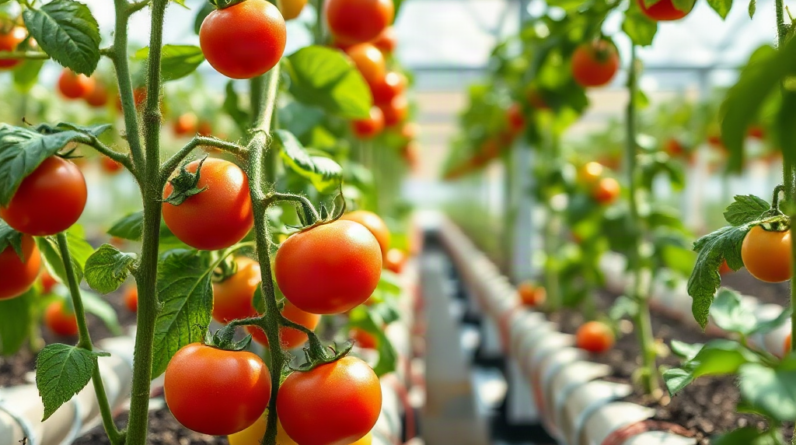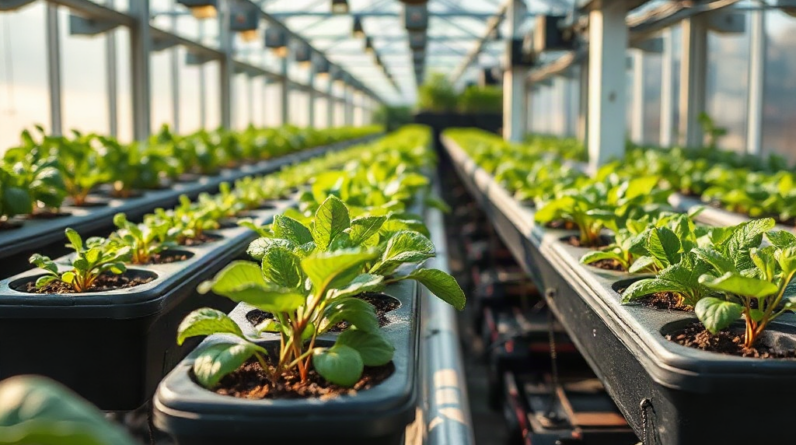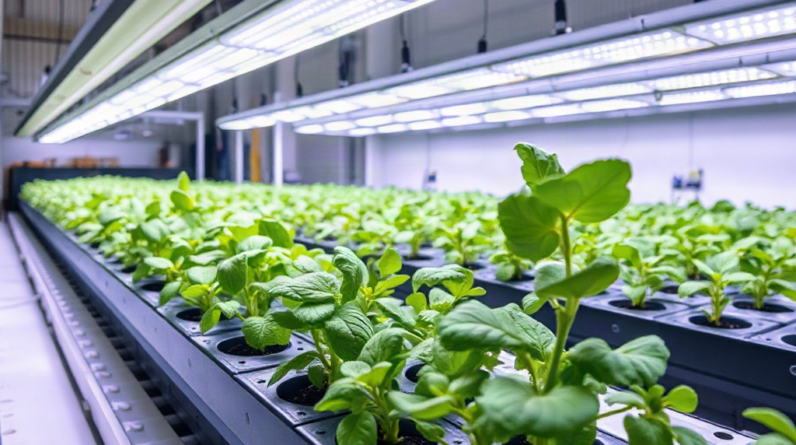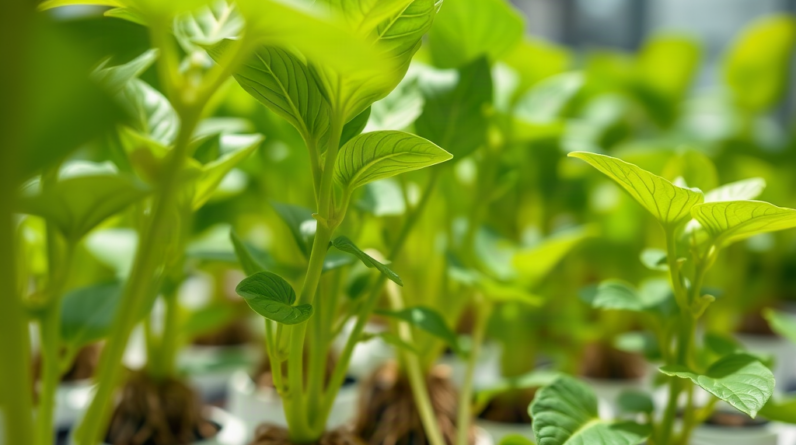
Recognize stress in hydroponic plants by comparing new growth, leaf color, root condition, and the reservoir’s pH and electrical conductivity readings. Yellowing leaves can reflect nutrient imbalance or root trouble, while curling, tip burn, wilting, slowed growth, and brown roots may point to heat, poor oxygenation, salt buildup, pests, or environmental strain. Inspect roots and equipment before adding fertilizer, then compare current measurements with the crop’s normal range and recent records. Change one variable at a time so the plant’s response reveals whether the correction worked; a sudden nutrient increase can worsen symptoms when the real problem is inadequate airflow or damaged roots.
Read Plant Symptoms Before Changing the Reservoir
Stress usually appears as a pattern rather than a single dramatic symptom. New leaves, older leaves, stems, roots, and growth rate each reveal different information, so inspect the whole plant before deciding that a nutrient bottle is the answer. A plant that is pale but producing normal new leaves presents a different problem from one with dark, curled foliage and stalled growth.
Leaf position is a useful first clue. Symptoms concentrated in older leaves may reflect a mobile nutrient shortage, while damage on new growth can be associated with pH-related nutrient availability, root damage, or a shortage of nutrients that the plant cannot readily relocate. Those are clues, not diagnoses. Light intensity, temperature, humidity, cultivar, and recent pruning can create similar appearances.
Look for changes in texture as well as color. Soft, drooping leaves during a wet root-zone period can suggest oxygen or root problems rather than a lack of water. Upward curling, bleached patches, or crisp margins may follow excessive light or heat. Interveinal yellowing, where tissue between veins fades while veins remain greener, can indicate a nutrient-availability issue, but the same visual pattern can develop when roots are unhealthy.
A useful comparison is between gradual and sudden change. Gradual paling across several days often follows a developing imbalance, while sudden wilting after a pump interruption points toward delivery failure. A plant that improves after lights are raised has supplied evidence for light or heat stress; a plant that worsens after a concentrated nutrient addition suggests that guessing created another problem. Photograph plants from the same angle every day and note whether symptoms affect old growth, new growth, or both.
Use how to recognize signs of stress in hydroponic plants as an observation process, not a symptom-matching shortcut. The common mistake is treating every yellow leaf as nitrogen deficiency. Remove only clearly dead tissue, preserve diagnostic leaves, and record what changed before attempting a correction.
Separate Nutrient Problems From Environmental Stress
Nutrient symptoms cannot be interpreted apart from the growing environment. Roots absorb ions only when moisture, oxygen, temperature, and acidity remain suitable, and leaves lose water according to light, air movement, and humidity. A reservoir with a reasonable nutrient reading can still support stressed plants if roots are hot, stagnant, or repeatedly exposed to drying.
Check environmental conditions alongside leaf symptoms. Excessive light may cause bleaching or leaf-edge damage even when the nutrient solution is correctly mixed. High temperatures increase water demand and can reduce dissolved oxygen, especially in warm reservoirs. Low humidity may produce rapid transpiration and curling, whereas very humid, poorly ventilated air can slow transpiration and leave foliage wet for too long. Airflow should move gently through the canopy rather than strike one plant continuously.
Nutrient strength also requires context. A low electrical conductivity reading may reflect underfeeding, dilution from top-offs, or unusually high plant uptake. A rising reading while the water level falls can mean plants are taking up water faster than dissolved nutrients. A falling reading may indicate nutrient uptake, dilution, or a measurement inconsistency. Neither reading alone proves deficiency or toxicity.
Consider two contrasting cases. If lettuce develops pale new growth while pH repeatedly drifts outside the crop’s workable range, adding more concentrate may increase salt pressure without restoring availability. If a fruiting plant has healthy roots, stable pH, and a declining conductivity reading during rapid growth, a measured adjustment may be more reasonable than a full reservoir dump. Crop stage matters: seedlings, leafy crops, and fruiting plants do not have identical demands.
Prioritize the least disruptive correction. Confirm the meter, inspect the reservoir level, verify light distance and room temperature, and look for a blocked emitter or weak pump before changing formulation. Avoid correcting several variables simultaneously; doing so may produce short-term improvement while leaving the original cause hidden. The practical aim is not a perfect number but a stable root environment and a plant trend that improves.
Use Roots, Measurements, And Equipment As Evidence
Roots often distinguish a supply problem from a leaf-only problem. Healthy hydroponic roots are generally firm and pale, though color varies with crop, media, and solution. Brown, slimy, foul-smelling, or rapidly deteriorating roots deserve immediate attention because damaged roots cannot reliably supply water and minerals, regardless of the reservoir’s recipe.
Inspect roots gently and limit their exposure to strong light and dry air. Check whether channels, net pots, or drip lines deliver solution evenly. In deep-water systems, confirm that aeration reaches the reservoir rather than merely making noise at the surface. In ebb-and-flow or drip systems, look for dry pockets, pooling, clogged emitters, and a cycle that leaves roots either saturated without oxygen or dry for too long.
Take measurements consistently. Use clean tools, rinse probes as directed by the manufacturer, and test pH and conductivity at a similar point in the irrigation cycle. Record reservoir temperature, water level, recent additions, and the plant’s appearance. A single reading can be misleading; a three-day pattern often gives more useful evidence. If pH moves rapidly after adjustment, the issue may involve water chemistry, biological activity, root condition, or an incorrectly calibrated meter.
Do not confuse equipment failure with plant failure. A weak air pump, intermittent timer, blocked filter, failing circulation pump, or loose electrical connection can affect only part of a system. That creates a valuable comparison: plants nearest one outlet may decline while those supplied by another remain normal. Inspecting distribution zones is more informative than replacing nutrients immediately.
When roots are damaged, aggressive feeding is usually a poor first response. Remove obvious dead material only if the system design and plant allow safe handling, improve sanitation and oxygenation, and correct temperature or delivery problems. Severe root deterioration may not reverse even after conditions improve, so protect unaffected plants and avoid transferring contaminated tools or solution between reservoirs. For broader troubleshooting, how to recognize signs of stress in hydroponic plants should include both biological observations and system checks.
A Practical Recovery Process And Monitoring Plan
Recovery works best when the grower moves from observation to one controlled adjustment. Begin by isolating the affected zone if the system permits, then inspect leaves, roots, reservoir level, delivery hardware, and environmental conditions. Write down the baseline before changing anything. This prevents a common failure mode: making repeated additions until the original symptom is joined by nutrient burn, unstable pH, or excessive salinity.
Use this compact order of operations:
- Confirm the symptom: note where it appears, how quickly it developed, and whether new growth is affected.
- Check delivery: verify pump operation, aeration, emitter output, water level, and wet-dry timing.
- Inspect roots: look for sliminess, odor, discoloration, or signs of drying.
- Measure conditions: test pH, conductivity, and reservoir temperature with reliable, clean equipment.
- Make one correction: adjust the most strongly supported cause, then observe before adding another intervention.
Choose the response according to risk. A mildly pale plant with clean roots and stable delivery may justify a modest, crop-appropriate nutrient adjustment. A wilting plant in a warm, poorly aerated reservoir needs oxygenation and temperature attention before feeding. Leaf scorch under intense lighting calls for a light or climate correction, not a stronger solution. If pests are visible, isolate affected plants and use a treatment compatible with the crop and growing system rather than assuming the reservoir is at fault.
Judge success by new growth and system stability, not by instant restoration of damaged leaves. Existing yellow or burned tissue may remain marked even after the cause is corrected. Improvement looks like firmer foliage, normal water uptake, steady new growth, cleaner roots, and readings that stop swinging unexpectedly. Failure looks like symptoms moving into new leaves, worsening root odor, repeated pump interruptions, or a reservoir that becomes increasingly concentrated.
Keep a simple log with date, crop stage, pH, conductivity, temperature, water added, visible symptoms, and interventions. That record turns recurring stress into a recognizable pattern and helps distinguish a formulation issue from a room-condition issue. A complete how to recognize signs of stress in hydroponic plants routine is valuable because it reduces guesswork, not because every symptom has one certain cause.
Frequently Asked Questions
Does yellowing always mean a hydroponic plant needs more nitrogen?
No. Yellowing may involve pH, root damage, light stress, aging leaves, or an actual nutrient shortage. Check new versus old growth, roots, conductivity, and recent environmental changes before feeding.
What should be checked first when a plant suddenly wilts?
Check pump operation, emitter or channel flow, reservoir level, aeration, root moisture, and temperature. Sudden wilting after a delivery interruption is more likely to involve water or oxygen supply than a slow nutrient deficiency.
Can damaged leaves recover after the cause of stress is corrected?
Damaged tissue often stays discolored or scorched, but new growth can show whether conditions are improving. Firmer foliage, normal expansion, and stable readings are better recovery indicators than the appearance of old leaves.
Why do pH and conductivity readings matter together?
PH affects nutrient availability, while conductivity indicates the dissolved-ion strength of the solution. A useful conductivity reading does not guarantee availability if pH is unsuitable, and a suitable pH does not rule out excessive salts or weak delivery.
Should the entire reservoir be replaced when plants show stress?
Not automatically. A full change may be sensible when the solution is badly contaminated, highly unstable, or incorrectly mixed, but replacing it without diagnosing flow, roots, temperature, or calibration can leave the real problem untouched.
Further Reading
Authoritative Sources
- Growing Hydroponic Plants
extension.umn.eduUniversity extension information covering hydroponic system conditions, plant care, and common growing considerations
- Hydroponics
extension.okstate.eduExtension guidance on nutrient solutions, system management, and environmental factors affecting soilless crops
Conclusion
Recognizing stress in a hydroponic crop depends on connecting visible symptoms with root condition, system performance, and measured trends. Inspect the plant’s newest and oldest growth, then check delivery, aeration, temperature, pH, conductivity, and recent changes before adding nutrients. Treat sudden symptoms differently from gradual ones, and regard brown or slimy roots as a higher-priority system warning than a single pale leaf. Make one evidence-based adjustment at a time and watch the next growth cycle for firmer leaves, steady expansion, and stable water use. A dated log makes recurring problems easier to identify and prevents well-intended corrections from creating salt buildup or unstable conditions.