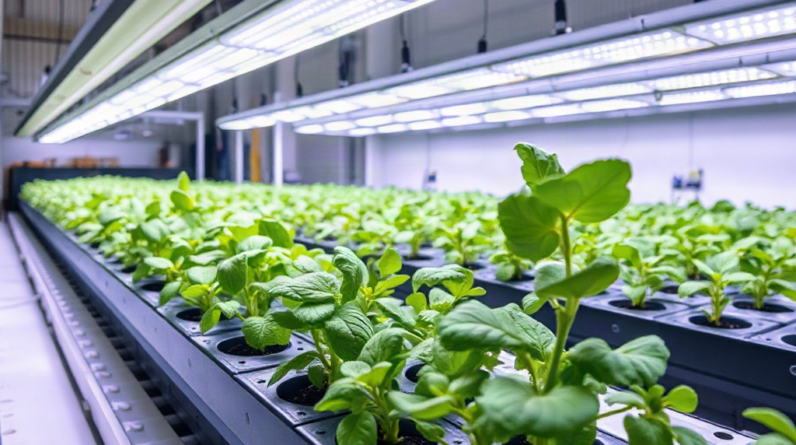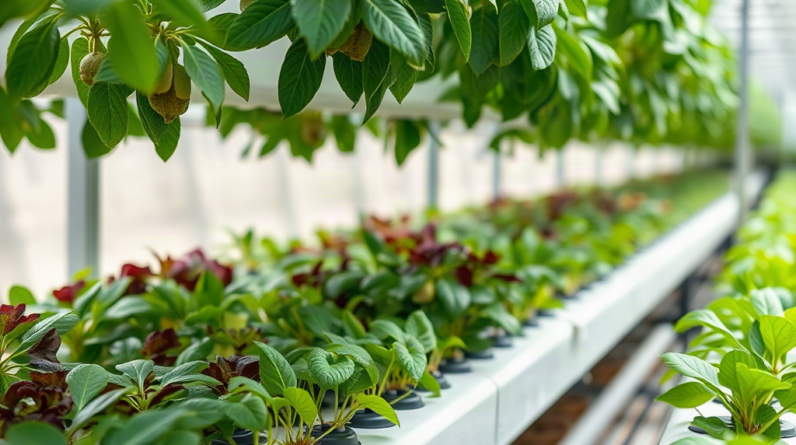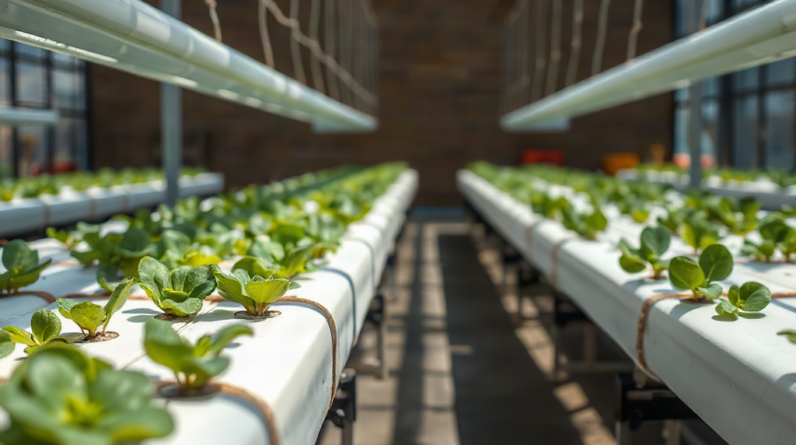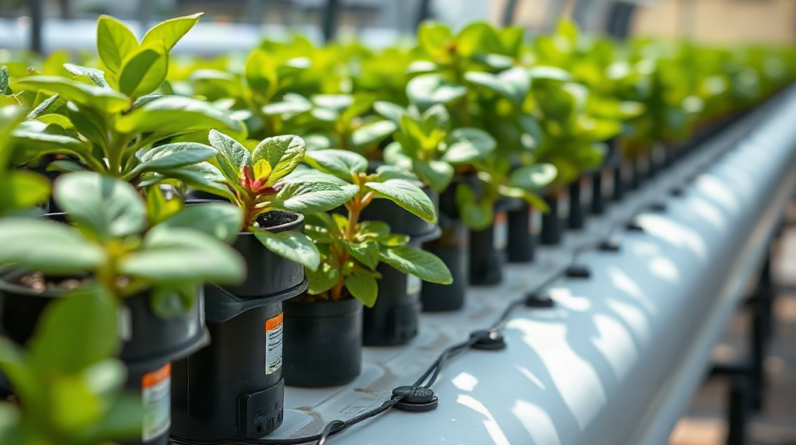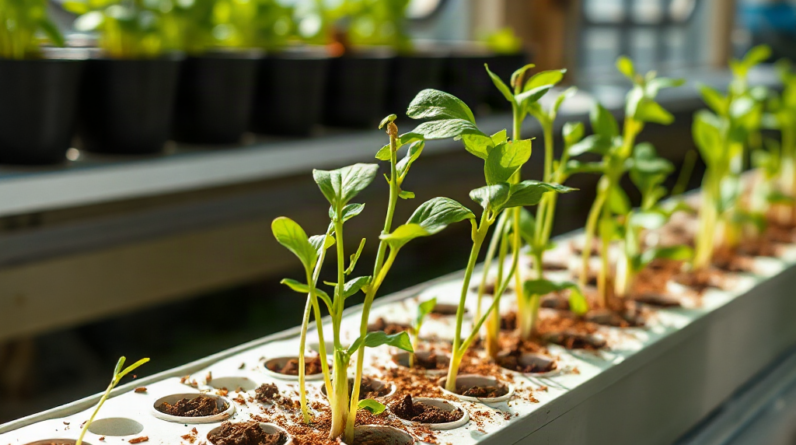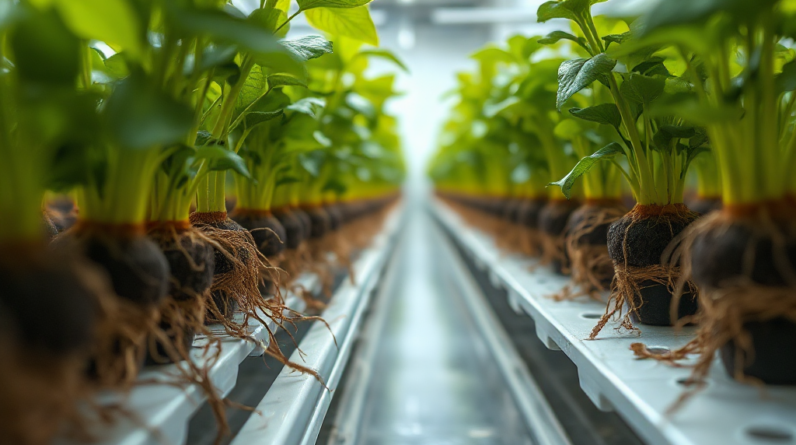
Hydroponic root zone oxygen indicators include root color and texture, water temperature, dissolved-oxygen readings, air-stone performance, and plant responses such as wilting despite a full reservoir. Cream or white, firm roots usually suggest better aeration, while brown, soft, slimy roots and sour-smelling water point to oxygen stress and possible root disease. Check dissolved oxygen with a calibrated meter when possible, then verify temperature, circulation, tubing, pump output, and biofilm around the roots. Do not treat drooping leaves as proof of underwatering before examining the root zone, because poorly aerated roots can fail to absorb water even when the reservoir is full.
What Root Zone Oxygen Indicators Reveal
Root-zone oxygen determines whether submerged or frequently wetted roots can carry out respiration and maintain normal water and nutrient uptake. In a hydroponic system, oxygen is supplied through air injection, turbulent flow, exposed roots, or a combination of those conditions. The useful question is not whether bubbles are visible; it is whether oxygen reaches the active root surface consistently through the warmest part of the day.
A plant may show oxygen stress before a meter confirms a severe problem. Slow new growth, limp foliage with a full reservoir, unusually small roots, and stalled recovery after irrigation changes can all justify an inspection. These signs are not exclusive diagnoses. Heat, salt concentration, disease, damaged roots, and poor light can create similar symptoms, so oxygen indicators work best as a group rather than as a single yes-or-no signal.
Water temperature changes the interpretation. Warmer water holds less dissolved oxygen, while roots and microorganisms may consume oxygen more quickly under warm, nutrient-rich conditions. A cool reservoir with strong circulation may behave very differently from a warm, quiet reservoir even when both use the same air pump. That is why Hydroponic root zone oxygen indicators should be recorded alongside temperature, pH, and electrical conductivity.
A common mistake is to equate vigorous bubbling with adequate oxygen. Large bubbles can rise rapidly and exchange less effectively than fine bubbles, and an air stone clogged with mineral deposits may appear active while delivering reduced output. Conversely, a quiet deep-water system may still maintain healthy conditions if circulation and root exposure are well designed. Judge the complete flow path, not the sound of the pump alone.
Visual And Physical Signs Of Oxygen Stress
Healthy roots are typically firm and relatively clean, with color influenced by the crop, nutrient solution, and growing medium. Pale or cream roots that resist gentle handling are more reassuring than roots that feel hollow, mushy, or coated in slippery material. A dark tint by itself does not prove oxygen deficiency because nutrients, organic additives, and staining from media can change appearance. Texture, odor, and progression carry more diagnostic weight.
Brown, soft roots combined with a swampy or sour odor deserve immediate attention. Low oxygen can weaken root tissue and create conditions in which opportunistic microbes multiply, but the visible damage may involve more than oxygen alone. A root problem can then reduce uptake, causing foliage to wilt even though water surrounds the roots. Adding more nutrient solution or increasing fertilizer concentration at that stage can intensify osmotic stress instead of restoring function.
Look at the plant and the root zone together. In a recirculating system, one affected plant may point to a local blocked outlet, while several plants declining at the same time suggest a shared pump, temperature, reservoir, or circulation issue. Roots packed tightly into a net pot can also restrict flow around their surfaces. A plant that improves after the reservoir cools and aeration is restored provides useful evidence, but recovery may lag because damaged roots need time to produce new tissue.
Inspect without tearing roots apart. Lift the plant only as far as needed, note color and firmness, and smell the solution before disturbing the system. Compare an affected plant with a healthy one under the same light. The misleading assumption is that every brown root requires an aggressive cleaning or chemical treatment. Removing the cause—stagnation, heat, blocked air delivery, or excessive debris—usually deserves priority before making additional changes.
Testing Dissolved Oxygen And System Performance
A dissolved-oxygen meter provides the most direct measurement, but it is useful only when the probe is maintained, calibrated according to its instructions, and placed consistently. Measure near the root mass rather than only at the reservoir surface, and compare readings at different times if daytime heat is a concern. A single result can miss a nighttime pump failure or a warm pocket inside a crowded channel.
Most home growers will gain more from a repeatable comparison than from chasing an unexplained number. Record water temperature, dissolved oxygen if available, pump status, and plant condition at the same locations. If the reading drops as temperature rises, the system may need better heat control or stronger gas exchange. If oxygen is adequate in the reservoir but plants still decline, investigate root disease, pH drift, salt buildup, physical damage, or delivery uniformity rather than assuming oxygen is the only cause.
When a meter is unavailable, use a structured equipment inspection. Confirm that the air pump runs continuously when intended, tubing has no kinks, check valves are installed correctly, and air stones are not blocked. Watch each outlet for comparable flow. In a nutrient film or drip arrangement, verify that the return stream is moving and that roots are not forming a mat that blocks channels. An inexpensive visual test can identify a failed connection, although it cannot quantify dissolved oxygen.
Compare air injection with circulation rather than treating them as interchangeable. Air stones increase gas exchange and agitation; a circulation pump moves solution and can prevent stagnant zones. Either approach can be misapplied: excessive turbulence may disturb young roots, while a quiet reservoir may develop oxygen-poor pockets. A sensible test changes one variable, such as replacing a clogged stone, then observes temperature, root odor, flow, and new growth before changing nutrients or lighting.
Fixing Low Oxygen Without Chasing Symptoms
Correct the shared physical cause before adjusting the nutrient recipe. Restore reliable aeration, clear blocked tubing, clean or replace worn air stones, and make sure the pump is sized for the depth and number of outlets in use. In a recirculating system, inspect the return path and outlet height so solution does not bypass the root area. These repairs address oxygen delivery directly; adding supplements does not substitute for moving air and water.
Temperature control is often the harder tradeoff. Moving a reservoir away from lights, insulating it from a warm floor, improving room ventilation, or using a properly controlled cooling method may protect oxygen availability. Chilling water too aggressively can create condensation and adds equipment cost, so the practical target is stable, crop-appropriate conditions rather than the lowest possible temperature. Keep electrical components protected from splashes and use safe installation practices around water.
For a small deep-water container, a useful sequence is to check temperature, replace a suspect stone, inspect the airline, and confirm that roots are not blocking the outlet. For a channel system, examine slope, return flow, and root mats first. The same symptom—drooping leaves—can therefore require different action. A beginner may benefit from simple visual flow checks, while an advanced grower with recurring losses may justify dissolved-oxygen logging and backup aeration.
Do not make several major changes simultaneously. If nutrient strength, pH, light intensity, reservoir volume, and aeration all change together, improvement or decline becomes difficult to explain. Remove dead root material only with clean tools and avoid rough handling of surviving roots. Once the system is corrected, watch for fresh, firm root growth and steadier leaf posture; damaged older roots may remain discolored even when the underlying condition is improving. Use Hydroponic root zone oxygen indicators to judge the trend, not a single dramatic visual change.
A Practical Monitoring Routine
A short routine makes oxygen problems easier to separate from nutrient or environmental problems. At each inspection, note reservoir temperature, pump and air-stone operation, water level, odor, root texture, and plant posture. In systems with a meter, record dissolved oxygen from the same point and under similar timing. Consistent records reveal whether a fault appears after lights turn on, after water levels fall, or after roots fill a channel.
Prioritize observations in this order: first confirm that water and air are physically moving; next check temperature and stagnant areas; then inspect roots and odor; finally review pH, conductivity, and recent maintenance. This order prevents a common failure mode in which a grower responds to yellowing by increasing nutrients while a blocked airline remains unnoticed.
- Working: flow remains even, water odor is neutral, roots feel firm, and new growth resumes.
- Failing: bubbles weaken, warm periods produce wilting, roots become slippery, or several plants decline together.
- Needs escalation: symptoms continue after equipment repair, roots deteriorate rapidly, or the cause cannot be separated from suspected disease.
Keep the log simple enough to maintain. A dated note with a photo, temperature, and equipment observation often provides more value than irregular laboratory-style measurements. Photographing the same root area under similar lighting also reduces the chance of mistaking nutrient staining for tissue decay. If the crop is valuable or the problem repeats, a calibrated meter and professional crop or plant-disease advice may be more economical than repeated guesswork.
For broader system planning, connect these observations with Hydroponic root zone oxygen indicators and your existing maintenance schedule. Oxygen management is not a one-time repair: root mass changes, pumps wear, stones foul, and seasonal room temperature shifts alter the system’s margin for error.
Frequently Asked Questions
What is the clearest visual sign of poor root-zone oxygen?
Soft, slimy roots with an unpleasant odor are more concerning than dark color alone, especially when paired with wilting despite a full reservoir.
Can bubbling prove that roots have enough oxygen?
No. Bubbling confirms air delivery at one point, but it does not show dissolved oxygen near the roots, circulation quality, or conditions during the warmest period.
Does warm water reduce oxygen availability?
Yes. Warmer water generally holds less dissolved oxygen, and biological oxygen demand may rise, making aeration and circulation problems more consequential.
Should nutrients be increased when plants wilt in hydroponics?
Not before checking roots, temperature, water level, and aeration. Oxygen stress can impair uptake, and extra nutrients may add osmotic pressure.
Is a dissolved-oxygen meter necessary for home growers?
No, but it is valuable for recurring or costly problems. Equipment checks, temperature records, root inspection, and consistent observations can identify many faults.
Further Reading
Authoritative Sources
- Academy of Nutrition and Dietetics
eatright.orgProfessional nutrition guidance, healthy eating resources, and practical dietitian-reviewed advice.
- U.S. Department of Agriculture
usda.govOfficial food, nutrition, agriculture, and consumer guidance from the USDA.
- NIH Office of Dietary Supplements
ods.od.nih.govResearch-based fact sheets on nutrients, supplements, dietary intake, and safety considerations.
- International Society of Sports Nutrition
sportsnutritionsociety.orgEvidence-informed sports nutrition resources and position stands for active people and athletes.
Conclusion
Reliable oxygen assessment combines root appearance, texture, odor, plant behavior, water temperature, and equipment performance. Treat firm roots, neutral-smelling solution, stable flow, and improving new growth as stronger evidence than bubbles alone. When symptoms appear, inspect shared hardware before changing nutrients, then make one controlled correction and record the response. A meter can add confidence, but disciplined observations remain useful in small systems. Prioritize uninterrupted aeration, removal of stagnant zones, sensible temperature control, and clean maintenance. If roots continue to deteriorate after those checks, broaden the investigation to disease, pH, conductivity, light, and physical root damage rather than repeatedly increasing air or fertilizer without evidence.