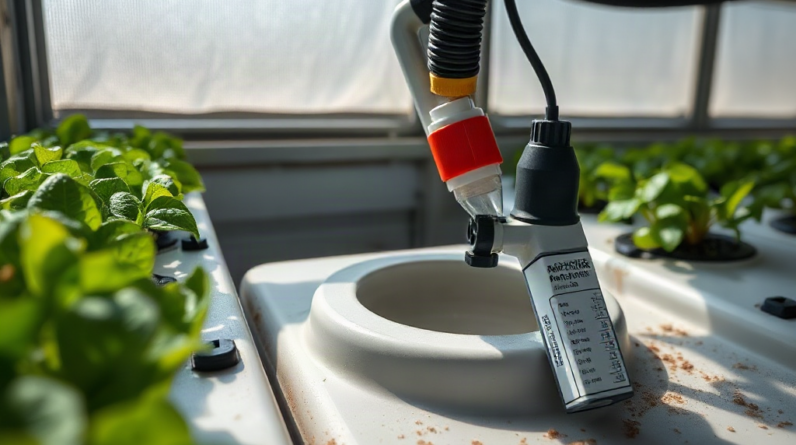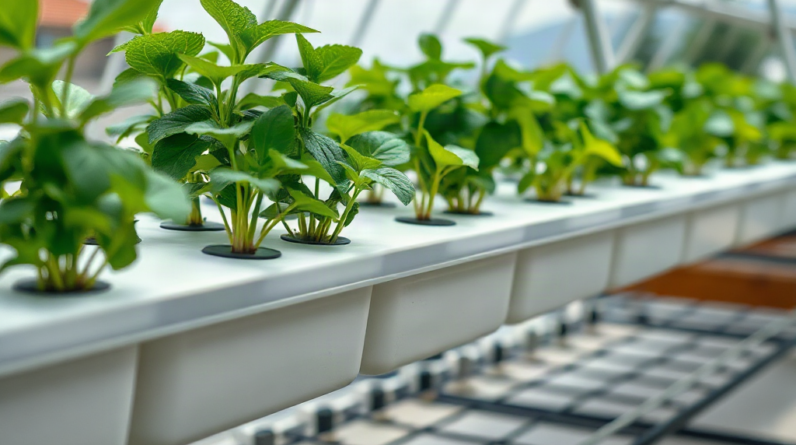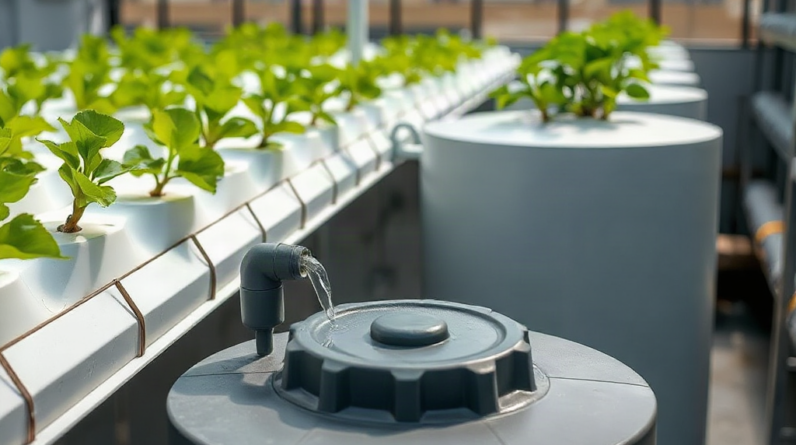
To troubleshoot nutrient lockout in hydroponics, begin by testing the pH and electrical conductivity (EC) of your nutrient solution, as imbalances can prevent plants from absorbing essential nutrients. Symptoms such as yellowing leaves, particularly in older foliage, and stunted growth often indicate nutrient deficiencies. Flushing the system with clean water can help reset nutrient levels, while adjusting the pH to the optimal range of 5.5 to 6.5 is crucial for effective nutrient uptake. Additionally, ensure that the nutrient ratios are appropriate for the specific plants you are growing, as this can significantly impact their health and growth. Regular monitoring and adjustments can help prevent future occurrences of nutrient lockout.
Understanding Nutrient Lockout
Nutrient lockout occurs when plants are unable to absorb essential nutrients from the growing medium, often leading to poor growth and health issues. It’s crucial to recognize this phenomenon early, as prolonged nutrient lockout can severely affect crop yield and quality. Factors such as pH levels, salinity, and nutrient imbalance are common contributors to this issue, making it vital for hydroponic growers to monitor their systems closely.
To prevent nutrient lockout, maintaining the appropriate pH range (typically between 5.5 and 6.5 for most hydroponic systems) is essential. Regular testing of the nutrient solution can help you identify potential issues before they escalate. Understanding the specific needs of the plants you are growing will also aid in managing nutrient levels effectively.
Identifying Symptoms
Recognizing the symptoms of nutrient lockout is the first step in addressing the issue. Common signs include yellowing leaves, particularly older leaves, and stunted growth. In some cases, you may also notice brown spots or leaf curling, which can indicate specific nutrient deficiencies.
For example, yellowing leaves may suggest a nitrogen deficiency, while brown spots could indicate a calcium or magnesium issue. Observing these symptoms early allows growers to take timely action to rectify the underlying problems and restore plant health.
Root Causes of Nutrient Lockout
Nutrient lockout can stem from various root causes, primarily related to the pH and electrical conductivity (EC) of the nutrient solution. If the pH is too high or too low, it can prevent plants from absorbing nutrients effectively. High salinity levels in the growing medium can also contribute to lockout, as excess salts can compete with essential nutrients for uptake.
Another contributing factor is the imbalance of nutrients in the solution. If certain nutrients are over-concentrated, they can inhibit the absorption of others, leading to deficiencies. Therefore, it is crucial to maintain a balanced nutrient profile tailored to the specific plant species you are cultivating.
Steps to Resolve Nutrient Lockout
To effectively resolve nutrient lockout, begin by testing the pH and EC of your nutrient solution. If the pH is outside the optimal range, adjust it accordingly using pH up or down solutions. Flushing the system with clean, pH-balanced water can help remove excess salts and reset the nutrient balance.
After flushing, consider reintroducing nutrients at lower concentrations to avoid overwhelming the plants. Monitor the plants closely for signs of recovery, such as new growth and improved leaf color. Additionally, ensure that your nutrient solution is well-balanced and tailored to the specific needs of your plants to prevent future occurrences of lockout.
For more detailed information on nutrient management in hydroponics, consult reliable resources from agricultural universities or hydroponic gardening experts. These can provide valuable insights into best practices for nutrient solutions and troubleshooting common issues.
Frequently Asked Questions
What is nutrient lockout in hydroponics?
Nutrient lockout occurs when plants cannot absorb necessary nutrients due to imbalances in pH or nutrient concentrations.
How can I tell if my plants are experiencing nutrient lockout?
Common signs include yellowing leaves, stunted growth, and brown spots, indicating possible deficiencies.
What causes nutrient lockout?
Nutrient lockout can be caused by improper pH levels, high salinity, or an imbalance of nutrients in the solution.
How can I fix nutrient lockout?
Fix nutrient lockout by testing and adjusting pH levels, flushing the system, and reintroducing nutrients at lower concentrations.
What pH level should I maintain in my hydroponic system?
Most hydroponic systems thrive at a pH level between 5.5 and 6.5 for optimal nutrient absorption.
Further Reading
Authoritative Sources
- USDA National Institute of Food and Agriculture
nifa.usda.govResearch and extension resources related to agriculture, plants, soil, and food systems
- Extension Foundation Gardening Resources
extension.orgUniversity extension education resources for practical gardening and home agriculture topics
- USDA Natural Resources Conservation Service
nrcs.usda.govSoil, water, conservation, and land management resources for practical growing decisions
Conclusion
Nutrient lockout is a significant challenge in hydroponic gardening that can hinder plant health and productivity. By understanding the symptoms, causes, and effective resolution steps, growers can maintain optimal nutrient levels and ensure healthy plant growth. Regular monitoring of pH and nutrient concentrations is essential for preventing future issues. Take action promptly when symptoms arise to safeguard your crop’s health and maximize yields.
Related Content
- A Healthier Way to Grow Your Own Produce
- Hydroponic Garden Automation: Essential Technologies for Efficient Indoor Growing
- Sustainable Hydroponic Gardening: Techniques for Efficient Resource Use and Healthy Plants
- Grow Medicinal Plants with Hydroponics
- 10 Effective hydroponic growing Strategies for 2025: The Ultimate Guide