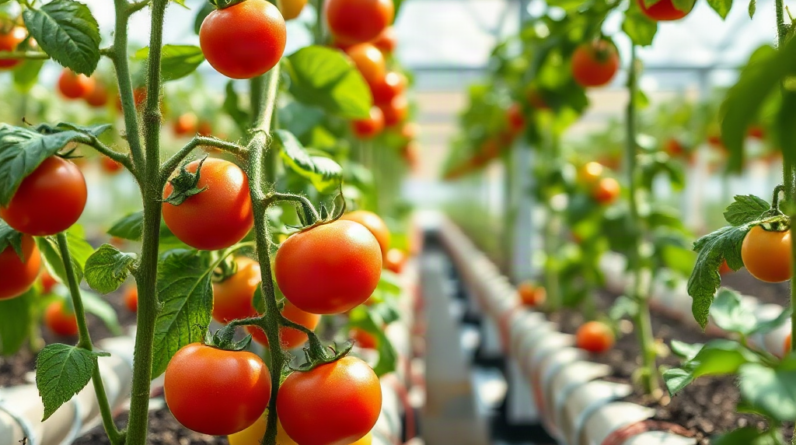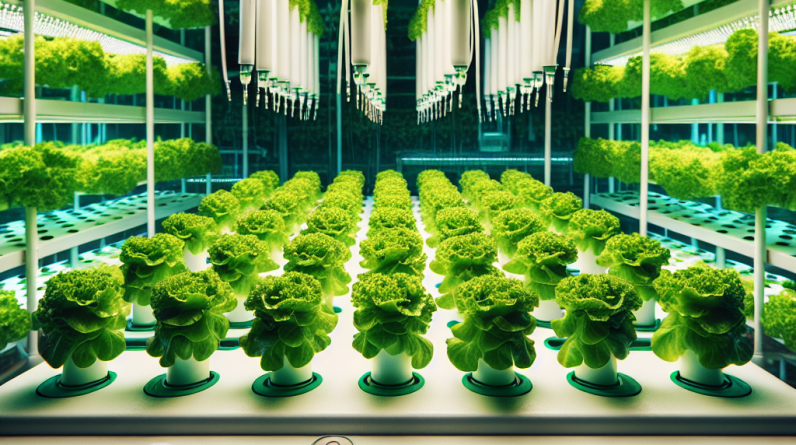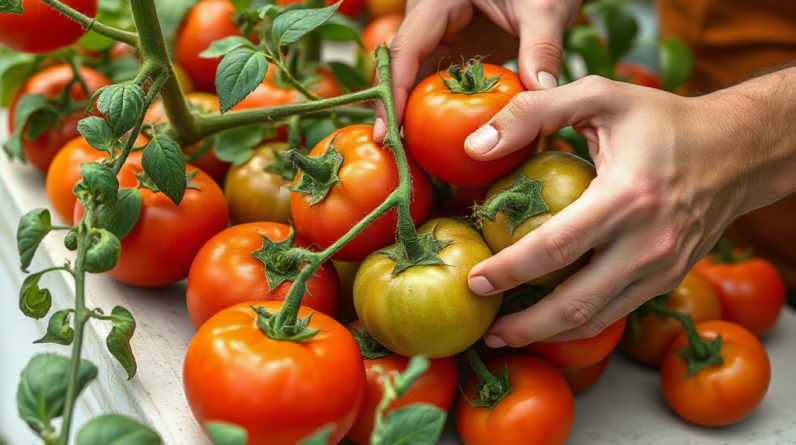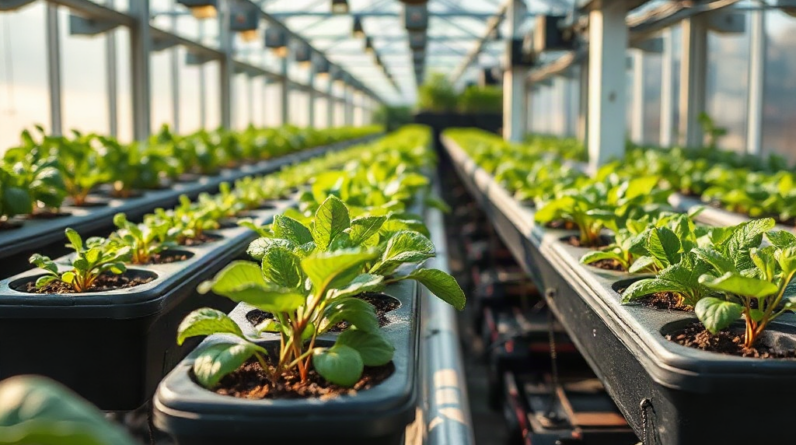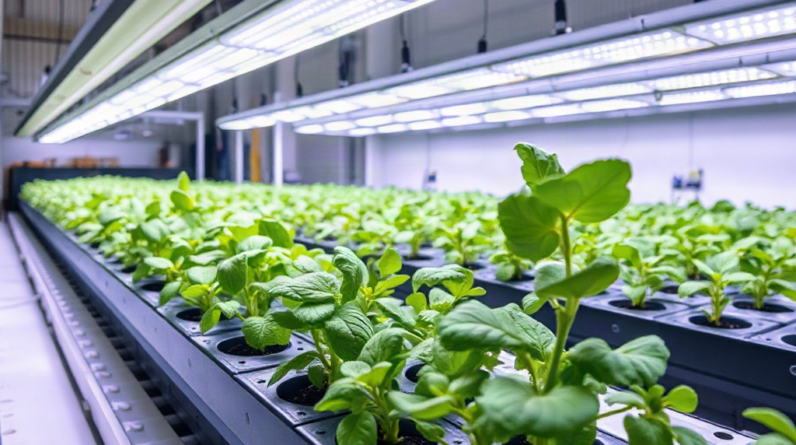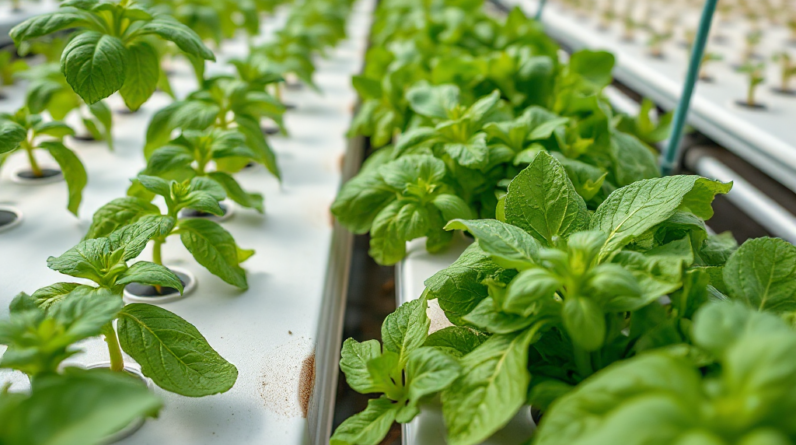
Hydroponic crops with different growth durations need separate planting intervals, space allowances, and harvest expectations because leafy greens may finish in weeks while fruiting crops occupy the system for months. Lettuce, arugula, and herbs suit staggered sowing, whereas tomatoes, peppers, and cucumbers require longer support, stronger lighting, and more root-zone capacity. Record the date each crop enters the system, use crop-specific harvest windows rather than one universal schedule, and avoid placing slow plants where they will shade quick crops. The main mistake is judging readiness by calendar age alone; temperature, light intensity, cultivar, transplant shock, and pruning can shift the usable harvest date.
Why Crop Duration Matters in a Shared Hydroponic Space
Growth duration determines how long a plant uses a site, receives lighting, occupies root-zone volume, and competes with neighboring plants. A crop that is ready in 25 to 40 days can move through a channel several times while a tomato or pepper plant remains in place for an extended season. Treating both as interchangeable creates scheduling, spacing, and nutrient-management problems.
“Days to harvest” is not a fixed promise. Seed packets and cultivar descriptions usually assume favorable conditions and may count from sowing, transplanting, or the appearance of a particular maturity stage. A lettuce variety might be harvested as baby leaves well before it reaches full head size. Basil can supply small cuttings relatively early, then continue producing if light, warmth, and pruning are suitable. A tomato may produce its first ripe fruit long after transplanting, but its productive period can continue once the first harvest begins.
Crop duration also changes the economics and labor pattern of a small garden. Fast greens provide frequent harvests but require repeated sowing, cleaning, and transplanting. Long-cycle fruiting plants reduce turnover but demand trellising, pollination, pruning, and ongoing monitoring. A mixed garden therefore needs a schedule based on plant occupancy, not just the date when a crop first becomes edible.
A useful first distinction is harvest type. Cut-and-come-again greens may leave the root system in place while leaves are removed, while whole-head lettuce leaves the site after one harvest. Fruiting crops often remain productive after several picking dates. Link your plan to the way each plant is harvested by keeping a simple record of sowing date, transplant date, first harvest, and removal date. The same Hydroponic crops with different growth durations can require very different space commitments.
Short-, Medium-, and Long-Duration Crop Examples
Short-duration crops are usually the easiest way to maintain a steady harvest. Leaf lettuce, arugula, mustard greens, baby kale, and some Asian greens can provide usable leaves relatively quickly, especially when harvested young. Their compact root systems fit channels, shallow rafts, and small containers more readily than mature fruiting plants. The tradeoff is that quality can decline if harvest is delayed: leaves may become tougher, bitter, or more prone to bolting when temperatures rise.
Herbs occupy a middle category because their first usable cut may come early, but the plant can remain productive for much longer. Basil, mint, parsley, and cilantro do not all respond to the same schedule. Basil can be cut repeatedly, while cilantro is often managed as a succession crop because it may bolt or lose quality. Parsley takes longer to establish but can justify its space through repeated harvests. For herbs, record the first cutting and the point when the plant becomes crowded or woody rather than relying on a single final harvest date.
Long-duration crops include tomatoes, peppers, eggplants, cucumbers, and many dwarf fruiting varieties. These plants need more vertical clearance, stronger structural support, and a larger allowance for roots and canopy growth. Their harvest window is often spread across weeks or months, so a single plant may deliver more total picking opportunities than a single lettuce head. That does not make it automatically better: one tomato plant can shade several short crops and may require more daily attention than an entire tray of greens.
Consider a shelf with two levels. Lettuce and basil may fit below a light while a cucumber reaches the upper frame and needs a trellis. Combining them can work if the cucumber is positioned so its leaves do not block the greens, but the arrangement becomes less practical as the vine expands. A compact pepper may be a better long-cycle companion in a restricted space. Cultivar selection matters as much as crop category; dwarf tomatoes, compact cucumbers, and baby-leaf greens can change the usable schedule substantially.
Use broad planning ranges rather than false precision:
- Fast greens: plan repeated sowings and harvests over several weeks.
- Perennial-style herbs: plan around repeated cuttings and eventual crowding.
- Fruiting crops: plan for a long occupancy period with a later but extended harvest.
Building a Staggered Planting and Harvest Plan
A staggered plan works by separating sowing dates so every plant does not mature at once. For fast greens, sowing a smaller batch every one or two weeks is often more manageable than filling the entire system on one date. The exact interval depends on household demand, available sites, cultivar speed, and whether the crop is harvested as baby leaves or at full size.
Begin with demand rather than the maximum capacity of the garden. If the household uses one head of lettuce each week, a large simultaneous planting creates a glut followed by an empty channel. Planting fewer heads at regular intervals spreads harvest and reduces the temptation to hold mature plants past their best quality. For herbs, dedicate some sites to continuous plants and others to replacement plants so a failed or exhausted specimen does not interrupt supply.
Long-cycle crops should be scheduled before short-cycle fillers because they determine the permanent shape of the growing area. Place tomatoes, peppers, or cucumbers where their mature canopy can be supported without blocking younger plants. Short greens can occupy open spaces during early establishment, but they should be treated as temporary occupants, not guaranteed companions. Once a fruiting plant expands, remove or relocate shaded greens rather than allowing poor airflow and weak light to reduce their quality.
A practical record can include the following fields:
- Crop and cultivar
- Sowing and transplant dates
- Expected first harvest and preferred harvest stage
- Available site or channel position
- Removal date and reason for removal
Those notes reveal whether a crop is genuinely slow or merely delayed by conditions. If three lettuce batches mature late during a cool period, the schedule may need adjustment rather than immediate replacement of the cultivar. If one tray repeatedly bolts before harvest, temperature or light exposure may be the more relevant cause. A calendar is a starting point; harvest records make it useful.
Reserve a small number of empty sites for transitions. A system filled to capacity leaves no room for a replacement seedling, a plant that needs isolation, or a crop that must be removed early. The best plan is not the one with every site occupied every day; it is the one that keeps harvests predictable without forcing unhealthy plants to stay in place.
Light, Nutrition, Space, and Crop Management Tradeoffs
Different durations reflect different growth demands, and those demands affect how crops should share a reservoir or growing area. Leafy greens generally need a compact canopy and are harvested for leaves, while fruiting plants must allocate energy to flowers and fruit. A shared nutrient solution may be convenient, but a recipe that suits young greens is not automatically ideal for a heavily fruiting plant. Monitor the plants and solution according to the system design rather than assuming one setting fits every stage.
Light distribution is a frequent limiting factor. A tall tomato plant can intercept light before it reaches lettuce below, even when the fixture appears bright enough at canopy level. Stretching, pale new growth, slow leaf expansion, and uneven growth can indicate that position matters as much as the nominal light schedule. Raising the light for a tall crop may leave short greens underlit; separating zones or using crop groups with similar height is often more reliable than trying to compromise across the whole shelf.
Root and canopy space create another tradeoff. Crowded roots can restrict water movement and make inspection difficult, while crowded leaves trap humidity and complicate pruning. A basil plant may look small at transplanting but become a major canopy within weeks. Likewise, a cucumber can outgrow a compact support frame even if its first harvest seems close. Allow mature size, not seedling size, to determine spacing.
Choose mixed-duration crops when their management needs are compatible. Lettuce with basil may be practical in a stable indoor environment; lettuce beneath an aggressive vine may be temporary at best. A beginner may gain more from grouping plants by height and harvest style than from maximizing variety. An advanced grower with separate reservoirs, adjustable lights, and trellising can manage more contrasting crops, but added flexibility also means more measurements, pruning, and maintenance.
Check the system at each transition: roots should remain adequately hydrated, emitters or channels should deliver consistent flow, leaves should have room to dry, and supports should carry the mature plant rather than the transplant. Signs the arrangement is working include even growth, predictable harvest size, and no persistent shading. Signs it is failing include repeated stretching, stagnant growth, tangled roots, nutrient imbalance symptoms, or a long-cycle plant overwhelming the access path.
Common Scheduling Mistakes and Practical Corrections
The most common error is using one maturity number as if it applied to every growing situation. A listed harvest range may shift with cultivar, temperature, light, transplant shock, pruning, and the chosen harvest stage. Use the label as a planning estimate, then update the record when the crop actually becomes useful. Baby greens and mature heads should not share the same target date.
Another mistake is planting every crop on the same day. That approach may look efficient during setup but creates synchronized maintenance, uneven harvest volume, and a large vacant area after removal. Divide fast crops into batches and start replacements before the current batch is completely exhausted. For a long-cycle crop, start the next plant only when there is enough space and support to prevent an overcrowded overlap.
Growers also underestimate removal decisions. A plant that is technically alive may no longer justify its site if it is shading productive neighbors, repeatedly attracting pests, or producing poor-quality leaves. Keeping it solely because it has not reached a calendar deadline can cost more than replacing it. Inspect yield, plant health, and space use together.
A compact decision sequence is useful:
- Decide whether the crop will be harvested once, repeatedly, or over an extended fruiting period.
- Estimate mature height, spread, and root volume before assigning a site.
- Set a first-harvest window and a removal or replacement trigger.
- Stagger the next sowing based on actual household demand.
- Review the record after each cycle and adjust the interval, cultivar, or position.
Do not solve a scheduling problem by adding more plants without checking light, airflow, and reservoir capacity. Extra seedlings can increase harvest potential, but they also increase crowding and make failures harder to diagnose. The crop duration plan should remain flexible enough to remove a weak plant early and still preserve a useful harvest rhythm.
Frequently Asked Questions
Which hydroponic crops mature fastest?
Baby lettuce, arugula, mustard greens, and some Asian greens usually provide usable leaves sooner than fruiting crops. Harvest stage and growing conditions determine the actual date.
Can fast greens grow beside tomatoes?
They can during the tomato’s early growth, but the arrangement may fail later when the tomato canopy shades greens or restricts access. Plan for mature plant size.
How often should hydroponic crops be planted?
Plant fast crops in small batches at intervals matched to household demand and actual harvest speed. Longer-cycle plants usually need fewer replacements.
Why do crops miss their expected harvest date?
Temperature, insufficient light, transplant stress, cultivar differences, root restrictions, and pruning can delay development. Compare records across batches before changing the entire plan.
Should every plant stay until its planned removal date?
No. Remove a plant earlier if it is declining, overcrowding productive crops, blocking light, or using space without producing useful harvests.
Further Reading
Authoritative Sources
- Academy of Nutrition and Dietetics
eatright.orgProfessional nutrition guidance, healthy eating resources, and practical dietitian-reviewed advice.
- U.S. Department of Agriculture
usda.govOfficial food, nutrition, agriculture, and consumer guidance from the USDA.
- NIH Office of Dietary Supplements
ods.od.nih.govResearch-based fact sheets on nutrients, supplements, dietary intake, and safety considerations.
- International Society of Sports Nutrition
sportsnutritionsociety.orgEvidence-informed sports nutrition resources and position stands for active people and athletes.
Conclusion
A productive mixed hydroponic garden treats crop duration as a space and labor decision, not merely a number printed on a seed packet. Fast greens are well suited to staggered sowing and frequent replacement, herbs can bridge short and long schedules through repeated cuttings, and fruiting plants need advance planning for mature height, support, and extended occupancy. Record real harvest dates, separate crops by compatible light and canopy needs, and leave enough capacity for transitions. When a crop runs late, investigate conditions before assuming the variety is unsuitable. When a plant begins to dominate its neighbors, judge its remaining yield against the space it consumes. A flexible schedule built around actual demand will usually outperform a fully packed system with synchronized planting dates.