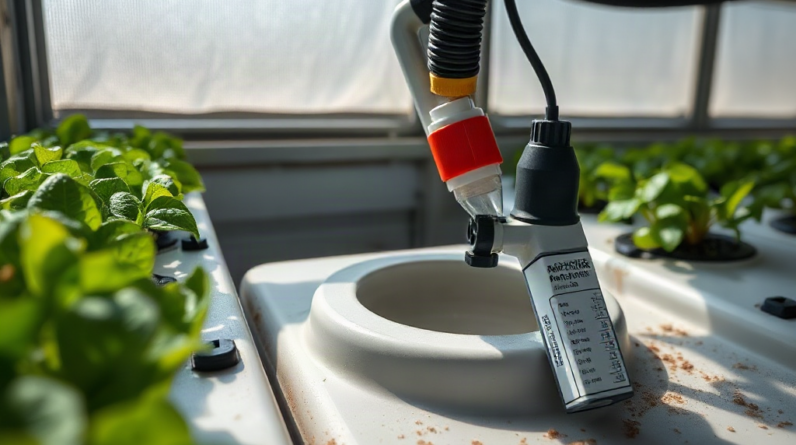
Issues with nutrient solution conductivity can severely hinder plant growth in hydroponic systems. Common causes include nutrient imbalances, which may result from improper mixing or using subpar fertilizers, and temperature variations that affect the solubility of salts. To mitigate these problems, regularly monitor conductivity levels, ensuring they align with the specific requirements of your plants. Additionally, using high-quality, filtered water can help maintain stable conductivity readings.
Understanding Nutrient Solution Conductivity
Nutrient solution conductivity refers to the ability of a solution to conduct electrical current, which directly correlates to the concentration of dissolved salts and nutrients within it. Conductivity is measured in microsiemens per centimeter (µS/cm) and is a crucial parameter in hydroponic systems, as it indicates the nutrient availability for plants. If conductivity levels are too low, plants may not receive adequate nutrients, while excessively high conductivity can lead to nutrient burn and negatively impact plant health.
Understanding conductivity is vital because it helps growers optimize nutrient solutions for specific plant needs. Different crops require varying conductivity levels, so knowledge of these requirements allows for tailored nutrient management strategies. Regular checks and adjustments to conductivity can ensure that plants thrive and yield optimally.
Common Issues Affecting Conductivity
Several factors can lead to fluctuations in nutrient solution conductivity. One of the most prevalent issues is nutrient imbalances, where certain nutrients are over or under-represented in the solution. This imbalance can arise from improper mixing of nutrient solutions or using low-quality fertilizers that lack essential elements.
Temperature fluctuations also significantly impact conductivity. As temperatures rise, the solubility of salts increases, which can result in higher conductivity readings. Conversely, lower temperatures can reduce solubility, leading to lower conductivity. Water quality is another critical factor; hard water or water with high levels of contaminants can alter conductivity readings and affect plant uptake.
Monitoring and Adjusting Conductivity
To maintain optimal conductivity levels, growers should implement a routine monitoring schedule. Using a reliable conductivity meter, check the nutrient solution at least once a week, or more frequently if plants show signs of stress. When monitoring, keep in mind that ideal conductivity levels vary among crops; for example, lettuce typically thrives at 800-1200 µS/cm, while tomatoes may prefer levels between 2000-3000 µS/cm.
If conductivity levels deviate from the desired range, adjustments must be made. For low conductivity, consider adding more nutrient solution or adjusting the mixing ratios. In cases of high conductivity, diluting the nutrient solution with water can help restore balance. Always make changes gradually to avoid shocking the plants.
Practical Remedies for Conductivity Problems
Addressing conductivity issues effectively often involves a combination of strategies. Start by ensuring that the water used in your nutrient solution is of high quality—filtered and free from contaminants. Regularly clean and maintain the hydroponic system to prevent buildup that can affect conductivity.
Additionally, consider using high-quality, balanced nutrient solutions specifically designed for hydroponics. These solutions are formulated to provide the correct proportions of essential nutrients, reducing the risk of imbalances. Implementing a regular feeding schedule based on plant growth stages can further optimize nutrient uptake and solution conductivity.
Finally, keep an eye on environmental factors such as temperature and humidity. Maintaining a stable growing environment will help prevent fluctuations in conductivity and ensure that plants receive the nutrients they need for healthy growth.
Frequently Asked Questions
What is nutrient solution conductivity?
Nutrient solution conductivity measures the ability of a solution to conduct electricity, indicating the concentration of dissolved nutrients and salts available to plants.
How often should I check conductivity levels?
It is advisable to check conductivity levels at least once a week, or more frequently if your plants show signs of stress or growth issues.
What causes low conductivity in nutrient solutions?
Low conductivity can result from inadequate nutrient concentration, poor mixing of solutions, or the use of low-quality fertilizers that lack essential elements.
Can high conductivity harm my plants?
Yes, excessively high conductivity can lead to nutrient burn, where plants become overwhelmed by nutrient concentrations, resulting in leaf damage and stunted growth.
What are some signs of conductivity issues?
Signs include yellowing leaves, slow growth, and wilting, which may indicate nutrient deficiencies or toxicities due to improper conductivity levels.
Further Reading
Authoritative Sources
- Library of Congress Research Guides
guides.loc.govResearch guides that help readers locate reliable background sources on a wide range of subjects
- USA.gov Official Information and Services
usa.govOfficial U.S. government information and public resources for practical reference
- Google Scholar
scholar.google.comAcademic search resource for finding research literature and source material
Conclusion
Maintaining proper nutrient solution conductivity is essential for the health and productivity of hydroponic systems. By understanding the factors that influence conductivity, monitoring levels regularly, and implementing practical remedies, growers can ensure their plants receive the nutrients they need. Prioritize high-quality water, balanced nutrient solutions, and a stable growing environment to prevent conductivity issues and foster optimal plant growth.