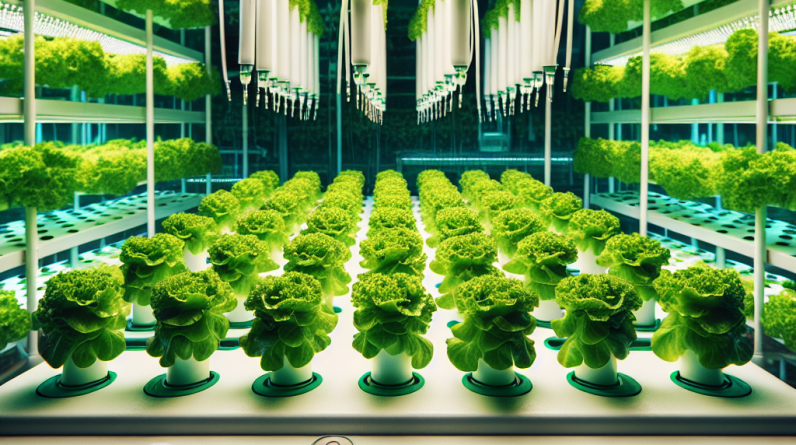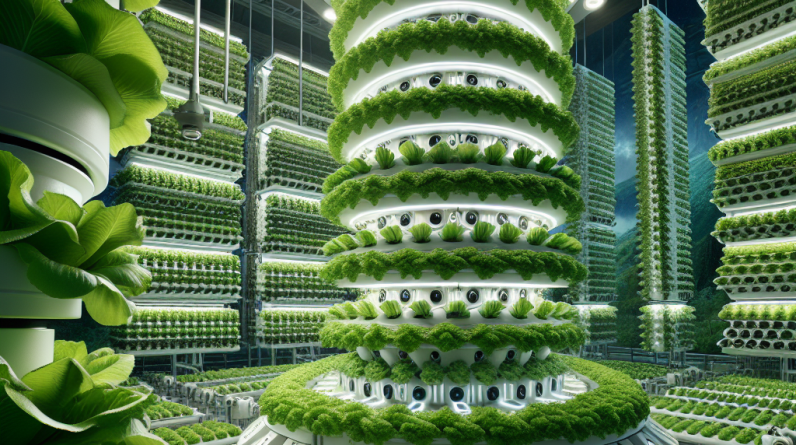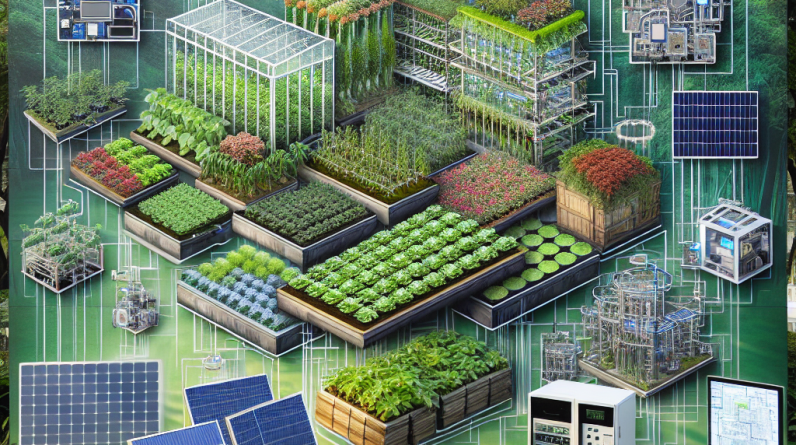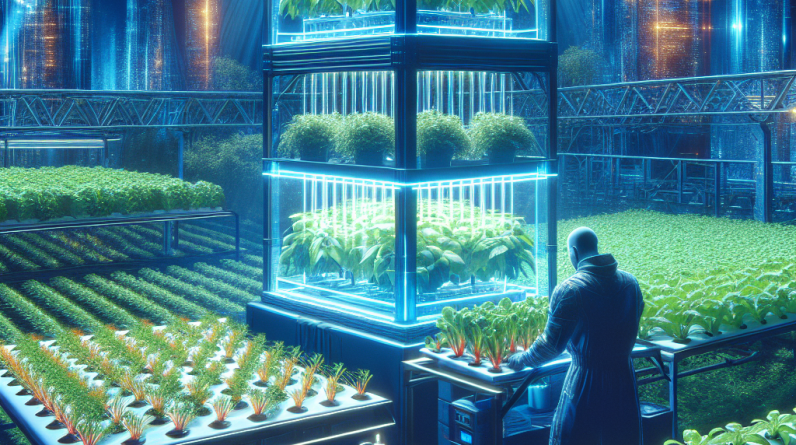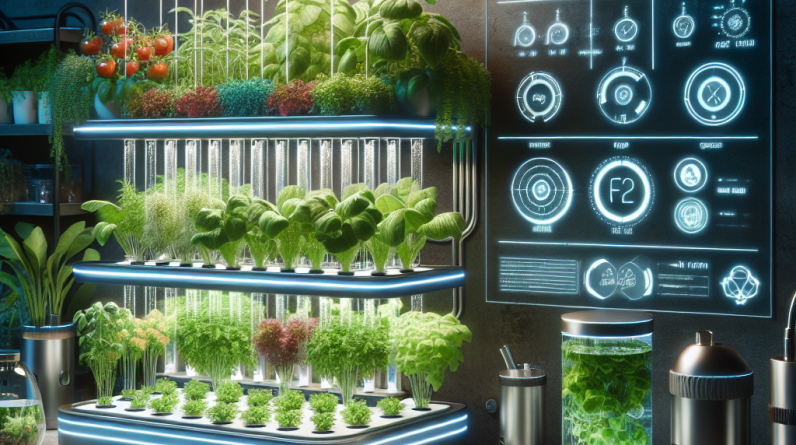
A hydroponic garden tower is a vertical growing system that allows for soil-free cultivation of plants, optimizing space and resources. It utilizes nutrient-rich water to support plant growth, making it ideal for urban environments where space is limited.
Understanding the components of a hydroponic garden tower is crucial for maximizing its potential. Key elements include the growing medium, water reservoir, pump system, and lighting. Each component plays a vital role in ensuring healthy plant growth and productivity. Mistakes in setup or maintenance can lead to poor yields, making it essential to prioritize the right components and their proper functioning.
One common mistake is underestimating the importance of lighting. While many plants can thrive in natural sunlight, indoor setups often require supplemental grow lights to ensure adequate photosynthesis. Additionally, the choice of growing medium, such as clay pellets or rock wool, impacts water retention and nutrient availability. Therefore, selecting the appropriate components based on specific plant needs and environmental conditions is critical for success.
Key Components of a Hydroponic Garden Tower
The success of a hydroponic garden tower hinges on its key components. These include the growing medium, water reservoir, nutrient delivery system, and lighting. Each part must work in harmony to create an effective growing environment. For example, using a well-aerated medium can enhance root development while ensuring that water and nutrients are efficiently delivered.
When selecting components, consider their compatibility and efficiency. A high-quality pump is essential for circulating water and nutrients, while an appropriately sized water reservoir can prevent fluctuations in nutrient concentration. Additionally, the choice of lighting can significantly affect plant growth rates, making it a priority in the setup.
Many gardeners overlook the importance of monitoring pH and nutrient levels in the water. Regular testing can prevent nutrient lockout and ensure that plants receive the necessary elements for growth. Prioritizing these factors can lead to a more productive hydroponic system.
Common Mistakes to Avoid
Starting a hydroponic garden tower can be exciting, but several common mistakes can hinder success. One major pitfall is inadequate research on plant compatibility with hydroponic systems. Some plants may not thrive in a vertical setup, leading to wasted resources and effort.
Another mistake is neglecting regular maintenance, such as cleaning the system and checking for clogs in the pump or tubing. Without proper upkeep, the system can become inefficient, affecting plant health and yield. Additionally, failing to adjust nutrient concentrations as plants grow can lead to deficiencies or toxicities.
To avoid these issues, create a maintenance schedule that includes regular inspections and adjustments. Educating yourself about the specific needs of your chosen plants can also prevent compatibility issues and improve overall success.
Benefits of Using a Hydroponic Garden Tower
Hydroponic garden towers offer numerous benefits for urban farming enthusiasts. One of the primary advantages is their space efficiency. Vertical systems allow for greater plant density, making it possible to grow more produce in a smaller area.
Additionally, hydroponics can lead to faster plant growth due to the optimal nutrient delivery and controlled environment. This method also reduces water usage compared to traditional soil gardening, making it a more sustainable option, especially in areas facing water scarcity.
Moreover, growing in a hydroponic system can minimize pest issues and reduce the need for chemical pesticides, leading to healthier produce. Emphasizing these benefits can help attract more individuals to the concept of urban hydroponics.
Choosing the Right Plants
When starting a hydroponic garden tower, selecting the right plants is crucial for success. Leafy greens, herbs, and certain fruits tend to thrive in hydroponic systems. Popular choices include lettuce, basil, and strawberries, which adapt well to vertical growing conditions.
It’s essential to consider the growth cycle and light requirements of the plants you choose. Fast-growing varieties can provide quicker yields, while others may take longer to mature. Understanding these factors will help you plan your garden more effectively.
Additionally, grouping plants with similar needs can simplify maintenance and optimize nutrient delivery. This strategic planning can significantly enhance the overall productivity of your hydroponic garden tower.
Further Reading
Authoritative Sources
- Hydroponics for Beginners
example.comThis resource provides a comprehensive introduction to hydroponic systems, including setup and maintenance tips
Frequently Asked Questions
What are the advantages of a hydroponic garden tower?
Hydroponic garden towers maximize space, allow for faster plant growth, and use less water compared to traditional gardening methods.
Can I grow any plant in a hydroponic garden tower?
Not all plants thrive in hydroponic systems; leafy greens and herbs are generally more successful than larger fruiting plants.
How often should I check nutrient levels in my hydroponic system?
Nutrient levels should be checked regularly, ideally weekly, to ensure plants receive the proper balance for optimal growth.
What common mistakes should I avoid with hydroponic gardening?
Common mistakes include neglecting maintenance, not researching plant compatibility, and failing to monitor pH and nutrient levels.
Is hydroponic gardening more expensive than traditional gardening?
While initial setup costs can be higher, hydroponics can save money long-term through reduced water usage and faster crop cycles.
Conclusion
All in all, a hydroponic garden tower offers a sustainable and efficient way to grow plants in urban settings. Understanding the essential components, avoiding common mistakes, and selecting the right plants is key to success. Prioritize regular maintenance and monitoring to optimize your system’s performance. As more people seek innovative gardening solutions, hydroponic systems stand out as a viable option for producing fresh, healthy produce year-round.