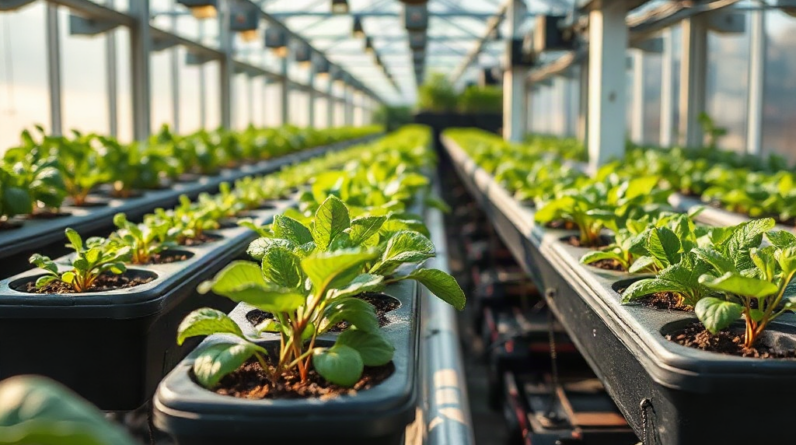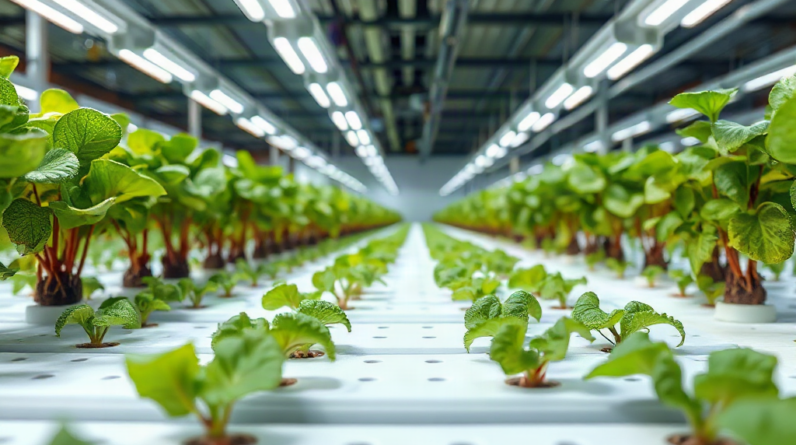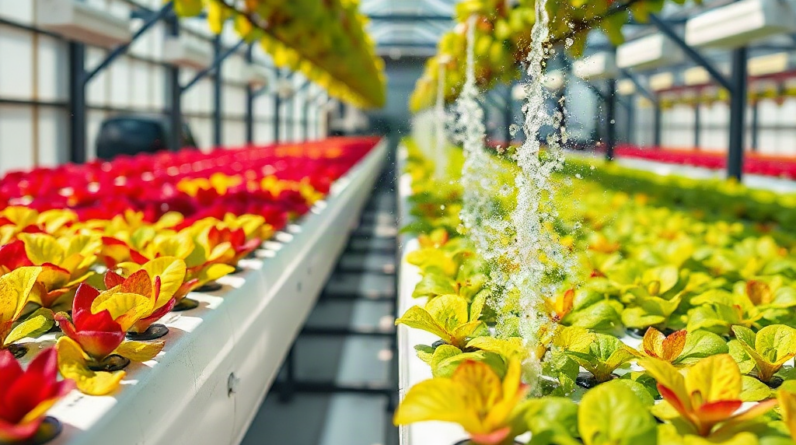
Hydroponic herbs for kitchen use encompass a variety of flavorful plants such as basil, cilantro, and mint, which can be grown indoors using nutrient-rich water systems. These methods provide a sustainable way to cultivate fresh herbs year-round, enhancing your culinary creations with vibrant flavors. The key to successful hydroponic herb gardening lies in managing light, nutrients, and water conditions, ensuring that each herb variety thrives.
When growing hydroponic herbs, it’s crucial to understand the specific needs of each type. For instance, basil prefers warm temperatures and plenty of light, while cilantro grows best in cooler conditions. Mistakes often arise from overwatering or inadequate light exposure, which can hinder growth or lead to plant stress. By prioritizing the right environmental conditions, you can avoid common pitfalls and enjoy a bountiful harvest of fresh herbs.
Choosing the Right Hydroponic System
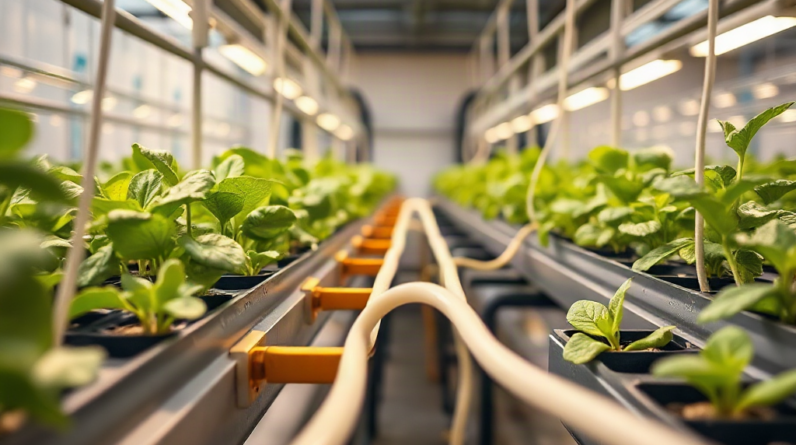
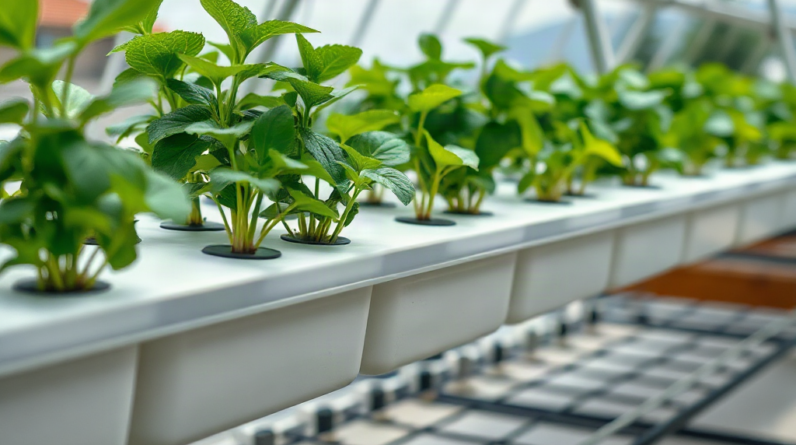
Selecting a suitable hydroponic system is fundamental for growing herbs successfully. Options like nutrient film technique (NFT), deep water culture (DWC), and aeroponics each offer unique benefits. NFT systems are efficient for herbs due to their low water usage and rapid growth rates. However, DWC can provide more stable root support, which is essential for larger plants.
Evaluate your available space and resources when deciding on a system. For beginners, starting with a simple DWC setup may be more manageable, while experienced growers might appreciate the efficiency of NFT. Ensure that the system allows for easy access to plants for maintenance and harvesting.
Optimal Light Conditions for Growth
Light is a critical factor in the growth of hydroponic herbs. Most herbs require at least 12-16 hours of light per day to thrive. Using LED grow lights can provide the necessary spectrum for photosynthesis while minimizing heat output.
Monitor your plants closely; if they appear leggy or pale, they may be receiving insufficient light. Position the lights at an appropriate distance from the plants to prevent burning while maximizing light absorption. Adjusting light schedules based on the growth stage can significantly enhance yield.
Nutrient Management for Hydroponic Herbs
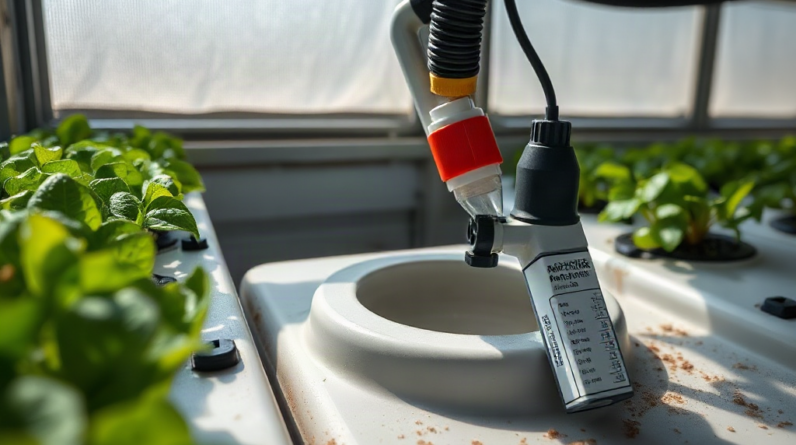
Proper nutrient management is essential for robust growth in hydroponic herbs. Using a balanced nutrient solution tailored for leafy greens ensures that your plants receive the right minerals. Regularly check the pH levels of the water, aiming for a range of 5.5 to 6.5 for optimal nutrient uptake.
Consider gradually increasing nutrient concentration as plants mature. Over-fertilization can lead to nutrient burn, while under-fertilization might stunt growth. Balancing these factors will promote healthy, vibrant herbs.
Common Mistakes to Avoid
New hydroponic growers often make several common mistakes that can jeopardize their herb production. One frequent error is neglecting to monitor water levels, which can lead to root rot or nutrient deficiencies. Additionally, failing to provide adequate air circulation can result in mold growth.
To mitigate these issues, regularly check the water levels and ensure that your setup allows for sufficient airflow around the plants. Keeping a journal of your growing conditions can help identify patterns and areas for improvement.
Frequently Asked Questions
What herbs are best for hydroponic gardening?
Basil, cilantro, parsley, and mint are among the best herbs for hydroponic gardening due to their quick growth and high demand in cooking.
How often should I change the water in my hydroponic system?
Water should be changed every 1-2 weeks, depending on the system and nutrient levels, to prevent buildup of impurities.
Can I grow hydroponic herbs without sunlight?
Yes, using artificial grow lights can successfully replace sunlight for growing hydroponic herbs indoors.
What is the ideal pH for hydroponic herbs?
The ideal pH range for hydroponic herbs is between 5.5 and 6.5, which promotes optimal nutrient absorption.
How much space do I need for hydroponic herb gardening?
Space requirements vary by system, but a small countertop setup can suffice for a few herb plants, while larger systems may require dedicated shelving.
Conclusion
Growing hydroponic herbs in your kitchen is both rewarding and practical, allowing for a continuous supply of fresh flavors. By selecting the right system, managing light and nutrients effectively, and avoiding common mistakes, you can cultivate a thriving indoor herb garden. Prioritize the specific needs of each herb and stay attentive to environmental conditions to ensure success. Start your hydroponic journey today and enhance your culinary experience with homegrown herbs.