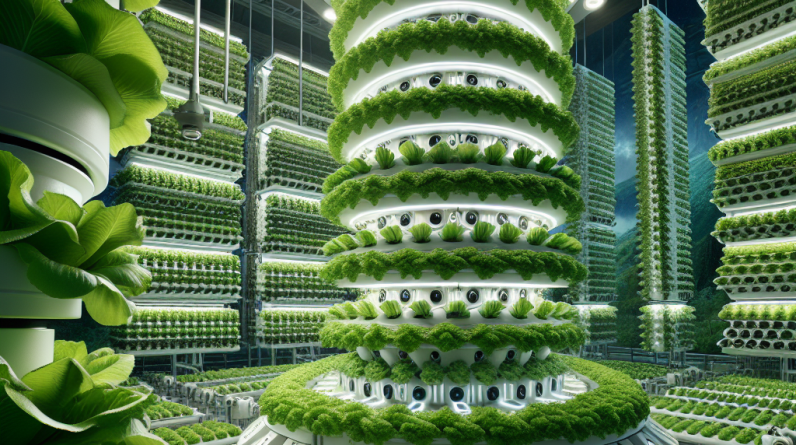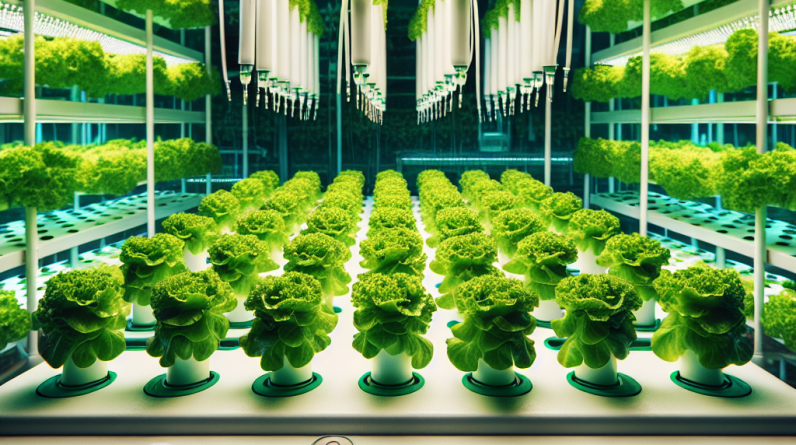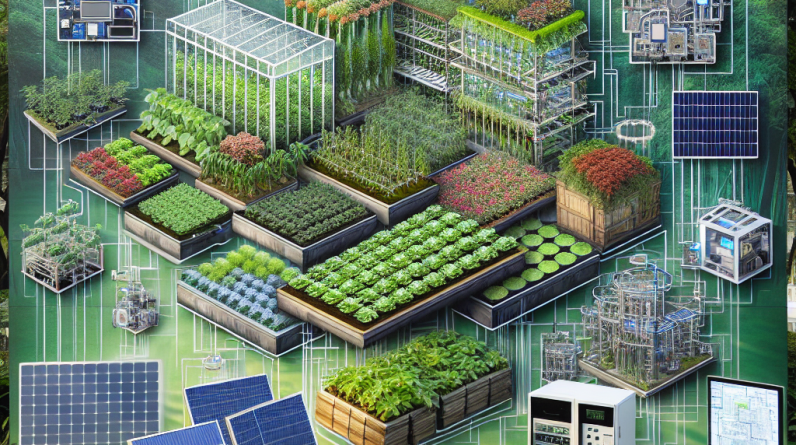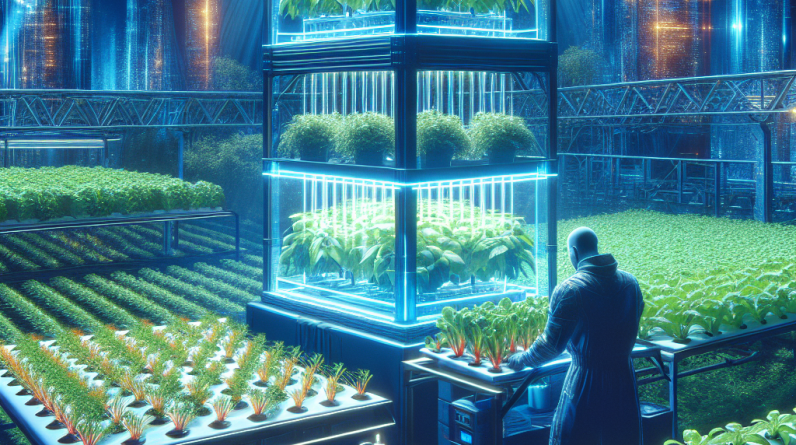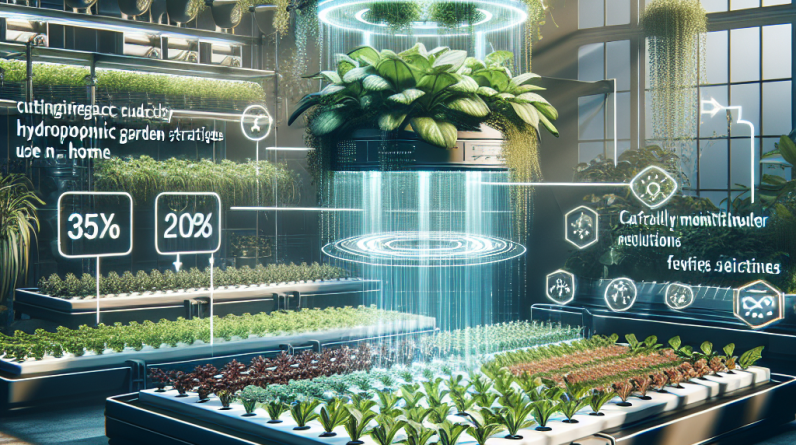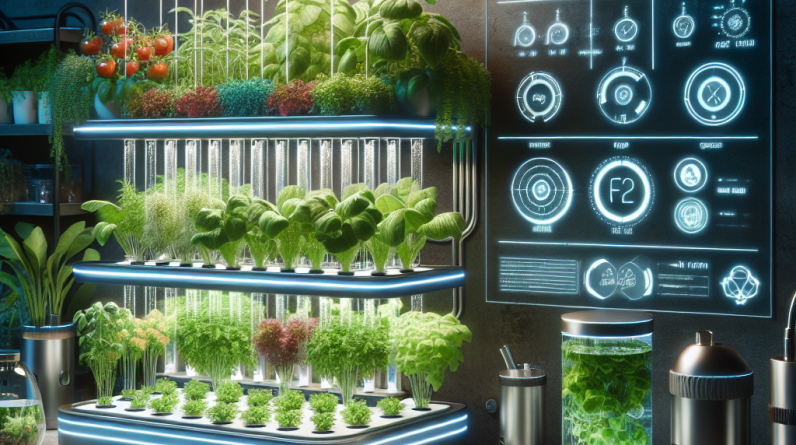
Hydroponic herbs for kitchen use include popular varieties like basil, mint, and parsley, which can be grown indoors without soil. This method allows for faster growth and year-round cultivation, providing fresh herbs at your fingertips.
When considering growing hydroponic herbs, it’s essential to understand the systems available, such as nutrient film technique (NFT) or deep water culture (DWC). Each system has its pros and cons, impacting growth rates, maintenance, and initial setup costs. For example, DWC allows roots to absorb nutrients directly from the water, promoting rapid growth, while NFT uses a continuous flow of nutrient solution, which can be more efficient but requires careful monitoring.
Common mistakes include neglecting pH levels and nutrient concentrations, which are crucial for healthy plant development. New growers often assume that any water is suitable, but distilled or reverse osmosis water is recommended to avoid unwanted minerals. Additionally, ensuring adequate light is vital; herbs typically need 12-16 hours of light daily, so investing in quality grow lights can significantly enhance growth.
Choosing the Right Hydroponic System
Selecting the appropriate hydroponic system is critical for successful herb cultivation. Options like aeroponics and drip systems cater to different needs. Aeroponics, for instance, suspends plants in air and mists roots with nutrient-rich water, promoting vigorous growth. On the other hand, drip systems deliver nutrients directly to the plant base, which can be easier for beginners.
Consider your available space and resources when choosing a system. Aeroponics requires less space and can yield more in vertical setups, while drip systems can be scaled for larger operations. For those new to hydroponics, starting with a simple drip system can provide a manageable introduction while still allowing for satisfactory herb production.
Additionally, think about the level of automation you desire. Automated systems can simplify monitoring and maintenance but may come with higher upfront costs. For beginners, a semi-automated system that allows for hands-on learning can be a good balance.
Popular Herbs for Hydroponic Growth
Several herbs thrive in hydroponic environments, making them ideal candidates for kitchen gardens. Basil is a favorite for its aromatic leaves, perfect for culinary use. Mint grows rapidly in hydroponic systems and adds flavor to various dishes and beverages. Parsley and cilantro are also popular choices, offering versatility in cooking.
When selecting herbs, consider their growth requirements. For instance, basil prefers warmer temperatures and high humidity, while mint can tolerate cooler conditions. Understanding these needs ensures that your hydroponic setup can accommodate each herb’s preferences, maximizing growth and flavor.
Additionally, rotating crops can help maintain nutrient levels and prevent disease. After harvesting, consider planting different herbs or even vegetables to diversify your yield and keep your kitchen garden interesting.
Nutrient Management in Hydroponics
Nutrient management is crucial for the success of hydroponic herbs. Unlike soil gardening, where nutrients are naturally replenished, hydroponic systems require careful monitoring of nutrient solutions. It’s essential to use a balanced nutrient mix formulated specifically for hydroponics, as these blends provide the necessary macro and micronutrients.
Regularly checking the pH and electrical conductivity (EC) of your nutrient solution is vital. The ideal pH range for most herbs is between 5.5 and 6.5, while EC levels should be adjusted based on the growth stage of the plants. For example, young seedlings require lower nutrient concentrations compared to mature plants.
Investing in quality testing kits can help you maintain optimal nutrient conditions. Remember, over-fertilizing is a common mistake that can lead to nutrient burn, so always follow recommended guidelines for your specific herb varieties.
Common Mistakes to Avoid
New hydroponic gardeners often face challenges that can be easily avoided with proper planning and knowledge. One major mistake is underestimating the importance of light; inadequate lighting can stunt growth and reduce yields. Ensure that your herbs receive sufficient light for their specific needs, and consider using timers to automate light cycles.
Another common pitfall is neglecting environmental factors such as temperature and humidity. Herbs generally thrive in temperatures between 70°F to 75°F and humidity levels around 50-70%. Use fans or humidifiers to create a stable environment that promotes healthy growth.
To wrap up, be cautious about introducing new plants too quickly. Quarantine new seedlings for a few weeks to monitor for pests or diseases before integrating them into your established system. This practice can prevent infestations and maintain the health of your hydroponic garden.
Further Reading
Authoritative Sources
- University of Hawaii Hydroponics Resources
uhh.eduA comprehensive guide on hydroponic techniques and best practices for growing herbs indoors
- Hydroponics Society
hydroponics.comOffers detailed insights and research on hydroponic systems, including growing herbs
- Gardening Know How
gardeningknowhow.comProvides practical advice on herb cultivation and hydroponic gardening techniques
Frequently Asked Questions
What are the best herbs to grow hydroponically?
Basil, mint, parsley, and cilantro are among the best herbs to grow hydroponically due to their growth speed and culinary versatility.
How often should I change the nutrient solution?
It’s recommended to change the nutrient solution every 1-2 weeks to maintain optimal nutrient levels and prevent algae growth.
Can I grow herbs without a hydroponic system?
Yes, you can grow herbs in soil or containers using traditional gardening methods, but hydroponics allows for faster growth and less pest interference.
What lighting is best for hydroponic herbs?
LED grow lights are highly effective for hydroponic herbs, providing the necessary spectrum for photosynthesis while being energy-efficient.
How can I prevent pests in a hydroponic system?
Regularly inspect plants for signs of pests, maintain cleanliness, and consider using beneficial insects or organic pesticides to manage infestations.
Conclusion
Hydroponic herbs for kitchen use provide a practical and efficient way to enjoy fresh flavors year-round. By choosing the right system, managing nutrients effectively, and avoiding common mistakes, you can cultivate a thriving indoor garden. Prioritize understanding the specific needs of your chosen herbs and maintain a stable environment to ensure success. Start small, experiment, and enjoy the benefits of having fresh herbs at your fingertips.