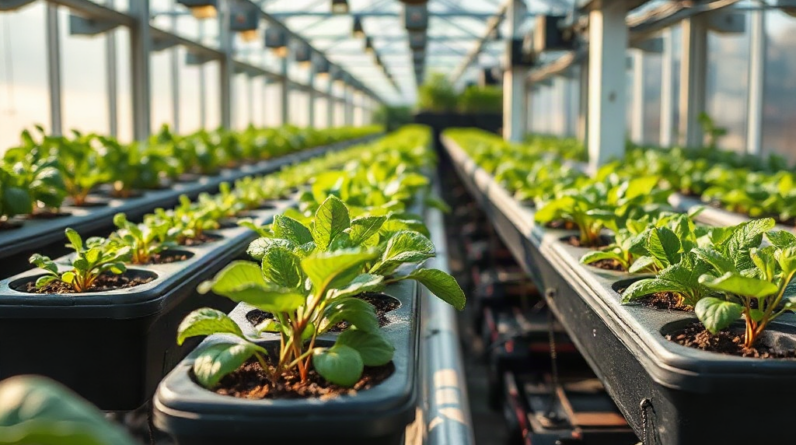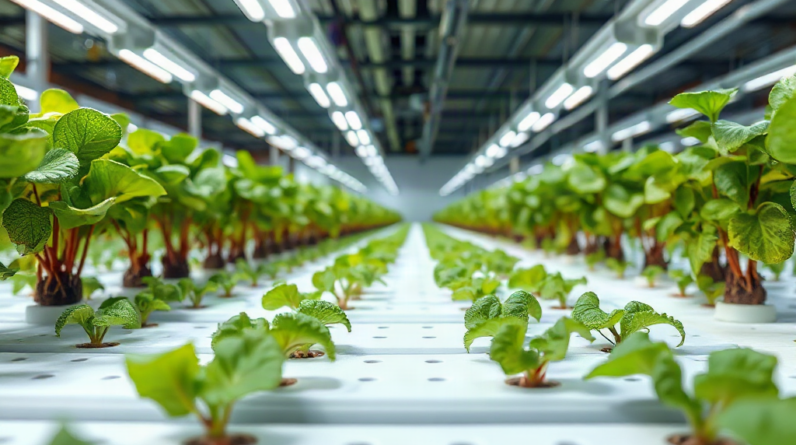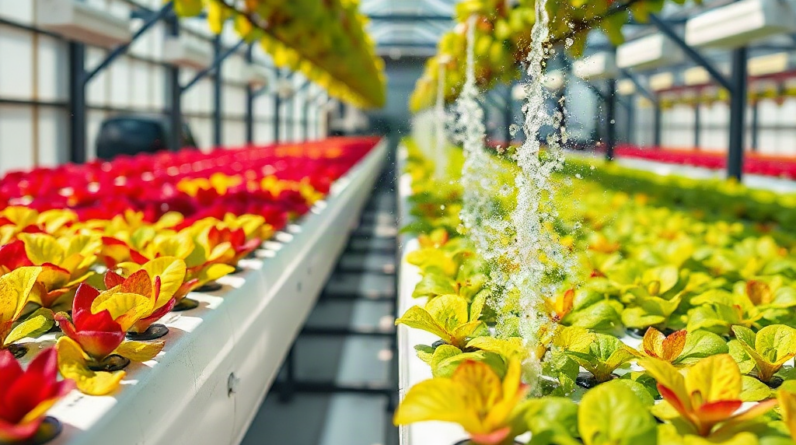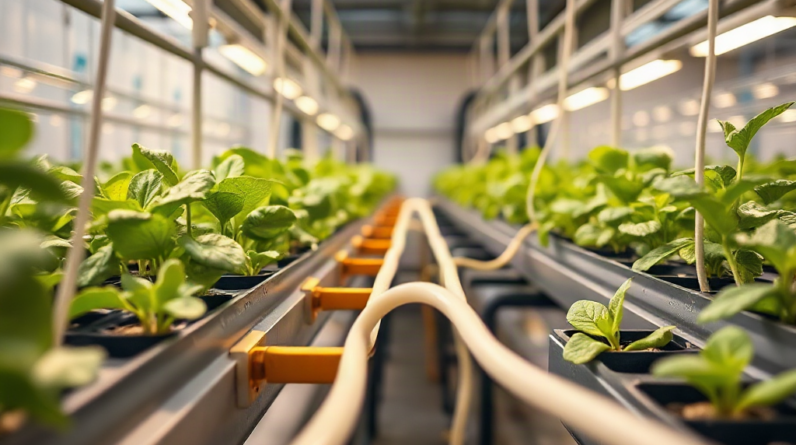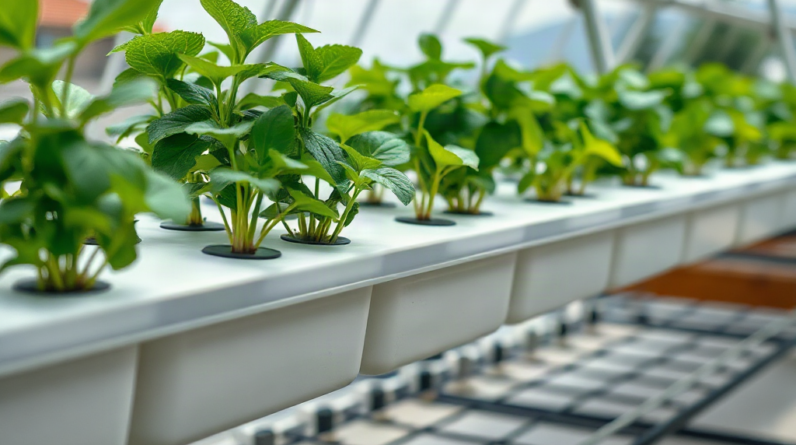
Hydroponic herbs for kitchen use include a variety of popular options such as basil, cilantro, and mint, which are well-suited to nutrient-rich water systems. These herbs can thrive without soil, allowing for year-round cultivation and fresh ingredients at your fingertips. One of the greatest advantages of hydroponic gardening is the ability to control environmental factors, resulting in robust growth and flavor.
Prioritizing the right conditions is essential for success in hydroponic herb cultivation. This includes ensuring a proper nutrient balance, adequate light exposure, and suitable temperature and humidity levels. Mistakes such as over-fertilizing or inadequate lighting can lead to poor growth and flavor. Assess your space and resources before starting, as some herbs may require more room or specific conditions to flourish.
Choosing the Right Hydroponic System
When selecting a hydroponic system for growing herbs, consider options like deep water culture, nutrient film technique, or aeroponics. Each system has its pros and cons, affecting plant growth, maintenance, and space requirements. For instance, deep water culture is simple and effective for beginners, while aeroponics may yield faster growth but requires more precise control.
Evaluate your available space and the number of herbs you wish to grow. A compact system may be ideal for small kitchens, while larger setups can accommodate a wider variety of herbs. Consider factors such as ease of access for maintenance and the ability to monitor nutrient levels when making your choice.
Best Herbs for Hydroponic Growth
Some of the best herbs for hydroponic growth include basil, mint, parsley, and cilantro. These herbs not only thrive in hydroponic systems but are also commonly used in various culinary applications. Basil, for example, is ideal for sauces and salads, while mint can enhance drinks and desserts.
When selecting herbs, consider their growth rate and space requirements. Fast-growing herbs can provide quicker yields, while others may require more time and care. Additionally, think about your cooking preferences and how often you will use each herb, as this will influence your decision on which varieties to grow.
Essential Nutrients for Healthy Herbs
Hydroponic herbs require a balanced mix of nutrients to thrive, including nitrogen, phosphorus, potassium, calcium, magnesium, and trace elements. These nutrients should be delivered through the water, making it crucial to monitor levels regularly. An imbalance can result in poor growth or even plant death.
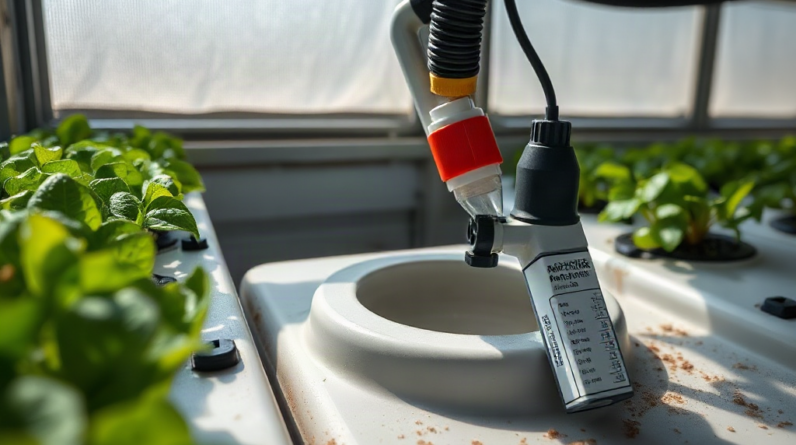
Using a quality hydroponic nutrient solution tailored for herbs can simplify the process. Always follow the manufacturer’s guidelines for dilution and frequency of application to maintain optimal health. Additionally, consider testing the pH level of your water, as it can significantly affect nutrient absorption.
Lighting and Temperature Considerations
Proper lighting is essential for hydroponic herbs, as they require sufficient light for photosynthesis. LED grow lights are a popular choice, providing the necessary spectrum while being energy-efficient. Ensure your herbs receive at least 12-16 hours of light daily for optimal growth.
Temperature also plays a crucial role in herb cultivation. Most herbs prefer temperatures between 65°F and 75°F (18°C to 24°C). Fluctuations outside this range can stress plants, leading to poor growth. Use fans or heaters as needed to maintain a consistent environment.
Frequently Asked Questions
What are the easiest herbs to grow hydroponically?
Basil, mint, and parsley are among the easiest herbs to grow hydroponically due to their adaptability and quick growth rates.
How often should I change the water in my hydroponic system?
Water should typically be changed every 1-2 weeks to maintain nutrient balance and prevent algae growth.
Can I grow herbs indoors?
Yes, herbs can be successfully grown indoors using hydroponic systems with proper lighting and environmental controls.
Do hydroponic herbs taste different than soil-grown herbs?
Hydroponic herbs can have a similar or even enhanced flavor due to optimized growing conditions, but this can vary based on the specific herb.
What is the best hydroponic system for beginners?
Deep water culture is often recommended for beginners due to its simplicity and effective growth for a variety of herbs.
Conclusion
Hydroponic herbs for kitchen use offer a fantastic way to enjoy fresh, flavorful ingredients year-round. By selecting the right system and herbs, monitoring nutrient levels, and ensuring proper lighting and temperature, you can create a thriving indoor garden. Start small, learn from your experiences, and soon you’ll have an abundance of fresh herbs at your fingertips.