
Understanding the differences between aquaponics and hydroponics is crucial for anyone interested in sustainable agriculture. While both methods are efficient, they each come with unique challenges and benefits. Aquaponics requires a balanced ecosystem to thrive, which means managing both fish and plant health, whereas hydroponics focuses solely on plant growth and can often be easier to manage. It’s important to consider your goals, resources, and environmental conditions when choosing between these methods.
Many beginners mistakenly assume that aquaponics is simply an easier way to grow food, but it involves a complex interplay between aquatic life and plant health. Balancing these elements can be challenging, especially for those new to either system. Hydroponics, while generally more straightforward, can also lead to pitfalls if nutrient solutions are not managed correctly. Therefore, prioritizing education and understanding the specific needs of the chosen system is essential for successful implementation.
Understanding Aquaponics
Aquaponics is a sustainable farming method that combines aquaculture with hydroponics. In this system, fish are raised in tanks, and their waste provides essential nutrients for plants grown in a soilless environment. The plants, in turn, filter and purify the water, which is recirculated back to the fish tanks. This closed-loop system minimizes water usage and maximizes productivity.
One of the key benefits of aquaponics is its ability to produce both protein (from fish) and vegetables in a small space. This method is particularly suited for urban environments where space is limited. However, managing an aquaponics system requires careful monitoring of water quality, fish health, and plant growth. Many beginners overlook the importance of maintaining the right balance between fish and plants, which can lead to system failures.
Additionally, aquaponics systems can be more complex than hydroponic systems due to the need for a balanced ecosystem. Beginners should prioritize learning about fish species compatibility, nutrient cycling, and system maintenance to ensure a successful aquaponics setup.
Exploring Hydroponics
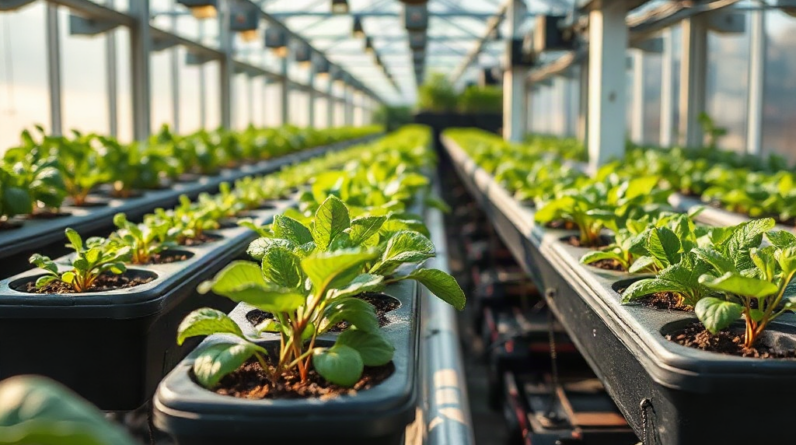
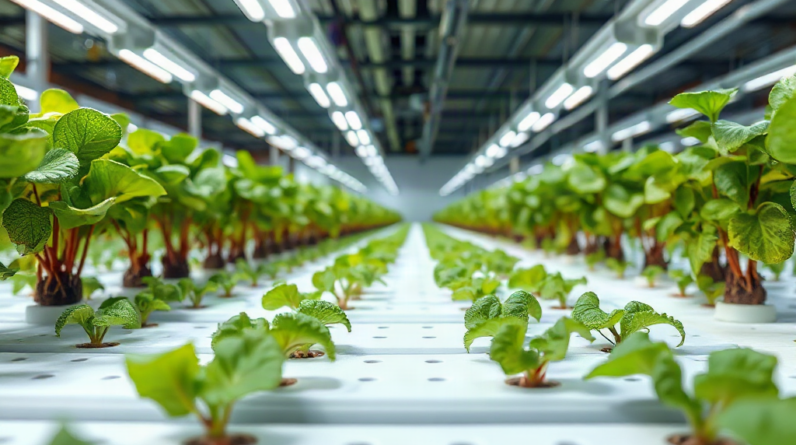
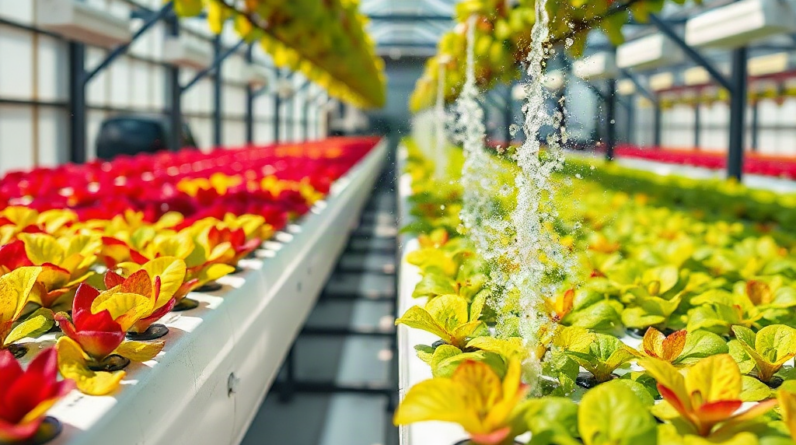
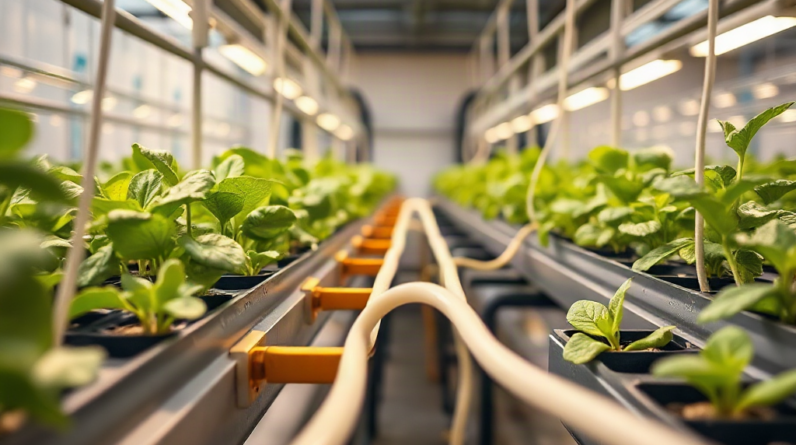
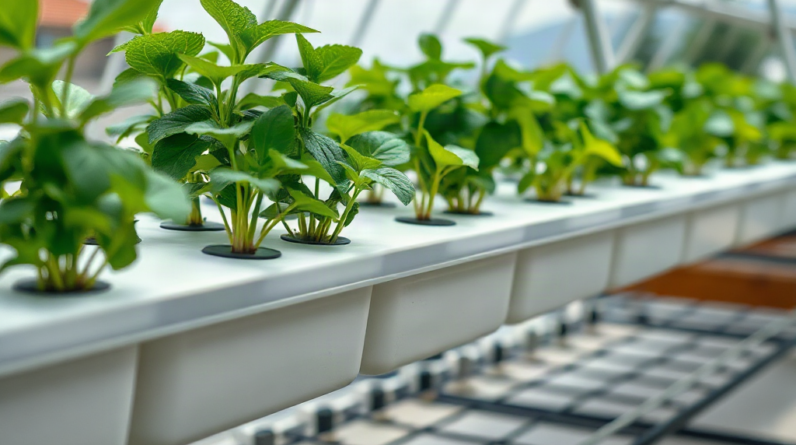
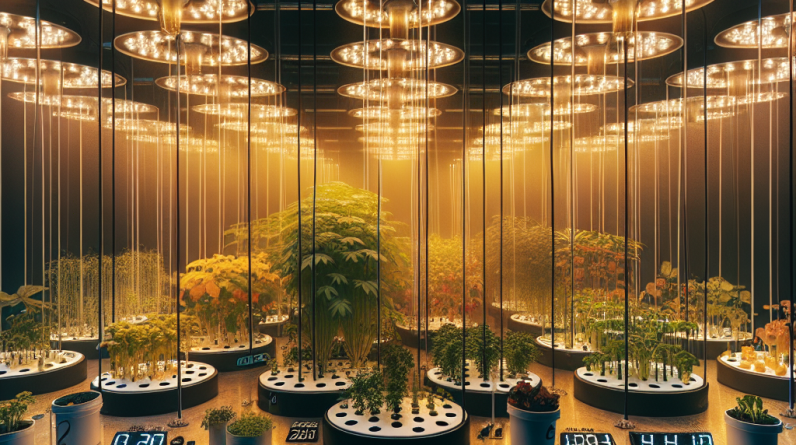
Hydroponics is a method of growing plants without soil, using nutrient-rich water instead. This technique allows for year-round cultivation and can lead to faster plant growth and higher yields compared to traditional soil gardening. Hydroponics systems can vary widely, from simple setups using containers to complex systems involving pumps and grow lights.
One major advantage of hydroponics is the control it offers over growing conditions, such as nutrient levels and pH balance. This precision can lead to healthier plants and reduced risk of pests and diseases. However, the reliance on artificial solutions can also be a drawback, as improper management of nutrient solutions can lead to plant stress or failure.
New hydroponic growers often underestimate the importance of regular monitoring and adjustments. It is crucial to establish a routine for checking nutrient levels, pH, and water quality to prevent common issues such as nutrient lockout or imbalances. Investing time in learning about the specific requirements of the plants being grown can significantly improve success rates.
Comparative Analysis: Aquaponics vs Hydroponics
When comparing aquaponics and hydroponics, several factors come into play, including resource efficiency, complexity, and crop variety. Aquaponics offers a dual benefit of producing both fish and plants, which can be a significant advantage for those looking to diversify their food sources. Hydroponics, while simpler, focuses solely on plant cultivation and can be easier to set up and manage.
In terms of resource efficiency, both systems use significantly less water than traditional agriculture. However, aquaponics has the added benefit of recycling fish waste, creating a natural fertilizer for plants. The complexity of aquaponics can be a disadvantage for beginners, as it requires knowledge of both aquaculture and hydroponics.
Ultimately, the choice between aquaponics and hydroponics should be based on individual goals, available space, and willingness to learn about system management. Both methods have the potential to contribute to sustainable food production, but understanding their unique characteristics is essential for success.
Common Mistakes and How to Avoid Them
Both aquaponics and hydroponics come with their own set of challenges. One common mistake in aquaponics is failing to maintain the balance between fish and plants, which can lead to poor growth or fish health issues. It’s vital to monitor water parameters, such as ammonia, nitrite, and nitrate levels, to ensure a thriving ecosystem.
In hydroponics, a frequent error is the mismanagement of nutrient solutions. New growers may not realize that different plants have varying nutrient requirements, which can lead to deficiencies or toxicities. Regularly testing and adjusting nutrient solutions based on the specific needs of the plants can help prevent these issues.
To avoid these pitfalls, beginners should invest time in research and education. Joining local gardening groups or online forums can provide valuable insights and support from experienced growers. Establishing a routine for monitoring and maintaining both systems is key to long-term success.
Further Reading
Authoritative Sources
- Aquaponics Association
aquaponicsassociation.orgA comprehensive resource for aquaponics research, techniques, and community support
- Hydroponics.com
hydroponics.comOffers detailed guides, articles, and product recommendations for hydroponic systems
- USDA Hydroponics Resources
nal.usda.govOfficial USDA documentation on hydroponics techniques and best practices
Frequently Asked Questions
What is the main difference between aquaponics and hydroponics?
Aquaponics combines fish farming with plant cultivation, while hydroponics focuses solely on growing plants in nutrient-rich water.
Can you grow any type of plant in hydroponics?
Most plants can be grown hydroponically, but leafy greens and herbs tend to thrive best in these systems.
What are the benefits of aquaponics?
Aquaponics offers sustainable food production, reduced water usage, and the ability to grow both fish and plants in a closed-loop system.
How much water does an aquaponics system use?
Aquaponics systems typically use 90% less water than traditional soil farming due to recirculation of water.
Is hydroponics more expensive than traditional gardening?
Initial setup costs for hydroponics can be higher, but they often lead to higher yields and faster growth, potentially offsetting expenses over time.
Conclusion
Aquaponics and hydroponics offer innovative solutions for sustainable food production, each with its own unique advantages and challenges. By understanding the principles behind these systems, potential growers can make informed decisions that align with their goals and resources. Prioritizing education and system management is crucial for success, whether choosing to cultivate fish and plants together in aquaponics or focusing solely on plant growth in hydroponics. With careful planning and execution, both methods can contribute to a more sustainable future in food production.