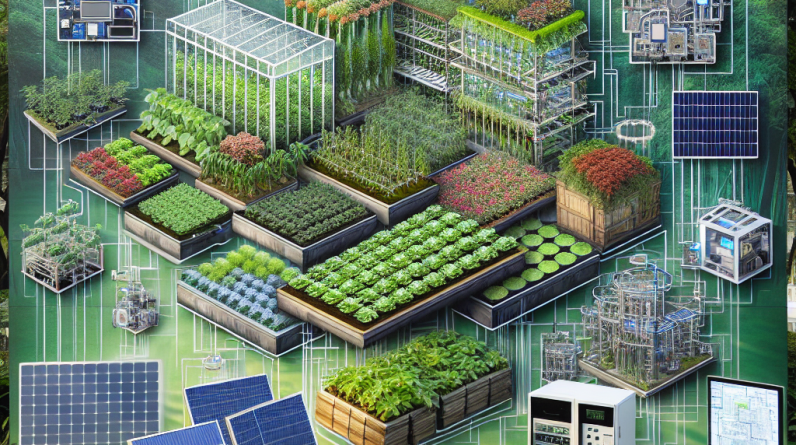
A hydroponic light schedule is crucial for maximizing plant growth and health. Typically, plants require about 14 to 18 hours of light per day during the vegetative stage and 12 hours during the flowering stage.
Understanding the light requirements of different plant species can significantly impact their growth rates and yields. For instance, leafy greens like lettuce thrive under longer light periods, while fruiting plants such as tomatoes benefit from shorter light cycles during their flowering phase. A mismanaged light schedule can lead to stunted growth or poor yields, making it vital for growers to tailor their lighting strategies accordingly.
Common mistakes include using the same light schedule for all plants and failing to adjust the intensity as plants mature. Additionally, not considering the type of grow lights used (LED, fluorescent, or HID) can affect how plants respond to light exposure. It’s important to monitor plant responses and adjust the schedule based on observed growth patterns.
Understanding Plant Light Needs
Different plants have unique light requirements that must be understood for effective hydroponic growth. Generally, plants can be categorized into two groups: low-light and high-light plants. Low-light plants, such as herbs, can thrive under lower light intensity, while high-light plants, like peppers and tomatoes, require more intense lighting. Knowing these needs helps in setting an appropriate light schedule.
For example, leafy greens typically require around 14 to 16 hours of light, while fruiting plants may need 16 to 18 hours. This variation is crucial as it directly influences the photosynthesis rate and overall plant health. Not paying attention to these specifics can lead to suboptimal growth, underscoring the need for tailored lighting strategies.
Moreover, the light spectrum also plays a role in plant development. Blue light is essential during the vegetative stage for leaf growth, while red light is crucial during flowering. Growers should consider using full-spectrum lights that provide a balance of both to support all growth phases effectively.
Crafting Your Hydroponic Light Schedule
Creating an effective hydroponic light schedule involves selecting the right duration and intensity of light based on the growth stage of the plants. A common approach is to start with 16 to 18 hours of light during the vegetative phase and reduce it to 12 hours when transitioning to the flowering stage. This mimics natural seasonal changes that trigger flowering in many plants.
It’s also important to maintain consistency in the light schedule. Sudden changes can stress plants and disrupt their growth cycles. Utilizing timers can help automate the lighting process, ensuring plants receive the correct amount of light each day without fail.
Additionally, consider the environmental factors that can affect light absorption, such as humidity and temperature. A stable environment supports optimal light utilization and plant growth, emphasizing the need for an integrated approach to hydroponics.
Adjusting Light Intensity
Light intensity is as important as duration in a hydroponic light schedule. Too much light can cause photobleaching, while too little can lead to weak, leggy growth. Growers should adjust the distance between the light source and the plants based on the type of lighting used. For instance, LED lights can be placed closer to plants than HID lights without causing damage.
Monitoring plant health is key to determining if light intensity is appropriate. Yellowing leaves can indicate too much light, while slow growth may suggest insufficient light. Regularly assessing plant conditions allows for timely adjustments to the light intensity.
Additionally, using a lux meter can help quantify light levels and ensure they meet the specific needs of the plants being grown. This precision can significantly enhance growth outcomes and yield quality.
Common Mistakes to Avoid
Many growers make mistakes that can adversely impact their hydroponic systems. One common error is using a one-size-fits-all approach to lighting. Different plants require different light schedules and intensities, and failing to account for this can result in poor growth.
Another common mistake is neglecting to track plant growth responses. Regularly observing how plants react to the light schedule can provide critical insights into necessary adjustments. Skipping this step can lead to prolonged periods of inadequate lighting, ultimately affecting yield.
Lastly, many growers underestimate the importance of light quality, focusing solely on duration. Investing in high-quality grow lights that provide a full spectrum can make a significant difference in plant health and productivity. Prioritizing light quality alongside duration will yield better results.
Further Reading
Authoritative Sources
- MedlinePlus
medlineplus.govConsumer-friendly medical and health information from the U.S. National Library of Medicine.
- National Institutes of Health
nih.govResearch-based health information and links to authoritative medical resources.
- Centers for Disease Control and Prevention
cdc.govOfficial public health guidance, prevention resources, and topic-specific recommendations.
- Mayo Clinic
mayoclinic.orgTrusted clinical guidance, symptom explainers, and treatment overviews.
- World Health Organization
who.intGlobal health guidance, fact sheets, and evidence-based public health information.
Frequently Asked Questions
What is the ideal light duration for hydroponic plants?
Typically, hydroponic plants require 14 to 18 hours of light during the vegetative stage and 12 hours during the flowering stage.
How does light intensity affect plant growth?
Light intensity influences photosynthesis; too much can cause stress, while too little can lead to weak growth.
Can I use the same light schedule for all plants?
No, different plants have varying light needs, and using a uniform schedule may hinder their growth.
How often should I adjust my light schedule?
Adjust your light schedule based on the growth stage of your plants, transitioning from longer hours during vegetative growth to shorter hours during flowering.
What types of grow lights are best for hydroponics?
LED lights are often recommended for their efficiency and spectrum control, but fluorescent and HID lights can also be effective.
Conclusion
In summary, establishing a proper hydroponic light schedule is vital for maximizing plant health and yield. Understanding the specific light needs of your plants, crafting a tailored light schedule, and monitoring both intensity and duration will significantly enhance your growing success. Avoid common pitfalls by staying attentive to your plants’ responses and making necessary adjustments. By prioritizing these factors, you can ensure a thriving hydroponic garden.
Related Content
- Hydroponics: The Future of Sustainable Agriculture
- The Ultimate Guide to the 10 Best general hydroponics nutrients for 2025
- The Ultimate Guide to the 10 Best Hydroponic Greenhouse Strategies for 2025
- Miles Dawson
- The Ultimate Guide to Indoor Hydroponic Gardening in 2025: 10 Effective Tips to Grow Better