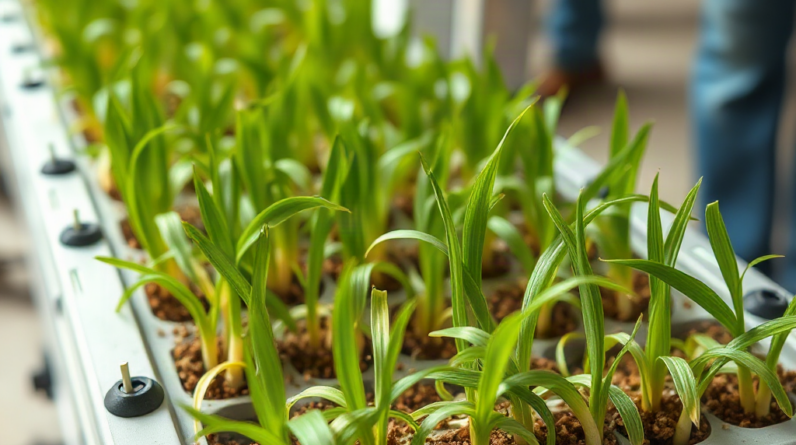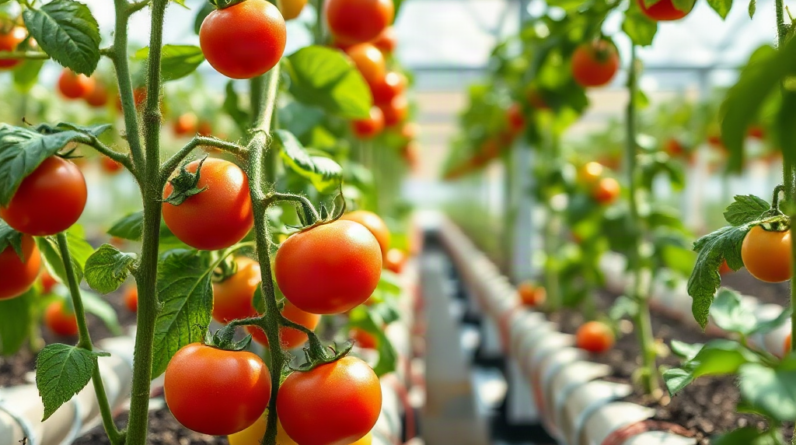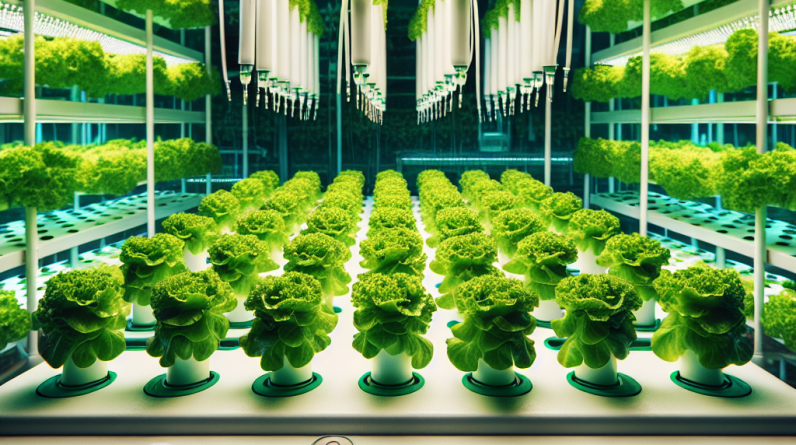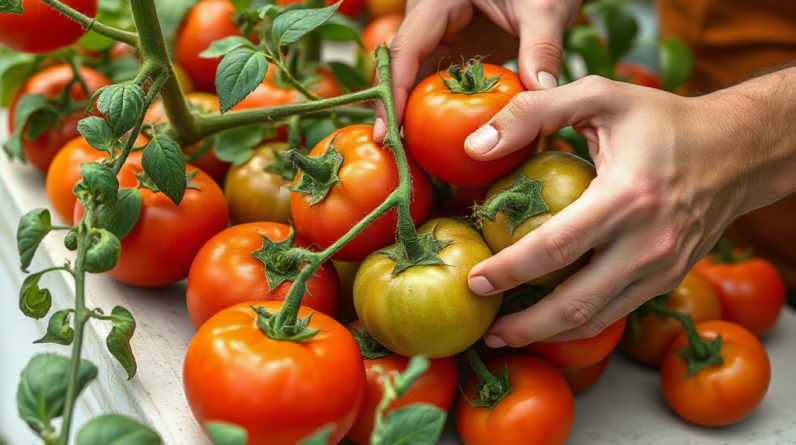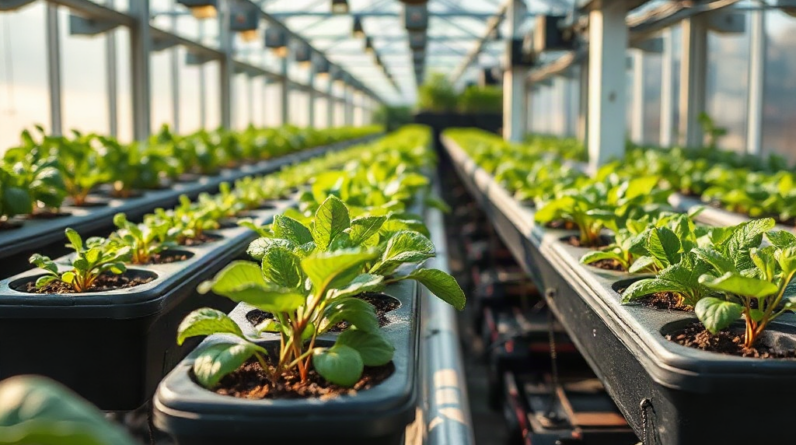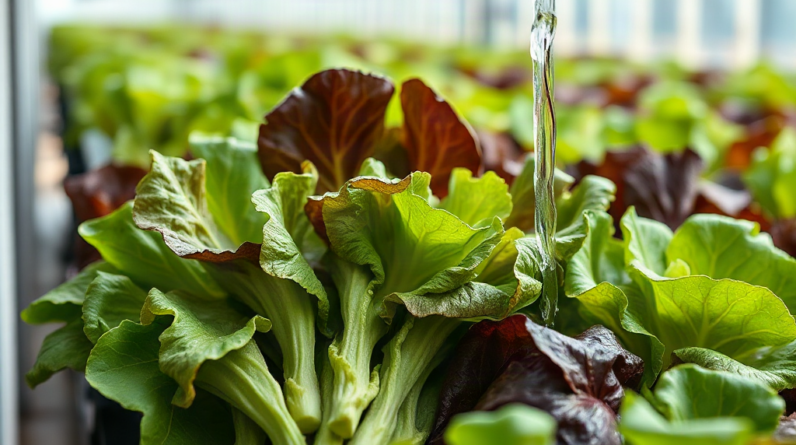
Hydroponic produce washing water safety depends on using potable water, clean food-contact equipment, and a rinse process that prevents dirty water from spreading contamination. Harvested lettuce, herbs, and other greens can carry microbes from hands, cutting tools, harvest containers, or nearby surfaces even when grown without soil. Wash produce under running drinking-quality water, avoid soaking multiple batches in a shared basin, and dry it with clean equipment before refrigeration. Washing cannot make visibly spoiled or contaminated produce reliably safe, and household disinfectants should not be added unless an applicable product label specifically permits that use.
Why Washing Water Quality Matters After Harvest
Hydroponic cultivation removes soil from the production system, but it does not remove every food-safety concern. Microorganisms can reach leaves through hands, scissors, harvest baskets, splash water, pets, insects, or a dirty work surface. The final wash therefore needs to be treated as a food-contact step rather than as a cosmetic rinse.
Use water that is safe for drinking when washing lettuce, basil, kale, microgreens, and similar crops. Water from a questionable rain barrel, untreated well, decorative pond, or reused nutrient reservoir is not an appropriate substitute. Nutrient solution may look clear while containing plant debris, biofilm, salts, and organisms that should not be transferred to ready-to-eat food.
Water temperature also deserves practical judgment. Very cold water can make leaves feel crisp, but it does not compensate for questionable water quality or dirty equipment. Hot water can wilt tender greens and damage texture. Room-temperature or cool potable running water is usually easier to control at home than an improvised hot soak.
A common mistake is assuming that indoor production automatically means sterile production. A countertop garden beside a sink may be exposed to raw meat juices, dirty dishcloths, aerosolized spray, or unwashed hands. The useful comparison is not soil versus no soil; it is controlled food handling versus uncontrolled contact. Before harvest, clean the sink, faucet handle, colander, knife, and storage container. Readers comparing washing routines with broader hydroponic produce washing water safety practices should prioritize the water source and contact surfaces first.
A Safer Rinse Process for Greens and Herbs
A reliable home process uses a clean preparation area, potable running water, gentle handling, and separation between harvested and unwashed produce. Harvest only what you can handle promptly. Remove damaged or visibly decayed leaves before washing because washing is not a dependable way to reverse spoilage or eliminate contamination that has entered damaged tissue.
Wash your hands with soap and water before handling the harvest. Rinse the crop under a gentle stream, turning leaves so water reaches folds and the underside. Avoid spraying so forcefully that delicate basil, baby greens, or microgreens bruise. If a basin is more practical, fill it with potable water, wash one small batch, empty it, and clean the basin before the next batch. A shared bowl becomes progressively dirtier and can spread contamination from one item to another.
Do not add bleach, dish soap, hydrogen peroxide, vinegar, or household cleaners to produce-washing water. These substances may leave residues, damage edible tissue, or create a false sense of security. Produce washes marketed for home use should be considered separately from surface sanitizers, and the label must specifically support the intended food use. Plain safe water plus clean handling is preferable to an unapproved chemical mixture.
A compact sequence is:
- Clean the sink, tools, colander, and storage container.
- Wash hands and remove visibly damaged plant tissue.
- Rinse under potable running water, or use a fresh basin for one batch.
- Drain and dry with a clean spinner, rack, or disposable towel.
- Refrigerate promptly in a clean container that allows some moisture control.
The goal is not to scrub leaves aggressively. Rough treatment creates bruises and tears that release juices, shorten storage life, and provide more difficult surfaces to clean. For a small harvest, running-water rinsing is often simpler than soaking. For a large harvest, a measured, cleanable setup may be more efficient, but every container and drain path must be managed so dirty water cannot flow back over finished produce.
Common Contamination Routes in Home Hydroponics
Most household failures occur at the handoff from growing to eating. The plant may have been protected from soil organisms, yet the harvest may touch a reservoir lid, grow-room floor, unwashed scissors, or a reusable tote that held dirty tools. Condensation and splashing can also move contaminants from a nearby sink or drain onto leaves.
Harvest tools are an especially easy point to overlook. A blade used to remove dead foliage may carry plant residue or grime into a fresh cut. A container that was rinsed but still contains old organic matter can contaminate an otherwise clean harvest. Wash and dry tools before use, and keep harvest containers separate from containers used for nutrient mixing, root trimming, or waste.
Consider a typical example: a grower cuts butterhead lettuce, places it in a bowl, rinses the lettuce, and then returns it to the same unwashed bowl. The rinse may have removed some surface debris, but the bowl has reintroduced the hazard. A second example involves mint rinsed in a basin used earlier for raw poultry packaging. Even if the basin appears clean, food-contact surfaces should not be judged by appearance alone.
The weak assumption is that washing water can compensate for poor upstream hygiene. It cannot reliably do so. Washing may reduce surface dirt and some microorganisms, but it does not guarantee removal, and it cannot correct contamination from a dirty knife after the rinse. A clean-to-dirty workflow is more protective: prepare equipment first, harvest into a clean container, wash in a clean area, dry with clean tools, and store without returning food to a contaminated surface.
Keep an eye on signs that the process is failing: slimy leaves shortly after harvest, a sour odor, recurring soil-like grit despite an indoor setup, visible biofilm in the sink or container, or repeated wilting after rough washing. These signs do not identify a specific pathogen, but they justify stopping, cleaning the equipment, reviewing water sources, and discarding questionable food rather than trying stronger household chemicals. A dedicated explanation of Hydroponic produce washing water safety should always include these contact points, not only the final rinse.
Drying, Refrigeration, and Batch Decisions
After rinsing, remove excess water without crushing the crop. A salad spinner, clean draining rack, or fresh disposable towel can work; a repeatedly used kitchen towel is less dependable because it may carry residues from previous tasks. Letting leaves sit wet in a deep bowl can encourage rapid softening, particularly when bruised greens are packed tightly.
Drying is a quality and handling decision, not a sterilization step. Thorough surface drying may reduce pooling and help lettuce remain usable, but it does not make contaminated produce safe. Conversely, over-drying delicate herbs can cause wilting. Spin leafy greens briefly, inspect them, and pack them in a clean container with enough room to avoid compression. The appropriate balance depends on crop tenderness and how soon it will be eaten.
Wash only the amount likely to be used soon when storage life is a concern. Washing an entire week’s harvest at once may be convenient, but repeated handling and trapped moisture can accelerate deterioration. A practical split is to rinse a meal-sized portion for immediate use while keeping the remainder dry and protected until needed. If all produce must be washed in advance, separate batches and change wet liners or towels rather than allowing liquid to collect at the bottom.
Refrigeration slows quality loss but does not erase a handling error. Store greens away from raw meat, seafood, eggs, and leaking packages. Do not rely on an airtight container if condensation is accumulating heavily; adjust the liner, drain visible water, and use the produce sooner. Basil may be more sensitive to cold than lettuce, so its storage approach can differ, but that difference does not justify leaving it warm beside a sink or exposed to contaminants.
Choose the simplest routine you can perform consistently. A small grower may get better results from washing each harvest under a clean tap than from maintaining a large soaking system. A community or higher-volume setup needs documented water quality, cleaning, batch separation, and equipment maintenance rather than informal household habits. The scale changes the control burden, not the basic need for safe water and clean contact surfaces.
When Washing Is Not Enough
Discard produce that is moldy, slimy, badly bruised, foul-smelling, or otherwise suspicious instead of trying to rescue it with longer soaking. Washing can remove loose soil-like material and some surface contamination, but it is not a dependable treatment for decay or for pathogens hidden in crevices and damaged tissue.
Extra caution is reasonable when serving raw hydroponic produce to young children, older adults, pregnant people, or anyone with a weakened immune system. That does not mean every home-grown leaf is unsafe; it means the consequences of a handling error may be greater, so fresh, intact produce and strict separation from raw animal foods deserve priority. Cooking appropriate vegetables is a different risk-control option, although it changes texture and may not suit salad greens or fresh herbs.
Water-source problems require correction at the source. If a private well has not been assessed, if a faucet aerator is visibly dirty, or if a hose has been stored on the ground and connected to the washing setup, do not assume a clear stream is suitable. Use a known safe tap source while the issue is investigated. For commercial or shared operations, local health authorities and applicable produce-handling rules may impose requirements beyond ordinary home practice.
Track what happens after washing. If one crop repeatedly develops slime while another stores well, examine leaf damage, packing density, harvest maturity, and drying rather than automatically blaming the water. If several crops develop an odor after using one container, retire or thoroughly clean that container and review its material and seams. This kind of observation is more useful than changing multiple variables at once.
For additional planning, use Hydroponic produce washing water safety as a checklist for the whole chain: water source, hands, tools, sink, batch order, drying, storage, and discard decisions. The safest routine is one that leaves few opportunities for clean produce to touch dirty equipment.
Frequently Asked Questions
Can hydroponic lettuce be washed with tap water?
Yes, if the tap water is safe for drinking. Rinse the lettuce under running water and use clean hands, tools, and a container.
Should hydroponic produce be soaked before eating?
Soaking is not required. A clean running-water rinse is often easier to manage because a shared basin can transfer contamination between batches.
Can nutrient solution be used to wash harvested greens?
No. Nutrient solution is intended for plant roots, not food washing, and may contain debris, biofilm, salts, or microorganisms.
Does vinegar or bleach make produce safer?
Do not add household cleaners to produce water. They may leave residues or be unsafe for food contact unless a product label specifically permits that use.
How should washed hydroponic herbs be stored?
Drain excess water, avoid crushing the herbs, use a clean container, and refrigerate crops that tolerate refrigeration. Use delicate herbs promptly if cold storage harms their texture.
Further Reading
Authoritative Sources
- Selecting and Serving Produce Safely
fda.govProvides practical federal food-safety advice for handling, washing, and storing fresh produce
- Fruits and Vegetables: Safe Handling
fsis.usda.govExplains household separation, cleaning, and storage principles relevant to harvested greens and herbs
- Food Safety: Prevention
cdc.govOffers recognized public-health guidance on preventing cross-contamination during food preparation
Conclusion
Safe washing begins before the harvest reaches the sink. Use potable water, clean the tools and basin, keep nutrient solution out of the food-washing process, and prevent rinsed produce from touching the container or towel that handled unwashed material. Running-water rinsing is often the most manageable choice for small harvests, while larger operations need deliberate batch separation and equipment cleaning. Dry gently, refrigerate appropriately, and discard produce with mold, slime, decay, or an unusual odor rather than trying to extend its life with stronger chemicals. If several crops show the same problem, investigate the water source and shared contact surfaces first. Consistent handling controls provide more dependable protection than assuming a soil-free growing system is automatically contamination-free.