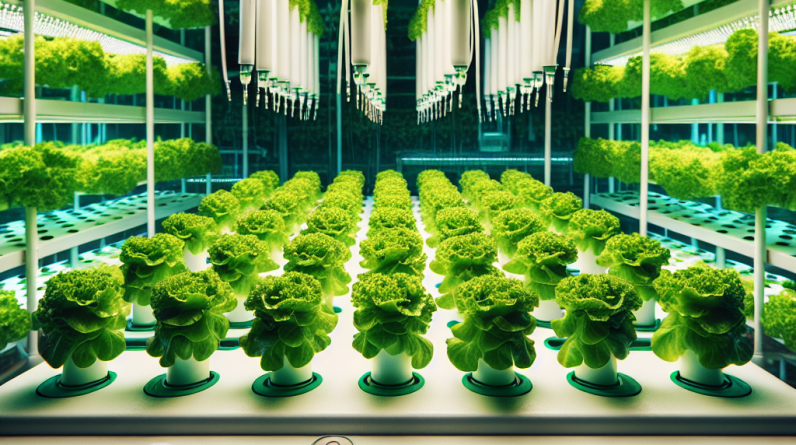
Storing hydroponic lettuce to prevent wilting depends on reducing water loss without trapping excess moisture around the leaves. Harvest the lettuce when it is cool, remove damaged outer leaves, and rinse only if needed before drying it thoroughly. A loosely closed container or perforated produce bag lined with a clean towel allows humidity to remain high while condensation escapes. Keep the leaves refrigerated away from freezing temperatures, ethylene-producing fruit, and heavy items that cause bruising. Wilting usually reflects warmth, surface dryness, or cut-stem moisture loss, while slimy patches and sour odors indicate excess moisture and spoilage rather than simple dehydration.
Harvesting Hydroponic Lettuce for Better Storage
Storage quality is determined partly before the lettuce reaches the refrigerator. Leaves harvested while warm lose water quickly, and plants that have been stressed by a dry root zone, excessive heat, or a long interval without adequate moisture may already have reduced firmness. Harvesting during the cooler part of the day gives the leaves a better starting condition than cutting them after lights, sunlight, or warm room air has raised their temperature.
For a full head, cut cleanly at the base with a sanitized knife or scissors. For a cut-and-come-again harvest, remove mature outer leaves individually and leave the growing center intact. Individual leaves often cool faster and fit a container more easily, but they also have more exposed edges where moisture can escape. A whole head may retain firmness longer, although bruised or tightly packed leaves can create damp pockets.
Inspect the harvest before washing or packing. Remove yellowing, torn, crushed, or visibly slimy leaves rather than placing them among sound foliage. One damaged leaf can spread moisture and decay to nearby leaves, especially inside a sealed container. Do not store the root mat attached simply because it appears fresh; residual nutrient solution and wet roots can make packing awkward and may increase leakage. If the roots are clean and you plan to use the lettuce very soon, they can remain attached temporarily, but the foliage still needs protection from crushing.
A common mistake is treating harvest time as irrelevant because hydroponic lettuce has been grown in a controlled environment. The plant may be clean and vigorous, yet its leaves still respond to temperature and humidity after cutting. Compare a crisp head placed in a hot basket with one moved promptly into shade and chilled: the second head has less time to lose water before refrigeration. The practical priority is simple—harvest intact leaves, handle them gently, and begin cooling before deciding how to package them.
Readers refining their harvest routine can also use Storing hydroponic lettuce to prevent wilting as a reference point when comparing whole-head and leaf-by-leaf storage. The best choice depends on how quickly the lettuce will be eaten and whether the container can prevent pressure damage.
Cooling, Drying, and Managing Moisture
Cold storage slows water loss and deterioration, but moisture must be balanced rather than maximized. Lettuce wilts when water leaves its cells faster than the leaves can retain it. Refrigeration reduces that loss, while moderate humidity limits evaporation. Wet surfaces create a different problem: standing water encourages soft spots, tissue breakdown, and microbial spoilage.
Rinse lettuce under cool, clean running water if soil, growing debris, or handling residue needs to be removed. Avoid warm water, prolonged soaking, or rough rubbing. After rinsing, drain the leaves and dry them with a salad spinner, clean towels, or a combination of both. The goal is a surface that feels dry or only slightly cool and damp, not foliage covered with droplets. Letting washed leaves sit exposed on a counter for a long time is not a useful substitute for drying; they continue losing water while waiting.
A salad spinner is convenient for loose leaves, but excessive spinning can bruise tender varieties. A short spin followed by a rest on a clean towel is usually gentler than repeated high-speed cycles. For a head, separate only the leaves that need washing, then blot the exterior and cut surface. If the lettuce is already very crisp and clean, skipping a pre-storage rinse may improve its keeping quality because less residual water remains in the package. Wash immediately before eating instead, provided the leaves are handled in a clean manner.
Paper towels or clean cotton towels can absorb stray condensation, but they should not be used to wrap lettuce so tightly that air cannot circulate. Replace a damp liner when necessary. A towel that becomes saturated is no longer managing moisture; it is holding it against the leaves. Conversely, packing completely dry lettuce in a totally unvented container can cause the plant’s remaining moisture to condense on the lid as temperatures change.
Weak advice often says to keep produce “as moist as possible.” For lettuce, that instruction misses the distinction between humid air and liquid water. A slightly vented container with a dry liner generally offers a better compromise than either an open plate, which accelerates wilting, or an airtight wet box, which accelerates decay. Check the container after several hours: firm leaves with little condensation suggest a workable balance; dripping walls, slick leaves, or a saturated liner call for drying and ventilation.
Containers, Refrigeration, and Placement
The storage container should limit dehydration while allowing excess moisture to escape. A rigid food-safe container with a lid that is not fully sealed, a produce bag with a few small openings, or a reusable produce container with ventilation can work. Line the bottom with one clean, dry towel and place the leaves loosely rather than compressing them. The container should be large enough that the foliage is not pressed against the lid.
Do not use a container merely because it is airtight. A sealed box may seem protective during the first day, but temperature changes can produce condensation inside it. That moisture settles on leaf folds and cut edges, where tissue softens first. If an airtight container is the only option, start with thoroughly dried leaves and inspect it regularly; cracking the lid briefly may be necessary when condensation appears. A perforated bag is less protective against crushing but often handles moisture better for a small harvest.
Place the lettuce in a refrigerator compartment that is cold but not prone to freezing. Keep it away from the rear wall, cold-air outlet, or any location where leaves can freeze and thaw. Freezing damages lettuce tissue, producing translucent, water-soaked areas that collapse after thawing. Avoid placing heavy containers on top of the leaves. Bruising is not always visible immediately, yet compressed areas often become brown or slimy before the rest of the harvest.
Separate lettuce from strong-smelling foods if odor transfer matters, and avoid crowding it against fruit that releases ripening gases. Lettuce is not a long-term storage crop, so packaging cannot restore firmness once the leaves have suffered substantial dehydration. A refrigerator may slow the process, but it does not reverse warm handling, crushing, or decay.
Consider two practical scenarios. For a same-day salad, a ventilated bag and minimal washing may be sufficient. For several meals across the week, dry individual leaves carefully, use a rigid container, and inspect the liner each day. The second method takes more preparation but reduces the chance that one wet leaf will affect the entire batch. More ventilation is not automatically better: an open bowl may keep condensation away while allowing edges to dry rapidly. Choose packaging according to the intended storage period, leaf tenderness, and how often the container will be opened.
For broader post-harvest handling context, readers may find Storing hydroponic lettuce to prevent wilting useful when deciding whether a whole head or separated leaves suit their refrigerator and meal schedule.
Troubleshooting Wilted or Spoiling Leaves
Wilt and spoilage require different responses. Limp, dry-edged leaves with no unpleasant odor may have lost water and could regain some firmness after a brief soak in clean, cold water before use. That recovery is for immediate eating, not a reason to return questionable leaves to storage. Leaves with slimy surfaces, spreading brown decay, sour odors, or fuzzy growth should be discarded rather than refreshed.
When stored lettuce wilts quickly, check temperature and exposure first. A container left on a kitchen counter while meals are prepared may warm repeatedly. A bag with large openings may allow too much air movement, particularly around cut leaves. Excessive drying before packing can also remove more water than necessary. Adjust one variable at a time: move the container to a stable refrigerator location, reduce unnecessary ventilation, or use a fresh dry liner. Changing every condition at once makes it difficult to identify the cause.
When leaves turn slick or develop decay, look for trapped water. Inspect the underside of leaves, the cut base, and folds where droplets collect. Remove affected pieces, dry the remaining sound leaves, and clean the container before repacking. If several leaves are already deteriorating, salvaging the batch may not be worthwhile. The presence of decay is more significant than a minor loss of crispness because refrigeration does not make spoiled produce safe.
Another failure mode occurs when growers store lettuce immediately after rinsing without checking the center of the head. The outside may look dry while water remains between overlapping leaves. Separating the head for inspection can solve that problem, but it may shorten storage slightly because more edges are exposed. Keeping the head intact is preferable when it is clean and will be used soon; separating it is more useful when hidden moisture or repeated meal preparation is the larger concern.
Use this compact inspection sequence before repacking:
- Check for firm leaves, dry surfaces, and an ordinary fresh smell.
- Remove crushed, discolored, slimy, or foul-smelling pieces.
- Look for condensation on the lid, bag, liner, and leaf folds.
- Adjust ventilation or replace the liner instead of adding more water.
- Use softened but otherwise sound leaves promptly rather than storing them again.
That sequence distinguishes dehydration from decay and prevents a common misconception: a wilted leaf is not necessarily unsafe, while a crisp-looking leaf with hidden spoilage is not automatically good. Appearance, smell, surface condition, and storage history should be considered together.
A Practical Storage Routine for Fresh Leaves
A reliable routine begins with a realistic consumption plan. Harvest only what can be cooled, dried, and packed without delay. If several heads are ready at once, process them in small batches so warm leaves do not sit in a pile while the rest are handled. Keep the harvest out of direct sun and away from warm appliances during preparation.
For a typical home harvest, trim the base, remove damaged foliage, and rinse only the portion that needs cleaning. Drain thoroughly, spin loose leaves briefly, and blot remaining droplets. Place a dry liner in a clean container, arrange the leaves without compression, and close the lid loosely or use a container designed for produce ventilation. Labeling the container with the harvest date can make it easier to use older leaves first, especially when successive harvests overlap.
Inspect the package the following day rather than assuming the original setup will remain ideal. A small amount of humidity is useful; pooled liquid is not. If the liner is damp, replace it and dry any condensation from the container. If the outer edges are drying while the center remains firm, reduce airflow slightly. If the center is wet and soft, separate the leaves, remove damaged pieces, and provide more ventilation. These changes are more effective than repeatedly misting the lettuce, which adds surface water without repairing tissue that has already weakened.
Storage also involves a quality tradeoff. Washing before storage is convenient and can reduce preparation time, but it requires excellent drying. Leaving clean lettuce unwashed may preserve texture more effectively, but it transfers the washing task to mealtime. Whole heads occupy more space yet expose fewer cut surfaces; separated leaves are ready to use but need better protection from drying and bruising. Select the approach that matches your household’s actual behavior, not an idealized schedule.
Growers who want to improve future harvests should note when wilting begins and what the container looked like at that point. A record showing warm harvests followed by limp edges points toward faster cooling and gentler handling. Repeated sliminess with heavy condensation points toward drying and ventilation. The Storing hydroponic lettuce to prevent wilting routine works best as an observation-based process rather than a rigid promise about storage life.
Frequently Asked Questions
Should hydroponic lettuce be washed before refrigeration?
Wash it before storage only when cleaning is needed and dry it thoroughly afterward. If the leaves are already clean, delaying the rinse until use may reduce excess moisture in the container.
Why does hydroponic lettuce wilt in the refrigerator?
Wilting can result from warm handling before chilling, excessive ventilation, exposed cut edges, or a refrigerator location that is too dry. Check the package and temperature before adding water.
Is an airtight container best for lettuce?
Not always. An airtight container can trap condensation, so a loosely closed or ventilated container is often better when leaves have been rinsed or are prone to moisture buildup.
Can wilted lettuce be made crisp again?
Leaves that are limp but clean and odor-free may regain some firmness after a brief soak in clean, cold water. Use them promptly and do not revive leaves with slime, decay, or an unpleasant smell.
Should the roots stay attached during storage?
Roots may remain attached briefly if they are clean and the lettuce will be used soon, but they can introduce excess moisture and make packing difficult. Remove them when leakage or dampness becomes a problem.
Further Reading
Authoritative Sources
- Academy of Nutrition and Dietetics
eatright.orgProfessional nutrition guidance, healthy eating resources, and practical dietitian-reviewed advice.
- U.S. Department of Agriculture
usda.govOfficial food, nutrition, agriculture, and consumer guidance from the USDA.
- NIH Office of Dietary Supplements
ods.od.nih.govResearch-based fact sheets on nutrients, supplements, dietary intake, and safety considerations.
- International Society of Sports Nutrition
sportsnutritionsociety.orgEvidence-informed sports nutrition resources and position stands for active people and athletes.
Conclusion
Fresh hydroponic lettuce keeps its texture when harvesting, cooling, drying, and packaging are treated as one connected process. Cut during a cool period, handle the leaves gently, remove damaged pieces, and avoid packing wet foliage. A clean container with modest ventilation and a dry liner usually provides a better balance than either an uncovered bowl or a tightly sealed, condensation-filled box. Refrigerate the harvest without freezing it, keep heavy items away, and inspect the package for moisture changes. Use softened but sound leaves promptly, while discarding anything slimy, foul-smelling, or visibly decayed. Matching the storage method to your meal schedule—whole head for short-term convenience or separated leaves for ready-to-use portions—will do more for quality than relying on a single container type.